7 Critical Signs You Need to Fire Your Commercial Cleaning Company

Is your commercial cleaning vendor a strategic asset for your facility, or are they a $165,514 liability waiting to trigger an OSHA citation? With the November 20, 2026 deadline for updated workplace labels and HazCom training fast approaching, an incompetent provider does more than leave streaks on windows. They directly threaten your operational uptime and compromise safety standards. If you're spotting the signs you need to fire your cleaning company, you're likely tired of micro-managing a vendor who should be an autonomous extension of your team.
We understand that you need reliability and technical precision to keep your facility running at peak efficiency. When inconsistent sanitation or improper floor care begins to impact employee morale and safety, the partnership is no longer serving your business goals. This guide identifies the red flags in your facility maintenance that indicate your current vendor is a liability. You'll learn how to evaluate their performance against industrial standards to ensure your facility maintains its professional reputation and operational continuity.
Key Takeaways
- Identify how inconsistent attendance and the "complacency curve" jeopardize facility security and morning operational transitions.
- Recognize the technical signs you need to fire your cleaning company, including improper floor care that causes permanent surface damage.
- Evaluate critical lapses in high-level disinfection and sanitation protocols that increase liability risks in medical and healthcare environments.
- Learn to conduct a comprehensive facility audit to document performance gaps and streamline the transition to a dependable single-source provider.
Table of Contents
Operational and Reliability Red Flags in Commercial Maintenance
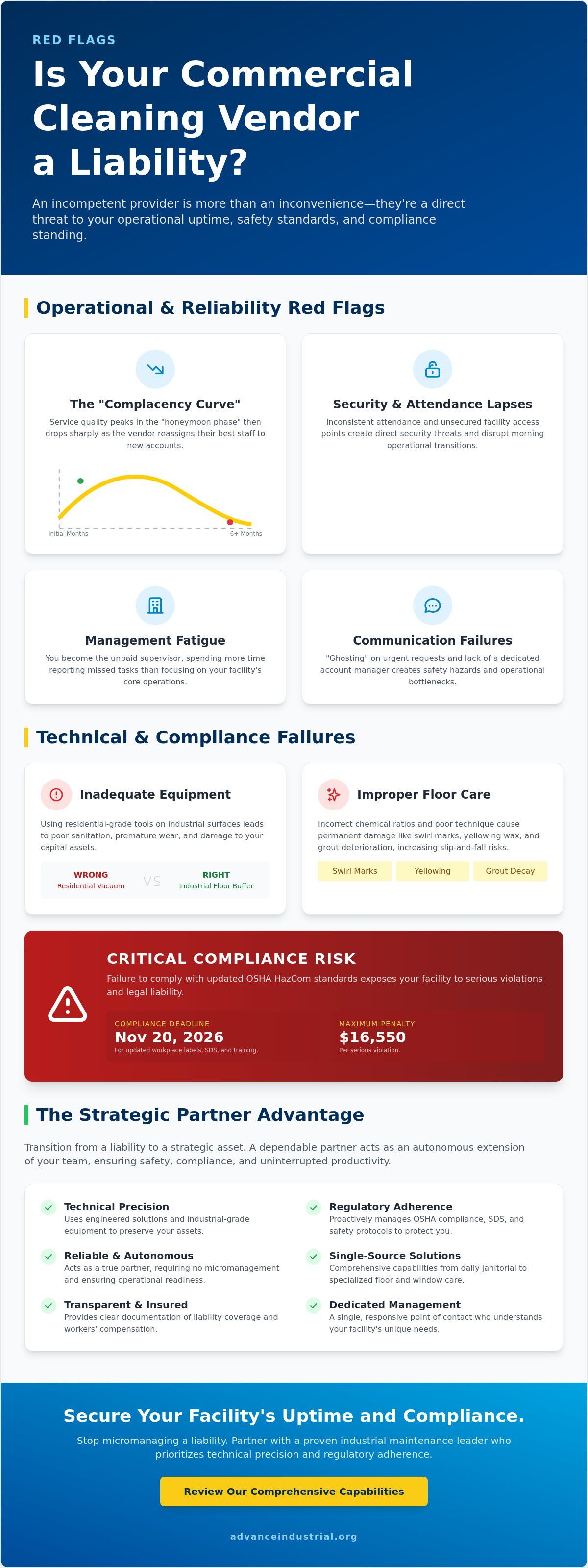
Reliability is the foundation of industrial excellence. When a vendor fails to show up or leaves facility access points unsecured, they aren't just a nuisance; they're a direct threat to your facility's security and morning operational transitions. These lapses represent the most immediate signs you need to fire your cleaning company. A partner who compromises your perimeter security or forces your team to delay production while waiting for a clean workspace is a liability to your bottom line.
Many procurement professionals notice a "Complacency Curve" where service quality peaks during the honeymoon phase and then dips sharply after the first six months. This decline often happens because the vendor shifts their best staff to newer accounts, leaving your facility with substandard care. Instead of a strategic partnership that supports uninterrupted productivity, you're left with a vendor who requires constant oversight. If you've become the unpaid supervisor for your cleaning crew, the relationship has failed its primary purpose of providing autonomous facility support.
The High Cost of Inconsistent Janitorial Performance
Inconsistent performance erodes your professional reputation in Nassau County. Neglected dusting and poor trash removal lead to degraded indoor air quality, which can cause respiratory irritation and decrease employee retention. Adhering to commercial cleaning industry standards is essential for maintaining a healthy environment. In this context, operational uptime is the continuous availability of a clean, safe, and functional workspace that supports peak employee performance. When your vendor fails to provide single-source solutions, you're forced to waste time managing multiple specialized vendors for tasks like window cleaning or carpet care, further draining your resources.
Communication Failures and Management Fatigue
Management fatigue occurs when you spend more time reporting missed tasks than focusing on your core operations. A lack of a dedicated account manager is a clear signal to terminate the relationship. You need a single point of contact who understands your facility's specific requirements. "Ghosting" during urgent maintenance requests or failing to respond to spills creates safety hazards and suggests a lack of technical authority. A dependable partner acts as an extension of your team, providing the stability required for a complex supply chain environment.
Even when operating in different regions, observing the standards of industry leaders can be helpful; for instance, you can discover The Cleaning Crew to see how a dedicated partner maintains technical authority and reliability.
Technical Failures: Liability, Compliance, and Specialized Care
Inadequate equipment is one of the most visible signs you need to fire your cleaning company. Industrial environments require high-performance tools, not residential-grade vacuum cleaners or mop buckets. Using light-duty equipment on heavy-duty surfaces leads to premature wear and poor sanitation results. If your vendor arrives with tools meant for a home rather than a production floor, they lack the technical authority required for your facility's operational uptime.
Regardless of your location, looking to established professionals can provide a blueprint for quality; for example, the Smart Cleaning Service House Cleaning Seattle and Eastside illustrates how specialized residential standards prioritize the same level of technical care and reliability required in professional maintenance.
Specialized Floor Care and Surface Preservation
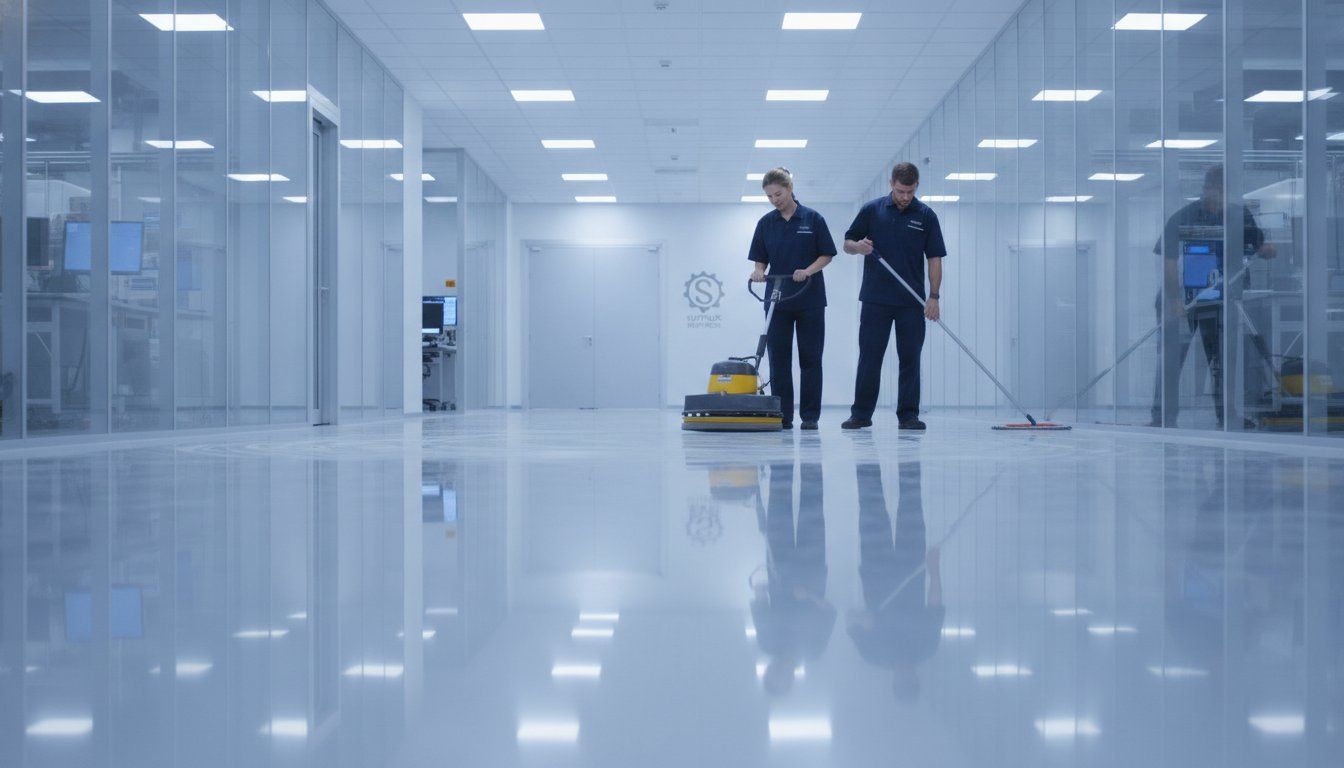
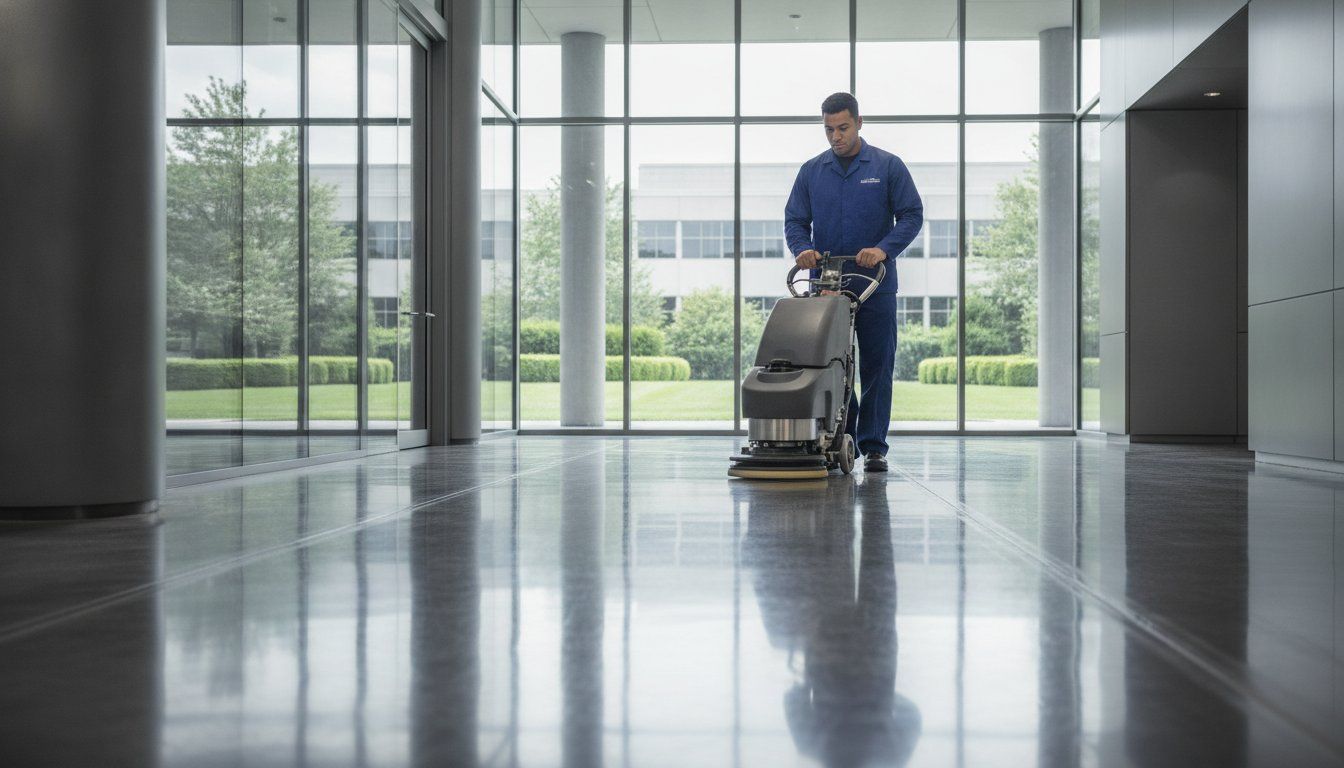
Improper floor maintenance often results in permanent damage that's expensive to remediate. Watch for swirl marks, yellowing wax, or grout deterioration in high-traffic areas. These red flags indicate that your vendor is using incorrect chemical ratios or skipping essential steps in the stripping and waxing process. Adhering to industrial maintenance standards is critical for preserving your facility's capital assets. When a vendor fails to use engineered solutions for specific floor types, they increase your slip-and-fall risks and compromise the professional appearance of your operation.
Regulatory Compliance and Sanitary Standards
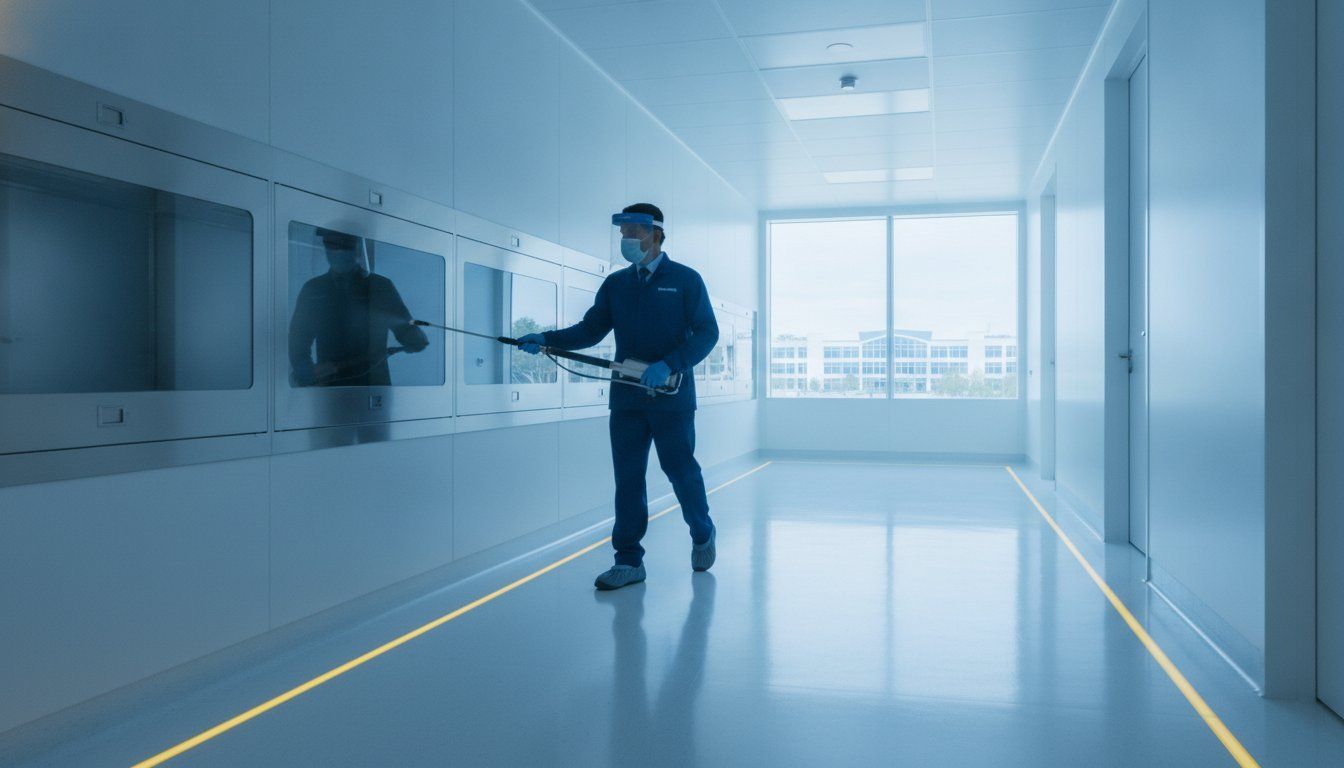
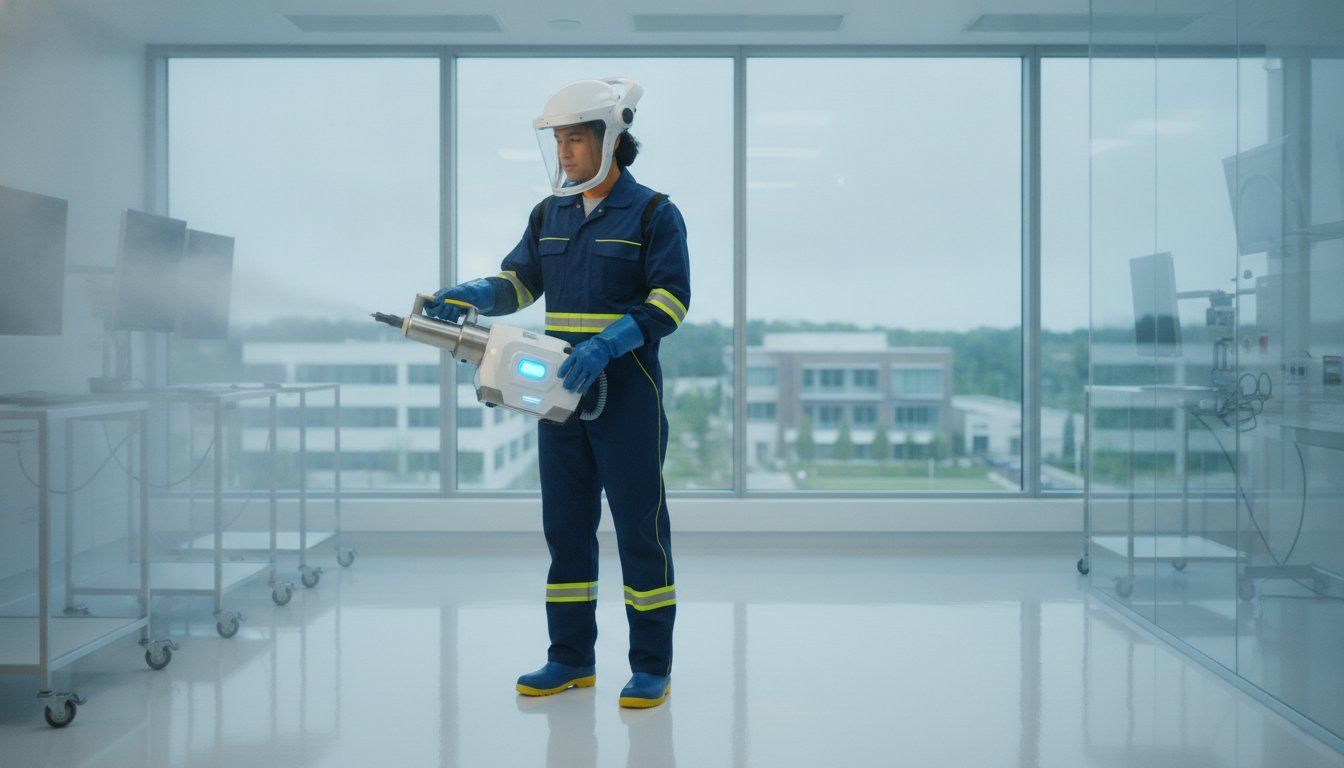
For medical offices and healthcare sites in Suffolk County, visual cleanliness isn't the goal; clinical-grade disinfection is the requirement. By November 20, 2026, all employers must update their workplace labels, written programs, and training for hazardous substances. If your current cleaning partner hasn't updated their Safety Data Sheets (SDS) on-site, you're exposed to OSHA violations. These serious violations now carry a maximum penalty of $16,550 per citation. A partner who ignores these deadlines isn't just a poor cleaner; they're a threat to your compliance standing.
Transparency regarding insurance and workers' compensation is another non-negotiable factor. If your vendor is evasive about their liability coverage, you're carrying their risk. When technical failures and compliance gaps reach a critical point, you may need to consult formal contract termination procedures to exit the relationship safely. It's better to act now than to wait for a costly accident or audit failure. You can review our comprehensive cleaning capabilities to see how a strategic partnership prioritizes technical precision and regulatory adherence.
Transitioning to a Strategic Maintenance Partnership
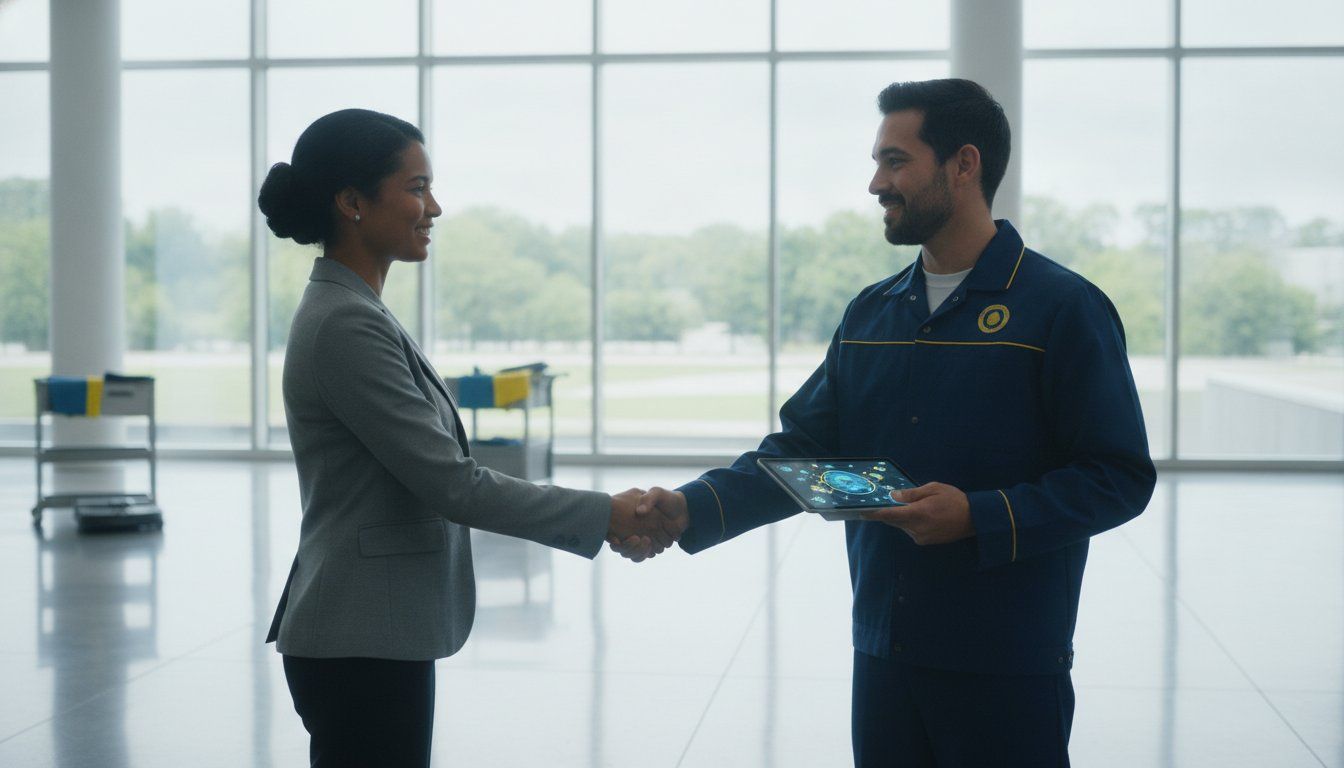
Once you've identified the signs you need to fire your cleaning company, the focus shifts to a structured exit and a more resilient replacement. Start by conducting a final facility audit to document specific performance gaps against your current contract. This data provides the objective basis for termination and ensures you aren't left vulnerable to claims of wrongful breach. Effective strategic vendor management requires a clear off-boarding process that prioritizes facility security and the return of all access credentials.
When evaluating providers for a comprehensive facility strategy, it is helpful to visit Maintenance Time Inc to see how specialized exterior maintenance can be handled with the same level of professional precision.
How to Terminate Your Cleaning Contract Professionally
Review the "cure period" and termination clauses in your current service agreement before taking action. This window allows the vendor a final opportunity to rectify deficiencies; however, persistent failure warrants a formal exit. Draft a termination letter that highlights documented service lapses rather than emotional frustration. This approach maintains professional standards and protects your facility's legal interests during the transition.
Selecting Your Next Long Island Maintenance Partner
Regional specialists in Nassau and Suffolk County offer a level of technical authority that national franchises often lack. Forty years of local experience is a prerequisite for industrial excellence because it proves a vendor has the engineered solutions to handle Long Island's unique facility challenges and labor dynamics. Ask candidates about their staff training programs and background check procedures to ensure your facility remains a safe, high-performance environment. You can stay informed on current maintenance trends to better vet potential partners during the selection process.
Securing the Future of Your Facility Maintenance
Maintaining a facility requires more than basic janitorial services; it demands a strategic partnership built on technical authority and unwavering reliability. You've seen how inconsistent attendance and technical failures like improper floor care or compliance lapses can jeopardize your operational uptime. Identifying the signs you need to fire your cleaning company is the first step toward restoring industrial excellence and protecting your professional reputation.
Commercial Cleaning Services Advance Industrial Maintenance serves as a single-source provider for all your janitorial and project-based needs. With over 40 years of local experience on Long Island, we provide specialized medical and industrial cleaning capabilities engineered for high-stakes environments. We prioritize precision and consistency to ensure your facility remains a safe, productive asset. Our team understands the rigorous requirements of plant managers and procurement professionals who can't afford the risks of vendor complacency.
Upgrade to industrial excellence—schedule a facility audit with Commercial Cleaning Services Advance Industrial Maintenance today. Choosing a partner who understands the complexities of your supply chain ensures your long-term operational success and uninterrupted productivity.
Frequently Asked Questions
How much notice should I give my commercial cleaning company before firing them?
Most commercial contracts require a 30 to 60-day written notice for termination. You must consult your specific service agreement to identify the exact notice period and any required "cure period" for documented performance issues. Following these legal requirements ensures a smooth transition and protects your facility from potential breach-of-contract claims. This structured approach allows you to secure a more reliable partner without compromising your facility's daily operational continuity.
What are the most common hidden risks of keeping a subpar cleaning vendor?
Hidden risks include shared liability for OSHA violations and increased workers' compensation costs due to slip-and-fall accidents. Serious violations can cost up to $16,550 per citation as of January 2026. Recognizing the signs you need to fire your cleaning company early prevents these financial liabilities from impacting your bottom line. Substandard sanitation also leads to degraded indoor air quality and lower employee retention rates, which creates long-term operational instability.
Is it possible to switch cleaning companies without disrupting my daily office operations?
You can switch vendors without downtime by scheduling a detailed facility walkthrough with the incoming provider at least two weeks before the transition. A professional single-source provider will coordinate the transfer of keys and security codes to ensure uninterrupted productivity. This overlapping period allows the new team to master your facility's specific workflows before the previous contract expires. It's a pragmatic way to maintain your professional reputation while upgrading to a more technically competent partner.
What technical certifications should a professional medical office cleaning company hold?
Professional providers must comply with the OSHA Hazard Communication Standard and maintain updated Safety Data Sheets on-site. By November 20, 2026, all employers must update their workplace labels and training for hazardous substances. If you see signs you need to fire your cleaning company, verify that their replacement uses EPA-registered disinfectants. They should also demonstrate expertise in HIPAA-compliant sanitation and clinical-grade disinfection for healthcare environments to ensure your facility remains compliant.