What Does a Day Porter Do? A Guide for Long Island Facility Managers
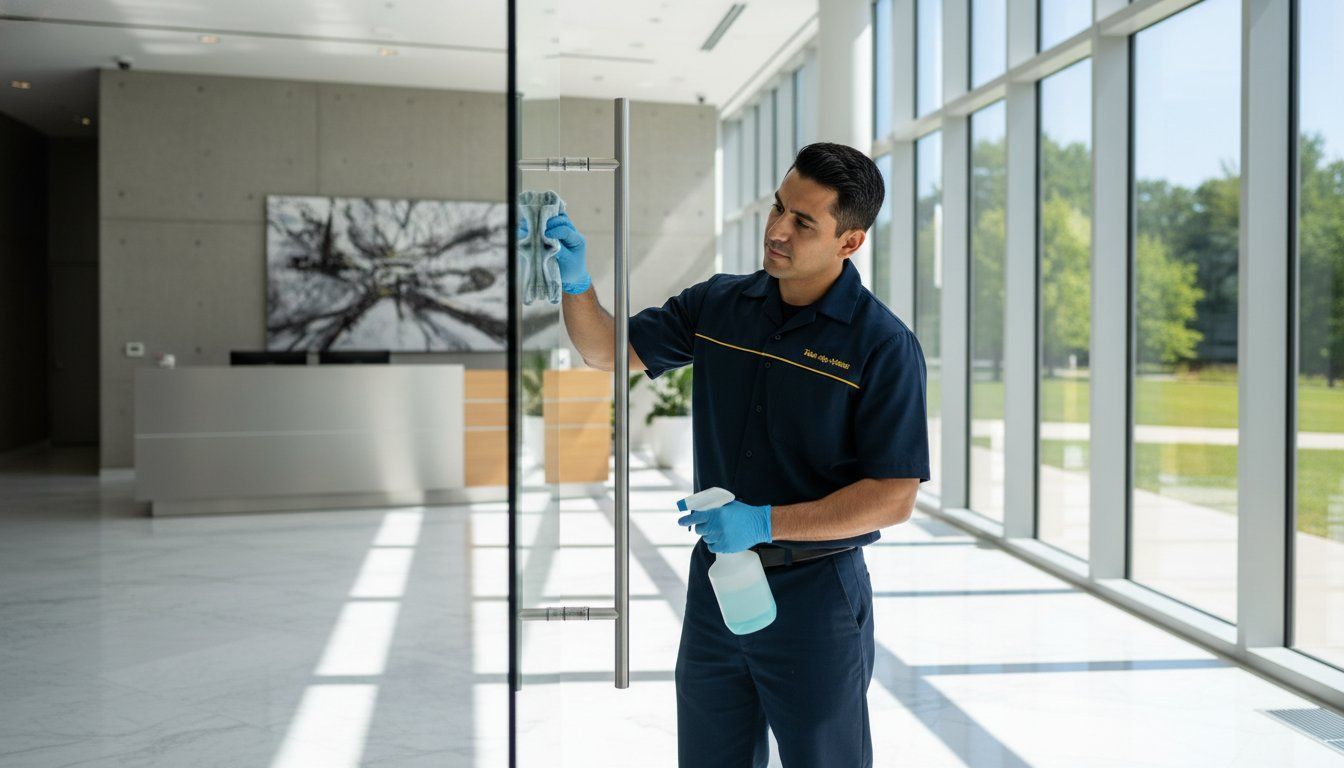
A facility's professional image often collapses by 11:00 AM without a dedicated strategy for real-time maintenance. You understand the frustration of high-traffic areas becoming messy long before the night crew arrives. When spills happen or restrooms require immediate attention, waiting for after-hours janitorial services compromises your operational uptime and safety standards. You need to know exactly what does a day porter do to protect your facility's reputation in Nassau and Suffolk Counties.
We recognize that maintaining industrial excellence requires more than just a nightly sweep; it demands a proactive presence. This article explains how a day porter serves as a strategic facility partner to ensure uninterrupted productivity and rapid response to maintenance emergencies. You'll learn how these professionals handle technical requirements, such as following NYDEC Part 226 regulations for solvent cleaning and avoiding the $50 to $500 fines linked to NYC sidewalk maintenance. We will provide a comprehensive look at how digital platforms and sustainable practices now define this essential role in modern facility management. This guide ensures you have the technical insight to maintain a pristine environment that supports your long-term operational goals.
Key Takeaways
- Identify the day porter as a strategic facility partner providing immediate response capabilities that nightly janitorial crews cannot offer during business hours.
- Explore the technical breakdown of what does a day porter do, from continuous high-touch disinfection to managing hygiene standards in medical and office environments.
- See how real-time maintenance prevents minor issues from escalating, directly supporting your facility's operational uptime and long-term efficiency.
- Learn to utilize on-site personnel to maintain professional standards that improve employee morale and client confidence across Nassau and Suffolk Counties.
Defining the Day Porter Role in Long Island Commercial Facilities
A day porter is a dedicated facility maintenance professional stationed on-site during peak business hours. This individual functions as a bridge between standard janitorial services and comprehensive facility management. While traditional cleaning occurs after hours, the porter operates in the presence of employees and clients to maintain operational standards in real-time. In high-traffic Nassau County hubs like Garden City or Melville, these professionals often serve as the primary face of facility management for tenants and visitors. They ensure that the physical environment reflects the technical precision of the business operating within it.
To understand what does a day porter do , one must look beyond the basic duties of a janitor. Unlike nightly crews that follow a static checklist, porters act as a first-response unit for immediate facility needs. They provide the agility required to handle unpredictable events, such as spills in a common area or restocking essential supplies in high-utilization restrooms. This on-site presence ensures that minor aesthetic or safety issues don't escalate into operational disruptions or liability risks. With an average salary of $23.45 per hour in Long Island as of May 2026, these professionals are valued for their ability to manage complex facility requirements during active shifts.
The "Daytime" Difference: Real-Time Maintenance
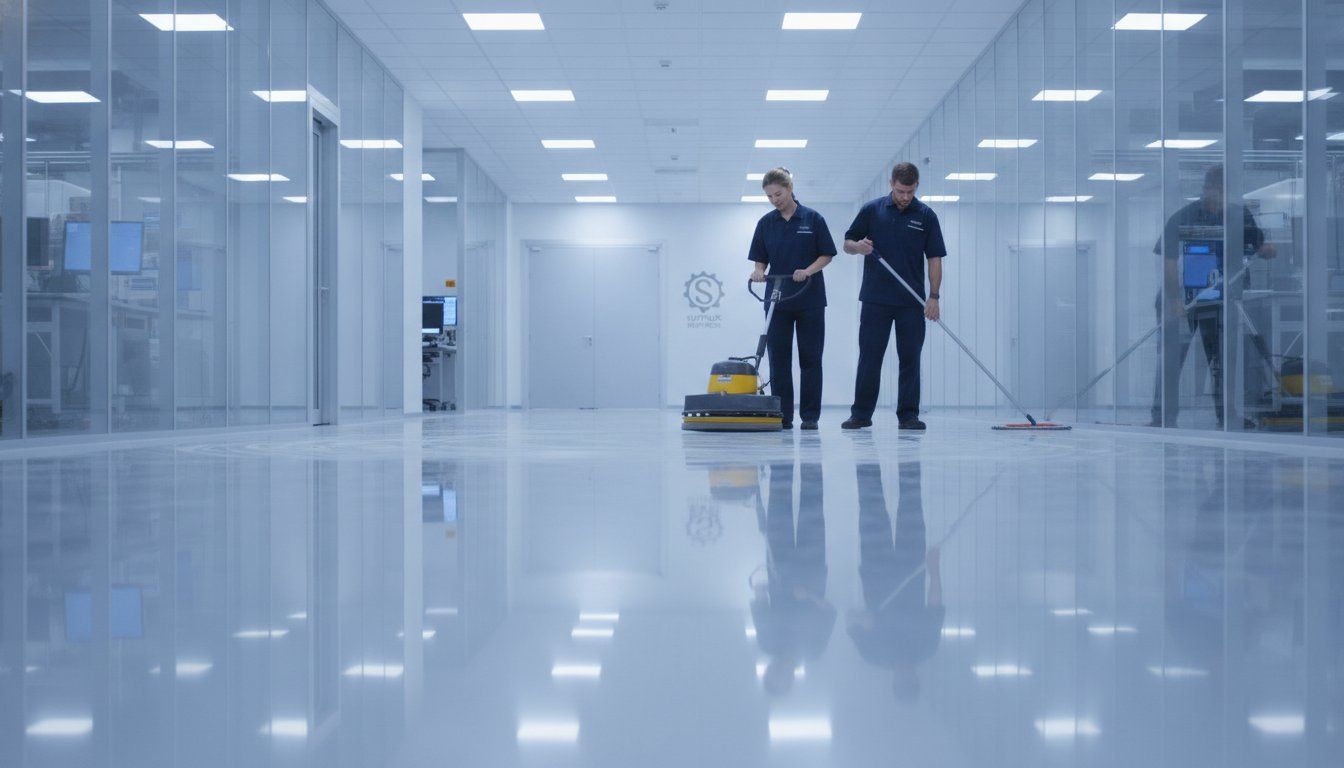
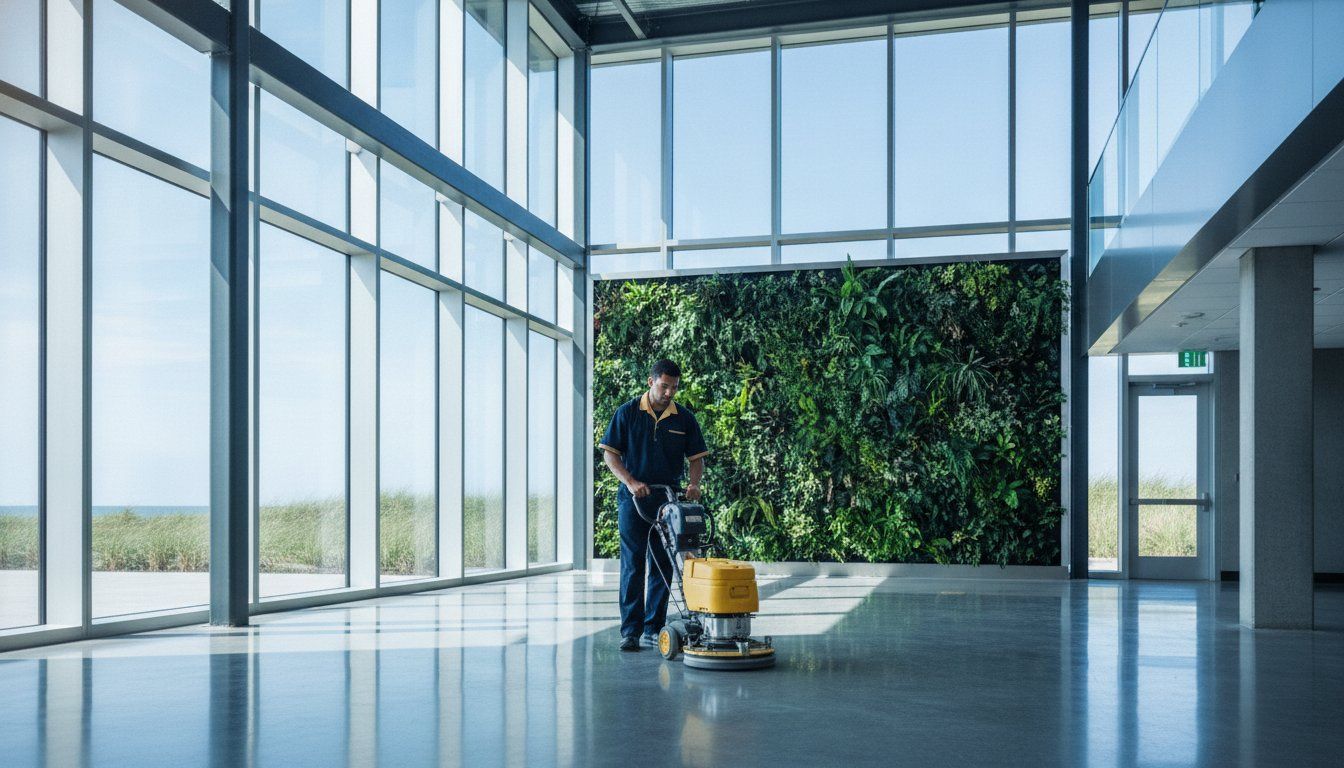
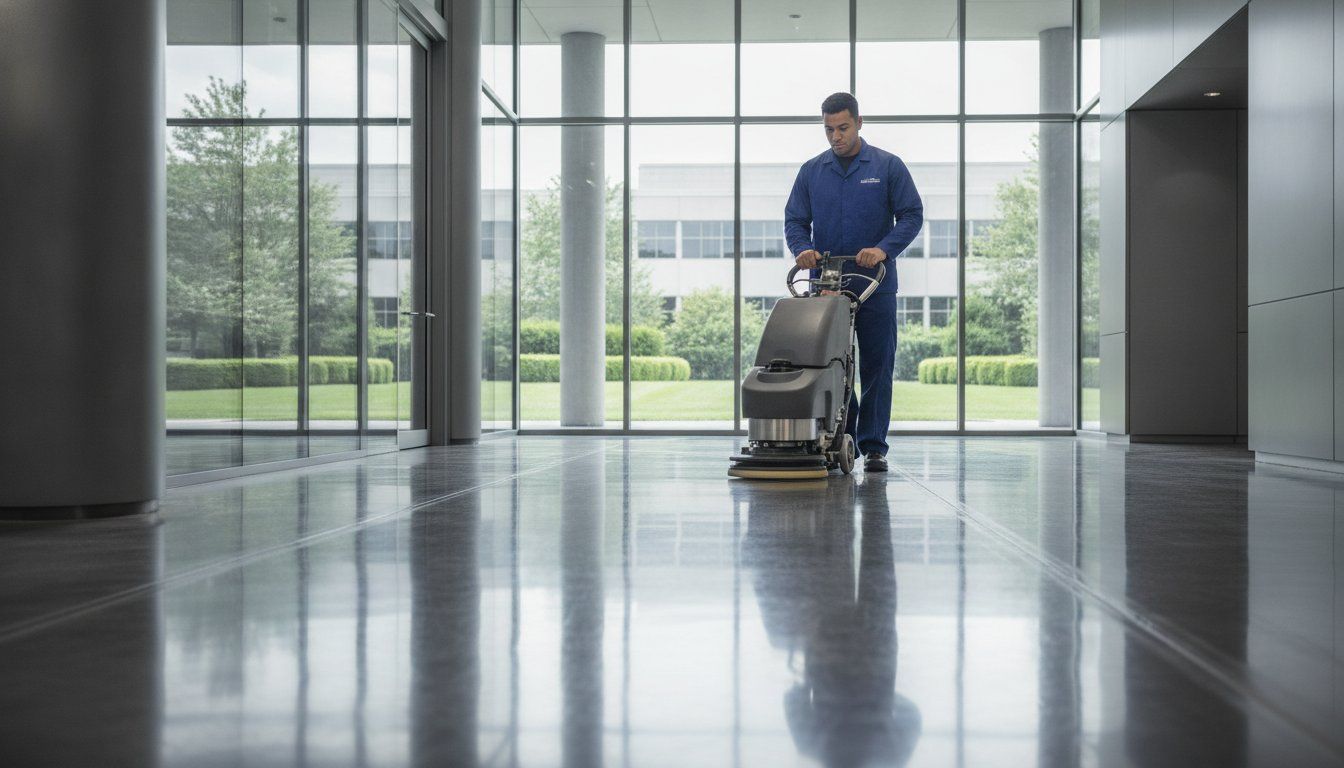
Transitioning from reactive cleaning to proactive facility management is essential for maintaining high-traffic Long Island properties. During peak hours, environmental factors unique to our region, such as sand from coastal proximity or salt tracking during winter months, can quickly degrade lobby aesthetics and floor safety. A day porter monitors these conditions constantly. When evaluating what does a day porter do , the focus must remain on their ability to mitigate risks before they impact the bottom line. By addressing debris and moisture at the point of entry, they protect the building's infrastructure and prevent the need for more aggressive floor stripping and waxing later. This proactive approach supports uninterrupted productivity by ensuring the facility remains in a state of industrial excellence from the first morning meeting until the final exit. In Suffolk County industrial parks, where machinery and foot traffic are constant, this real-time intervention is the difference between a safe workspace and a high-risk environment.
Core Responsibilities: What a Day Porter Does Daily
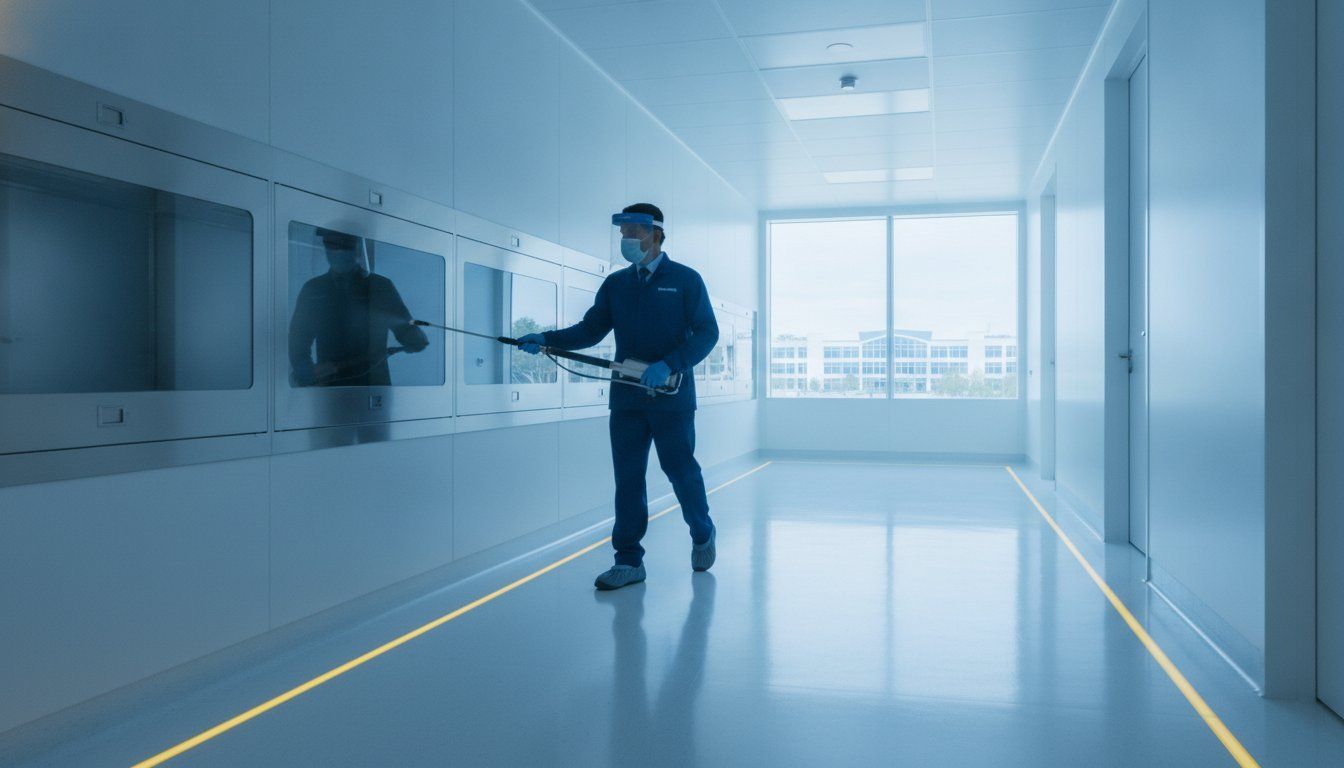
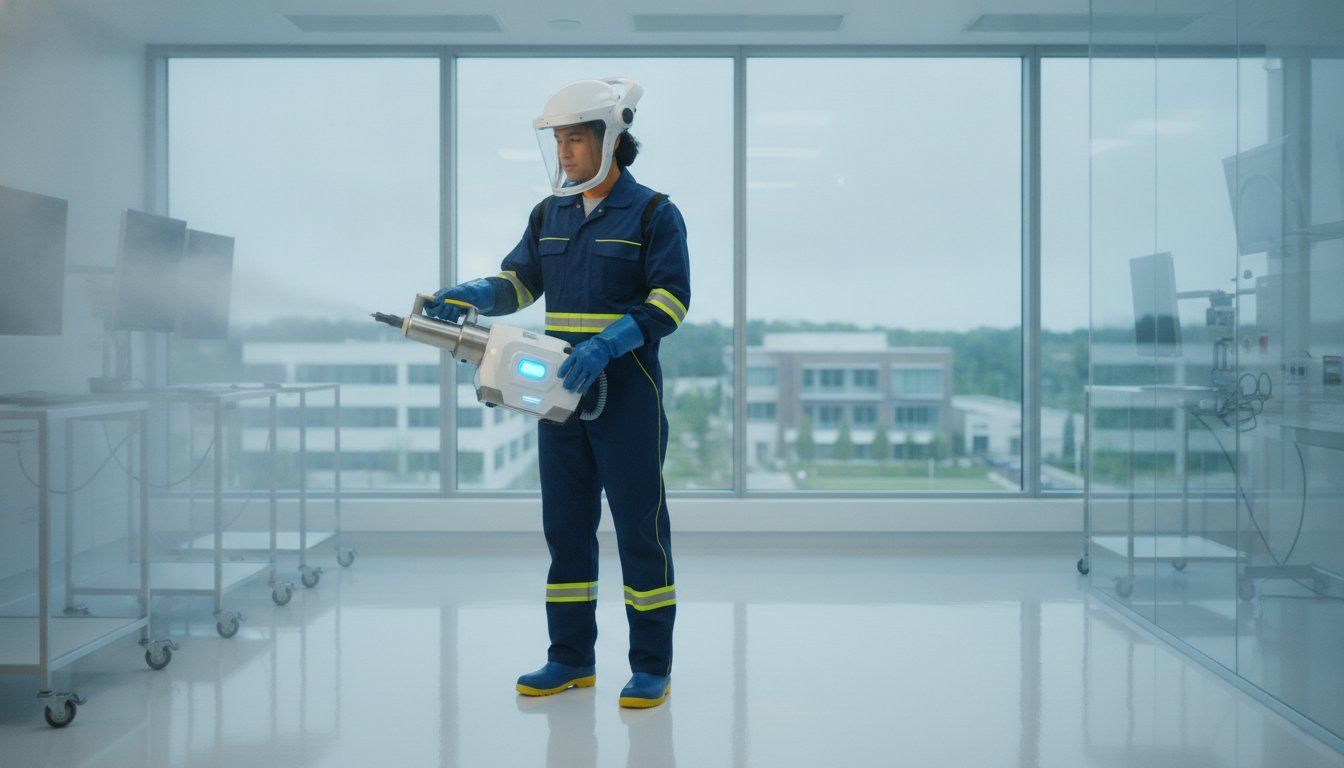
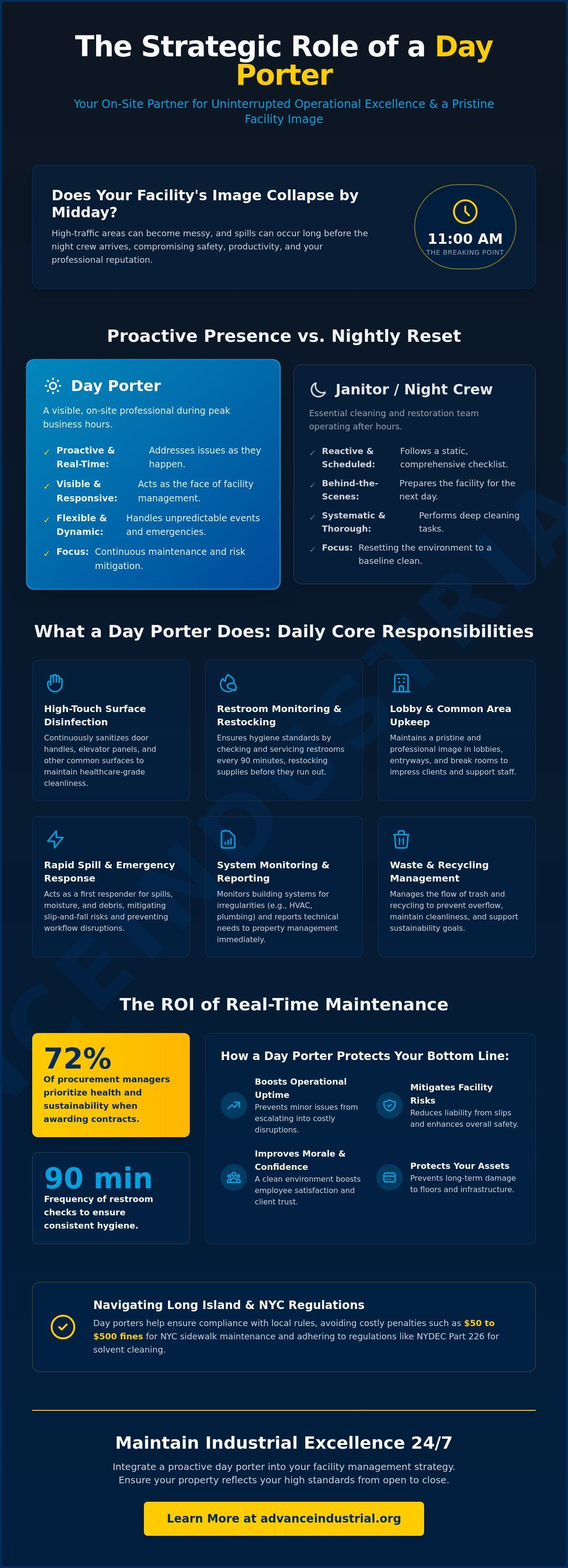
The daily workflow of a day porter is engineered to maintain industrial excellence during active business hours. When analyzing what does a day porter do on a granular level, the focus remains on technical reliability and operational uptime. A porter manages the continuous sanitation of high-touch surfaces, such as door handles and elevator panels, to support healthcare-grade cleanliness in corporate environments. This proactive approach is essential in high-density Nassau County offices where 72% of procurement managers now prioritize sustainability and health standards as key factors when awarding contracts. Defining the Day Porter Role involves recognizing them as an extension of your facility management team rather than just a cleaning resource.
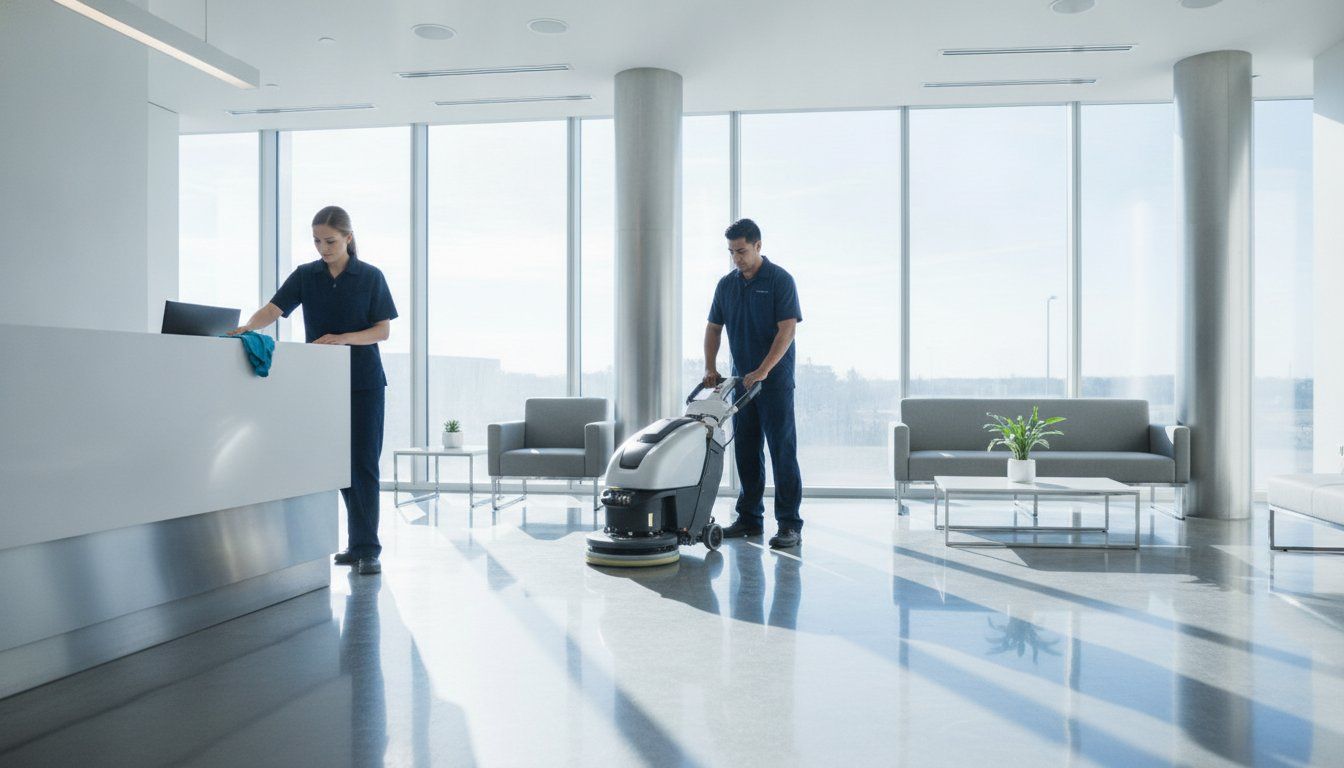
Restroom monitoring is another critical function. Porters ensure consistent hygiene standards by restocking supplies and addressing sanitation needs every 90 minutes. This prevents the degradation of facility standards that often occurs by midday. They also maintain lobbies and common areas to preserve a professional image for visiting clients and stakeholders. If a spill or minor maintenance emergency occurs, the porter provides a rapid response that prevents workflow disruption. Understanding what does a day porter do helps managers realize that this role is about risk mitigation and continuous operational continuity.
Essential Tasks: Beyond Simple Surface Cleaning
Effective porters monitor building systems and report technical maintenance needs, such as HVAC irregularities or plumbing leaks, to property management immediately. They manage trash and recycling flow to prevent overflow in busy Suffolk County headquarters. This role requires close coordination with office cleaning services to ensure a seamless handoff to nightly crews. This integrated supply chain of labor ensures that your facility remains in peak condition 24/7. It's a strategic partnership that prioritizes the long-term health of your building's infrastructure.
Day Porter vs. Janitor: A Strategic Comparison
The primary difference lies in timing and visibility. A day porter is an integrated part of the daytime operational team, performing visible maintenance that instills confidence in staff and visitors. While a janitor focuses on heavy-duty deep cleaning during off-hours, the porter focuses on real-time hospitality and immediate upkeep. This structure allows your facility to maintain uninterrupted productivity throughout the shift. For those seeking to enhance their facility's performance, exploring professional janitorial services can provide the necessary infrastructure for sustained success.
The Strategic Value of Day Porter Services for Operational Uptime
Maximizing operational uptime requires a shift from reactive repairs to predictive maintenance. When assessing what does a day porter do , the focus should be on their role in identifying structural risks before they impact the bottom line. A porter noticing a frayed carpet seam or a malfunctioning entry sensor at 10:00 AM prevents a safety incident or security breach by the afternoon. This real-time vigilance protects the facility's capital assets and maintains a steady flow of operations. It's a pragmatic approach to facility management that prioritizes technical reliability over emergency response.
Beyond aesthetics, these services significantly reduce organizational liability. Immediate removal of hazards like pooled water during a rainy afternoon in Melville prevents slip and fall incidents that could lead to costly legal claims. Commercial Cleaning Services Advance Industrial Maintenance integrates these porter services into a comprehensive maintenance framework backed by 40 years of regional experience. This approach ensures that every shift is supported by a stabilizing force that understands the high stakes of industrial downtime. It provides the technical precision required to satisfy the rigorous requirements of both engineering staff and executive decision-makers.
Why Long Island Businesses Prioritize Daytime Support
Prestigious commercial corridors in Suffolk County require a level of responsiveness that nocturnal crews can't provide. Healthcare facilities and high-density corporate offices benefit from a strategic partnership that tailors labor to specific peak-usage patterns. Understanding what does a day porter do in these environments helps facility managers optimize their budgets while ensuring uninterrupted productivity. This engineered solution provides the essential infrastructure needed to maintain a professional image and technical reliability throughout the business day. It ensures your facility remains a high-performing asset within the local supply chain.
Optimizing Your Facility’s Operational Continuity
Implementing a daytime support strategy is a critical decision for any facility manager focused on long-term asset protection. While nightly cleaning addresses the aftermath of the workday, understanding what does a day porter do during active hours reveals a commitment to constant operational readiness. This role ensures that your facility maintains its technical authority and professional standards without the mid-day dip in quality that often plagues high-traffic environments. By integrating this proactive presence, you secure a stabilized environment that supports both staff retention and client confidence.
Commercial Cleaning Services Advance Industrial Maintenance leverages over 40 years of Long Island facility experience to provide this essential infrastructure. As a locally owned and operated entity, we offer the technical precision and reliability required for complex operations in Suffolk and Nassau Counties. Our specialized healthcare and office cleaning expertise allows us to function as a seamless extension of your own management team. Request a Professional Day Porter Consultation for Your Facility to establish a strategic partnership that prioritizes your operational uptime. We look forward to ensuring your facility achieves a standard of industrial excellence that lasts.
Frequently Asked Questions
Is a day porter the same as a maintenance man?
No, a day porter is not the same as a maintenance technician. While a maintenance man focuses on complex mechanical systems, power transmission, and structural repairs, a porter prioritizes facility hygiene and aesthetic standards. The porter acts as a first responder for sanitation and high-touch surface disinfection. This role ensures operational excellence by maintaining a professional environment, whereas maintenance staff ensure the building's physical systems remain functional.
How many day porters does a typical office building in Long Island need?
Staffing requirements typically depend on square footage and foot traffic volume. A standard commercial facility in Nassau County usually requires one porter for every 50,000 to 75,000 square feet of high-traffic space. For buildings with lower density, one professional may cover up to 100,000 square feet. Determining what does a day porter do for your specific layout involves assessing restroom utilization and common area turnover rates to ensure uninterrupted productivity.
Can a day porter help with minor repairs or just cleaning?
Day porters primarily focus on high-level sanitation and facility presentation, but they often handle minor, non-technical repairs. Common tasks include replacing accessible lightbulbs, adjusting furniture in conference rooms, and clearing debris from entryways. They don't replace skilled trades for electrical or HVAC work. Their value lies in identifying these larger technical needs early, allowing for a strategic partnership with maintenance teams to prevent costly operational downtime.
What should I look for when hiring a day porter service in Suffolk County?
Prioritize providers with a proven track record of regional experience and a deep understanding of local compliance requirements. When evaluating what does a day porter do for your site, look for a partner that adheres to NYCRR Part 226 solvent regulations and uses digital platforms for workforce accountability. A reliable partner should offer a single-source solution that integrates daytime support with specialized services like healthcare cleaning or floor stripping and waxing.