How Commercial Cleaning Businesses Keep Workers Safe

July 25, 2022

Commercial cleaning businesses are responsible for keeping buildings and industrial spaces clean. This often includes scrubbing, dusting, mopping, and vacuuming. According to Allied Market Research, by 2030, the cleaning services sector is estimated to reach $111 million. This number goes to show how large the industry is and, with so many employees working close to chemicals around various machines, ensuring these workers stay safe is vital. Below explains how cleaning businesses keep their workers safe.


Provide Proper Personal Protective Equipment for Workers


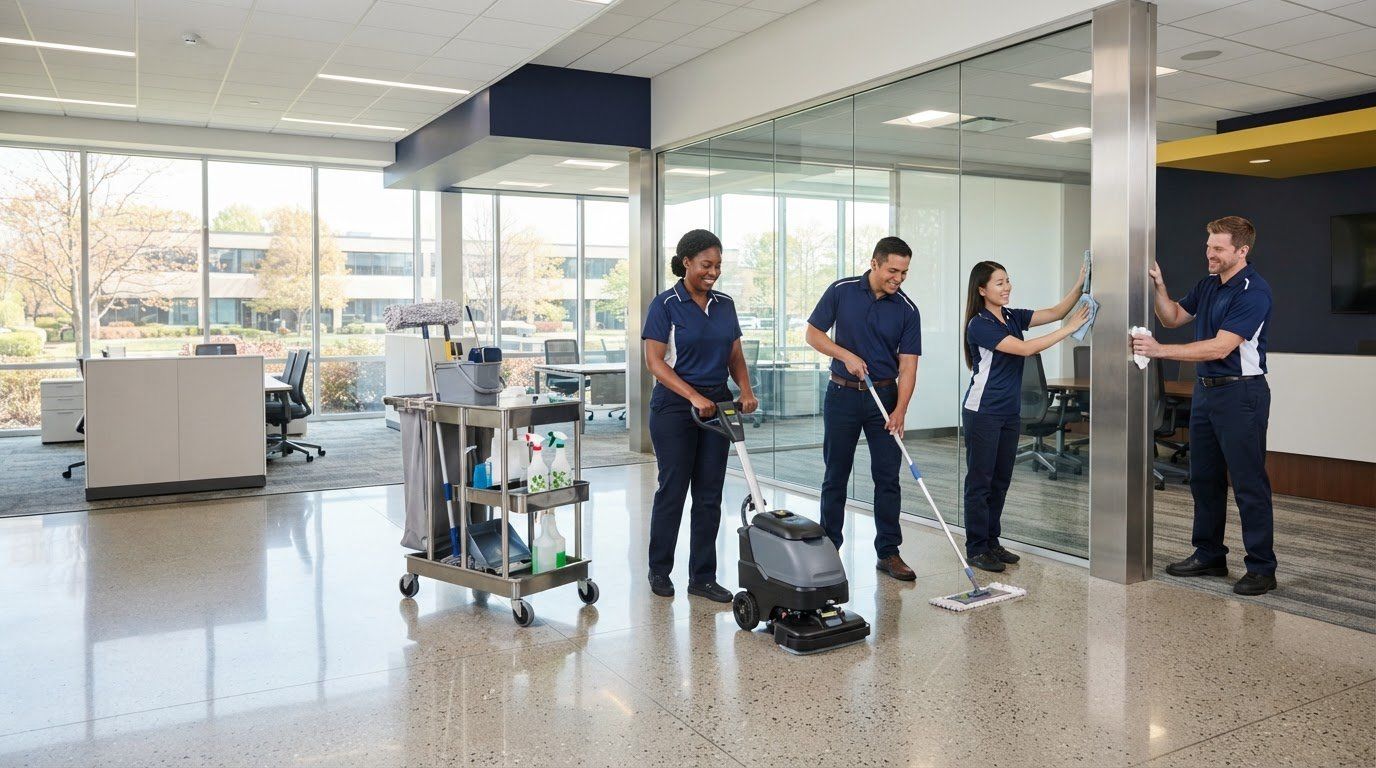
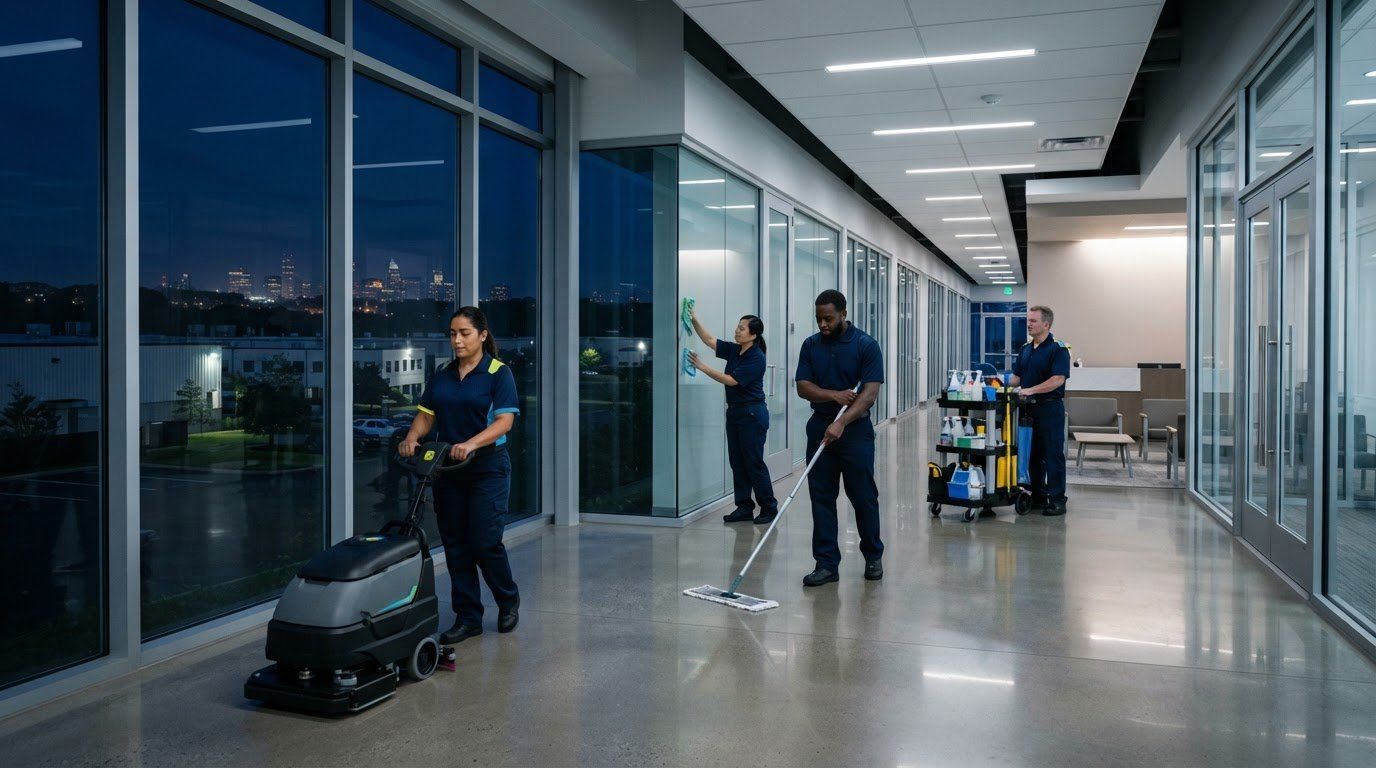
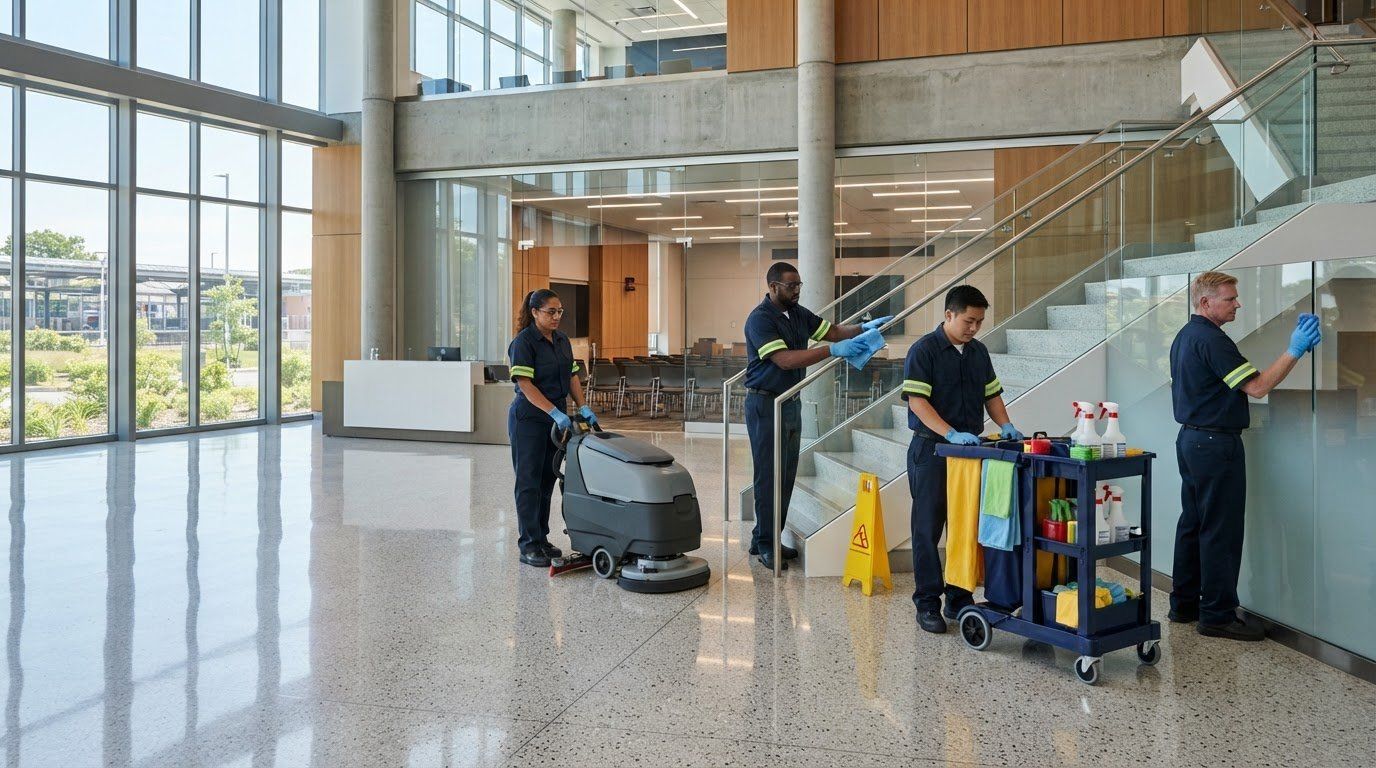
Dusting, mopping, vacuuming, and other seemingly minor tasks are not extremely dangerous. That said, the tools cleaning professionals need to perform these tasks can pose some risks. Workers cannot stay safe without proper protection from chemicals and particles associated with the cleaning process. Commercial cleaning businesses make sure that personal protective equipment is available to workers by providing gloves, masks, and face shields when working on specific cleaning tasks.


Make Sure Workers Are Properly Trained Before Working in High-Risk Areas


Commercial cleaning businesses must adequately train employees before moving into high-risk areas. The training ensures safety for these workers. Without adequate training, it can be challenging for workers to know how to stay safe when working around potentially hazardous machinery, chemicals, or materials. Providing this training is crucial for the company's bottom line.


Use Workforce Management Software


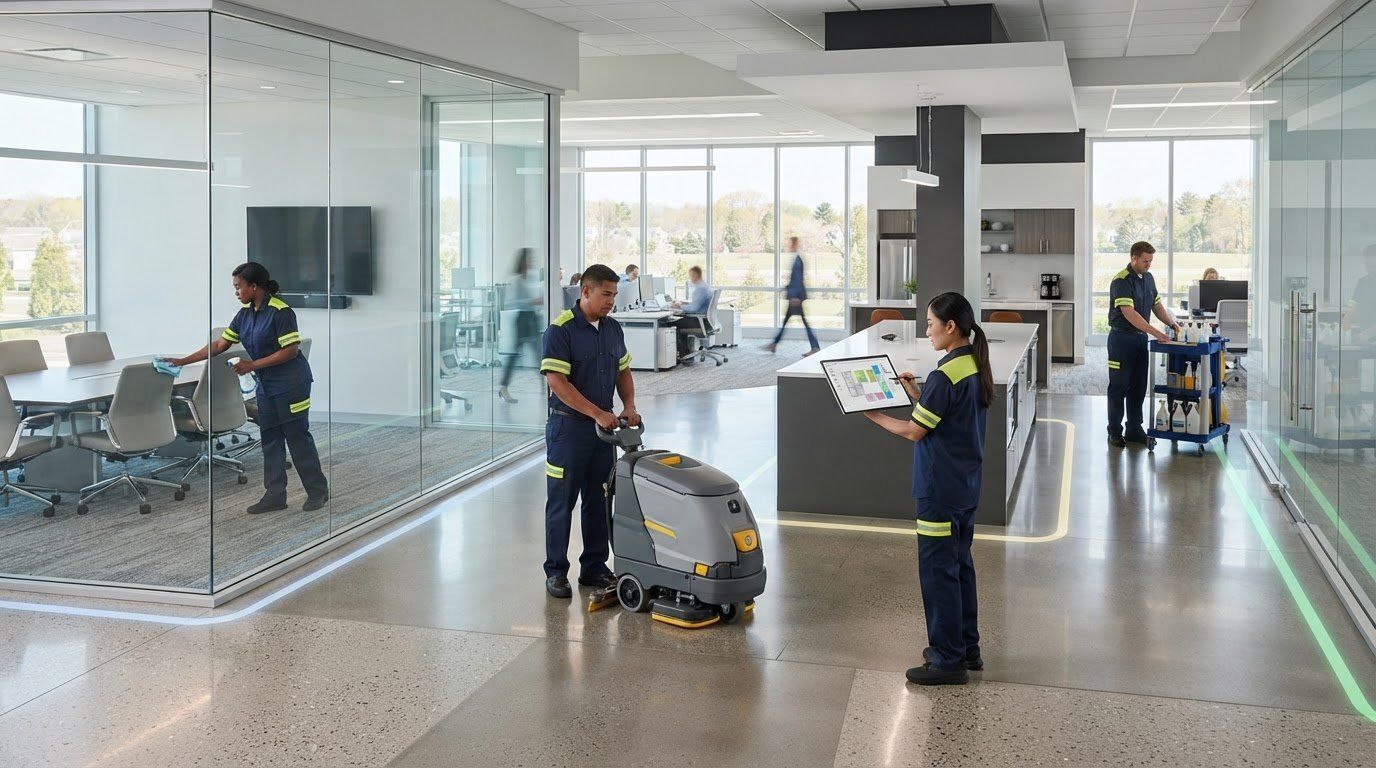
Using workforce management software, commercial cleaning businesses can ensure there are no real or perceived hazards in the building. Software such as this can track everything from chemical storage to potential injuries and everything in between. By using this software, companies have complete control and visibility over their business and the people they employ.


Provide Proper Benefits and Insurance to Workers


In addition to proper training and the provision of PPE, commercial cleaning businesses may provide benefits and insurance. Insurance, such as workers' compensation, can help employees in the event of an injury, while benefits, such as healthcare, can help keep employees healthy. Offering benefits to workers is one of the most crucial parts of keeping workers in good health.


A commercial cleaning company needs to understand the fundamentals of keeping workers safe. Commercial cleaning companies should make sure they provide the proper safety measures. Ignoring safety precautions puts these businesses and their employees as well at risk. Contact us today at Advance Industrial Maintenance to learn more about how our commercial cleaning business keeps workers safe.
By Advance Industrial Maintenance May 22, 2026
A standard price-per-square-foot quote often masks the technical risks that cause commercial project budgets to fail during the final inspection phase. You've likely dealt with unpredictable hidden costs that emerge only after the heavy machinery leaves the site, or perhaps you've faced dust remedia…
By Advance Industrial Maintenance May 21, 2026
What if the only thing standing between your multi-million dollar capital investment and a functional Certificate of Occupancy is a layer of microscopic settling dust? You've managed the project through complex electrification mandates and supply chain shifts, so you know that the final phase is oft…
By Advance Industrial Maintenance May 20, 2026
According to the CDC, approximately 1 in 31 hospital patients is affected by at least one healthcare-associated infection on any given day. For healthcare administrators in Nassau and Suffolk Counties, these data points represent more than just statistics; they signify high-stakes risks to patient s…
By Advance Industrial Maintenance May 19, 2026
A signed Business Associate Agreement is no longer enough to protect your Nassau County medical practice from a six-figure HIPAA violation. As of the May 2026 Security Rule overhaul, the healthcare industry has shifted from addressable safeguards to mandatory technical requirements that apply to eve…
By Advance Industrial Maintenance May 18, 2026
According to the CDC, approximately 1 in 31 hospital patients are affected by healthcare-associated infections on any given day. This statistic highlights why your sanitation protocol must be viewed as a technical requirement for clinical stability rather than a simple aesthetic task. Managing a hea…
By Advance Industrial Maintenance May 17, 2026
A single oversight in your operatory sanitation protocol is more than a cleaning failure; it's a significant regulatory risk that can compromise your entire practice. You likely agree that maintaining a sterile environment is vital for patient safety, yet relying on generic janitorial staff often le…
By Advance Industrial Maintenance May 16, 2026
A law firm's physical office is a direct extension of its professional reputation, and any lapse in presentation or security constitutes a risk to the firm's credibility. Maintaining these high-stakes environments requires more than a generic janitorial service; it demands a partner who understands…
By Advance Industrial Maintenance May 15, 2026
A single slip-and-fall incident on your facility floor can cost your business more than ten years of janitorial service fees if your contractor lacks proper coverage. You've likely felt the pressure of managing complex commercial lease requirements while trying to protect your physical assets from d…
By Advance Industrial Maintenance May 14, 2026
Reliability in facility maintenance isn't a personality trait of a good worker; it's the output of a rigorous logistical framework designed to survive a 12.8% regional vacancy rate and rising labor costs. You've likely experienced the frustration of service ghosting or seen standards decline as soon…
By Advance Industrial Maintenance May 13, 2026
Is your commercial cleaning vendor a strategic asset for your facility, or are they a $165,514 liability waiting to trigger an OSHA citation? With the November 20, 2026 deadline for updated workplace labels and HazCom training fast approaching, an incompetent provider does more than leave streaks on…