Commercial Carpet Cleaning Costs in Suffolk County: 2026 Budgeting Guide
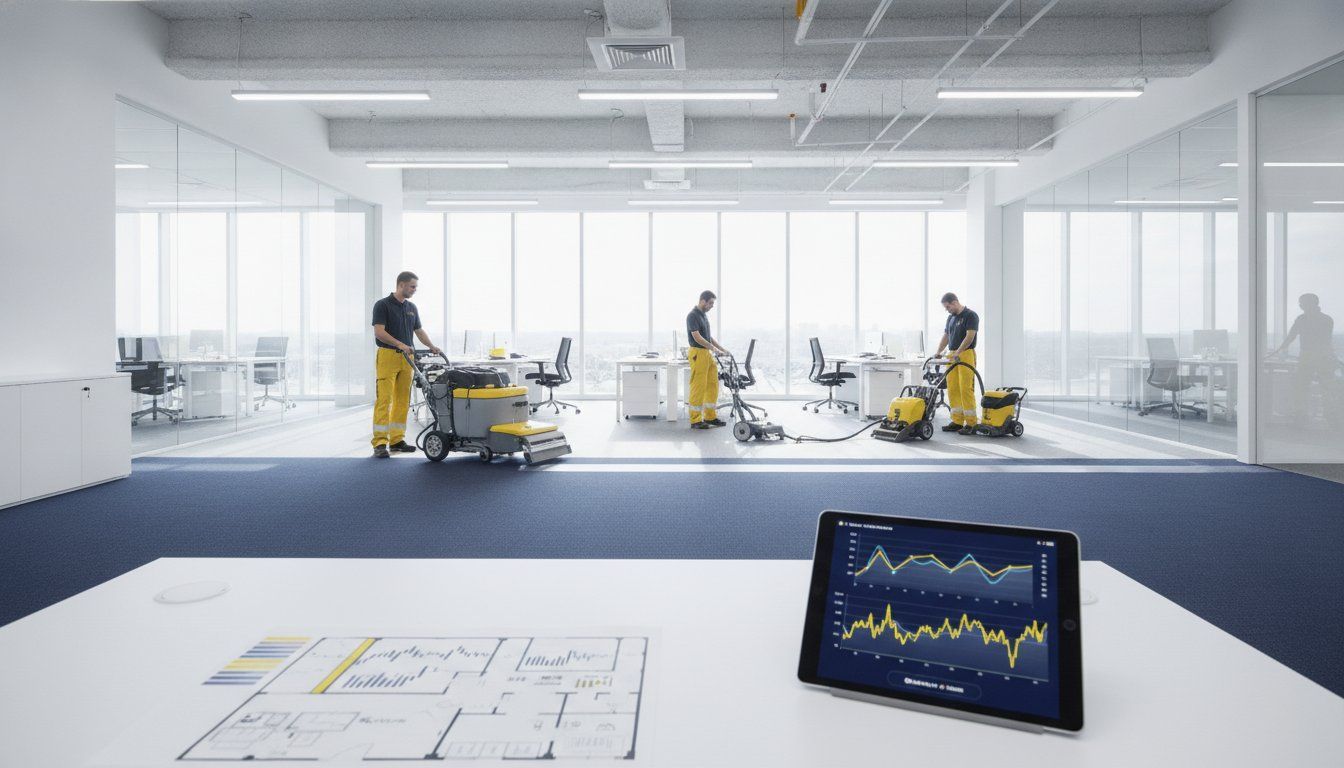
The lowest bid on your 2026 maintenance RFP might actually be the most expensive line item in your facility's long-term budget. When procurement focuses solely on the initial quote, it often overlooks the hidden expenses of rapid re-soiling and premature fiber degradation. We understand that managing commercial carpet cleaning costs Suffolk County requires more than a simple price-per-square-foot calculation. It demands a strategic approach to asset preservation where reliability and technical precision take precedence over low-margin shortcuts.
You likely face the frustration of inconsistent results and unexpected downtime that disrupts your daily operations. Commercial Cleaning Services Advance Industrial Maintenance provides the industrial strength and stability needed to navigate these complex variables. This guide provides a technical breakdown of the pricing factors necessary to optimize your 2026 operational budget without sacrificing quality. We'll examine how variables like soil load, square footage economies of scale, and local green initiatives influence professional rates. You'll gain the insight needed to build a dependable maintenance partnership that protects your capital investment and ensures ongoing industrial stability.
Key Takeaways
- Learn why commercial pricing models prioritize precise square footage over room counts to ensure accurate labor allocation for large-scale facilities.
- Understand how facility-specific variables, such as medical-grade sanitation requirements or high furniture density, dictate commercial carpet cleaning costs Suffolk County.
- Discover how a structured maintenance program acts as a capital expenditure deferral by extending the operational life of flooring by five to seven years.
- Identify the technical differences between industrial extraction methods and standard residential cleaning to maintain performance in high-occupancy environments.
- Analyze the correlation between professional deep-extraction cycles and improved indoor air quality to support overall employee health and operational continuity.
Table of Contents
The Framework of Commercial Carpet Cleaning Costs
Accurate budgeting for facility maintenance begins with understanding that commercial pricing models differ fundamentally from residential services. While home cleaners often quote by the room, professional commercial carpet cleaning costs Suffolk County are calculated based on precise square footage. This methodology ensures that labor allocation remains consistent across expansive floor plans. It eliminates the ambiguity of varying room sizes in large office complexes or medical centers. Commercial Cleaning Services Advance Industrial Maintenance leverages over 40 years of operational data to provide these technical estimates, ensuring that procurement managers receive a quote rooted in industrial reality rather than guesswork.
Commercial-grade cleaning is defined as the application of high-heat chemistry and industrial-strength extraction specifically engineered to remove heavy particulate matter from dense synthetic fibers in high-occupancy environments. Larger facilities often benefit from an economy of scale. As the total treatable area increases, the per-unit cost typically decreases because mobilization and setup expenses are distributed across a broader scope of work.
Commercial vs. Residential Service Standards
Technical Methodologies and Equipment Requirements
Choosing the right approach depends on your facility's specific occupancy patterns and fiber types. Various Carpet cleaning methods, such as high-temperature hot water extraction or low-moisture encapsulation, offer distinct advantages for different environments. Hot water extraction provides the deepest possible sanitation for high-traffic corridors. Conversely, encapsulation allows for rapid production rates and minimal drying times. Utilizing advanced equipment reduces operational downtime, ensuring your team remains productive while we maintain the facility's infrastructure.
Variables Influencing Square Footage Rates in Suffolk County
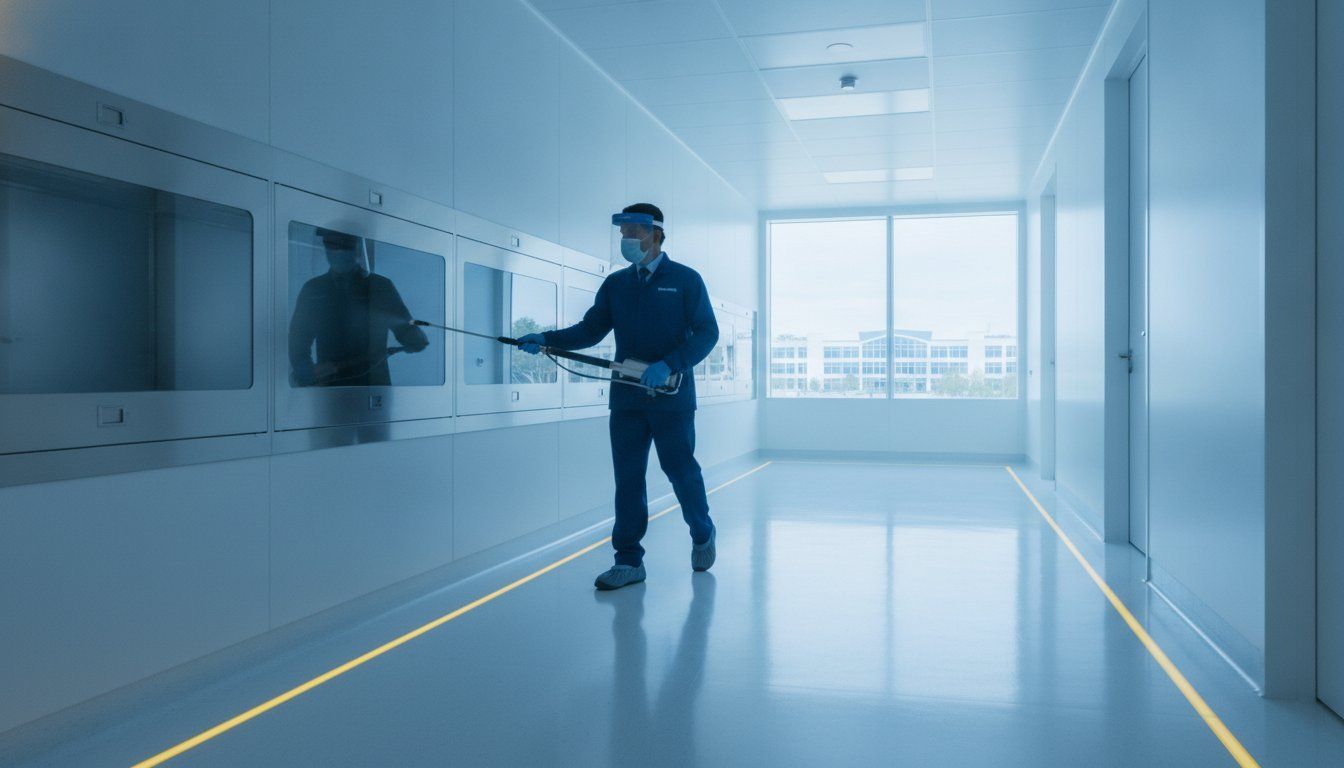
Budgeting for commercial carpet cleaning costs Suffolk County requires a granular analysis of facility-specific variables. Unlike residential environments, industrial spaces present diverse soil loads and architectural constraints that dictate labor intensity. For instance, medical facilities in Hauppauge or Melville require rigorous healthcare-grade sanitation protocols, whereas a standard climate-controlled warehouse focuses primarily on dust mitigation. These operational requirements directly shift the technical scope and the resources required for the project.
Furniture density remains a critical determinant of production efficiency. Open-concept office layouts allow for rapid extraction cycles, maximizing the square footage covered per hour. Conversely, cubicle-heavy environments or dense call centers necessitate significant manual detail work, which increases total labor hours. Understanding Pricing and Production Rates helps facility managers correlate their floor plan complexity with actual service estimates. If your facility utilizes specialized flooring, it's often beneficial to consult with an industrial specialist who understands the specific needs of Long Island businesses.
Fiber type and installation methods also influence the technical approach. Glue-down commercial carpets require different chemistry and moisture control compared to modular carpet tiles. Our Bohemia-based operations allow for efficient mobilization across the Long Island commercial corridors, minimizing travel-related overhead for local clients. This proximity ensures that our team can respond quickly to the logistical needs of Suffolk County office parks.
Key Factors Driving Service Estimates
Primary cost drivers include total square footage, required frequency, and the technical difficulty of the environment. Most Suffolk County facilities choose between project-based specialty cleaning and recurring maintenance contracts. Project-based work often addresses specific issues like post-construction cleanup, while recurring models provide a predictable baseline for operational stability and long-term fiber protection. Selecting the right model depends on your internal procurement goals and the expected traffic volume of the facility.
Frequency and High-Traffic Area Analysis
Regular maintenance cycles prevent the "ugly-out" effect where carpets appear soiled beyond recovery. Quarterly deep extraction in high-traffic zones, such as lobbies and main corridors, reduces the overall labor required during annual whole-facility cleanings. This targeted approach ensures that the most visible areas of your building maintain a high standard of hygiene without inflating the total annual spend. Consistent maintenance cycles are the most effective way to manage long-term costs while preserving the professional appearance of your corporate infrastructure.

Optimizing Facility Budgets through Professional Maintenance
Strategic budgeting views commercial carpet cleaning costs Suffolk County as a capital expenditure deferral rather than a simple recurring expense. Professional maintenance cycles can extend the operational life of commercial flooring by five to seven years. This longevity directly impacts the bottom line by delaying the high costs of total material replacement and the associated installation downtime. Beyond asset preservation, high-performance extraction removes sub-micron allergens and particulate matter, which significantly improves indoor air quality (IAQ). For facilities in corporate hubs like Melville and Hauppauge, maintaining floors to ISSA Clean Standards reinforces brand authority and professional stability when hosting visiting stakeholders.
Long-Term Asset Protection and Liability
Most commercial carpets "ugly out" due to soil accumulation and fiber matting long before the materials actually wear out. Technical maintenance prevents this premature aesthetic failure by removing the abrasive grit that shears carpet fibers. Utilizing professional staff also mitigates liability risks associated with improper chemical usage or moisture management during floor care projects. Our team acts as a seasoned partner in your operations, ensuring that all specialty cleaning tasks adhere to rigorous safety protocols and performance benchmarks.
Selecting a Strategic Maintenance Partner
Securing Operational Stability through Technical Maintenance
Managing your facility's infrastructure requires a shift from reactive cleaning to strategic asset management. We've examined how commercial carpet cleaning costs Suffolk County are dictated by technical variables like soil load and production rates. By prioritizing industrial-strength extraction and consistent maintenance cycles, you protect your flooring investment while maintaining the high hygiene standards expected in medical and corporate environments. These proactive measures ensure your facility remains a stabilized environment for ongoing industrial success.
Advance Industrial Maintenance provides the stability and technical authority required for complex facility management. With over 40 years of Long Island experience and a specialized focus on medical and office environments, our Bohemia-based team serves as a dependable extension of your procurement staff. We invite you to Request a Professional Site Evaluation from Advance Industrial Maintenance to ensure your 2026 budget is optimized for precision and performance. Your facility deserves the reliability of a seasoned partner dedicated to long-term operational success.
Frequently Asked Questions
How much does commercial carpet cleaning typically cost per square foot in Suffolk County?
Rates for professional service are determined by the total square footage, the density of the carpet fiber, and the current soil load of the facility. Factors such as furniture density and the technical difficulty of the layout influence the final calculation for commercial carpet cleaning costs Suffolk County . Larger industrial spaces often benefit from economies of scale, where the per-unit price decreases as the total treatable area increases.
Is there a minimum charge for small commercial office spaces in Long Island?
Most industrial providers implement a minimum mobilization fee to cover the logistical costs of transporting specialized equipment and professional staff. This standard practice ensures that small-scale projects receive the same level of technical precision and reliability as large corporate campuses. These fees account for setup time and the industrial-strength resources required to maintain professional standards in any size workspace.
Do medical facilities require specialized carpet cleaning methods compared to standard offices?
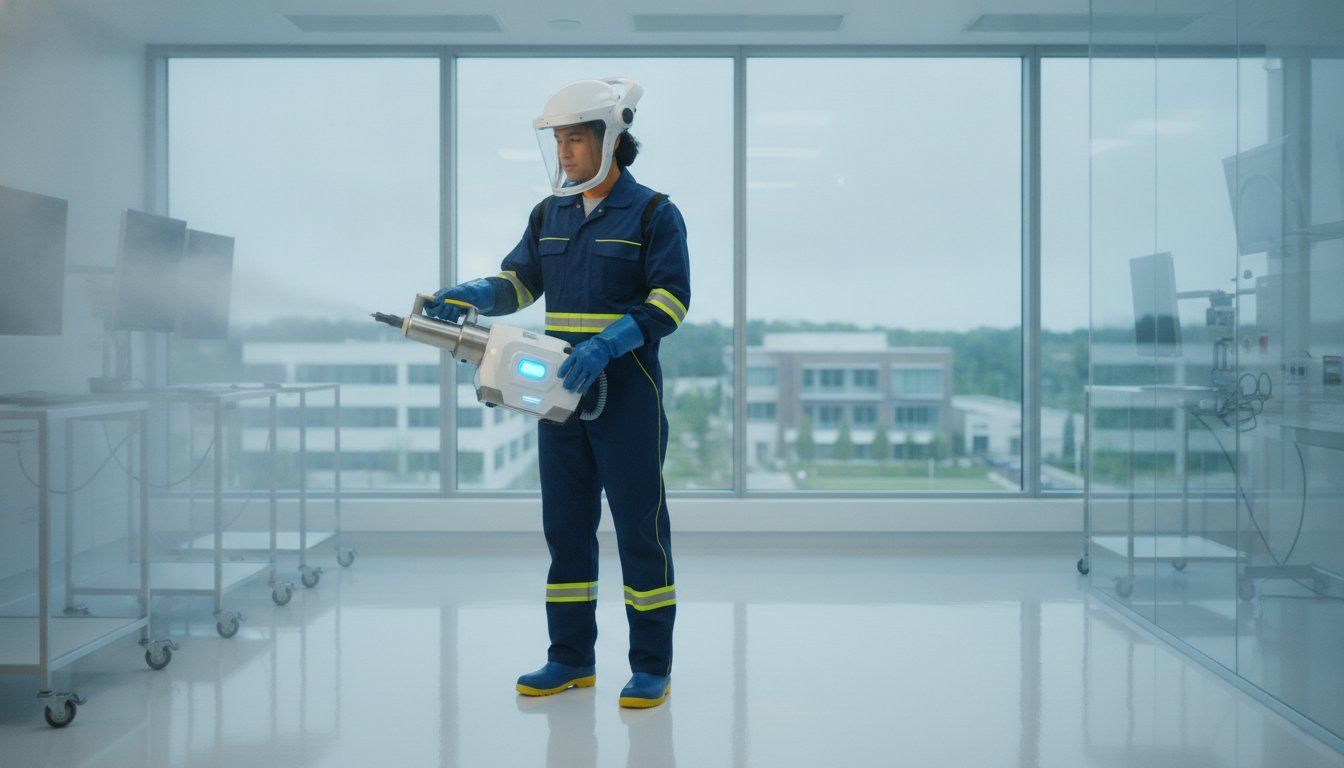
Medical facility cleaning demands advanced high-heat extraction and specific disinfection protocols to manage bio-contaminants and maintain sterile environments. Unlike standard office cleaning, healthcare settings require adherence to rigorous sanitation benchmarks to ensure patient safety and regulatory compliance. We utilize specialized equipment engineered for these high-stakes environments to provide a level of sanitation that standard residential-grade methods can't achieve.
What is the most cost-effective frequency for commercial carpet maintenance?
A tiered maintenance schedule featuring quarterly extraction in high-traffic zones and an annual whole-facility deep cleaning provides the highest return on investment. This proactive frequency prevents soil from abrading the carpet fibers, which can extend the life of your flooring by five to seven years. It is a pragmatic strategy that stabilizes your maintenance budget by avoiding the emergency costs associated with premature material failure or "uglying out."