Office Cleaning for Long Island Property Showings
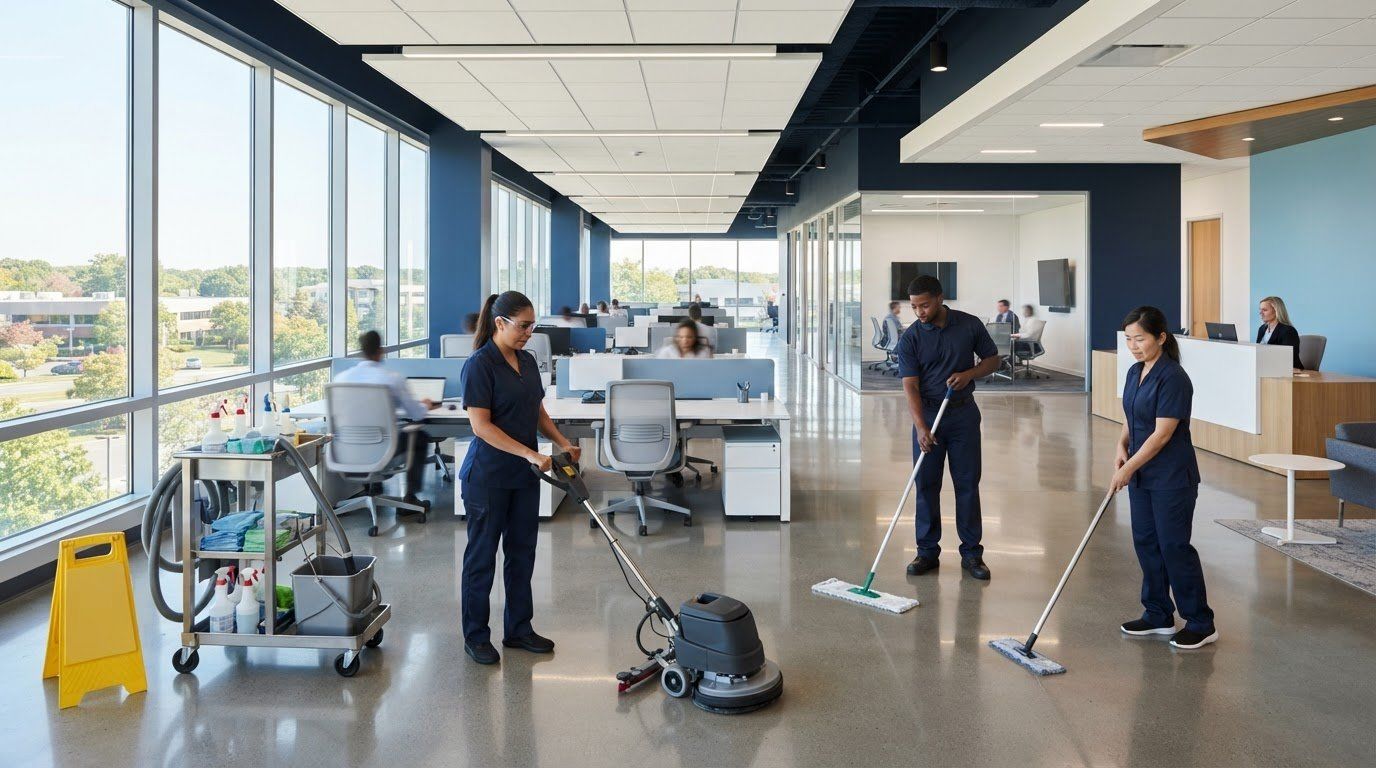
Dust, floor marks, and fingerprints can distract from an office’s layout during a showing. Office cleaning for property showings can include dusting surfaces, vacuuming carpets, mopping hard floors, and disinfecting frequently touched areas. The work can also cover tidying shared spaces and preparing conference rooms so visitors can focus on the property.
A showing-ready office needs a clear cleaning scope matched to the space, not unnecessary extras. This guide covers tasks to consider, how to prioritize rooms before a showing, and what shapes the service plan. It also explains how ongoing office maintenance and focused floor or window cleaning can help keep a space presentable between appointments.
Key Takeaways
- Set a clear showing-day scope that prioritizes visitor-facing areas, shared spaces, and conference rooms.
- Match cleaning frequency and task coverage to office use, floor types, and the condition of the space.
- Coordinate dusting, surface disinfection, vacuuming, and mopping so each area receives the right treatment.
- Use office cleaning and targeted floor or window services to prepare the property for scheduled showings.
Table of Contents
Office cleaning tasks and service scope
Set the scope around visitor routes, visible surfaces, and the rooms included in each showing. A written checklist helps keep recurring cleaning aligned with changing property needs.
Cleaning Frequency and Service Scope
Set a schedule around office use, occupancy, and showing dates. A lightly used suite may need different attention from a busy reception area with frequent visitors. List each space and task, such as dusting desks, vacuuming carpet, mopping hard floors, and cleaning glass. Arrange focused cleaning before a showing if the regular schedule leaves visible marks.
Cleaner Experience and Services
Look for commercial cleaning experience in occupied offices, including conference rooms and shared spaces. Match the service scope to the interior: routine surface care is different from floor treatment or detailed window cleaning. Review written task lists and proof of insurance, and confirm that the scope covers the rooms visitors will see, not only general maintenance.
Cleaning Time and Task Order
Cleaning time varies with floor area, soil, furnishings, occupancy, and the requested tasks. Start with reception and the route visitors will follow, then clean conference rooms and other offices. Work from high surfaces down, collecting dust before vacuuming or mopping. This order helps prevent debris from settling on cleaned floors. Allow floors to dry before visitors arrive.
Kitchens, Restrooms, and Reception Areas
In kitchens, clear waste, wipe counters, and clean appliance exteriors. In restrooms, clean fixtures, mirrors, handles, and floors. Reception areas need tidy surfaces, clean glass, and unobstructed walkways. Choose products labeled for the specific surface and flooring; avoid unapproved chemicals that could damage finishes. Remove odor sources, empty bins, and ventilate where practical. After cleaning, use a checklist to inspect floors, touchpoints, supplies, and lingering odors.
Commercial cleaning for offices and retail spaces
Commercial spaces need cleaning plans shaped by access, foot traffic, and the showing route. An office suite may need attention to desks, meeting rooms, glass, and shared corridors. A retail space may call for a focus on display surfaces, entry glass, customer paths, and fitting rooms. Property managers can map these areas before setting the schedule, keeping turnover work focused on visible conditions rather than treating every room the same way.
Residential and commercial cleaning involve different environments. A home-focused checklist may not account for employee workstations, shared equipment, reception counters, or retail displays. For an office showing, define which surfaces cleaners can access and which materials need specific care. For example, an active tenant desk may need to remain undisturbed, while an empty conference room can receive thorough surface and floor cleaning. Clear access instructions help set expectations.
Choose the commercial cleaning scope according to daily use and showing frequency. A busy entrance may need more attention than a low-traffic storage room, so base the schedule on actual soil, visitor flow, and employee activity. Before each showing, review a checklist covering floors, windows, touchpoints, waste bins, and shared spaces. Record turnover work separately from routine maintenance, such as carpet care after a tenant leaves. Then compare completed tasks with the agreed scope to keep the property consistent from one appointment to the next.
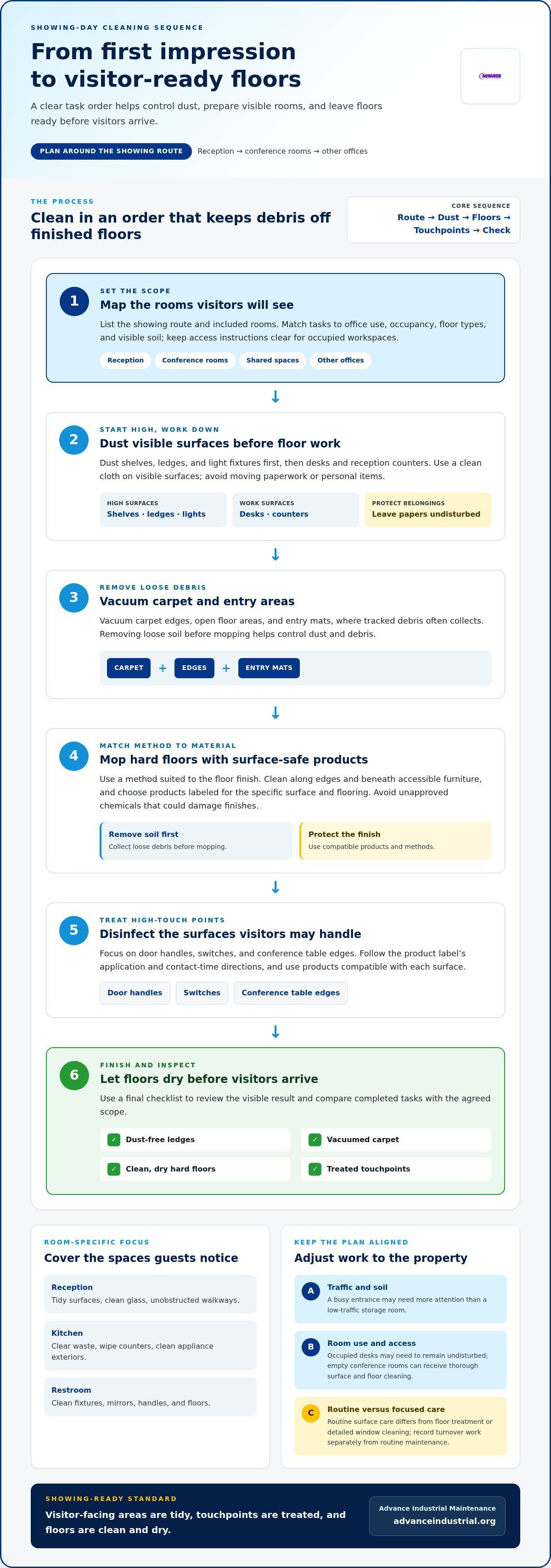
Cleaning tasks including dusting, mopping, disinfecting, and vacuuming
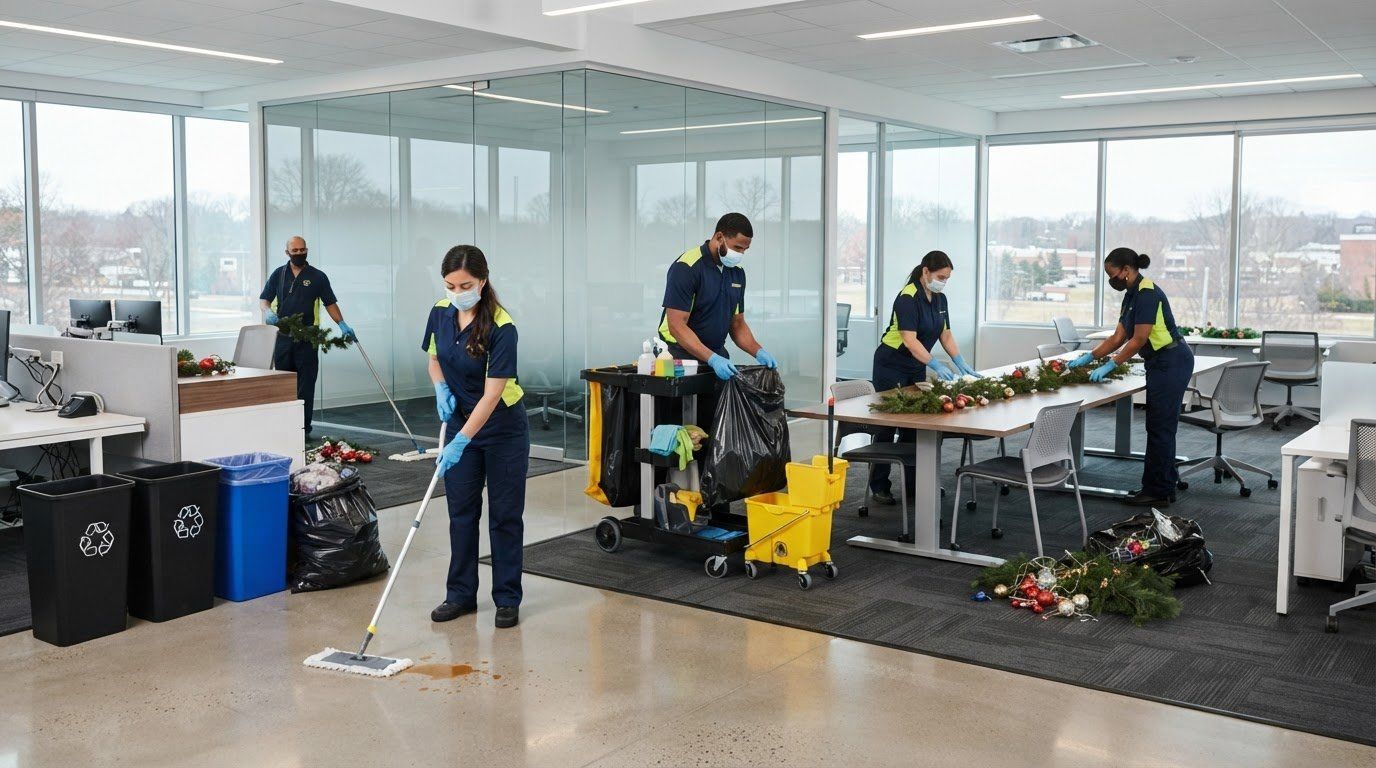
For office cleaning for property showings, sequence tasks to control dust and leave floors ready for visitors. Match the cleaning method to each surface and room.
Dusting and Vacuuming
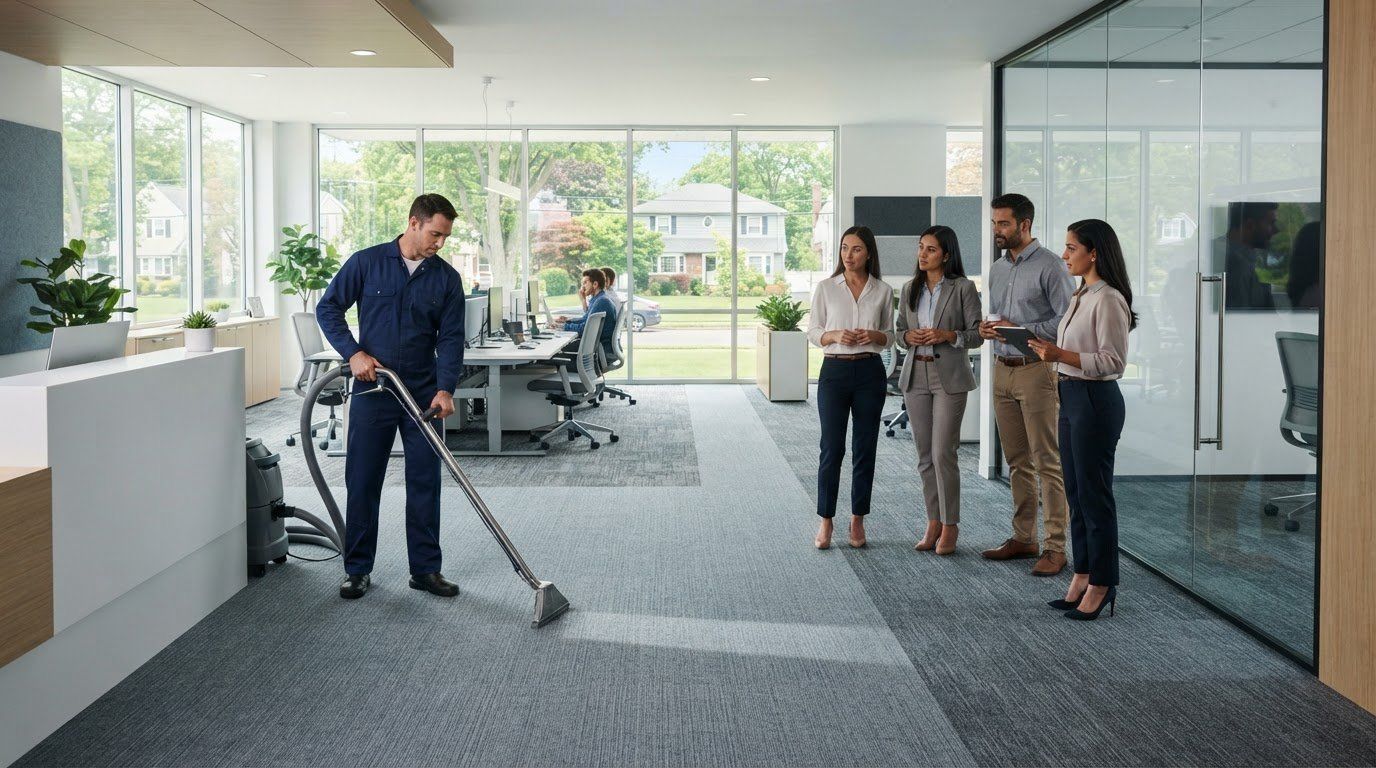
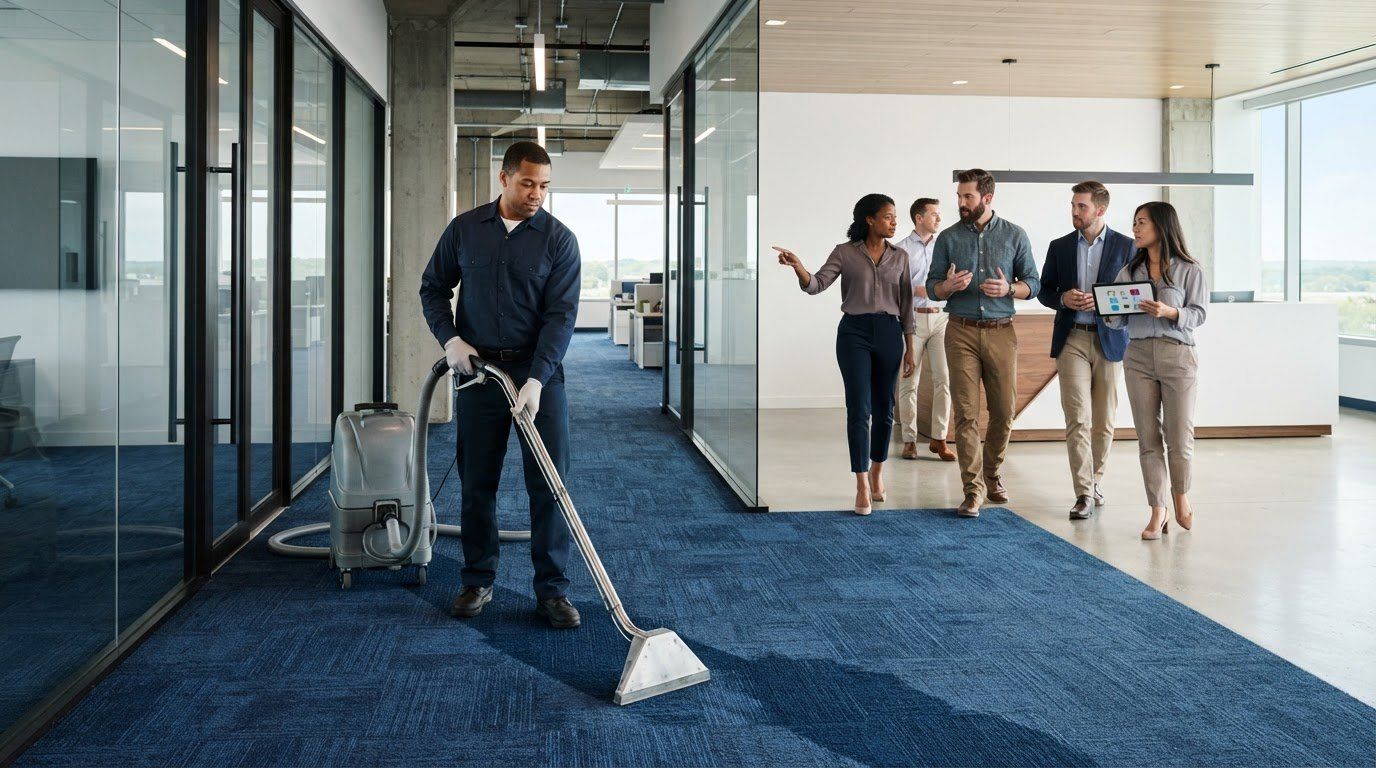
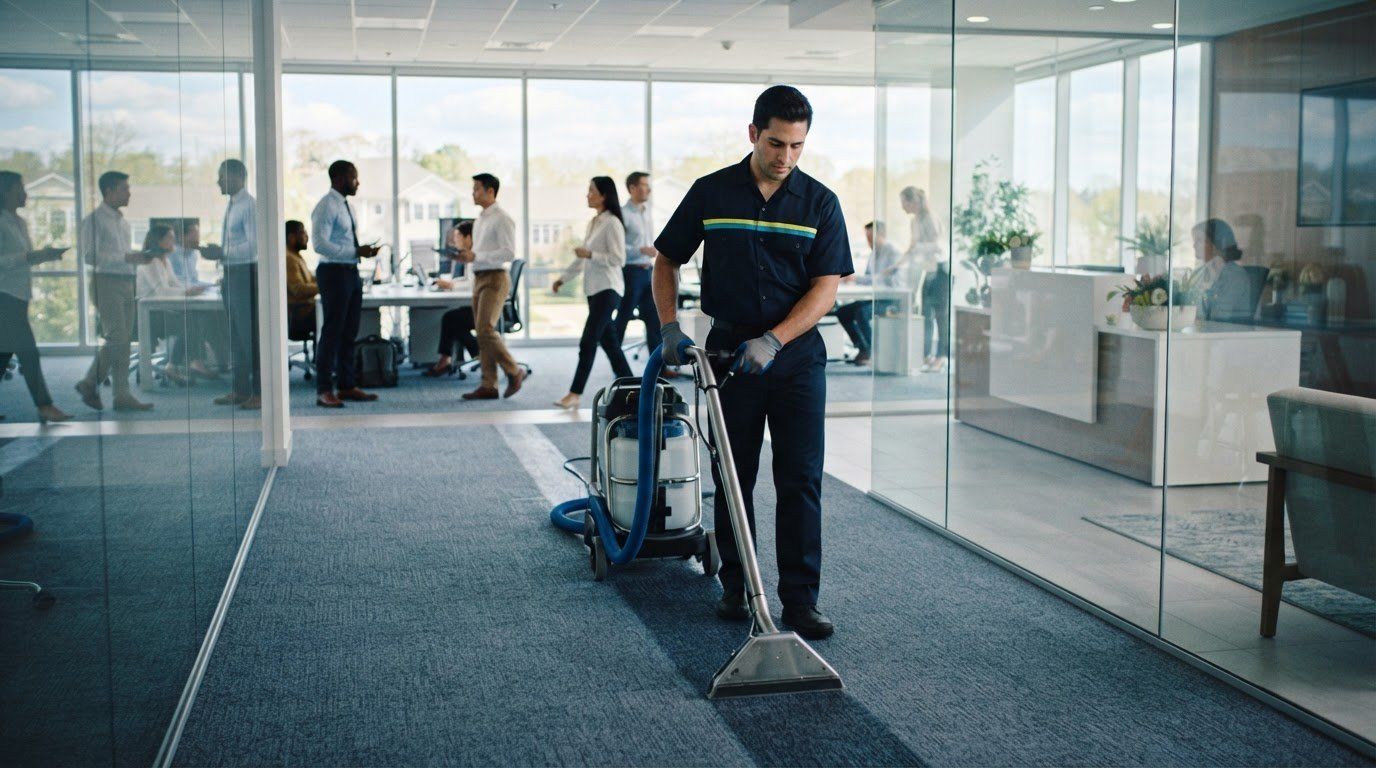
Dust high surfaces first, including shelves, ledges, and light fixtures, then work down to desks and reception counters. Use a clean cloth on visible surfaces, and avoid moving paperwork or personal items. Vacuum carpet edges, open floor areas, and entry mats, where tracked debris often collects. In a medical office or hospital, follow the facility’s established cleaning procedures.
Mopping and Disinfecting
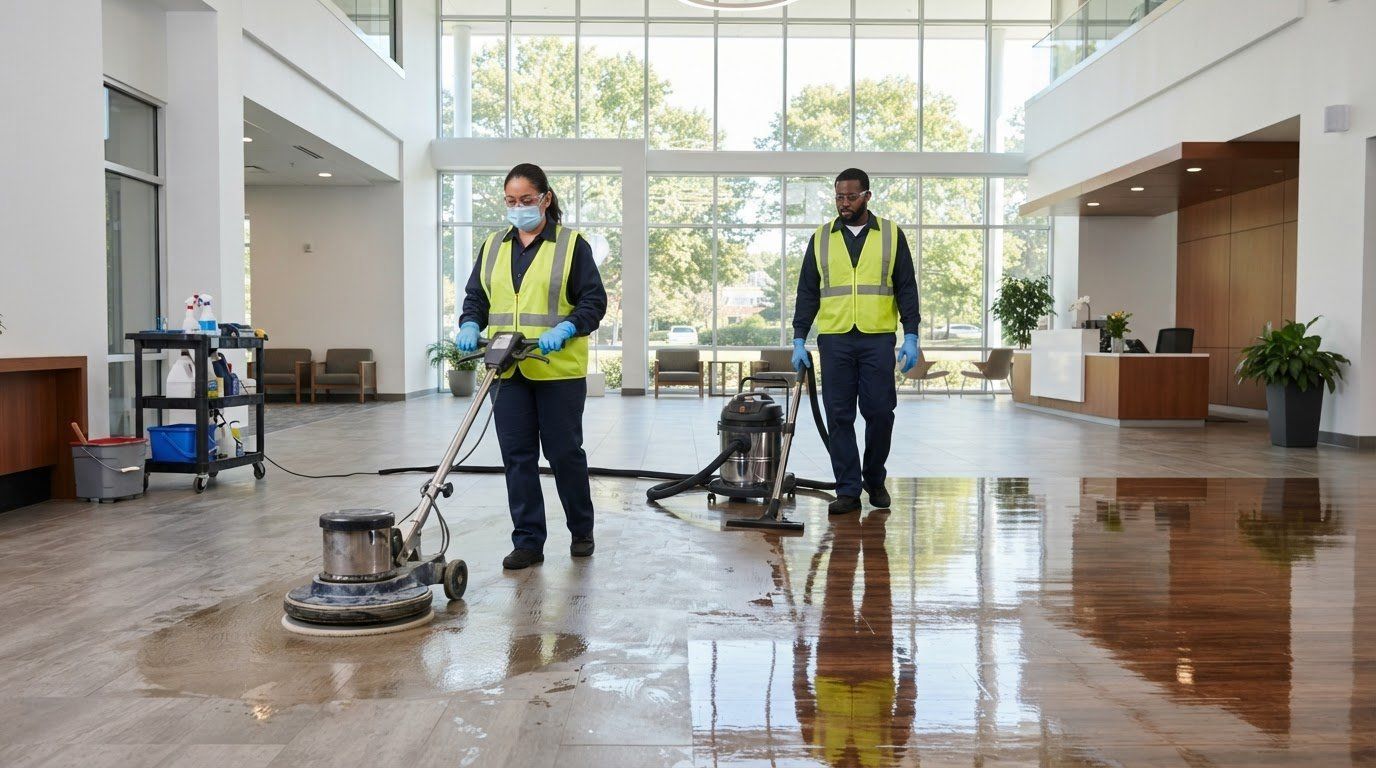
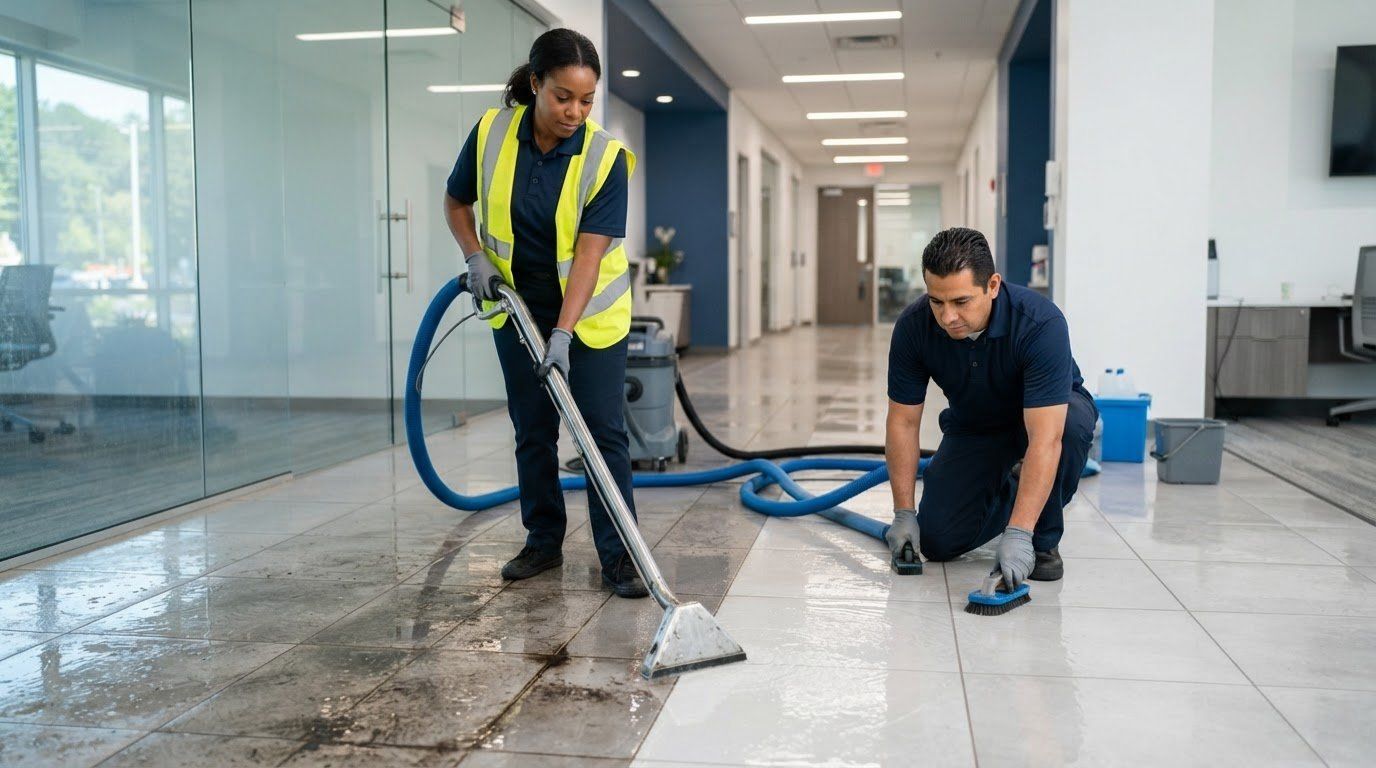
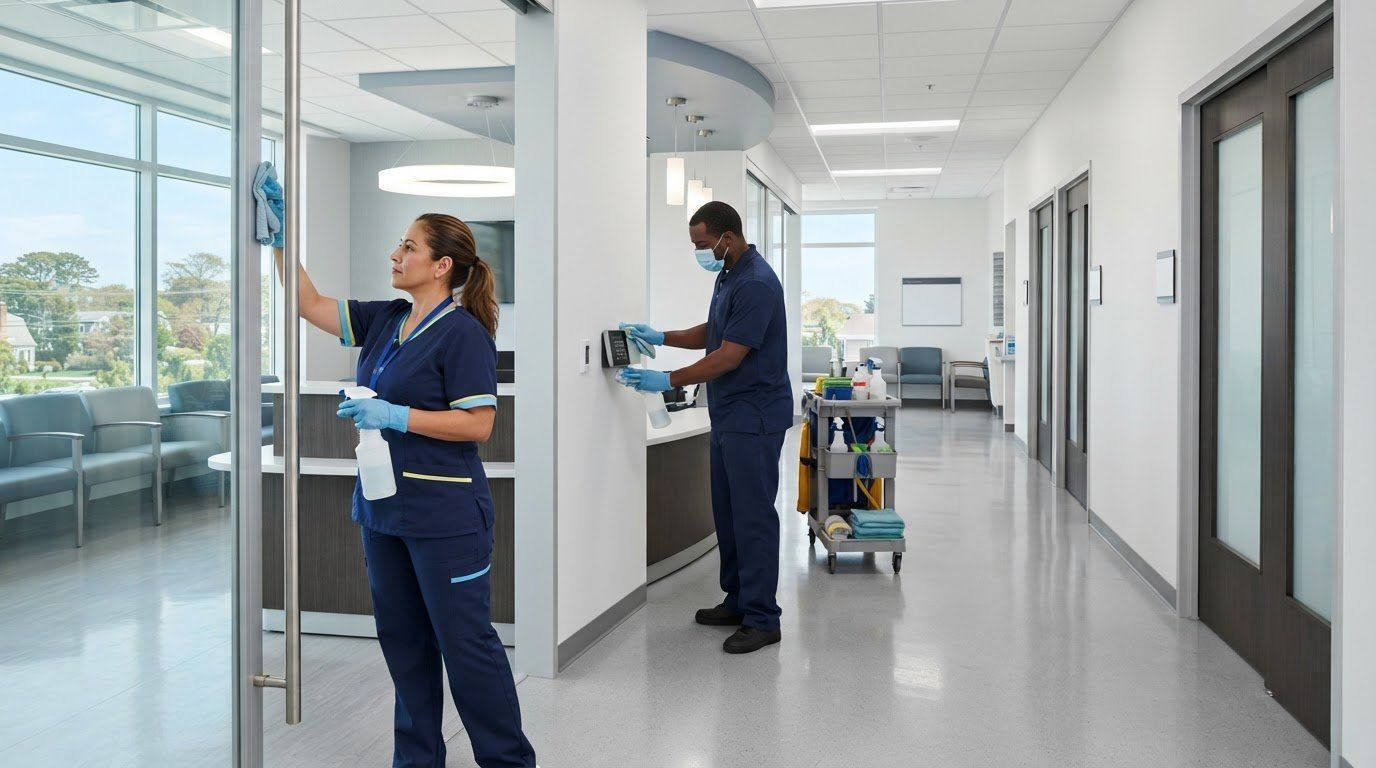
Remove loose soil before mopping, and use a method suited to the floor finish. Clean along edges and beneath accessible furniture, then allow floors to dry before the showing begins. Disinfect high-touch points such as door handles, switches, and conference table edges. Follow the product label’s directions for application and contact time, and use products compatible with each surface.
A consistent checklist helps property managers review the result: dust-free ledges, vacuumed carpet, clean hard floors, and treated touchpoints. Schedule weekly upkeep where it suits the office’s use, then address visible soil before a showing. For a coordinated plan covering surfaces and floors, explore commercial cleaning services and identify the tasks needed for the space.
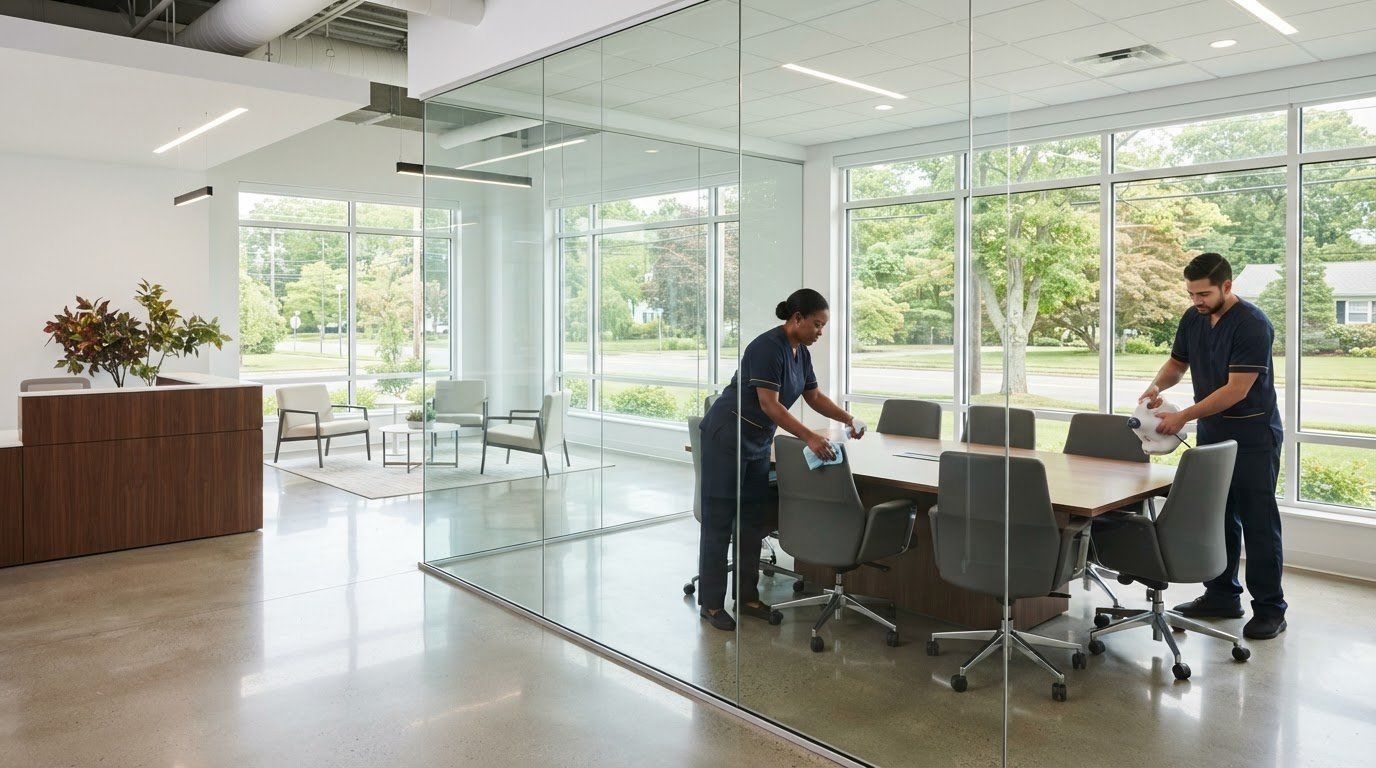
Office cleaning services commonly include conference room preparation. Check visible surfaces and floors, and make sure the room is ready alongside reception and other areas before the showing.
Commercial Cleaning Services Advance Industrial Maintenance: Office Cleaning
Commercial Cleaning Services Advance Industrial Maintenance provides office cleaning for commercial spaces preparing for property showings. Turn to this service when a defined cleaning scope can help keep visitor-facing areas presentable between appointments or during tenant turnover.
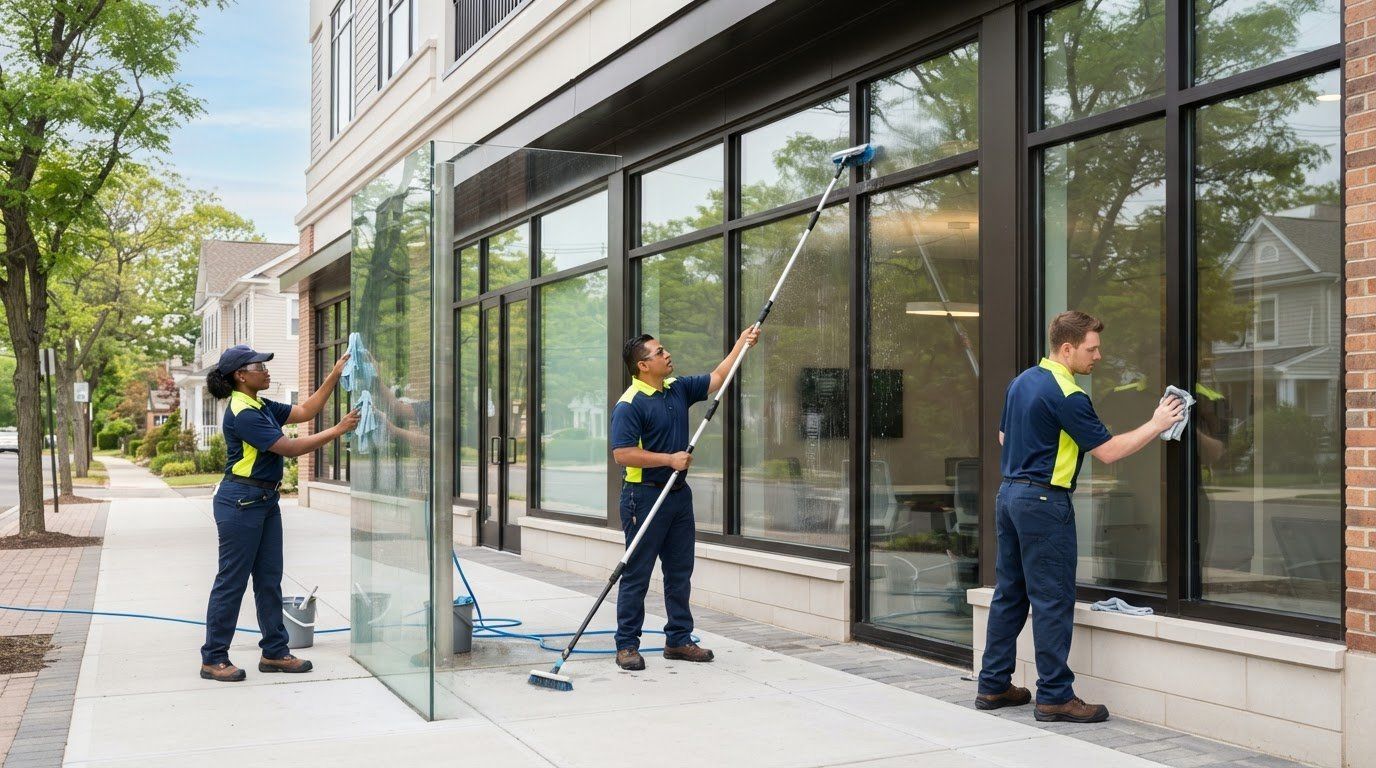
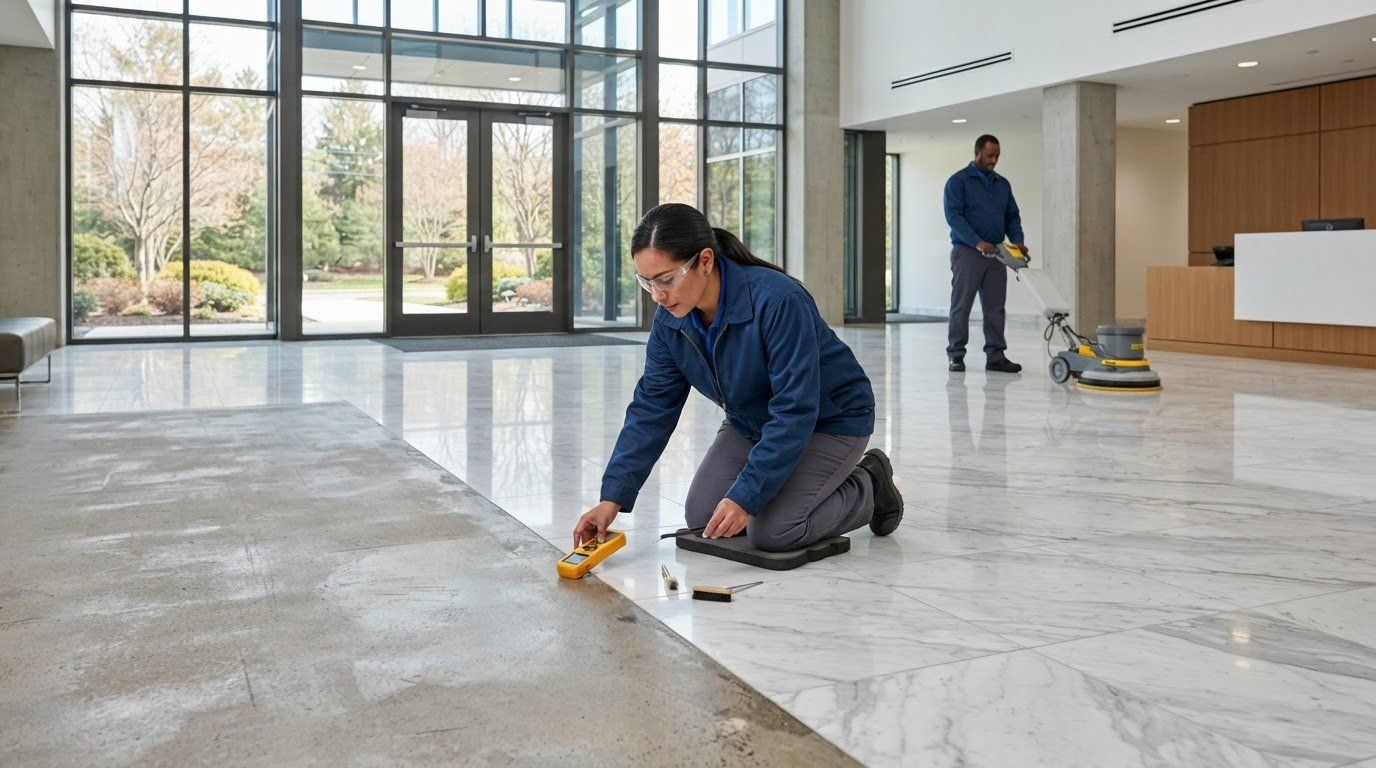
The work can be coordinated with the property’s needs. Office cleaning addresses general workspaces, while window cleaning helps keep glass clear and polished. Floor stripping and waxing can suit floors that need more than routine care. Medical facility cleaning is available for medical office environments.
Share which rooms visitors will see and identify priorities such as floors, windows, or shared areas. This helps shape a cleaning plan around the property and its showing requirements. Contact Commercial Cleaning Services Advance Industrial Maintenance or visit advanceindustrial.org to discuss office cleaning for your property.
Set the Next Showing Up for Success
A property showing is also an opportunity to demonstrate how well the space could support its next use. Build the cleaning plan around the condition you want prospective tenants or buyers to encounter, then adjust the scope as the property changes. A consistent approach to office cleaning for property showings can help present the space professionally without adding unnecessary tasks.
Commercial Cleaning Services Advance Industrial Maintenance offers Office Cleaning, Medical Facility Cleaning, and Floor Stripping and Waxing. These services address routine workspace care, medical environments, and floors that need focused treatment. Matching the work to the property’s needs gives managers a practical way to prepare spaces for viewings.
To discuss a cleaning plan for your property, contact Commercial Cleaning Services Advance Industrial Maintenance. A clear scope can help you move toward the next showing with confidence.
Frequently Asked Questions
What is included in office cleaning?
Office cleaning typically covers routine care of work areas and shared facilities, with tasks set according to how the building is used. For example, the scope may distinguish an empty office from an active workstation where papers and equipment must remain undisturbed. Clarifying access, waste handling, and rooms excluded from service helps prevent disruption during occupancy or property preparation.
What does office cleaning for property showings include?
Office cleaning for a showing focuses on spaces prospective tenants or buyers will evaluate, while following property access instructions. Before the visit, managers can remove personal or confidential materials, confirm that lights and doors work, and identify rooms that should stay closed. For Long Island properties in Suffolk or Nassau County, a showing checklist can also note building-specific visitor access procedures.
Is professional cleaning better than DIY cleaning before an office showing?
Professional cleaning is useful when several rooms need coordinated attention or the floors require specialized care. DIY touch-ups may suit a small, lightly used suite, especially when a manager can inspect it after each visit. Decide based on available staff time, the space’s condition, and whether specialized equipment or detailed floor treatment is needed.
How often should a vacant office be cleaned while it is listed for lease or sale?
Less busy offices may need cleaning weekly or biweekly, depending on dust, foot traffic, and showing activity. Reassess the schedule after open houses, contractor visits, or periods when doors and windows stay open. A vacant suite with little activity may need less frequent routine service, while repeated visits can make more regular upkeep practical.