Office Cleaning in New York: Costs by Size and Service Scope
Square footage is only the starting point for office cleaning in New York: cost depends on the facility’s size, cleaning frequency, and service scope. The price depends on the specific site and is provided after a quote request. After-hours and 24/7 coverage are distinct scheduling requirements, not automatic assumptions.
It’s reasonable to want a clear budget and a cleaning plan that fits daily operations. This article explains how office size and requested tasks shape a service scope, how janitorial maintenance can be arranged, and what to consider when planning service hours. You’ll also learn where office cleaning is available and how to assess whether a plan suits your building. Use these practical considerations to plan consistent upkeep with minimal disruption to work.
Key Takeaways
- Map the service area around your building’s location and access needs to understand how coverage affects scheduling.
- Set janitorial tasks and cleaning frequency around office use, then distinguish routine upkeep from periodic deep cleaning.
- Assess a cleaning plan by square footage, service scope, and frequency rather than relying on size alone.
- Define the hours that minimize disruption, and match specialized needs such as floor care or window cleaning to the service scope.
Table of Contents
Service coverage across Manhattan, Brooklyn, Queens, and the tri-state area
For this service, the practical coverage area is Long Island, including Nassau County and Suffolk County. Businesses in those counties can map each facility address, entry process, and cleaning priority before setting a service scope. Manhattan, Brooklyn, and Queens are outside this stated local coverage area.
Commercial cleaning plans can address offices and specialized environments, including healthcare and medical facilities. Education, government, and retail sites have different room uses and access needs, so document restricted areas, flooring, and cleaning priorities. For New York City facilities beyond Long Island, confirm that the service area fits before planning work.
GPS-verified service records and digital inspections can help track attendance and completed tasks when a provider uses those tools. Ask for a clear inspection record showing which areas were reviewed and any access issues. This makes follow-up more specific than a general completion note.
To choose a licensed and insured cleaning company, review applicable licensing details and current insurance documentation. There is no single NYC company that is best-rated for every facility; compare recent reviews relevant to the service and building type.
Commercial cleaning, waste handling, and building access follow applicable rules and property procedures. Before service, share building access instructions, waste-sorting procedures, and restricted-area details.
Prepare the office by securing confidential records, clearing work surfaces, and identifying rooms that should remain untouched. To avoid misunderstandings about added work, define included tasks, access conditions, and approval procedures in the written scope.
Janitorial cleaning and maintenance for commercial office buildings
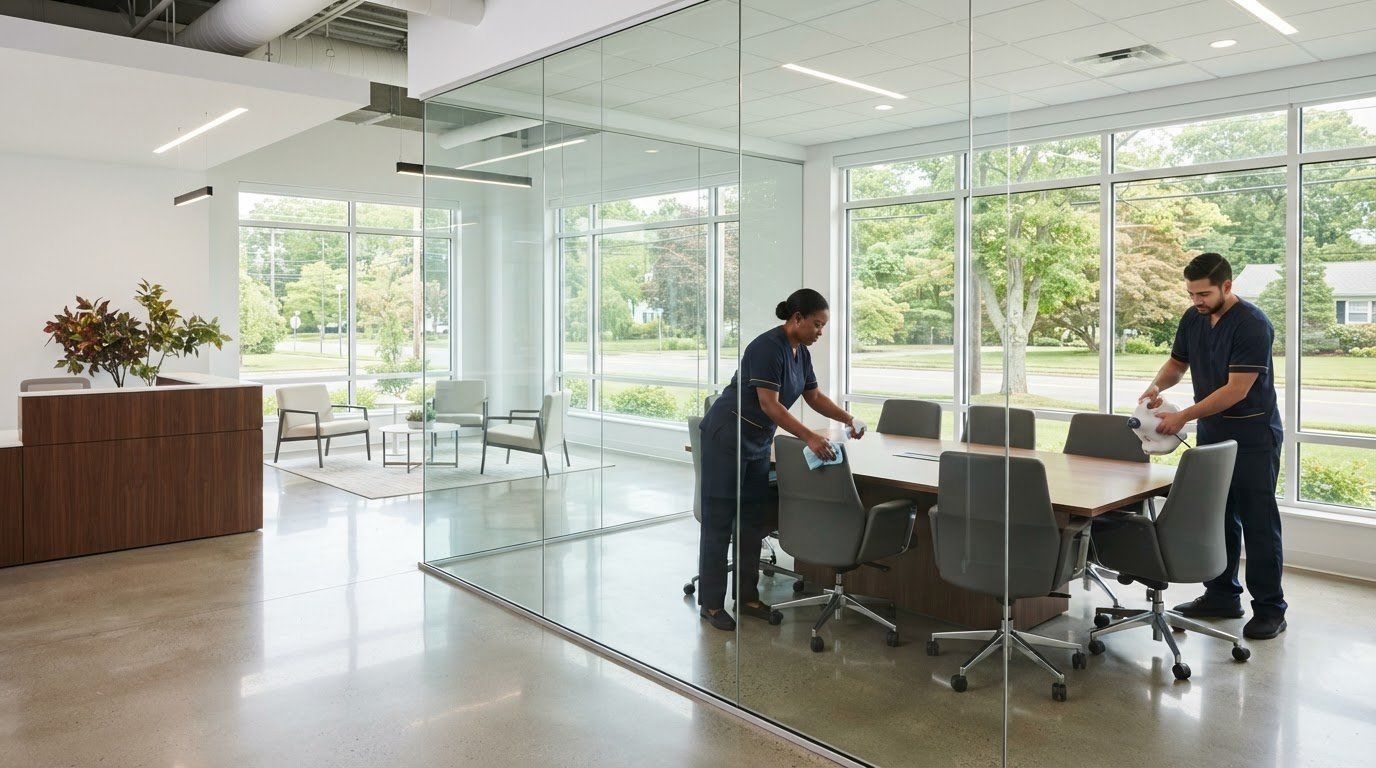
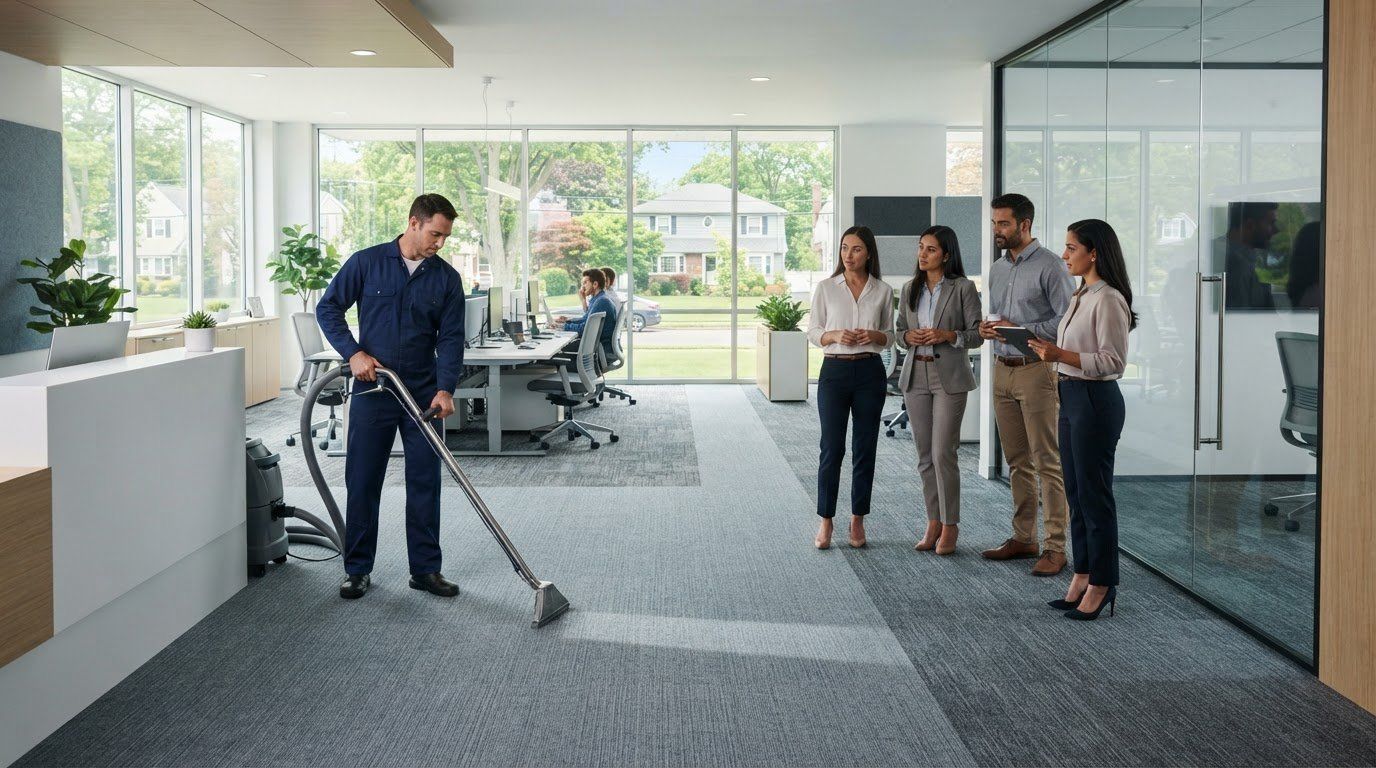
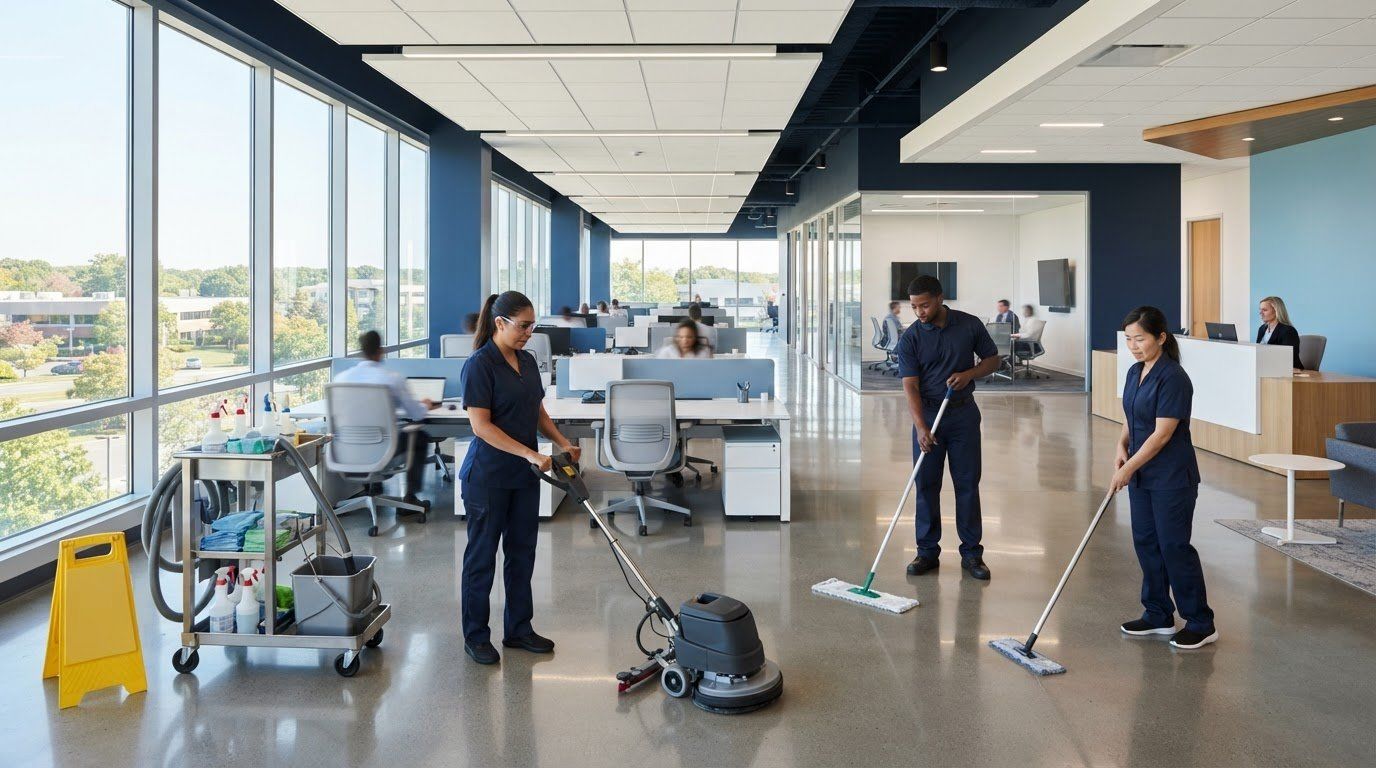
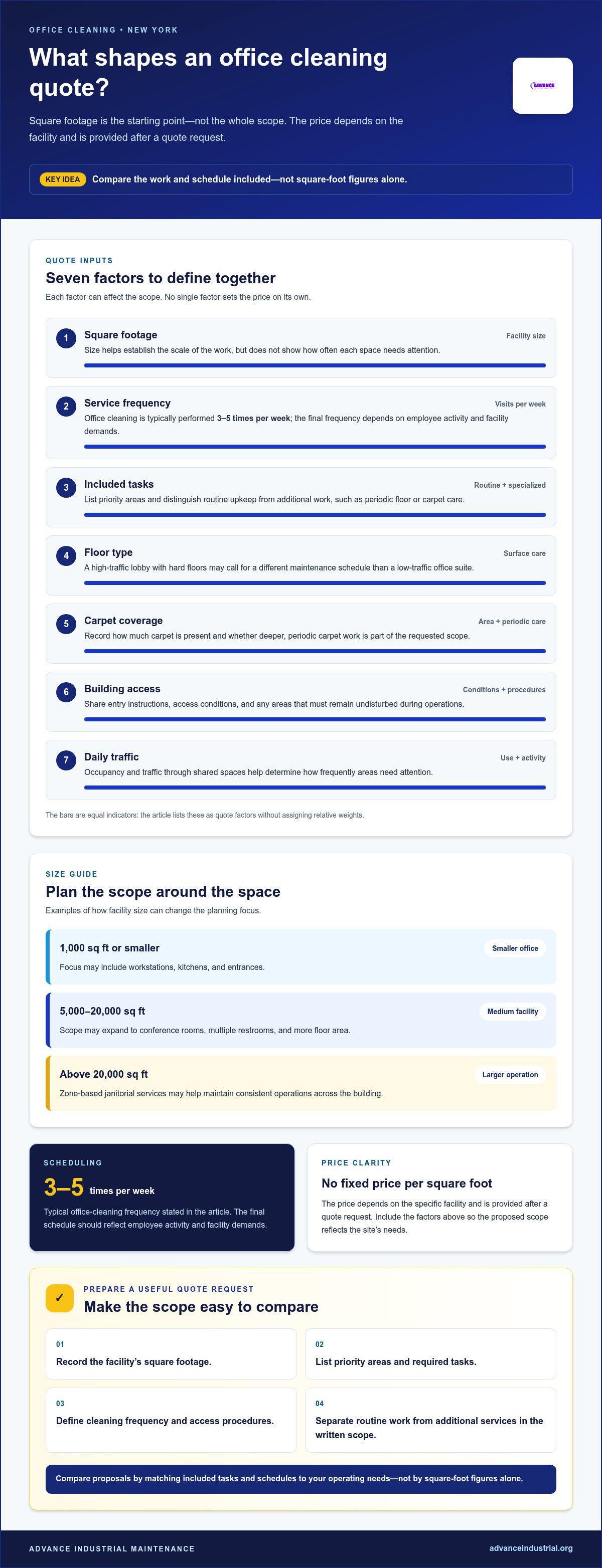
A janitorial program keeps shared areas functional between periodic deep-cleaning tasks. Set a service schedule around occupancy, meeting-room use, restrooms, and kitchen traffic. Office cleaning is typically performed 3-5 times per week, with the final frequency shaped by employee activity and facility demands.
Build the scope by zone. A Manhattan office building may need daily attention in lobbies and restrooms, plus scheduled care for desks, floors, and glass. Assign clear task ownership, approved access procedures, and an inspection process. These practices help managers track completion without interrupting employees.
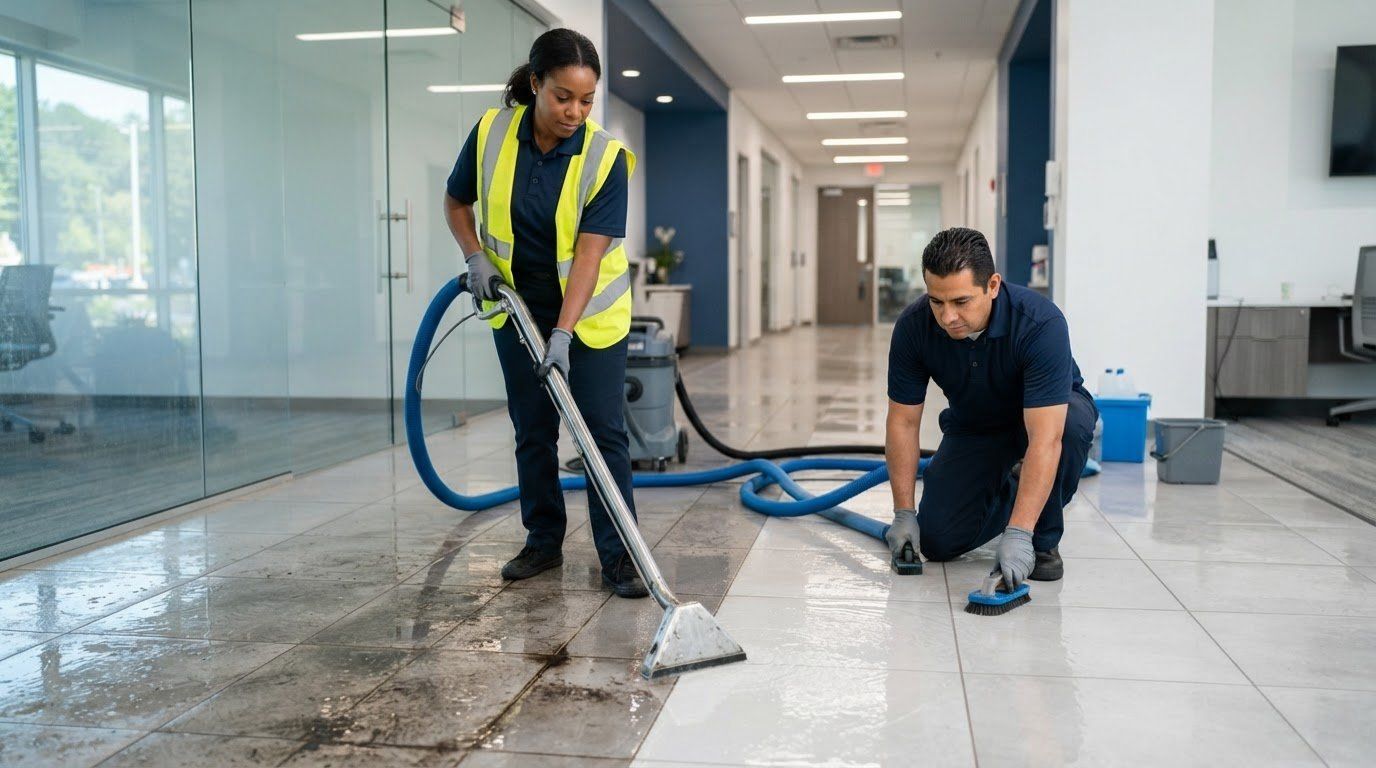
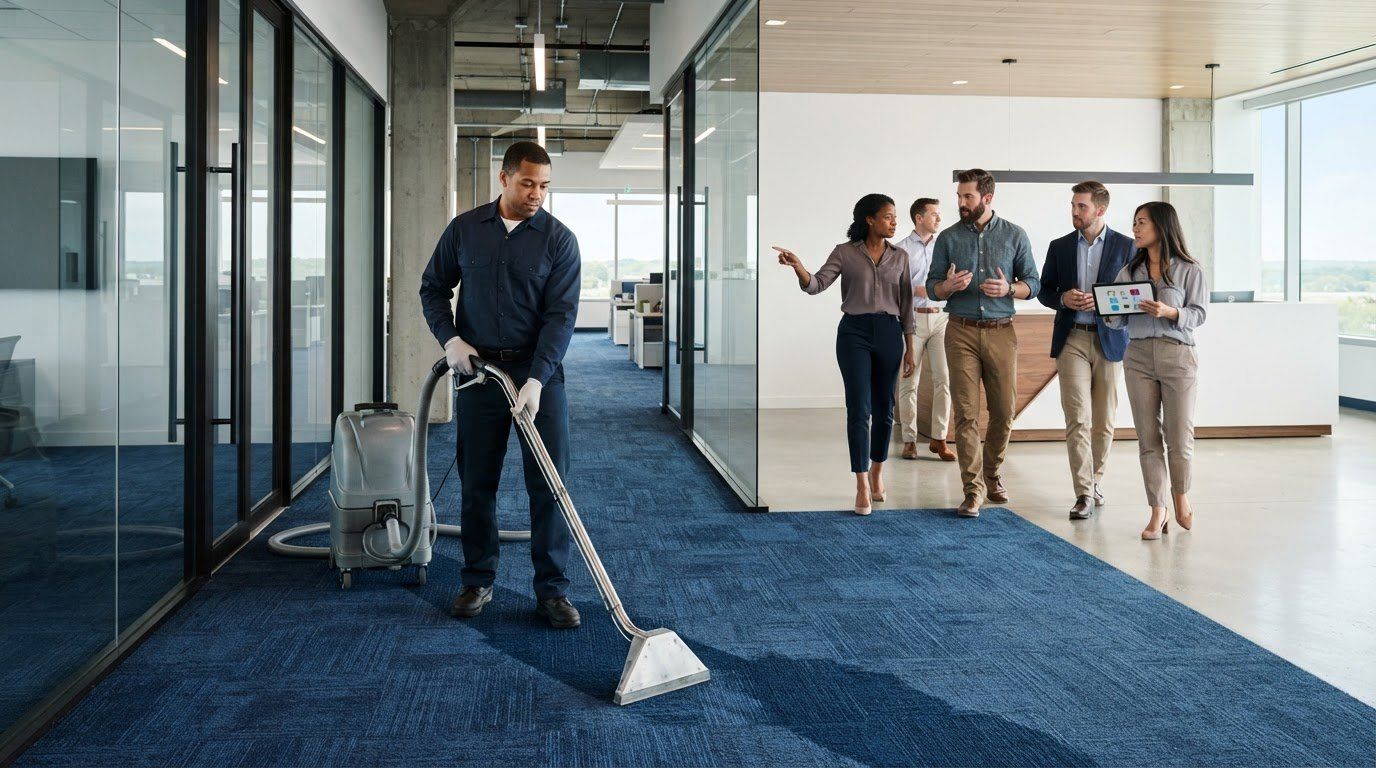
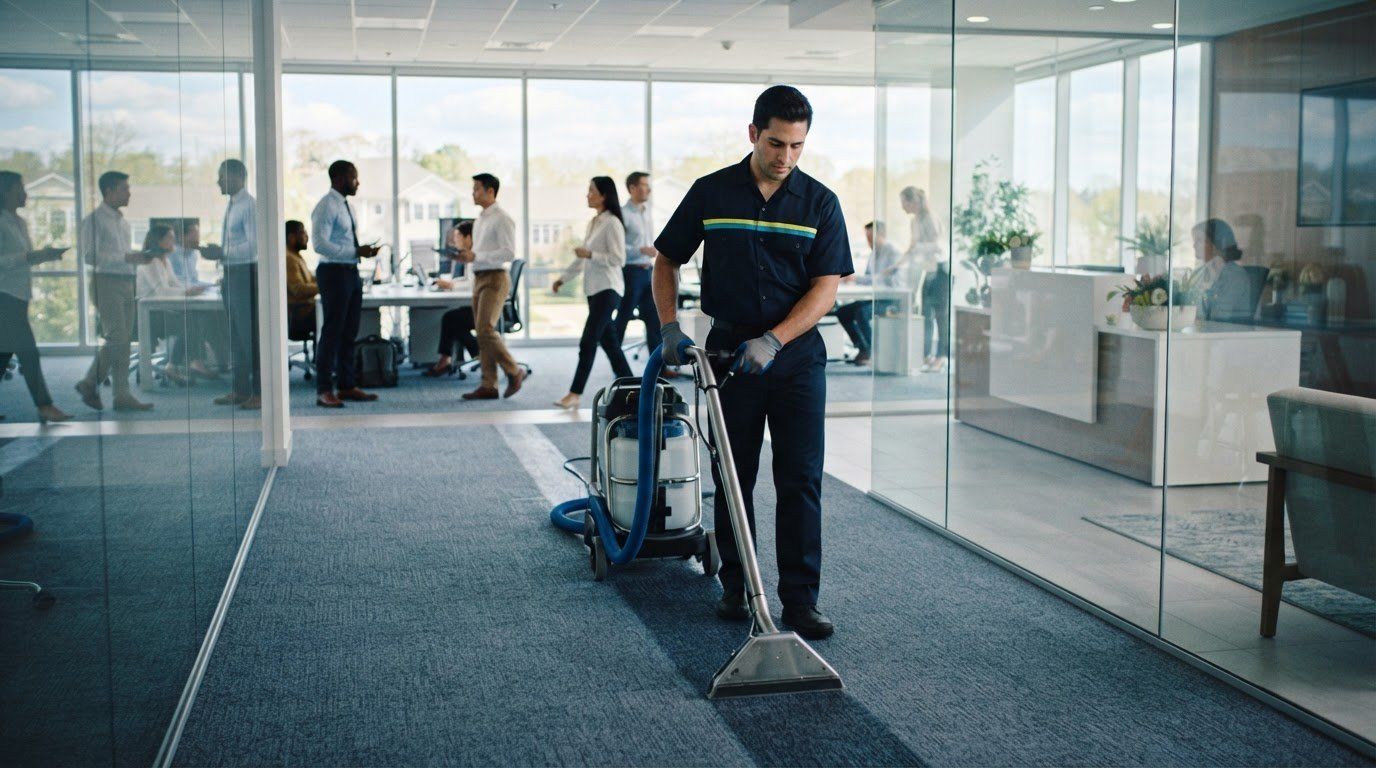
Cleaning products and methods depend on the surface and task. Routine work commonly uses cloths, mops, vacuums, and surface cleaners, while specialized floor or carpet methods address deeper soil. Reusable materials can reduce disposable supply use where appropriate; follow product directions and site procedures.
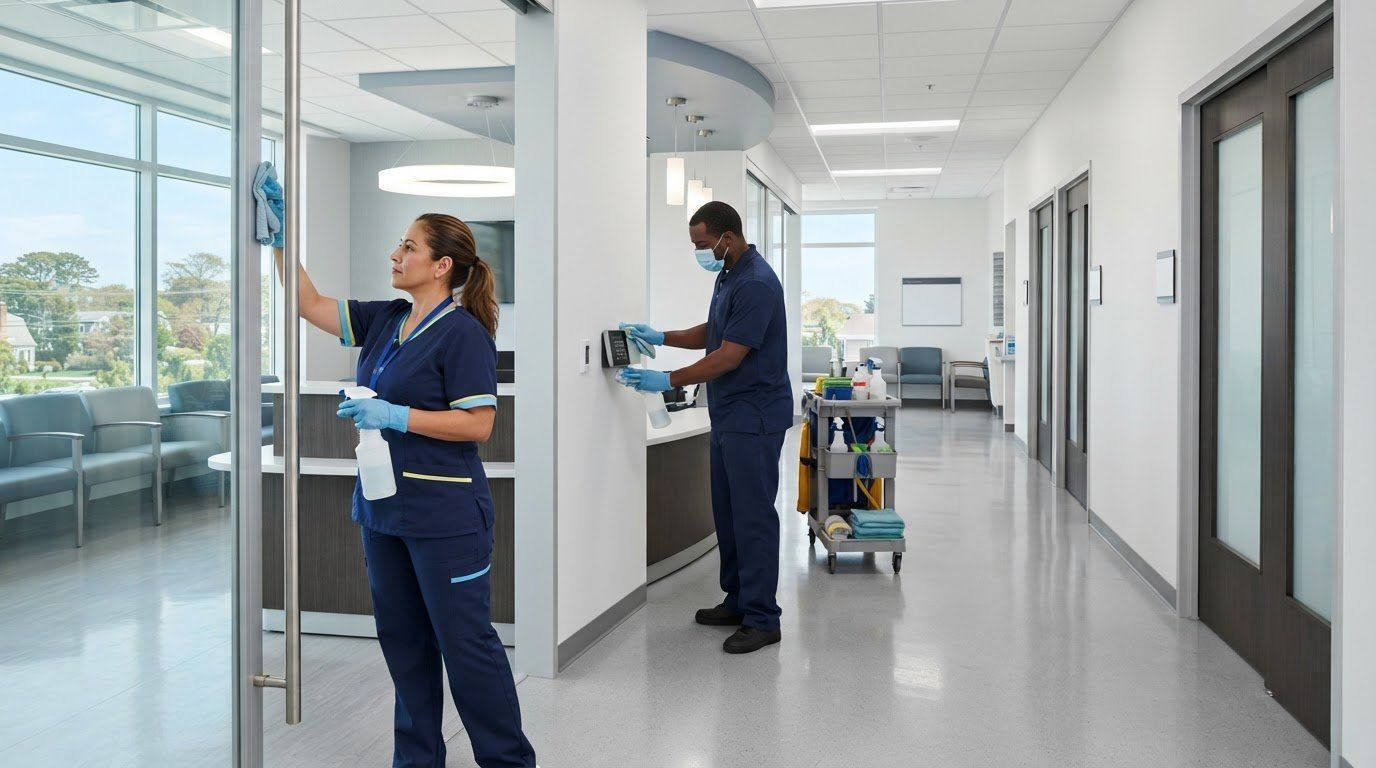
Different industries need different cleaning scopes. Healthcare areas may require focused disinfection, while education facilities may prioritize classrooms and shared touchpoints. Government offices often need controlled access and clearly defined cleaning zones. Before work begins, document the building layout, priority areas, service frequency, and inspection expectations.
Commercial cleaning costs depend on square footage, visit frequency, floor and carpet care, access conditions, and included tasks. Define these factors in a quote request so the proposed scope and price reflect the facility’s needs. For ongoing maintenance, use a written task schedule and review completed work against it.
Office cleaning costs by square foot and facility size
Square footage gives a useful starting point for budgeting office cleaning in New York, but it doesn’t set the full scope. A facility of 1,000 square feet or smaller has different staffing and task demands than a 5,000- to 20,000-square-foot operation. Larger spaces also require planning for traffic flow, restrooms, shared areas, and access.
Use size bands to organize your requirements. A small office may need attention focused on workstations, kitchens, and entrances. A medium facility may add conference rooms, multiple restrooms, and more floor area. A building above 20,000 square feet may need zone-based janitorial services to keep operations running consistently. Square footage alone won’t show how frequently those spaces need cleaning.
The price depends on the facility and is provided after a quote request. Key cost factors include square footage, service frequency, included tasks, floor type, carpet coverage, building access, and daily traffic. A busy lobby with hard floors, for example, may need a different maintenance schedule from a low-traffic office suite. Periodic floor or carpet work also affects the scope.
To prepare a useful quote request, record the facility’s square footage, list priority areas, and define the required cleaning frequency. Note access procedures and any areas that must remain undisturbed during operations. Compare proposals by matching included tasks and schedules, not square-foot figures alone. Request a written scope that separates routine work from additional services, then align it with your operating needs.
Commercial Cleaning Services Advance Industrial Maintenance: Office Cleaning
Commercial Cleaning Services Advance Industrial Maintenance provides office cleaning for businesses that need a defined maintenance scope and dependable facility upkeep. Turn to the team when cleaning needs to fit work schedules, shared spaces, and the condition of floors and windows.
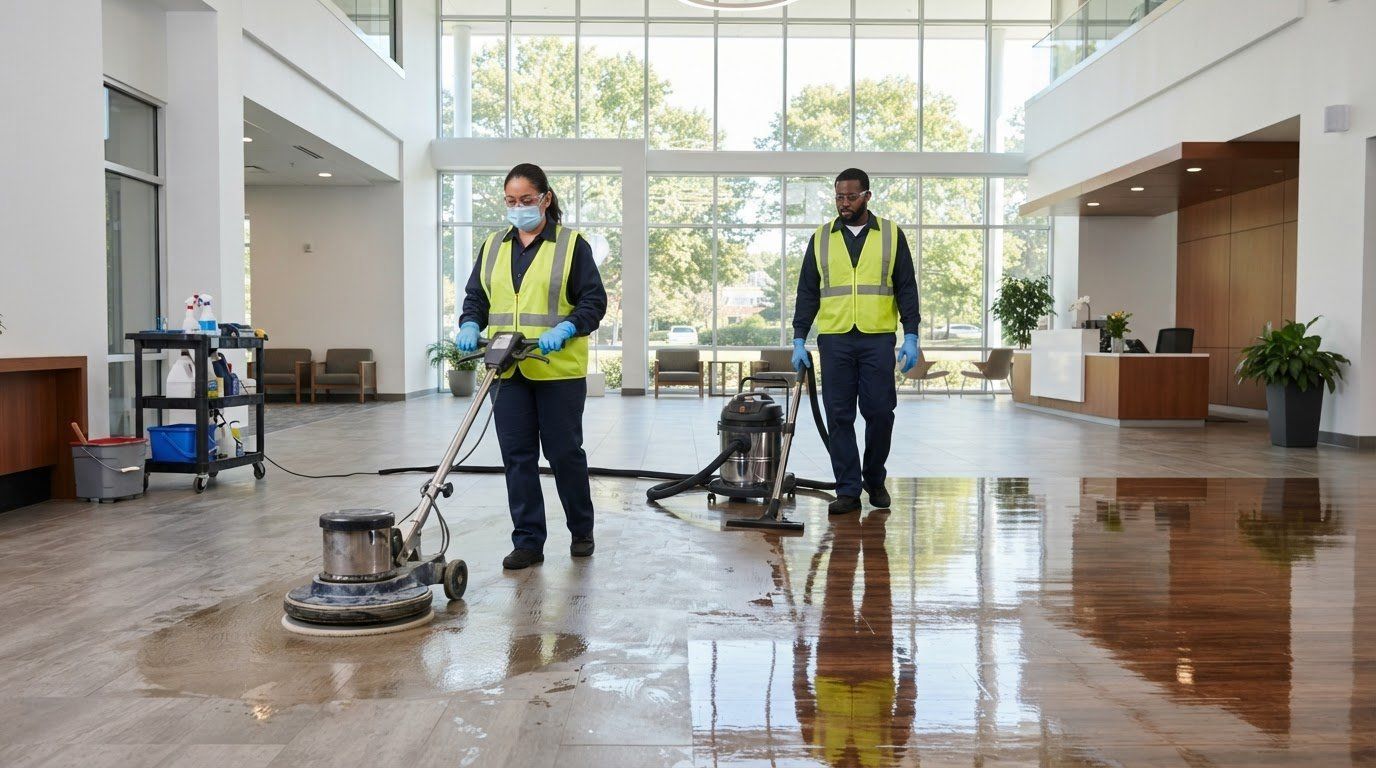
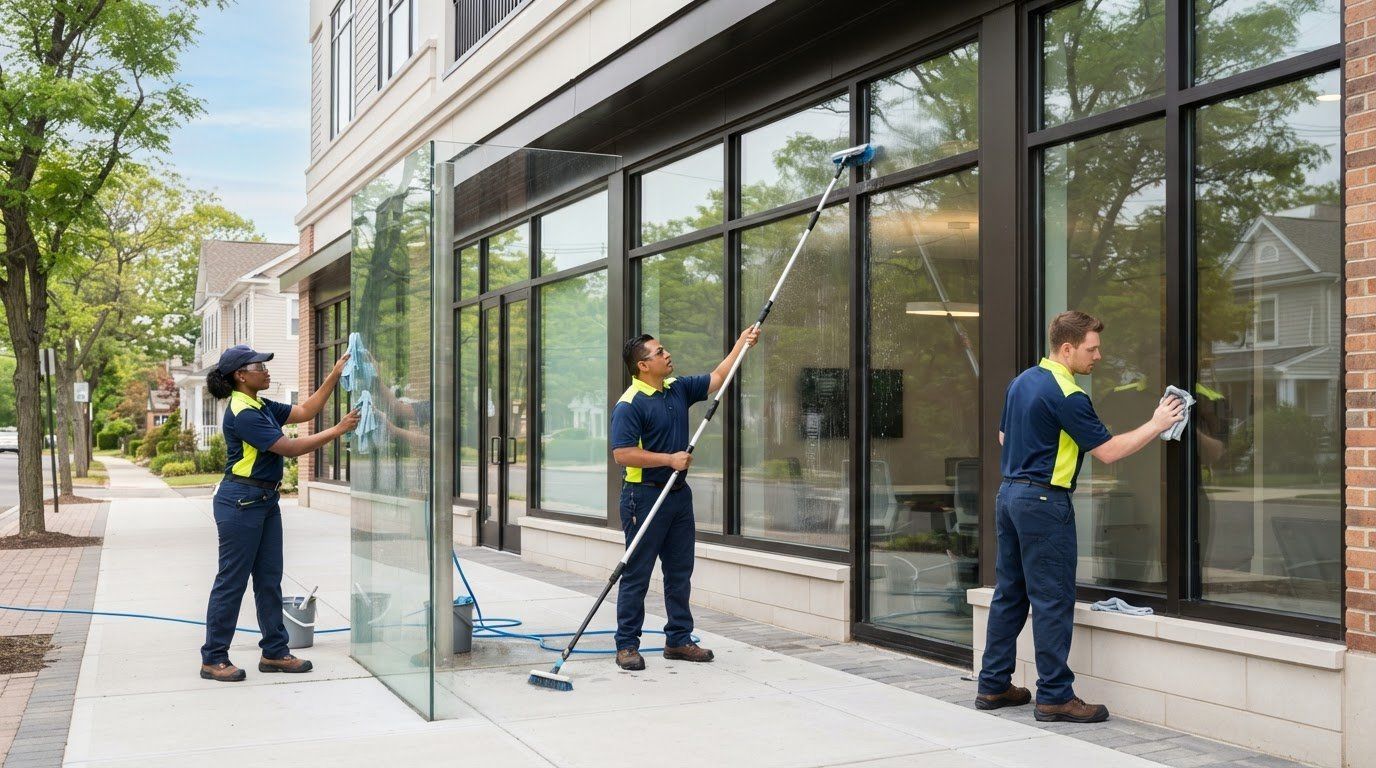
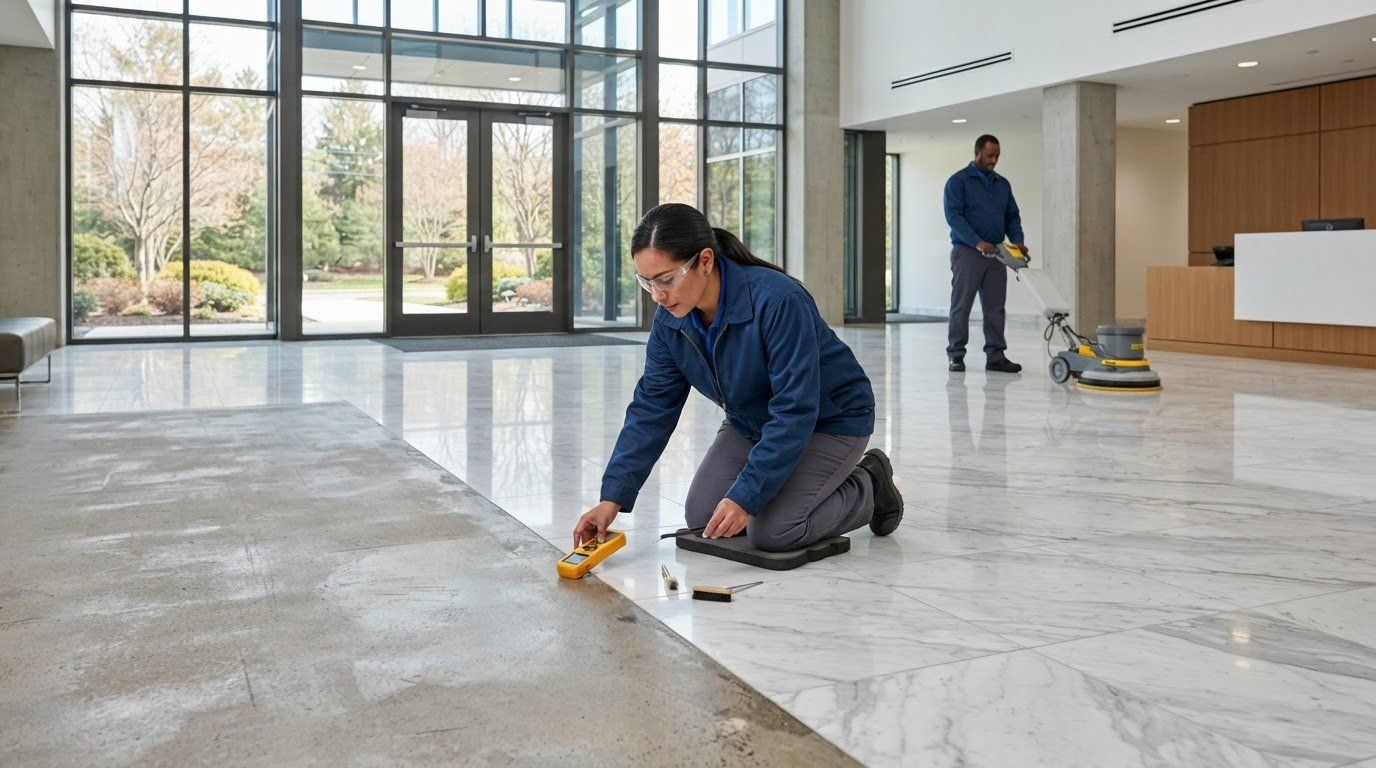
For offices with specialized requirements, related services include medical facility cleaning, floor stripping and waxing, and window cleaning. These services can address specific needs alongside routine office care, helping businesses coordinate building maintenance.
Before discussing a cleaning plan, outline the facility’s priorities, access procedures, high-traffic areas, and required tasks. This information helps shape a scope around the building’s operations and minimize disruption to employees.
Contact Commercial Cleaning Services Advance Industrial Maintenance to discuss office cleaning in New York, or visit advanceindustrial.org.
Set Your Cleaning Plan in Motion
Turn your cleaning priorities into a practical plan by identifying the areas that matter most to daily operations. For office cleaning in New York, define the required tasks, access needs, and preferred schedule before setting performance expectations. A clear scope gives your facilities team a basis for coordinating service and reviewing results over time.
Commercial Cleaning Services Advance Industrial Maintenance provides office cleaning, medical facility cleaning, and floor stripping and waxing. These services support different facility needs, from routine workplace upkeep to specialized floor maintenance. Matching the requested work to your building’s priorities helps establish a focused scope.
To discuss a cleaning plan for your facility, contact Commercial Cleaning Services Advance Industrial Maintenance. Take the next step with a clear scope and a dependable approach to building care.
Frequently Asked Questions
Do you clean after business hours or offer 24/7 service?
Advance Industrial Maintenance provides 24-hour emergency service for urgent cleaning needs. That emergency coverage is distinct from a recurring cleaning schedule, which should be planned around the facility’s operating hours, access procedures, and the work required. For an urgent issue, such as an unexpected spill affecting a work area, use the company’s emergency service to address the facility’s immediate cleaning need.
Which NYC boroughs and areas do you serve?
Advance Industrial Maintenance serves commercial clients across Long Island, including Nassau County and Suffolk County. For businesses seeking office cleaning in New York, this local coverage serves facilities throughout Long Island. When planning service for multiple sites, list each property’s address, access process, and cleaning priorities so the scope reflects every location.
What office cleaning services are available in New York City?
Advance Industrial Maintenance offers office cleaning, janitorial services, carpet cleaning, window cleaning, and floor care, among other commercial cleaning services. Medical facility cleaning and healthcare cleaning are available for specialized facility needs. An office with carpeted work areas and hard-surface entry floors, for example, can identify both surfaces in its scope to clarify the work required.
How much does office cleaning cost in NYC per square foot or visit?
There isn’t one per-square-foot or per-visit price for every facility. Recurring janitorial service fees may be charged monthly or per visit, while project-based specialty cleaning fees depend on square footage or labor requirements. For a useful estimate, outline the areas, requested tasks, and preferred service arrangement when requesting a quote.
What factors affect office cleaning prices in New York?
Price depends on the facility’s square footage, requested tasks, and required labor. Routine maintenance, for instance, differs from a project involving floor stripping or post-construction cleanup. The number and condition of areas, access requirements, and monthly or per-visit arrangement also help define the scope. A clear task list supports a quote tailored to your needs.