Medical Office Disinfection Services in Long Island: Professional Protocols for 2026
In a high-stakes clinical environment, a standard janitorial crew is often a liability rather than an asset. You understand that maintaining a sterile facility in Nassau or Suffolk County requires more than surface-level aesthetics. It involves mitigating the risk of healthcare-associated infections (HAIs) while navigating the rigorous NY State health regulations that govern your practice. Finding reliable medical office disinfection services Long Island providers shouldn't be a gamble with your facility's compliance or patient safety.
This guide outlines the technical standards and specialized protocols necessary to maintain a sterile, fully compliant healthcare environment in 2026. You will learn how to align your operations with the OSHA Bloodborne Pathogens Standard (29 CFR 1910.1030) and ensure your protocols meet the latest EPA-registered disinfectant requirements. We will preview the industrial-grade precision and technical authority required to build patient trust through a dependable, long-term maintenance partnership that treats sanitation as a critical engineering task.
Key Takeaways
- Distinguish between mechanical cleaning and clinical-grade disinfection to ensure your facility meets specific pathogen-kill requirements for MRSA and Norovirus.
- Adopt a technical approach to sanitation by mapping high-touch points and enforcing precise chemical dwell times for maximum antimicrobial efficacy.
- Select a partner for medical office disinfection services Long Island that offers a Bohemia-based headquarters for rapid response and consistent operational continuity.
- Utilize four decades of industrial expertise to maintain rigorous compliance with OSHA and NY DOH standards while minimizing the risk of healthcare-associated infections.
Table of Contents
The Critical Role of Clinical-Grade Disinfection in Long Island Healthcare
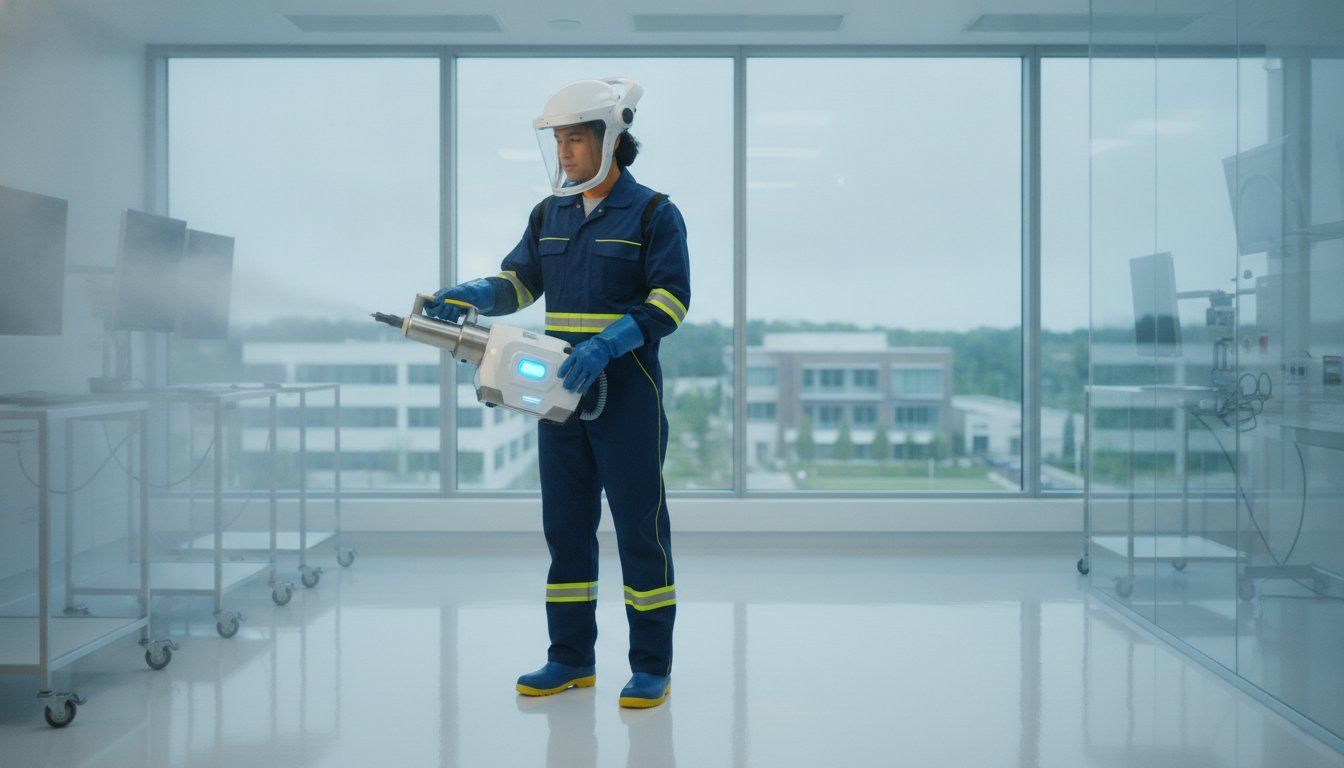
Effective infection control begins with a clear understanding of the technical hierarchy between cleaning, sanitizing, and disinfecting. Cleaning is the physical removal of soil, debris, and organic matter from surfaces. Sanitizing reduces bacterial populations to levels deemed safe by public health standards. However, medical facilities require a higher threshold. Disinfecting involves the complete inactivation of specific pathogens to prevent cross-contamination. Clinical disinfection is the use of EPA-registered chemicals to achieve a 6-log reduction in pathogens.
Medical practices across Nassau and Suffolk Counties must address high-risk pathogens that thrive in high-traffic clinical settings. Standard janitorial services often lack the specialized chemicals required for specific kill claims against MRSA, Norovirus, and Influenza. Utilizing professional medical office disinfection services Long Island ensures that every surface is treated with the correct chemical concentrations and contact times. This technical precision is vital for maintaining operational continuity and protecting vulnerable patient populations.
A sterile environment directly influences patient acquisition and retention. In the competitive New York healthcare market, patients evaluate the quality of care based on the physical state of the facility. A visible commitment to Infection prevention and control protocols builds immediate trust. It transforms a clinical space into a safe environment where patients feel confident receiving treatment.
Regulatory Alignment: Meeting NY DOH and OSHA Standards
Compliance is a primary operational requirement for healthcare facilities in Long Island. The New York State Department of Health (DOH) and OSHA enforce strict standards for bloodborne pathogen exposure and surface sanitation. Professional documentation of cleaning schedules and chemical logs is essential for passing health department inspections without penalties. Specialized training for maintenance staff reduces facility liability by ensuring that all personnel understand the risks associated with clinical waste and infectious materials. This expertise protects both the staff health and the practice's legal standing.
Technical Protocols for Effective Medical Office Sanitization
Maintaining a sterile environment requires a structured engineering approach rather than a standard janitorial routine. The first step is High-Touch Point Mapping. This process involves a systematic audit of your facility to identify surfaces with the highest contact frequency, such as exam tables, door handles, and kiosk screens. By prioritizing these zones, technicians focus resources where pathogen transmission risk is highest. It's a pragmatic strategy that ensures no critical surface is overlooked during the sanitation cycle.
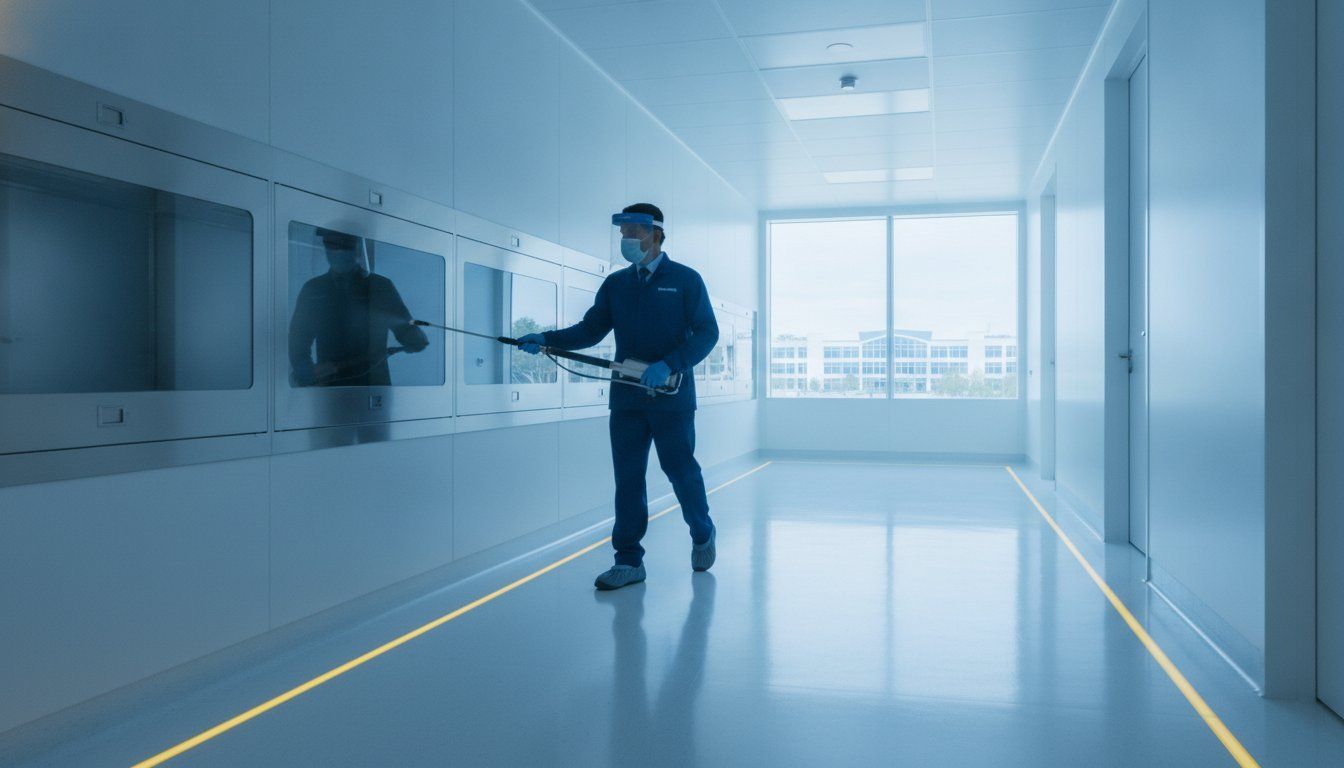
Dwell time precision is the second pillar of clinical efficacy. Every EPA-registered disinfectant has a manufacturer-specified duration it must remain wet on a surface to achieve its kill claim. Adhering to CDC disinfection and sterilization guidelines ensures that active ingredients have sufficient contact time to neutralize resistant microbes. Technicians don't rush this process; they monitor surface moisture to guarantee results. This technical accuracy is what separates professional grade outcomes from standard commercial cleaning.
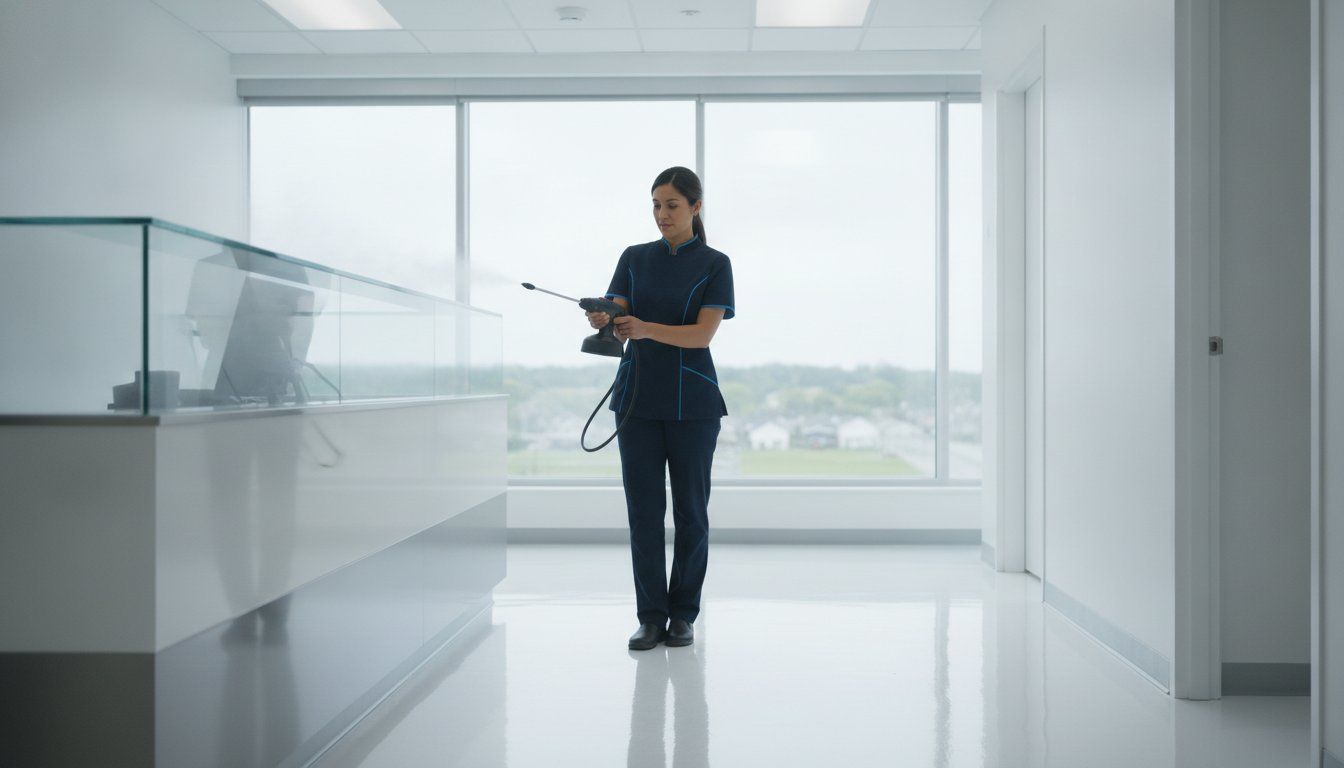
Cross-contamination prevention utilizes color-coded microfiber systems and HEPA-filtration vacuums. These tools ensure that pathogens aren't transferred between distinct clinical zones. Finally, verification through ATP testing for biological residue provides empirical data to confirm surface safety. Implementing these rigorous steps through professional medical office disinfection services Long Island transforms a facility from visually clean to clinically sterile. For managers prioritizing this level of operational stability, establishing a dependable maintenance alliance is the most pragmatic solution.
Specialized Care for Clinical Surfaces
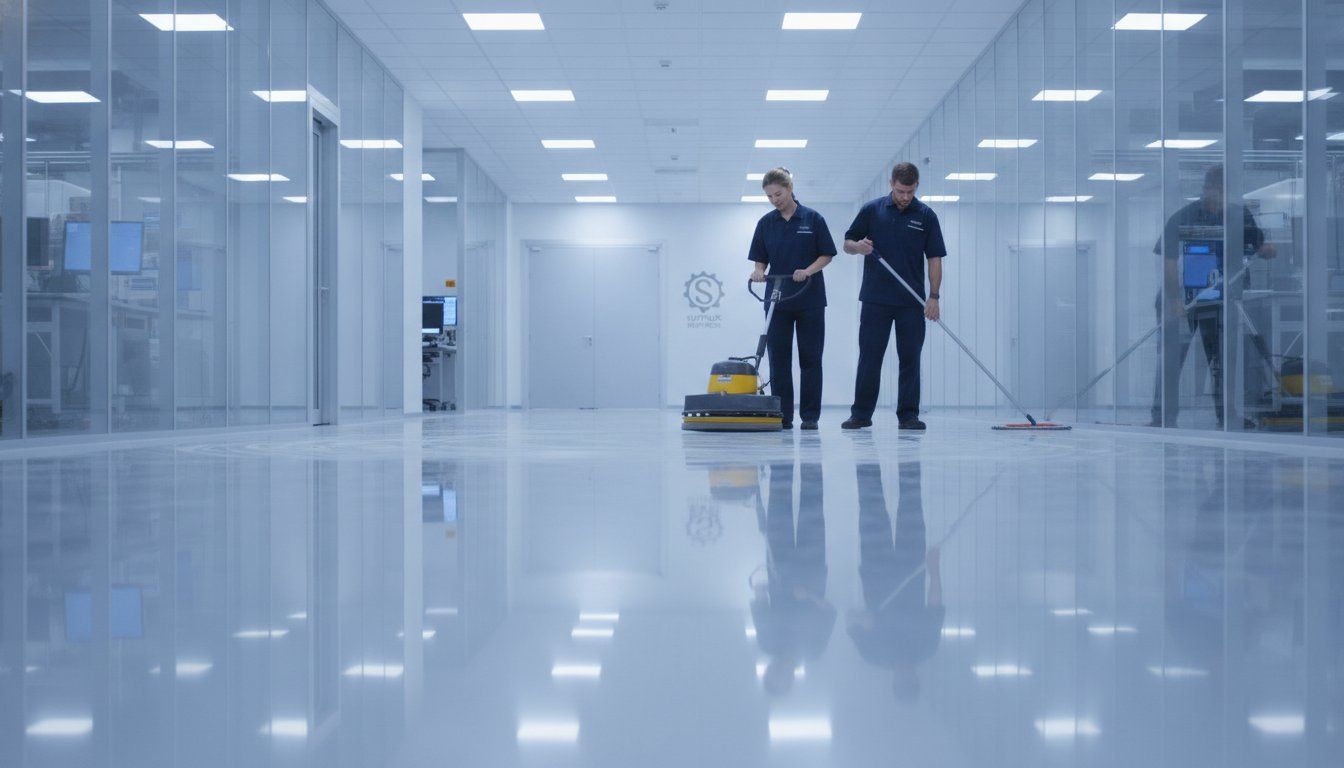
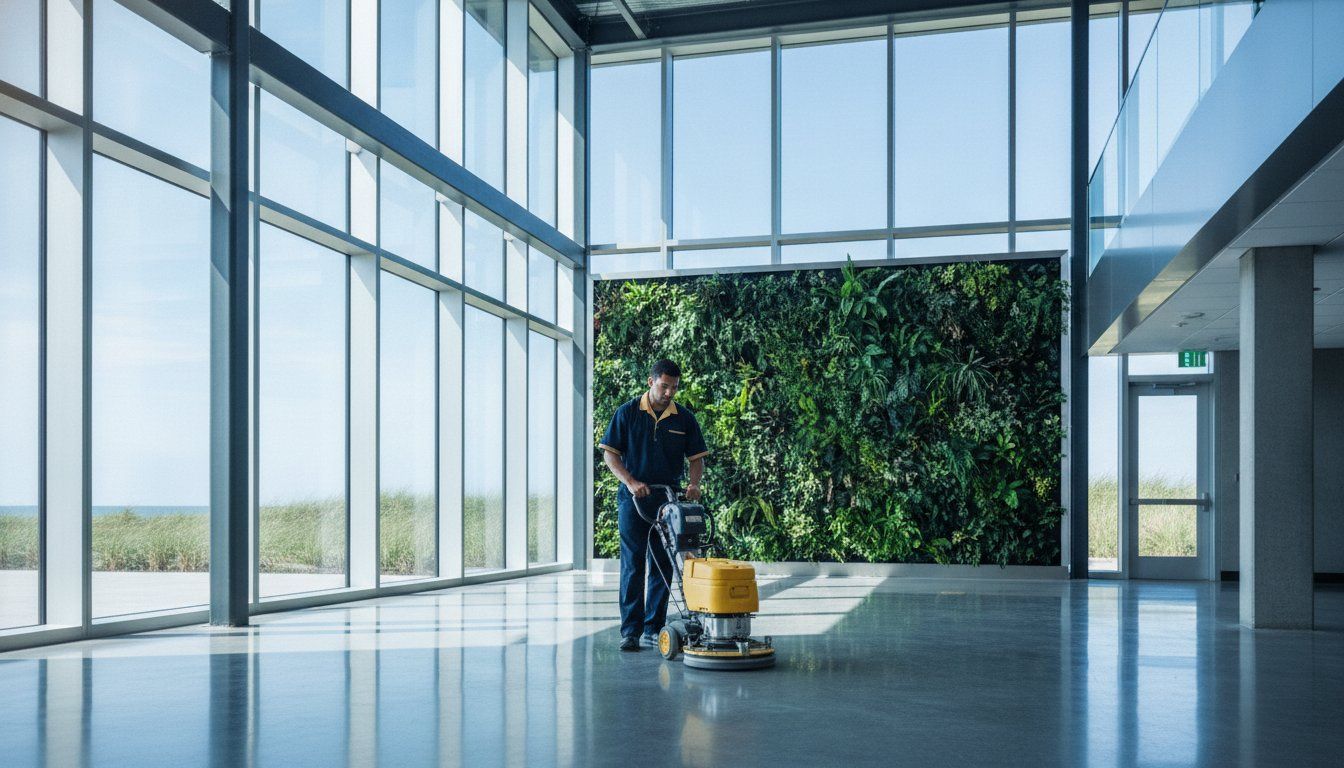
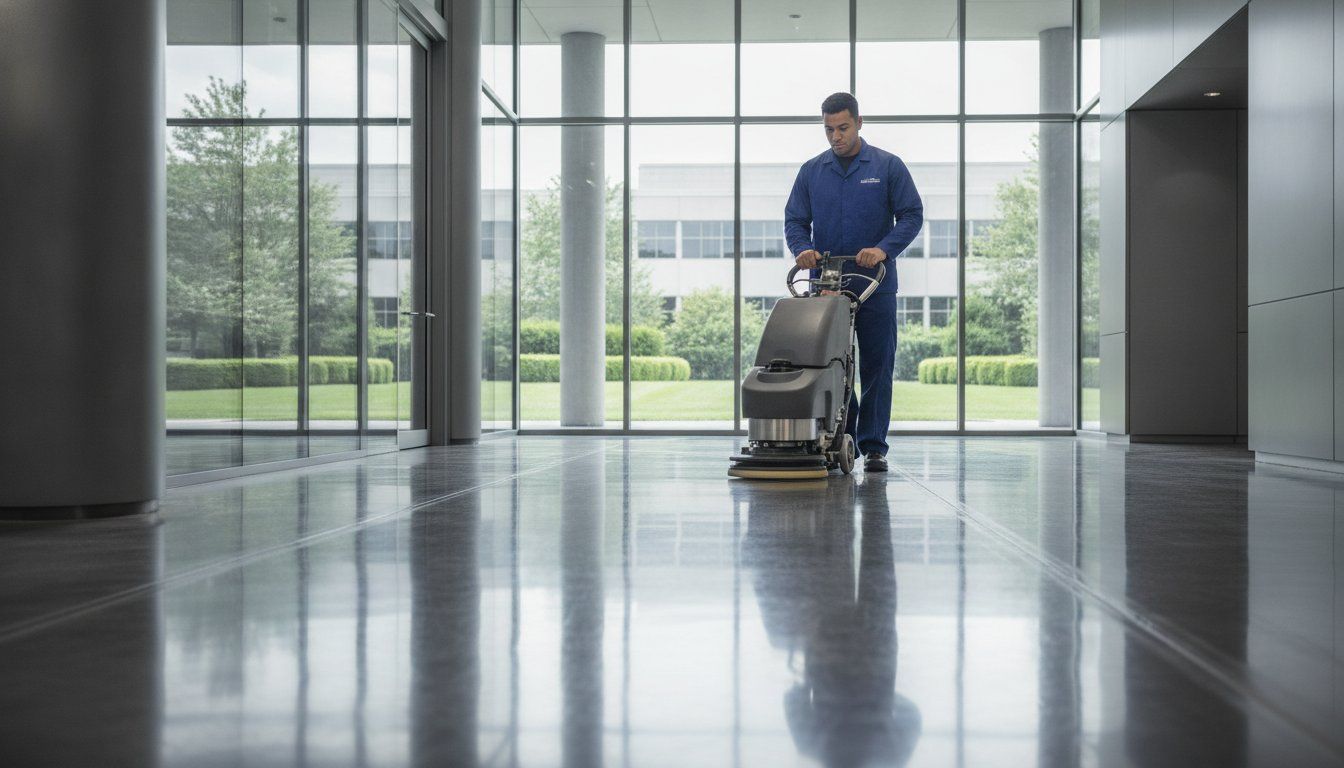
Non-porous surfaces in exam rooms require specific mechanical action to prevent biofilm accumulation. Standard wiping often fails to disrupt these bacterial layers. Floor maintenance is equally critical. Pathogens frequently colonize porous tile and grout lines, necessitating medical-grade stripping and sealing to eliminate deep-seated contaminants. Integrating carpet disinfection further supports indoor air quality by capturing and neutralizing microscopic allergens that standard equipment leaves behind.
Selecting a Dependable Disinfection Partner on Long Island
Selecting the right partner for medical office disinfection services Long Island requires evaluating technical capability alongside logistical reliability. A Bohemia-based headquarters provides a distinct operational advantage for facilities across Nassau and Suffolk Counties. This local proximity ensures rapid response for emergency spills or unscheduled maintenance requirements. Geographic alignment minimizes downtime and maintains the continuity of your clinical operations. It's a pragmatic approach to facility management that prioritizes uptime.
Industrial-strength stability is a critical metric in a volatile service market. A firm with 40 years of industry experience possesses the resources and insight to solve complex sanitation challenges. This longevity suggests a deep understanding of the high stakes involved in healthcare environments. You aren't just hiring a vendor; you're establishing a collaborative alliance. This partnership integrates with your internal team to ensure long-term facility health and strict adherence to CDC disinfection and sterilization guidelines.
Customized scheduling is essential for medical practices that cannot afford service interruptions. Technicians must work around patient flow to ensure zero disruption to daily clinical activities. Professional protocols allow for high-density cleaning to occur during optimal windows, ensuring that sterile standards are met without impacting patient care. This level of planning creates a reading of the facility as a well-organized, stable environment that patients can trust.
The Advance Industrial Advantage for Nassau and Suffolk Counties
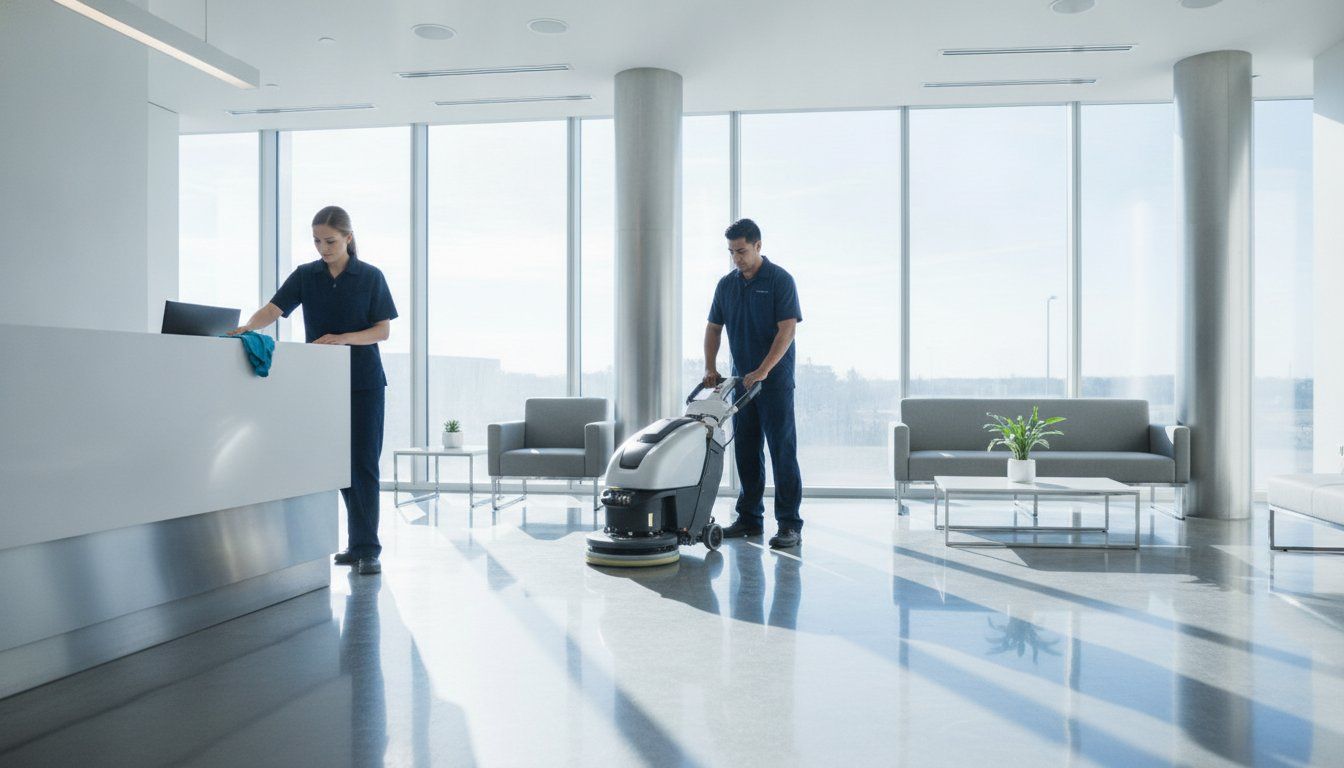
Leveraging professional staff and advanced equipment ensures consistent results across every exam room and waiting area. Using specialized healthcare housekeeping protocols, our team focuses on technical accuracy and operational efficiency. Recurring janitorial fees provide predictable costs, allowing procurement managers to maintain strict budget controls while ensuring consistent sanitation. You can Explore our Healthcare Cleaning Services to see how our Bohemia-based team supports ongoing industrial stability through expert skill and technical authority.
Strengthening Your Facility’s Technical Infrastructure for 2026
Maintaining a sterile environment in Nassau and Suffolk Counties requires a shift from a standard vendor relationship to a technical collaborative alliance. You now understand how precise dwell times, ATP verification, and high-touch mapping form the essential foundation of a compliant practice. These rigorous protocols don't just satisfy regulatory bodies like the NY DOH; they actively protect your staff and patients from healthcare-associated infections. Achieving this level of precision requires a partner that views sanitation as a critical engineering task rather than a basic chore.
Operational stability in a high-stakes clinical setting relies on a partner with specialized technical authority and a proven history of results. Advance Industrial Maintenance brings over 40 years of industry experience and a Bohemia-based rapid response team to every facility we support. Utilizing professional medical office disinfection services Long Island ensures that your practice remains a safe, high-performance environment that builds patient trust. We provide the essential infrastructure and expertise required for ongoing industrial stability and compliance.
It's time to elevate your facility's maintenance standards. Request a Professional Medical Facility Walk-Through and Estimate to secure the dependable expertise your practice deserves. We look forward to supporting your long-term operational success and facility health.
Frequently Asked Questions
What is the difference between sanitizing and disinfecting in a medical office?
Sanitizing reduces the number of bacteria on a surface to a level considered safe by public health standards. Disinfecting uses specialized chemicals to completely inactivate or kill specific pathogens listed on a product's EPA label. Medical facilities require disinfection to address resistant microbes like MRSA and Influenza. While sanitizing is suitable for common areas, clinical spaces demand the higher log-reduction threshold that only professional disinfection protocols provide.
How often should a medical office in Long Island be professionally disinfected?
High-traffic medical facilities typically require daily disinfection of high-touch surfaces to prevent cross-contamination. The specific frequency depends on your patient volume and the clinical nature of your practice. Utilizing medical office disinfection services Long Island on a daily or weekly schedule ensures consistent compliance with NY DOH standards. Technicians help you map patient flow to determine an optimal maintenance cycle that minimizes operational downtime while maximizing sterility.
Does professional disinfection comply with HIPAA and OSHA regulations?
Professional protocols are designed specifically to meet the OSHA Bloodborne Pathogens Standard. Technicians receive specialized training to handle infectious materials and clinical waste safely. Regarding HIPAA, professional crews follow strict privacy guidelines to ensure patient records and sensitive information remain undisturbed. This dual focus on safety and privacy transforms a standard cleaning vendor into a dependable partner that supports your facility's ongoing legal and operational compliance.
Are the chemicals used in medical office disinfection safe for patients and staff?
All chemicals used in a clinical setting must be EPA-registered and hospital-grade to ensure both safety and efficacy. When applied according to manufacturer-specified dwell times and proper ventilation protocols, these disinfectants are safe for both medical staff and patients. We prioritize solution-oriented products that provide maximum pathogen-kill claims without leaving harmful residues. This technical precision ensures a sterile environment that supports long-term facility health and air quality.