Workplace Hygiene Standards Long Island: 2026 Compliance & Best Practices
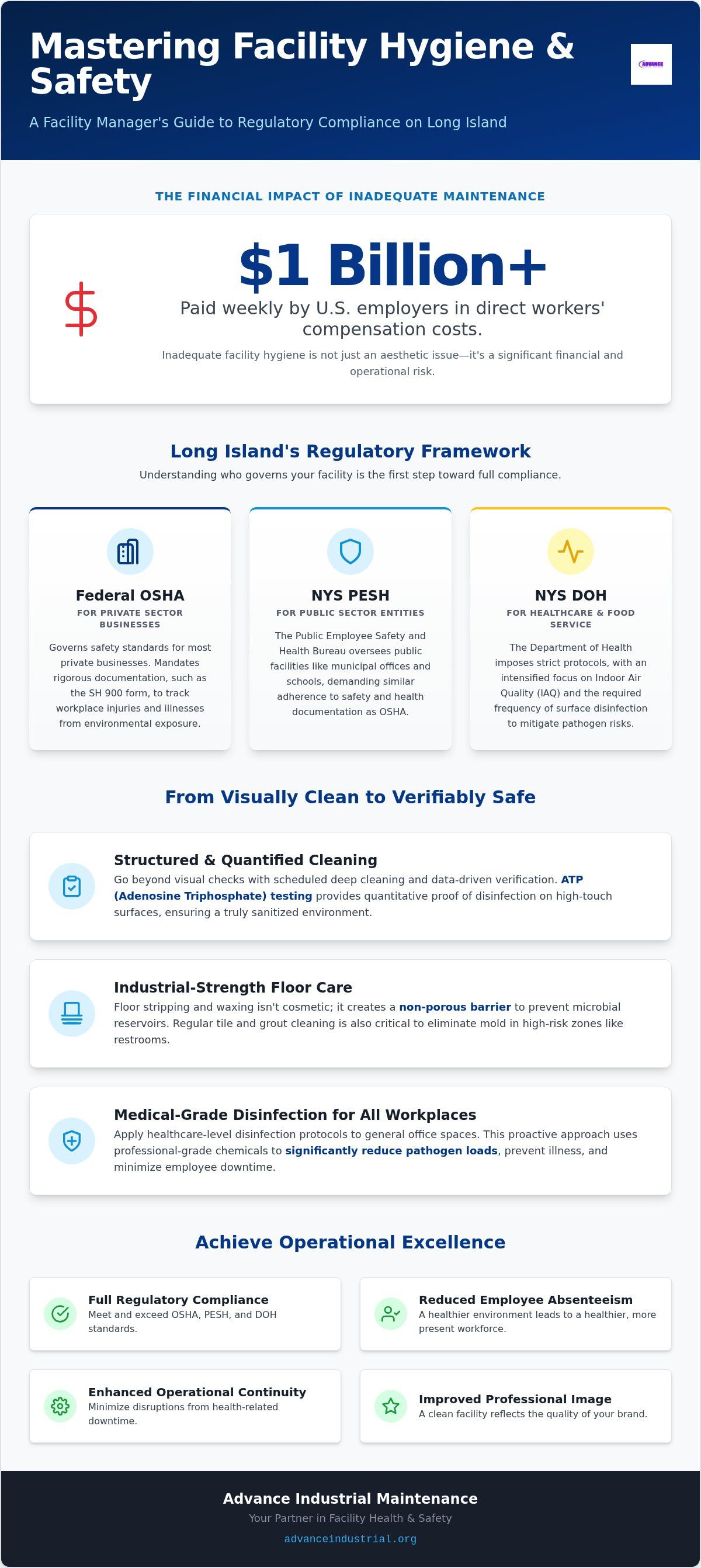
U.S. employers currently pay more than $1 billion every week in direct workers' compensation costs, a figure that underscores the severe financial risk of inadequate facility maintenance. For facility managers in Nassau and Suffolk counties, maintaining workplace hygiene standards Long Island isn't just about appearances; it's a technical requirement for operational stability. You're likely already managing the pressure of high-traffic commercial zones while trying to keep up with overlapping state and federal regulations. It's a heavy burden that demands precision and a deep understanding of local requirements.
This article provides the roadmap you need to navigate New York's complex safety regulations and implement high-level sanitation protocols that protect your staff. We'll show you how to move beyond basic cleaning to achieve full regulatory compliance and reduce employee absenteeism. By the end of this guide, you'll have a clear strategy for maintaining a clean, professional environment that reflects your brand's quality and ensures your facility remains a stabilizing force in your supply chain. We'll cover the shift toward holistic facility health, current OSHA penalty structures, and the practical steps to keep your operations running without friction.
Key Takeaways
- Identify the specific intersection of OSHA requirements and NYS Department of Health guidelines to maintain full regulatory compliance.
- Implement rigorous workplace hygiene standards Long Island facilities need to transition from basic visual cleanliness to high-stakes industrial sanitation.
- Utilize structured cleaning schedules and ATP testing standards to provide quantitative proof of your facility's disinfection levels.
- Leverage a local Bohemia-based partner to ensure rapid response times and consistent operational continuity across Nassau and Suffolk Counties.
Table of Contents
Navigating Local and Federal Workplace Hygiene Regulations in Long Island
Compliance in New York requires a dual focus on federal mandates and state-specific directives. For facilities in Nassau and Suffolk counties, workplace hygiene standards Long Island represent the critical intersection of OSHA safety requirements and New York State Department of Health (DOH) guidelines. While a standard office environment focuses on general janitorial upkeep, high-stakes environments like medical clinics or industrial labs require specialized sanitation protocols to manage bio-load and chemical residues. This distinction is vital for maintaining the "Standard of Care," a benchmark used to evaluate commercial liability and ensure operational continuity. Hygiene compliance is a proactive measure against microbial load and environmental hazards.
OSHA vs. NYS PESH: Who Governs Your Facility?
Private sector businesses on Long Island operate under the jurisdiction of federal OSHA. Conversely, public entities such as municipal offices or school districts follow the New York State Public Employee Safety and Health (PESH) Bureau. Both frameworks demand rigorous documentation to ensure employee safety. Specifically, employers must adhere to recordkeeping rules like the SH 900 form to track workplace injuries and illnesses related to environmental exposure. Effective management of these records is a core component of Occupational Hygiene Principles, which focus on anticipating and controlling workplace hazards. Failure to maintain these logs accurately can lead to significant penalties during audits.
The Role of the New York State Department of Health (DOH)
The NYS DOH exerts significant influence over cleaning protocols in healthcare and food-service commercial spaces. In 2026, the regulatory focus has intensified regarding indoor air quality (IAQ) and the frequency of surface disinfection. Facilities must now demonstrate consistent sanitation cycles to mitigate the risk of airborne pathogens and cross-contamination. This technical precision prevents downtime and safeguards the health of high-traffic commercial zones. Adhering to these refined workplace hygiene standards Long Island ensures that your facility meets the highest level of technical compliance and operational stability.
Core Components of a High-Standard Commercial Sanitation Strategy
A robust environmental strategy requires a technical approach that moves beyond visual aesthetics. High-standard commercial sanitation relies on a structured schedule that balances daily janitorial tasks with periodic deep cleaning. For facilities aiming to meet OSHA Sanitation Standards, quantifying cleanliness through ATP testing is essential. This technology measures Adenosine Triphosphate, providing a data-driven metric for high-touch point disinfection. In the high-stakes medical corridor of Nassau County, these protocols must also align with HIPAA-compliant cleaning requirements to protect patient privacy while maintaining sterile environments.
Implementing consistent workplace hygiene standards Long Island ensures that facilities remain operational and safe. Managers should consider a comprehensive janitorial services partnership to maintain these rigorous technical benchmarks. This collaborative approach ensures that every square foot of the facility supports long-term operational stability.
Industrial-Strength Floor Care and Maintenance
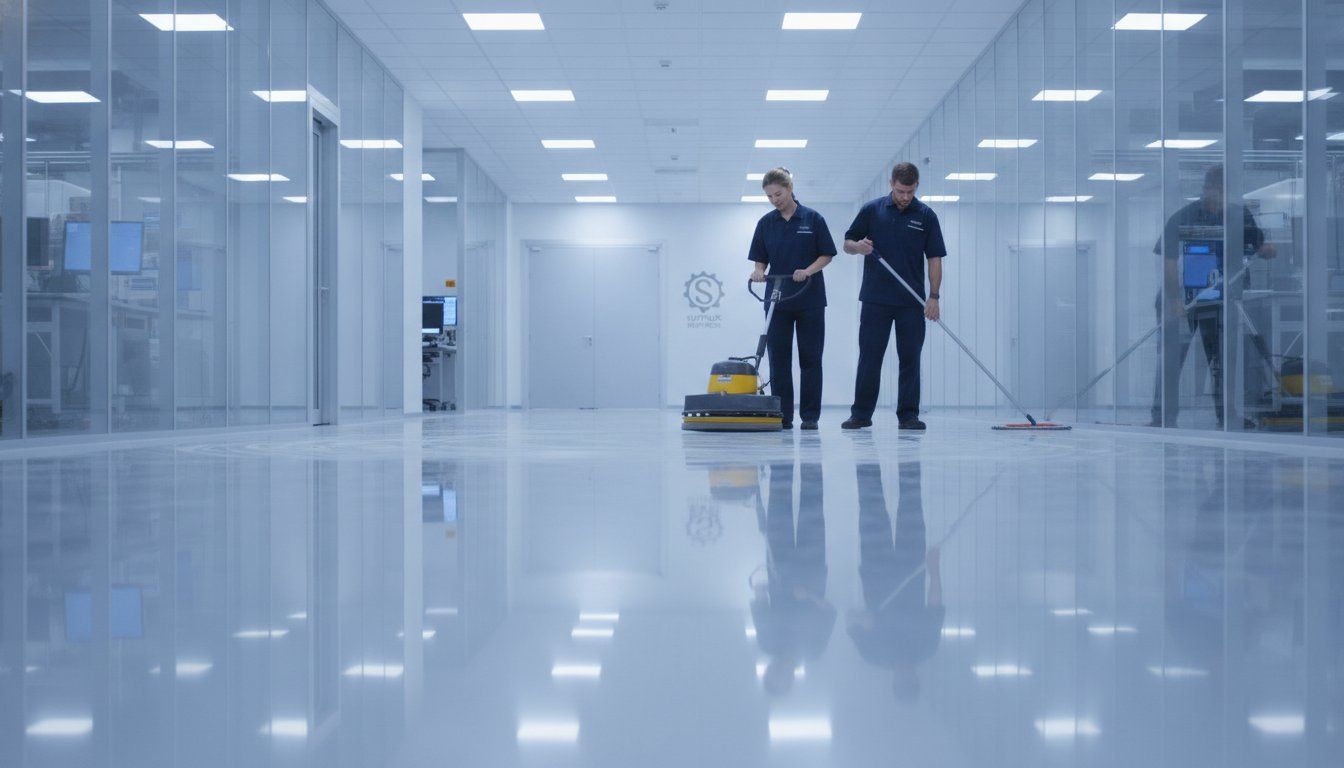
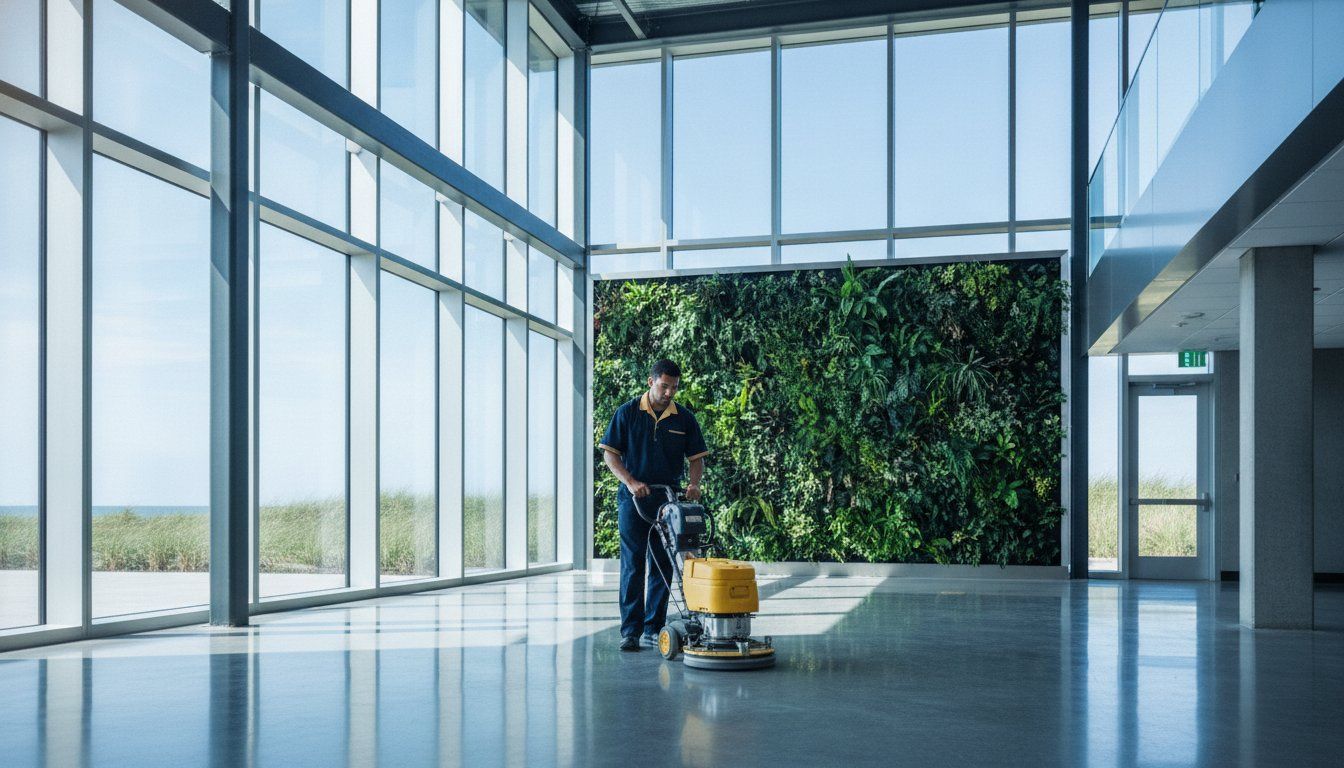
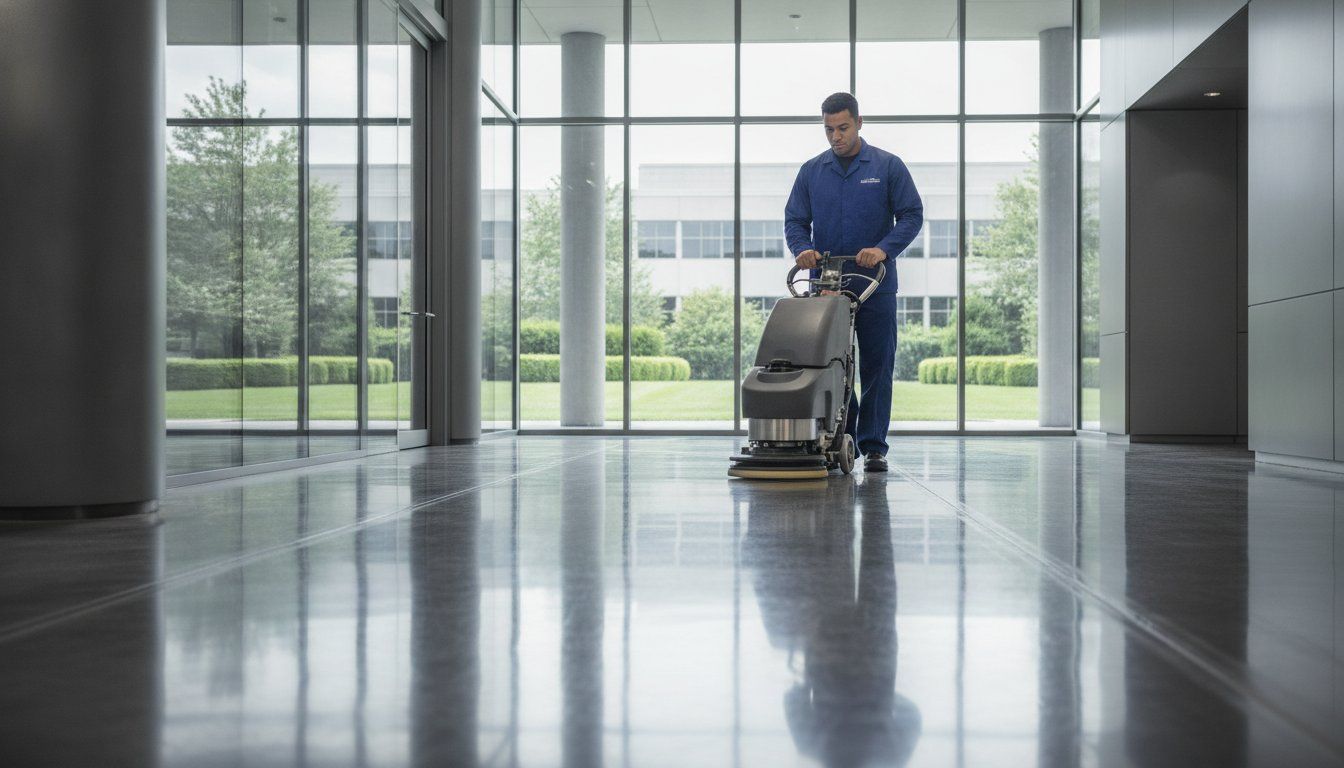
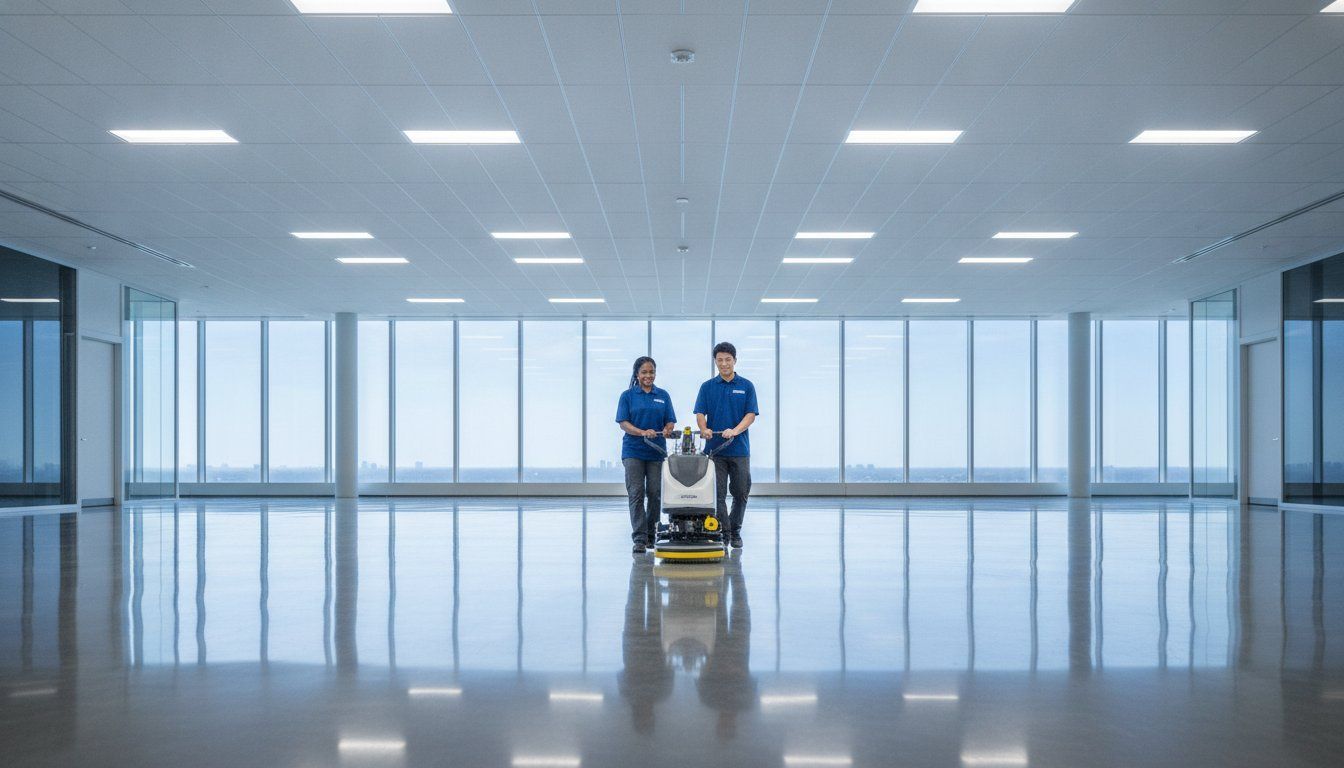
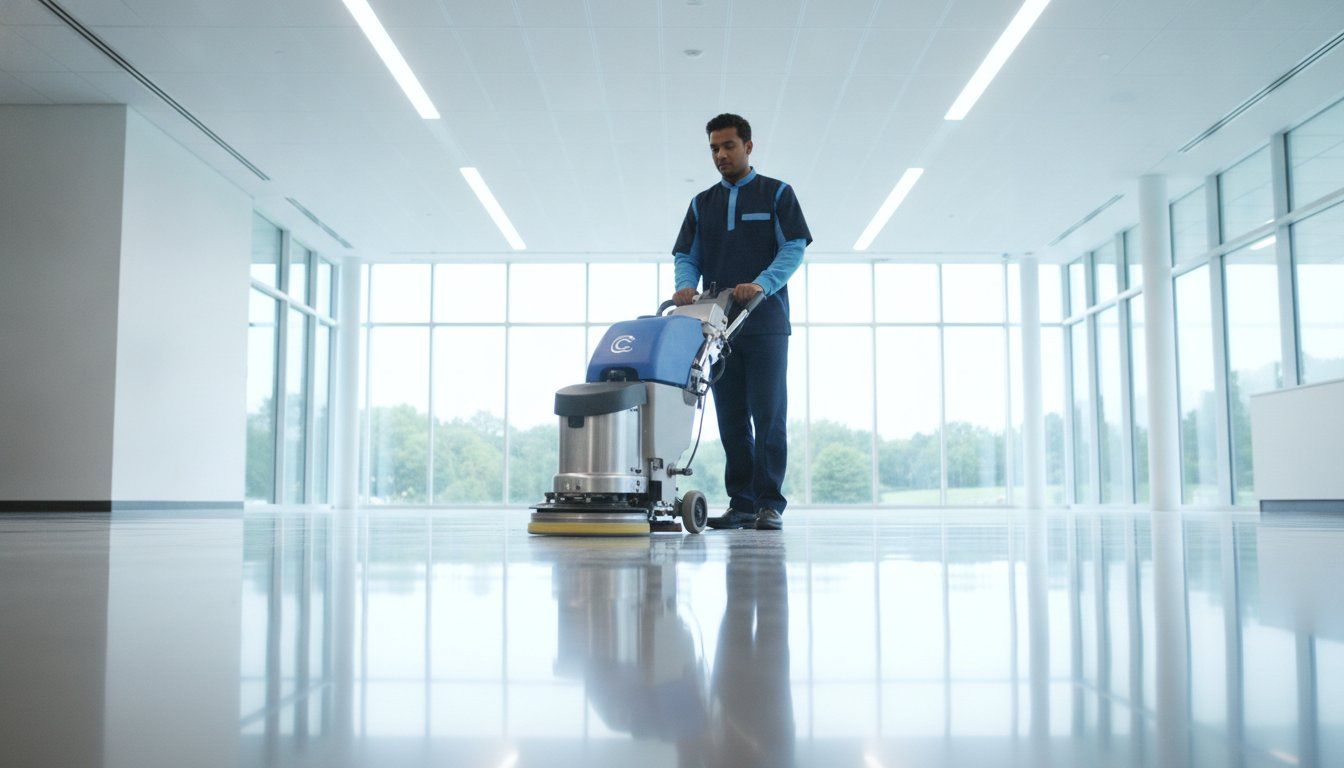
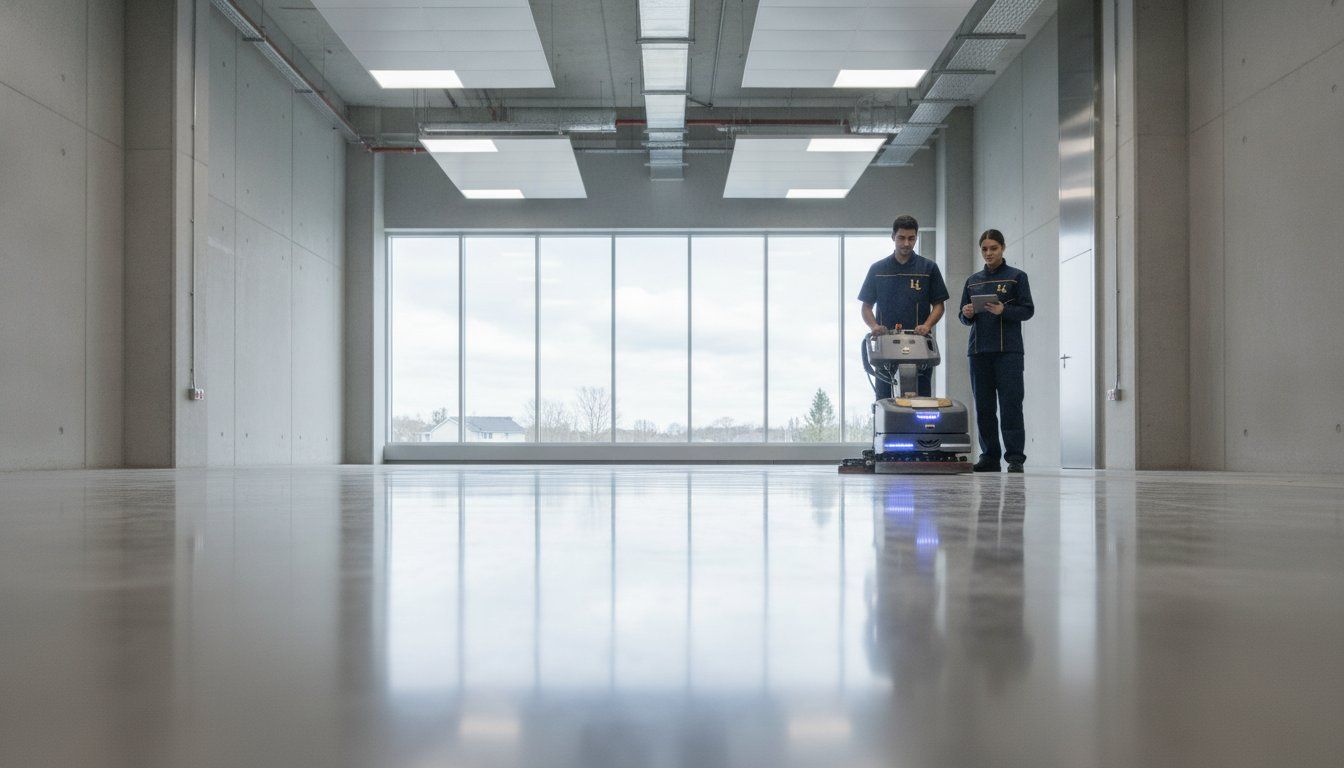
Floor stripping and waxing is a functional hygiene requirement rather than a cosmetic choice. Standard commercial flooring is often porous, allowing bacteria and moisture to penetrate the surface. Regular stripping and waxing creates a non-porous barrier that prevents microbial reservoirs from forming. Similarly, tile and grout cleaning is critical for eliminating mold growth in restrooms and breakrooms, which are high-risk zones for contamination. These technical steps are vital for maintaining the physical infrastructure of any commercial building.
Medical-Grade Disinfection in General Office Spaces
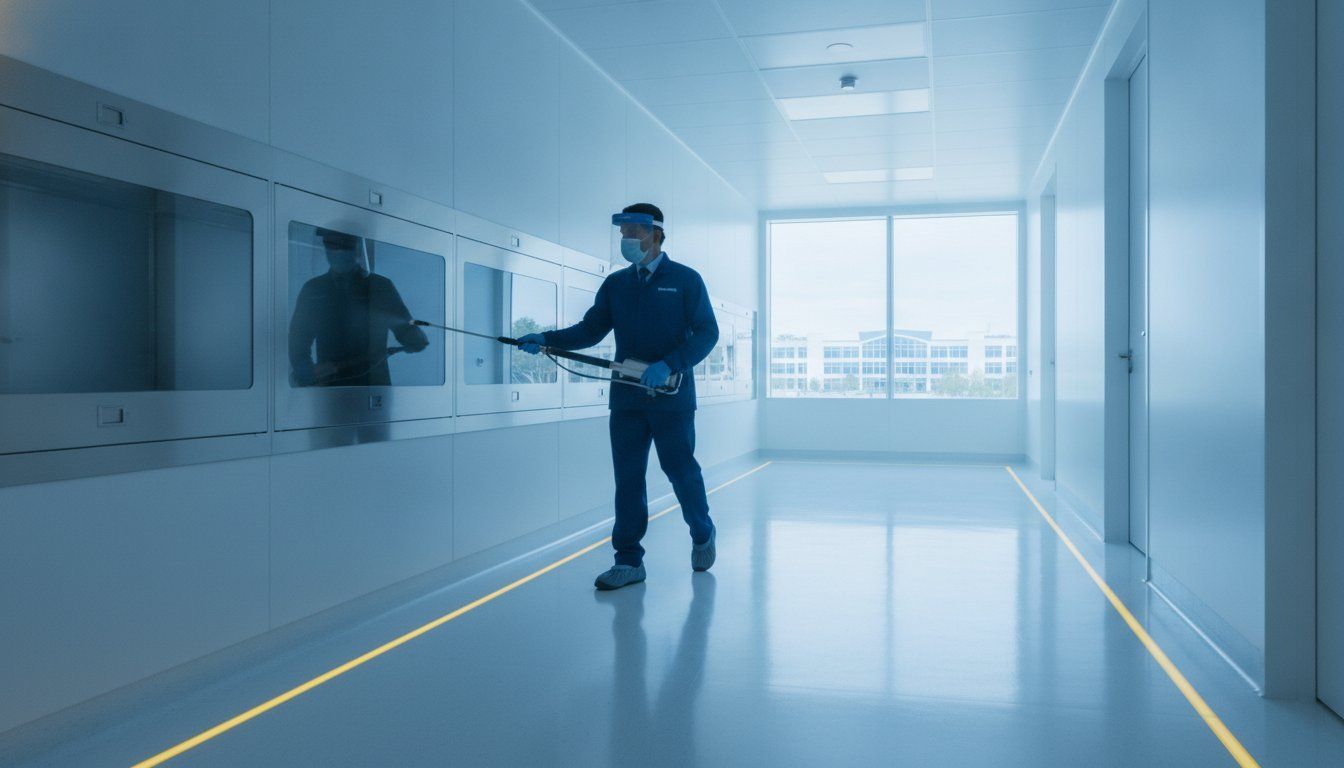
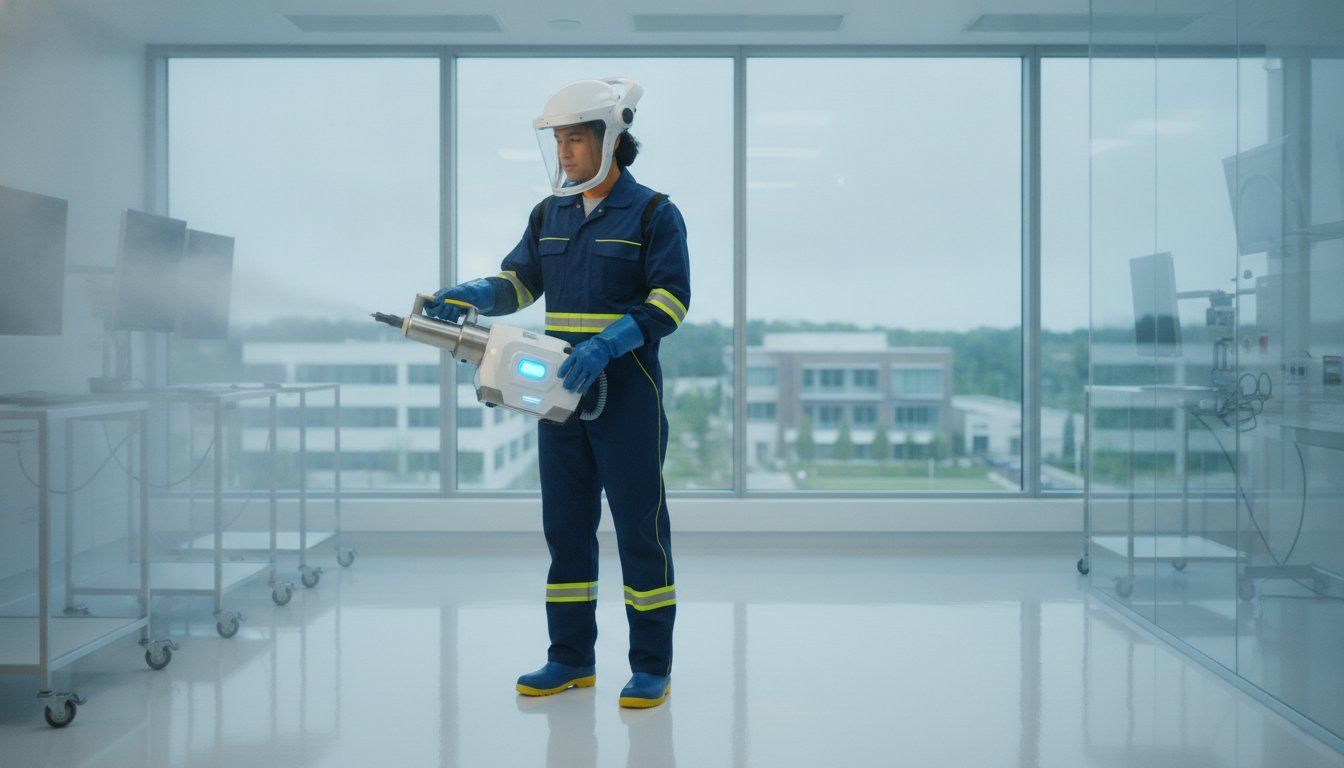
Superior infection control isn't reserved for hospitals alone. Applying healthcare-level protocols to Melville and Hauppauge office parks provides a strategic advantage for general corporate facilities. By using professional-grade chemicals and advanced equipment, businesses can achieve a significant reduction in pathogen loads. This level of precision in cleaning prevents the spread of seasonal illnesses and supports overall facility health. This proactive stance on workplace hygiene standards Long Island minimizes downtime and protects your most valuable asset: your workforce.
Maintaining Operational Continuity Through Expert Facility Maintenance
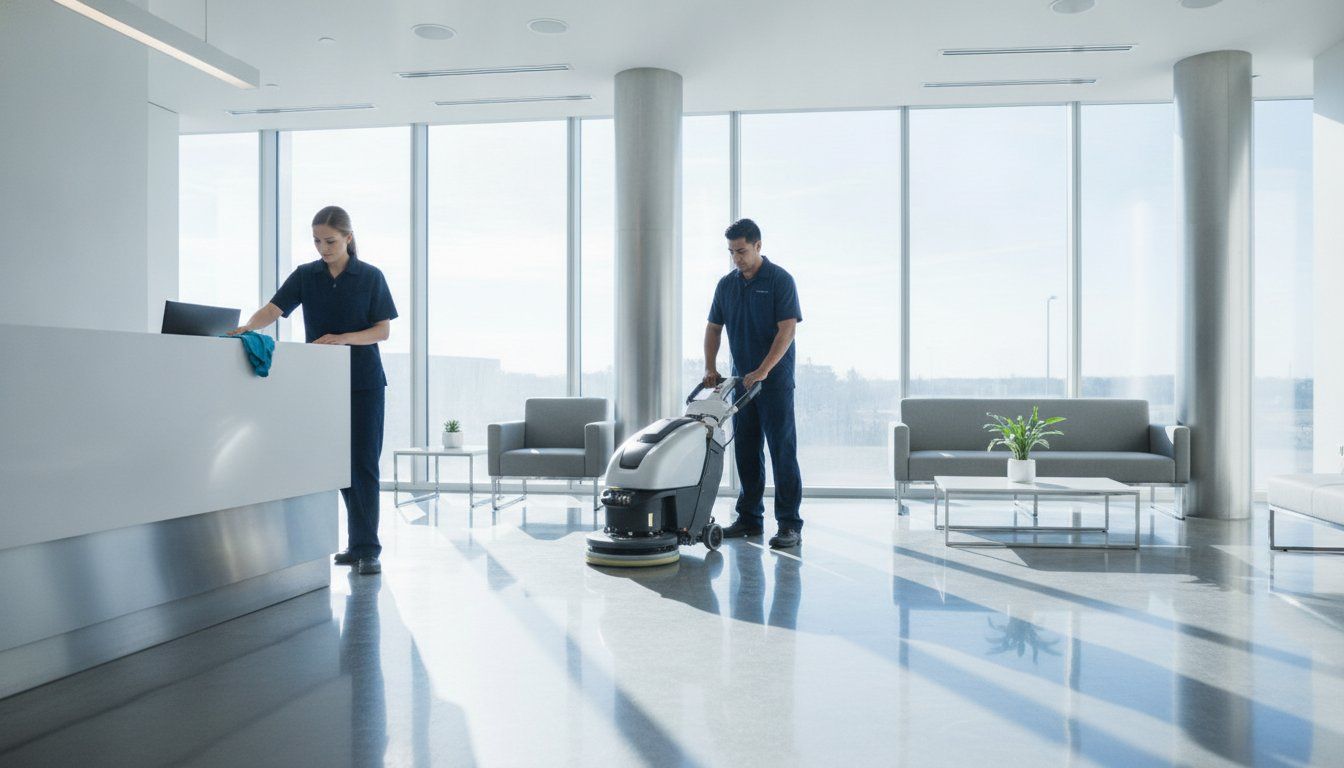
Professional facility maintenance is a strategic investment in operational continuity. Recurring janitorial services function as a safeguard against labor disruptions and environmental degradation. By implementing consistent workplace hygiene standards Long Island, businesses protect both their physical assets and their human capital. This proactive approach aligns with the directives found through New York State Safety & Health resources, which emphasize the importance of maintaining hazard-free environments. Since 1984, our 40 years of experience has allowed us to refine these protocols into a high-level collaborative alliance that prioritizes technical authority and predictable results.
The Value of Local Expertise in Nassau and Suffolk
Logistical efficiency depends on a partner with established roots in the region. Being based in Bohemia allows for rapid response times across Nassau and Suffolk Counties. Local knowledge of Long Island building codes and environmental factors, such as humidity impacts on floor finishes, ensures that maintenance protocols remain effective. This geographic proximity transforms the service provider from a distant vendor into an extension of the client's operational team. It's about having a partner who understands the specific industrial challenges of the local landscape.
Emergency Response and Specialty Project Management
Operational stability requires the ability to handle unscheduled maintenance without interrupting core business activities. Rapid disinfection services or specialty floor care may be needed following unexpected incidents. Additionally, post-construction cleanup serves as a critical final step for new facilities, ensuring a safe and hygienic hand-off. These specialized services provide the technical infrastructure necessary for ongoing industrial stability and long-term facility preservation. Choosing a partner with a deep understanding of these high stakes ensures your facility remains a reliable hub for your operations.
Strengthening Your Facility’s Operational Stability
Maintaining rigorous workplace hygiene standards Long Island is a critical component of your facility's long-term operational health. Navigating the intersection of OSHA and DOH regulations requires technical precision and data-driven protocols like ATP testing. These standards aren't just about regulatory compliance; they're about preventing downtime and ensuring that your environment reflects the quality of your brand. By prioritizing specialized floor care and medical-grade disinfection, you protect your physical infrastructure from environmental hazards and microbial load.
Reliable facility maintenance requires a partner who understands the high stakes of industrial and medical environments. With over 40 years of commercial cleaning experience, Commercial Cleaning Services Advance Industrial Maintenance provides the stability and technical authority needed to manage complex sanitation requirements. Our Bohemia-based team offers the rapid response and specialized expertise necessary for both recurring janitorial needs and emergency situations. Secure your facility's health with Commercial Cleaning Services Advance Industrial Maintenance's expert cleaning solutions. Investing in a high-level collaborative alliance today ensures your facility remains a safe, productive, and stabilizing force for years to come.
Frequently Asked Questions
What are the mandatory workplace hygiene standards for New York businesses in 2026?
Mandatory workplace hygiene standards Long Island for 2026 include strict adherence to the OSHA General Duty Clause and the NY HERO Act. While the requirement to implement airborne infectious disease plans isn't currently active, businesses must maintain updated plans for immediate deployment if health risks are designated. Compliance also involves providing sanitary facilities and meeting updated 2026 guidelines regarding indoor air quality and surface disinfection frequencies to protect worker health.
How often should commercial floors in high-traffic Long Island offices be stripped and waxed?
High-traffic commercial floors typically require stripping and waxing every six to twelve months to maintain a non-porous protective barrier. This frequency prevents the accumulation of deep-seated contaminants in the floor's substrate. Factors such as foot traffic volume in Nassau County office parks and local environmental conditions dictate the exact schedule. Regular maintenance extends flooring life and ensures it meets workplace hygiene standards Long Island by eliminating microbial reservoirs.
Does my Long Island office need medical-grade disinfection services?
Medical-grade disinfection isn't a legal requirement for standard office spaces, but it's a strategic choice for high-traffic corporate environments. Implementing healthcare-level protocols in shared zones like breakrooms and conference centers significantly reduces pathogen loads. This level of precision is effective in reducing employee absenteeism due to seasonal illnesses. Many facilities in Melville and Hauppauge adopt these standards to ensure higher operational continuity and facility health.
What is the difference between janitorial services and professional disinfection?
Janitorial services focus on routine maintenance tasks such as waste removal, vacuuming, and surface wiping for aesthetic and basic sanitary purposes. Professional disinfection is a technical process designed to neutralize specific pathogens using EPA-registered chemicals and advanced delivery systems. While janitorial work is a daily requirement, disinfection is a targeted protocol used to manage microbial loads and respond to specific health risks within the industrial or commercial facility.