Daily Office Cleaning in Long Island: The Essential 2026 Maintenance Resource
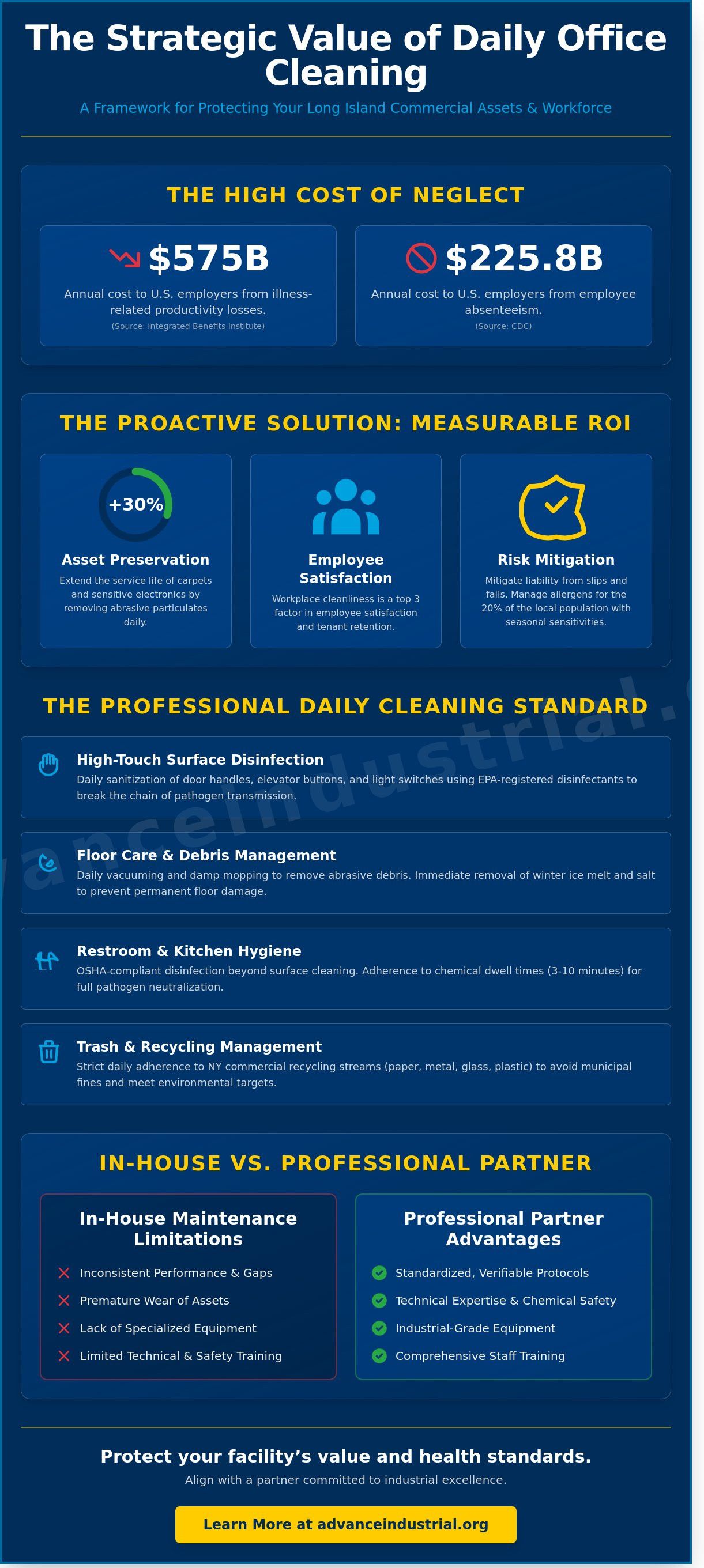
Research from the Integrated Benefits Institute indicates that illness-related productivity losses cost U.S. employers $575 billion annually. In a high-traffic Long Island facility, this fiscal drain often stems from a failure to maintain rigorous sanitation protocols. You likely recognize that consistent operational uptime depends on a healthy workforce and well-preserved infrastructure. It's frustrating when inconsistent vendor performance leads to sanitation gaps or the premature wear of expensive flooring and fixtures.
This resource provides a technical framework for daily office cleaning that eliminates these variables and extends the lifecycle of your commercial assets. You'll master the professional standards required to protect your facility’s health, boost employee morale, and secure long-term commercial value through 2026. We'll examine standardized maintenance protocols, specific chemical safety requirements, and the metrics used to verify consistent cleaning quality across your entire operation.
Key Takeaways
- Define how a systematic approach to daily office cleaning ensures maximum operational uptime and employee retention across Long Island’s commercial centers.
- Identify the professional standards for high-touch surface disinfection and floor care protocols designed to withstand high-traffic lobby environments.
- Evaluate the limitations of in-house maintenance and the strategic advantages of transitioning to a specialized commercial cleaning partner.
- Apply a rigorous vetting framework to select providers based on technical expertise, equipment quality, and comprehensive staff training.
- Protect your facility’s commercial value and health standards by aligning with modern maintenance requirements and industrial excellence.
The Strategic Importance of Daily Office Cleaning for Long Island Businesses
Daily office cleaning functions as a comprehensive maintenance system designed to ensure maximum operational uptime. It's a technical necessity rather than a cosmetic preference. For organizations in competitive hubs like Melville and Hauppauge, maintaining professional cleaning standards directly impacts employee retention and overall productivity. A 2023 industry report indicates that workplace cleanliness remains a top three factor in employee satisfaction and tenant retention. Daily intervention prevents the accumulation of Long Island-specific contaminants like coastal salt and seasonal pollen. This proactive approach delivers a measurable ROI by eliminating the need for frequent, expensive deep-cleaning projects or premature asset replacement.
Asset Preservation: Protecting Your Commercial Investment
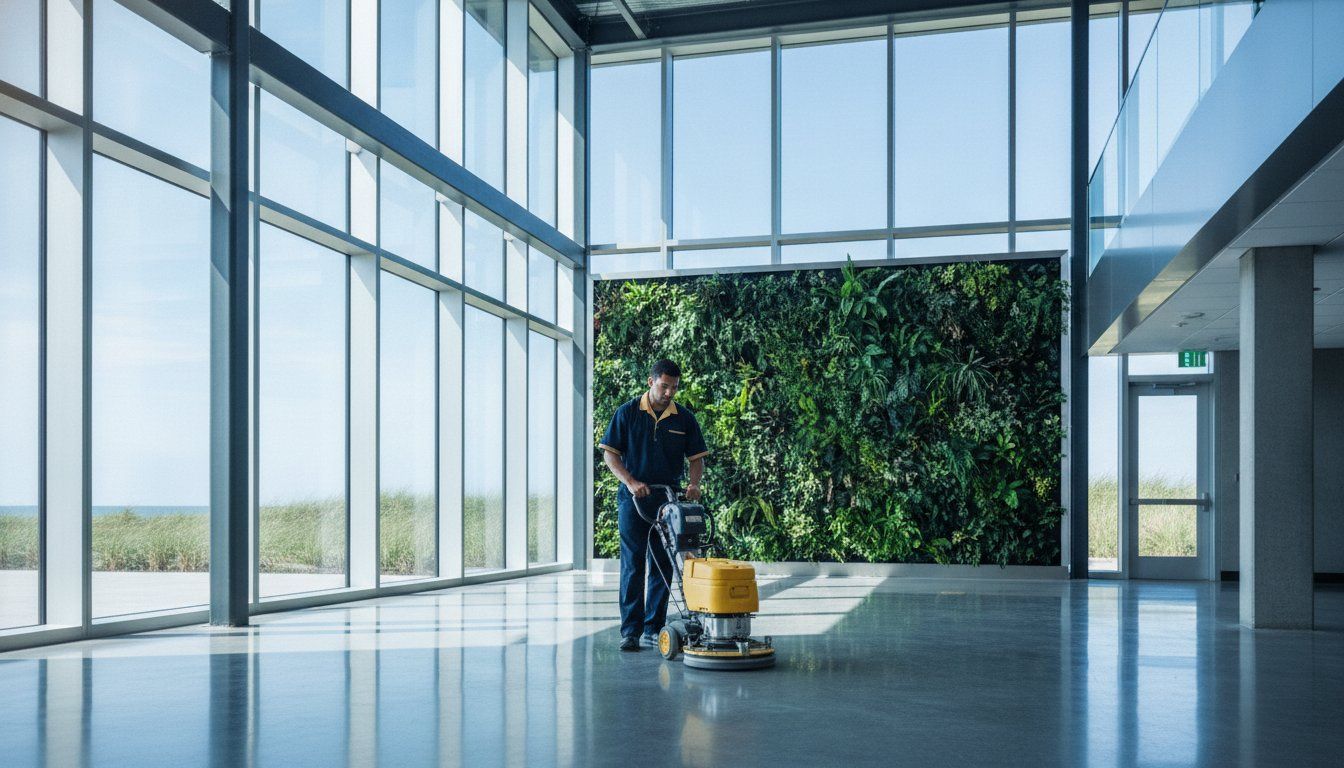
Daily vacuuming and dusting extend the service life of commercial-grade carpets and sensitive electronics by approximately 30 percent. Removing abrasive particulates prevents fiber degradation in high-traffic zones and protects internal cooling fans in hardware. Daily maintenance also serves as a critical risk management tool. It effectively mitigates liability risks associated with slips, trips, and falls. Keeping floors dry and clear of debris ensures a safe environment for both staff and visitors, protecting the company's bottom line from avoidable insurance claims and legal costs.
Local Environmental Factors in Nassau and Suffolk Counties
High humidity and coastal air in Nassau and Suffolk Counties necessitate specific daily protocols for window and metal surface care. Salt air accelerates the corrosion of metal fixtures and streaks exterior glass, requiring consistent removal to prevent permanent etching. Daily office cleaning schedules must adapt to these regional challenges to maintain a professional facade. Seasonal priorities shift throughout the year on the Island. Winter requires the immediate removal of tracked-in ice melt and salt to prevent floor damage. Spring demands intensive allergen management to protect indoor air quality for the 20 percent of the population suffering from seasonal sensitivities. This level of precision is why many local firms view sanitation as a strategic partnership rather than a simple utility.
The Essential Daily Office Cleaning Checklist: A Professional Standard
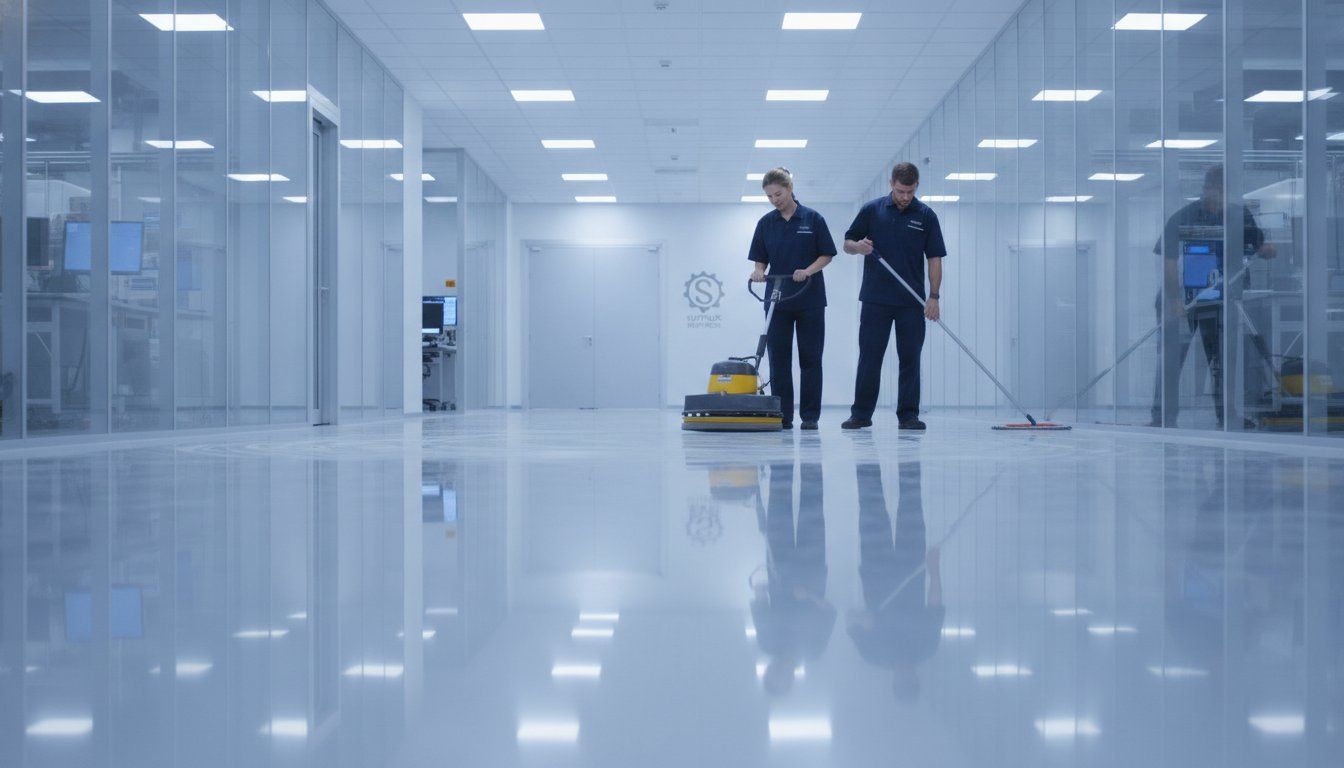
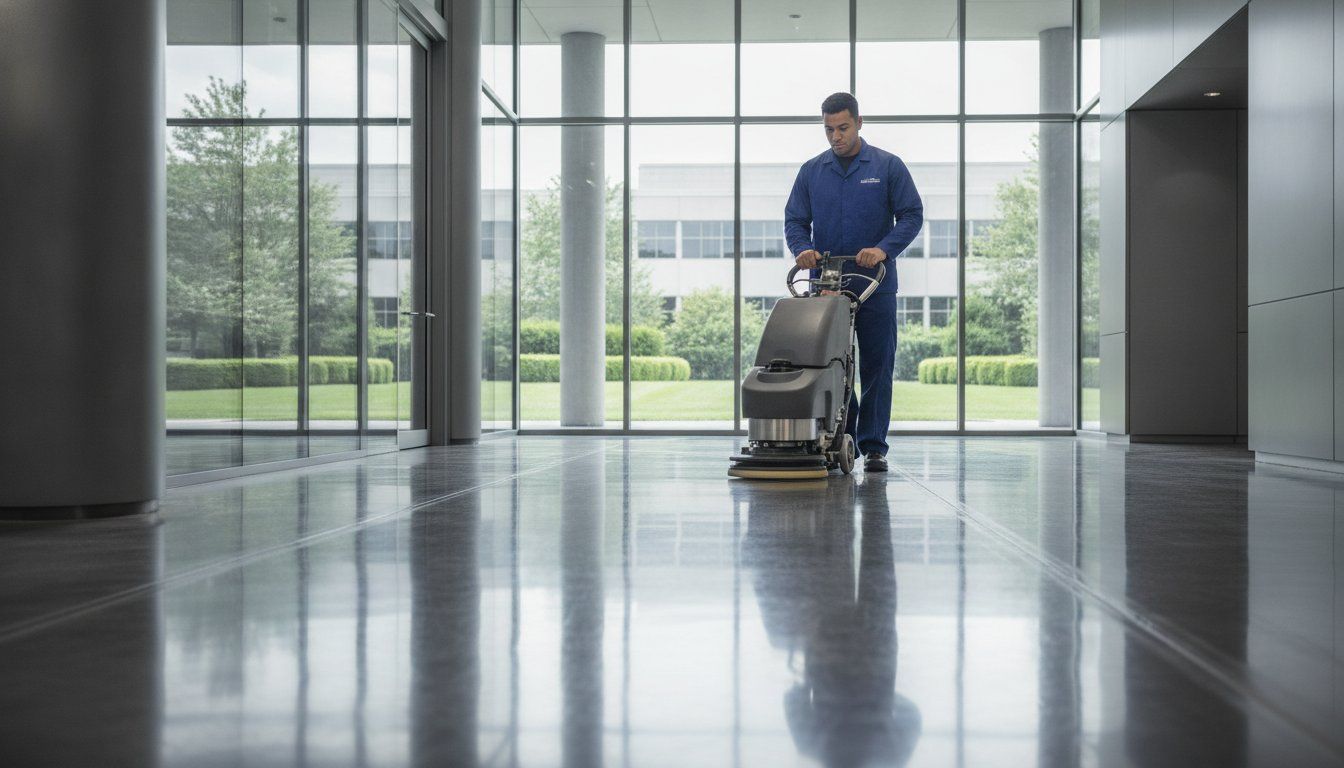
Effective daily office cleaning minimizes operational downtime by reducing employee absenteeism, which costs U.S. employers $225.8 billion annually according to CDC data. A professional checklist begins with high-touch surface disinfection to break the chain of pathogen transmission. Technicians must sanitize door handles, elevator buttons, and light switches every 24 hours using EPA-registered disinfectants. In high-traffic Long Island lobbies, floor care protocols require daily vacuuming and damp mopping to remove abrasive debris that degrades commercial-grade flooring over time. Standardizing your daily office cleaning routine ensures that small maintenance issues don't escalate into costly repairs.
Trash management is a critical component of industrial excellence and regulatory compliance. New York commercial regulations require strict adherence to recycling streams to avoid municipal fines. Facilities must separate paper, metal, glass, and plastic into designated containers daily. This systematic approach supports environmental targets while maintaining the lean efficiency of the workspace.
Workspace and Reception Area Protocols
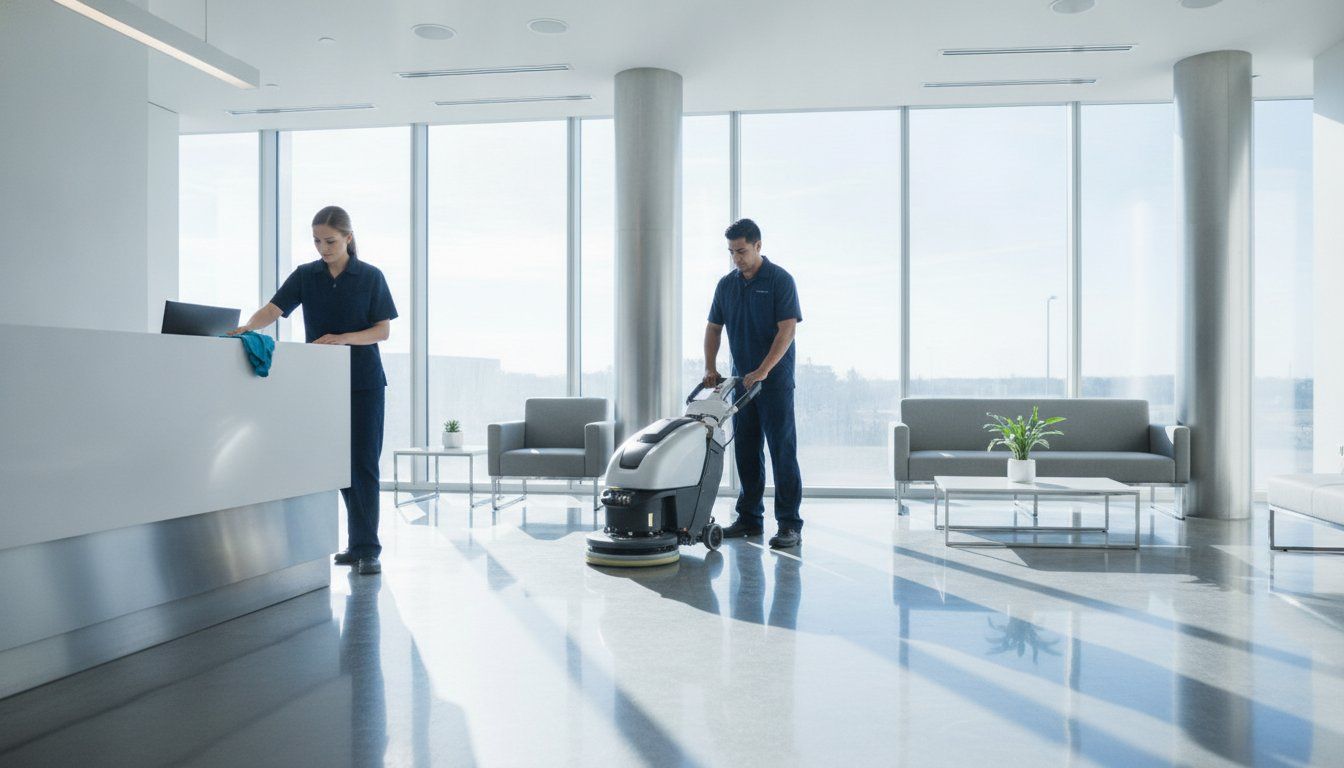
The reception area defines the First Impression Standard for high-stakes professional environments. Staff must ensure surfaces are streak-free and seating is reset to its original configuration. Daily tasks for individual workstations focus on disinfecting keyboards and mice while respecting document security. This balance ensures a hygienic environment without compromising sensitive client data or trade secrets. Maintaining these standards requires a reliable supply chain partner to ensure cleaning crews have the necessary tools for uninterrupted productivity.
Sanitary Requirements for Restrooms and Kitchens
There is a technical distinction between cleaning for appearance and disinfecting for health in shared zones. While a surface might look clean, microbial pathogens require chemical dwell times of 3 to 10 minutes to reach full neutralization. Compliance with OSHA sanitation standards ensures that restrooms and kitchens remain safe for all personnel. Essential supplies include quaternary ammonium compounds and color-coded microfiber systems that prevent cross-contamination. For facilities looking to optimize their MRO inventory, a strategic partnership for industrial supplies can streamline the procurement of these essential chemicals.
Implementing a Professional Cleaning Partnership in New York
Managing facility hygiene internally often creates operational friction. In-house teams frequently lack the specialized training and industrial-grade equipment necessary to maintain high-traffic environments. Transitioning to a professional partner ensures that daily office cleaning protocols meet rigorous technical standards. When vetting Long Island cleaning companies, procurement managers should evaluate three core criteria: documented staff training programs, a minimum of 10 years of local experience, and the utilization of EPA-registered disinfectants. A strategic partnership with a single-source provider streamlines the supply chain; it consolidates daily janitorial tasks and periodic specialty projects under one management umbrella. While this guide focuses on the New York market, the importance of these standards is universal; providers like Sea Light Shine Ltd demonstrate how professional cleaning protocols can be effectively applied to both domestic and commercial environments to ensure consistent quality.
Rigorous maintenance standards have a direct impact on employee productivity. Clean environments reduce absenteeism and demonstrate a commitment to staff health. Decision-makers who want to remain competitive should stay informed on maintenance trends through our industry resource feed.
Scalable Solutions for Long Island’s Diverse Commercial Landscape
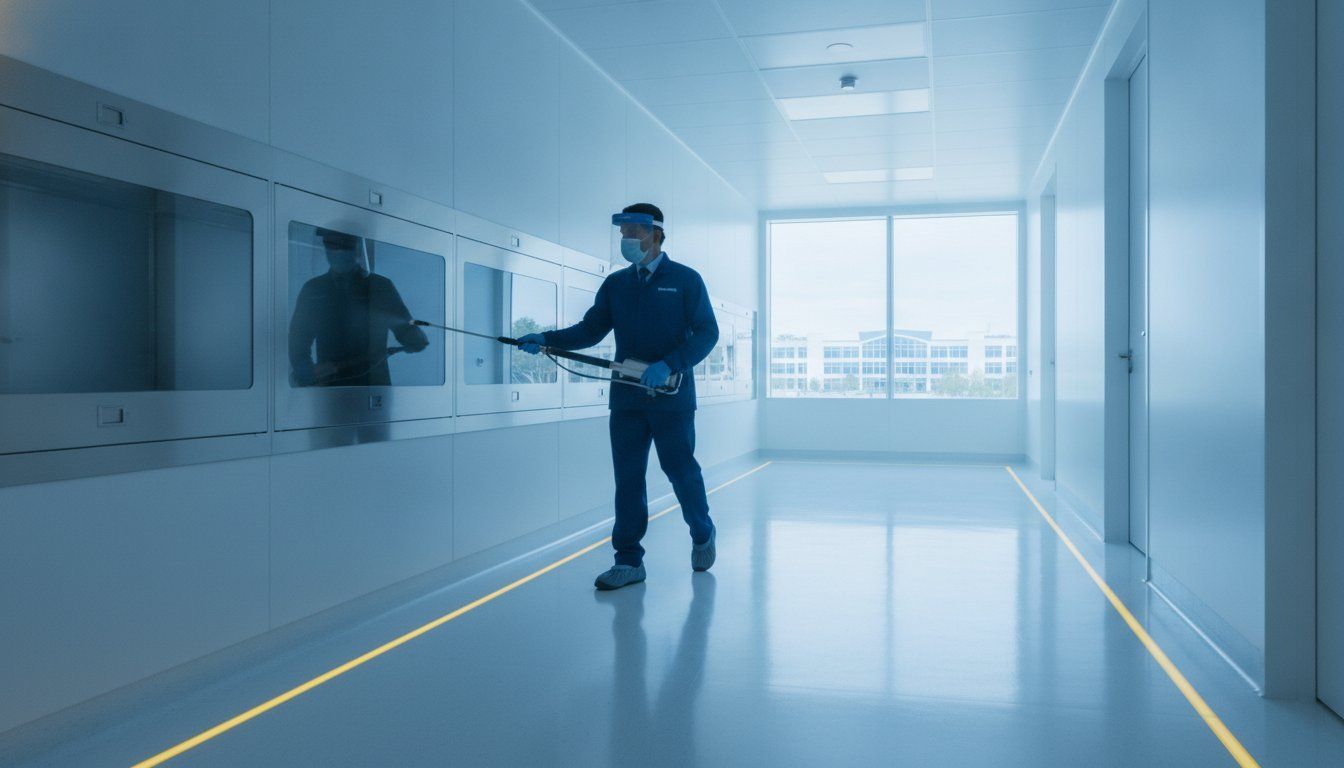
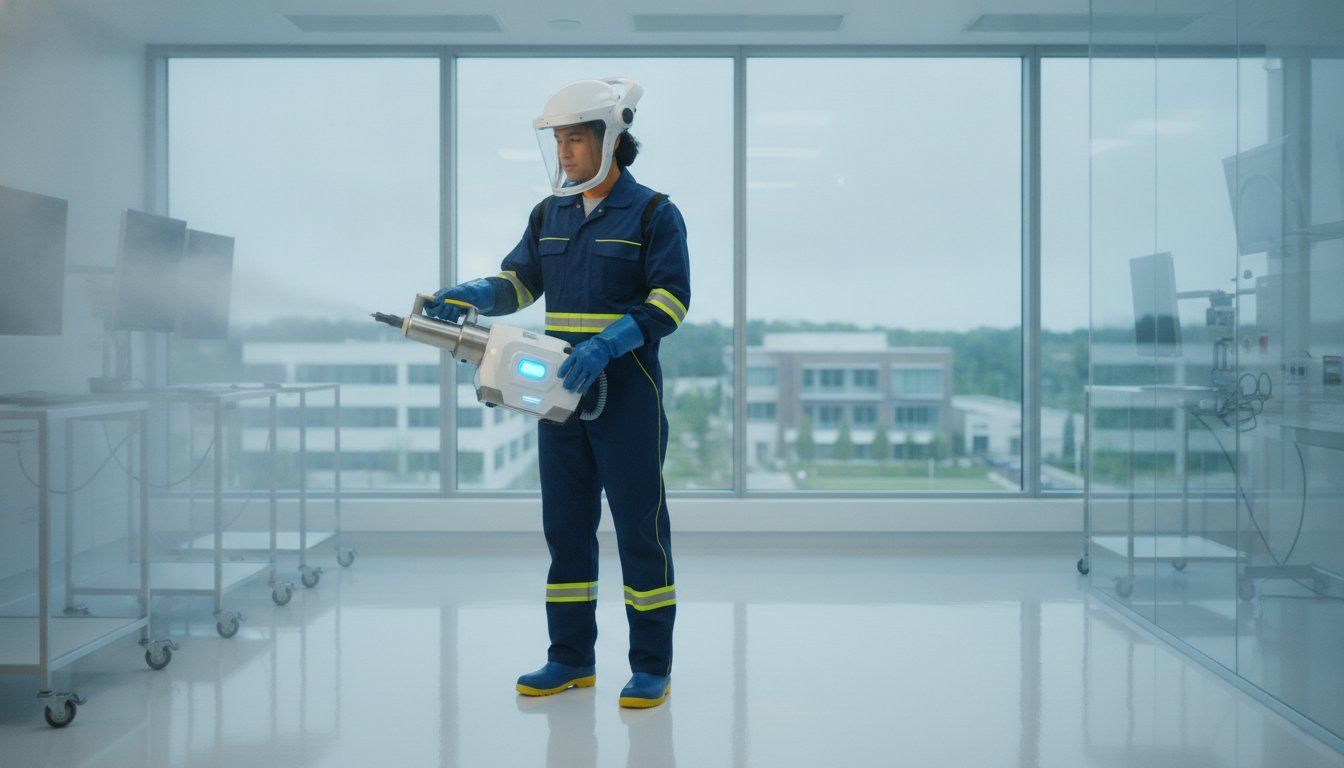
Requirements for daily office cleaning vary significantly between a 2,000-square-foot professional suite and a 50,000-square-foot industrial complex in Bohemia. Modern protocols utilize advanced technology to maximize efficiency. HEPA-filter vacuums capture 99.97% of airborne particulates, while electrostatic sprayers provide 360-degree coverage on complex surfaces. These tools ensure that sanitation reaches beyond visible surfaces to address microscopic contaminants in high-density work zones. It's a pragmatic approach that replaces manual guesswork with engineered precision.
Commercial Cleaning Services Advance Industrial Maintenance: 40 Years of Industrial Excellence
Experience matters in the demanding Nassau and Suffolk County markets. With four decades of history, Commercial Cleaning Services Advance Industrial Maintenance functions as a technical extension of your facility team. We focus on solution-oriented services that prioritize operational uptime. This strategic partnership ensures uninterrupted productivity, allowing your staff to focus on core business objectives while we manage the essential infrastructure of your workspace. Our team understands the high stakes of facility maintenance and delivers the stability required in a complex industrial environment. We don't just provide a service; we provide the reliability your operation demands.
Optimizing Long Island Facility Standards for 2026
Maintaining a high-performing workplace requires a rigorous commitment to daily office cleaning protocols that protect both employee health and physical assets. By implementing standardized checklists and prioritizing high-stakes environments like medical suites, Long Island firms ensure their operations remain uninterrupted. Advance Industrial Maintenance brings over 40 years of experience to Nassau and Suffolk Counties, providing the technical authority needed to manage complex facility requirements. Our solution-oriented team focuses on industrial excellence and operational uptime, treating every service agreement as a strategic partnership. We understand the specific demands of the 2026 business landscape. Whether you manage a general corporate office or a sensitive healthcare facility, professional consistency is your greatest defense against operational friction. It's time to transition from reactive maintenance to an engineered strategy that supports your long-term success. We've seen every industrial challenge and possess the insight to solve them. We're ready to help you maintain a facility that works as hard as you do.
Frequently Asked Questions
Is daily office cleaning necessary for a small office with only a few employees?
Daily office cleaning is essential for small offices to prevent the accumulation of pathogens and maintain high air quality standards. Even in a facility with 5 employees, high-touch surfaces like keyboards and door handles accumulate bacteria rapidly. Consistent maintenance prevents dust from clogging HVAC systems, which can lower ventilation efficiency by 15 percent. This pragmatic approach protects your operational uptime and ensures a professional atmosphere for every visitor.
What is the difference between daily cleaning and professional disinfection services?
Standard cleaning removes surface-level contaminants while professional disinfection utilizes specialized chemicals to eliminate 99.9 percent of viral and bacterial threats. Daily procedures focus on visible debris and organizational order to keep the facility functional. Professional disinfection is a technical intervention designed to break the chain of infection on critical touchpoints. Combining these methods ensures your facility meets the rigorous safety standards required for modern industrial excellence.
How much does daily office cleaning cost for a commercial facility on Long Island?
The cost for daily office cleaning on Long Island varies based on square footage, with regional rates often falling between $0.10 and $0.30 per square foot for commercial spaces. Data from the 2023 Bureau of Labor Statistics indicates that janitorial labor in the New York metropolitan area carries a mean hourly wage of $19.24. Final pricing depends on the specific MRO supplies needed and the technical requirements of your equipment. A site-specific assessment is the most reliable way to determine your exact investment.
Can daily cleaning help reduce employee sick days and absenteeism?
Daily cleaning protocols can reduce employee sick days by as much as 46 percent according to research from the Journal of Occupational and Environmental Medicine. By neutralizing germs on shared surfaces, you prevent the spread of influenza and other common viruses that cause operational downtime. Maintaining a sanitary environment is a strategic partnership between management and facility services. It ensures your team remains on-site and focused on productivity.