Professional Debris Removal in New York: A Commercial Guide for Long Island Businesses
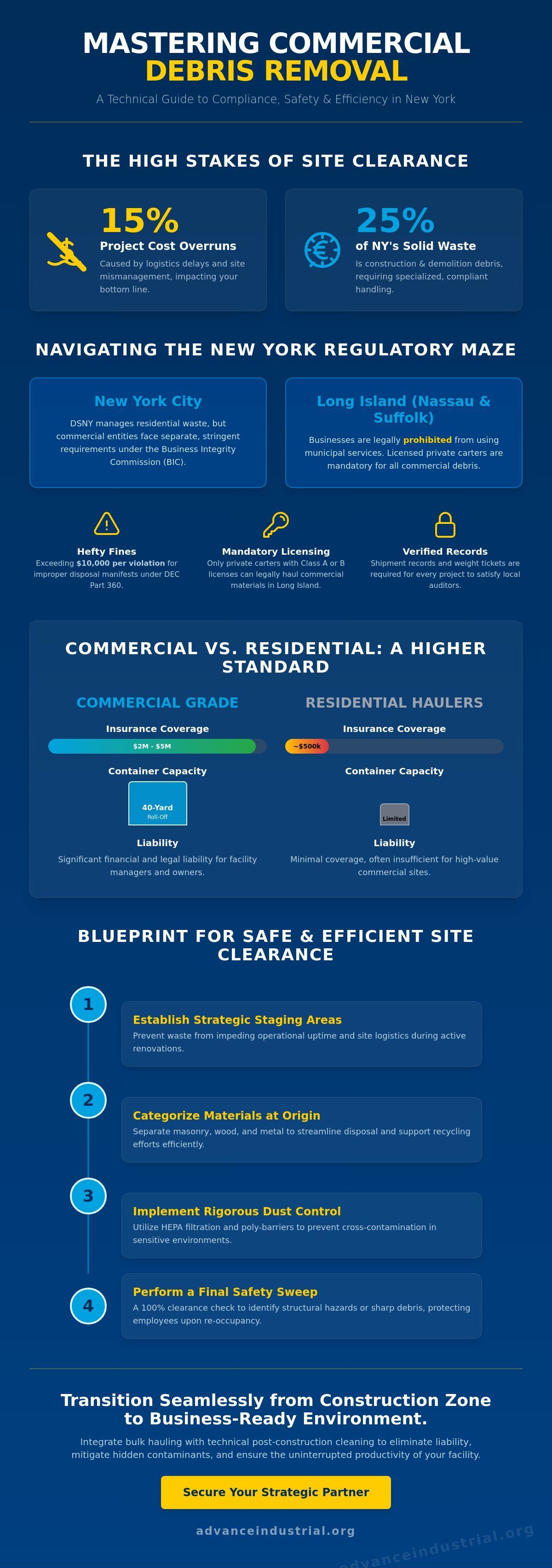
A 2022 industry analysis indicates that logistics delays and site mismanagement account for nearly 15% of total project cost overruns. You recognize that completing a build-out is only the first phase of project success. The final hurdle involves clearing the site of materials and post-construction waste to ensure a safe, functional workspace. Professional debris removal New York services are critical here, especially since construction and demolition waste represents 25% of the state's total solid waste according to 2023 DEC data. Managing this volume requires more than just a hauling permit; it requires a strategic partnership focused on technical compliance and site safety.
You need a clear path through the conflicting waste regulations that separate New York City from Nassau and Suffolk Counties. This guide outlines the essential steps for efficient, compliant debris removal to transition your commercial site into a business-ready environment. We provide a technical overview of waste segregation, local safety codes, and logistics strategies designed to protect your operational uptime. By leveraging a single-source provider to achieve industrial excellence, you can eliminate liability concerns and ensure the uninterrupted productivity of your facility without unnecessary delays.
Key Takeaways
- Navigate the regulatory distinctions between NYC DSNY collection and private commercial requirements in Nassau and Suffolk Counties to maintain full site compliance.
- Optimize your project timeline by implementing professional debris removal New York strategies that prioritize material categorization and waste stream efficiency.
- Establish strategic staging areas to prevent construction waste from impeding operational uptime and site logistics during active renovations.
- Identify and mitigate hidden contaminants, such as fine dust in HVAC systems and window tracks, to ensure a safe transition for employee re-occupancy.
- Streamline the transition from a construction zone to a business-ready environment by integrating bulk hauling with technical post-construction deep cleaning.
Navigating Debris Removal Regulations in New York and Long Island
Commercial debris removal is the systematic clearance of non-hazardous Construction and demolition waste from industrial facilities and construction sites. This process involves the management of materials like concrete, steel, timber, and masonry generated during large-scale renovations. In the New York metropolitan area, the regulatory landscape is bifurcated. While the NYC Department of Sanitation (DSNY) manages residential waste, commercial entities in Nassau and Suffolk Counties are legally prohibited from using municipal services. Instead, these businesses must engage licensed private carters to maintain compliance. Utilizing a single-source provider for debris removal New York ensures that all logistical and regulatory hurdles are cleared before they impact your operational timeline.
- Regulatory Oversight: Commercial waste in New York is governed by the Business Integrity Commission (BIC) and the Department of Environmental Conservation (DEC).
- Financial Risk: Failure to maintain proper disposal manifests can result in fines exceeding $10,000 per violation under NYS DEC Part 360 regulations.
- Mandatory Licensing: Only private carters with specific Class A or Class B licenses can legally haul commercial materials in Long Island jurisdictions.
Commercial vs. Residential Debris Standards
Facility managers face significantly higher liability stakes than residential property owners. Industrial projects generate tons of material that exceed the weight limits and volume capacities of standard residential junk haulers. Most residential providers carry limited insurance, often capped at $500,000, which is insufficient for high-value commercial sites. Professional carters provide $2 million to $5 million in general liability coverage and utilize 40-yard roll-off containers. These debris removal New York protocols are strictly enforced to prevent site accidents and ensure industrial excellence through superior equipment standards.
Local Compliance in Nassau and Suffolk Counties
Long Island requires specific environmental protections due to its sole-source aquifer system. Disposal must occur at DEC-permitted transfer stations that meticulously track every ton of material. Businesses must provide verified waste shipment records and weight tickets for every project to satisfy local auditors. We view these requirements as part of a strategic partnership to maintain your facility's operational integrity. Our approach prioritizes adherence to the 2023 updated penalty schedules to ensure your business maintains uninterrupted productivity and avoids costly legal entanglements.
How to Manage a Safe and Efficient Site Clearance
Executing a successful debris removal New York project requires a focus on uninterrupted productivity. Project managers should establish a designated staging area to prevent material accumulation from obstructing active commercial zones. This strategy ensures that facility logistics remain fluid while the removal process continues. It's essential to categorize materials at the point of origin; separating masonry, wood, and metal streamlines disposal and supports recycling efforts. Adherence to New York State C&D regulations ensures compliance while reducing the volume of waste sent to regional landfills.
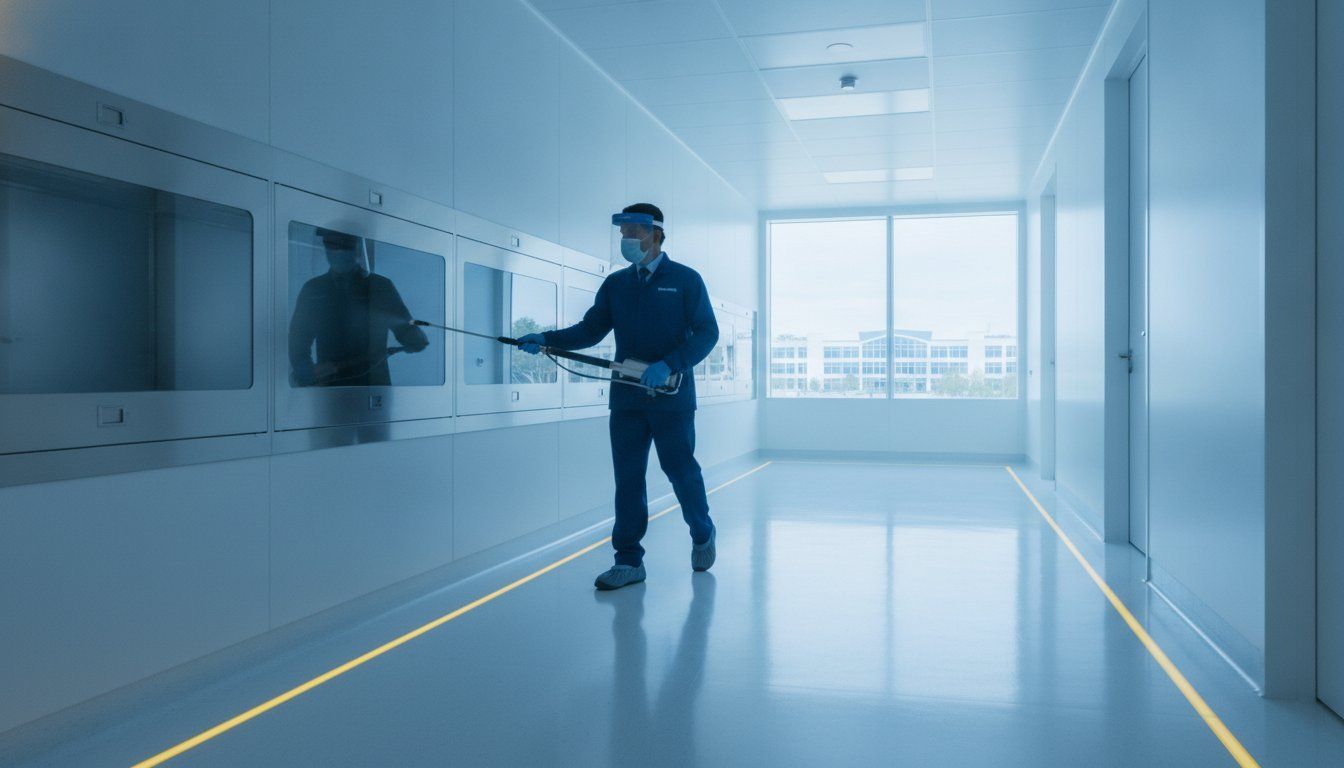
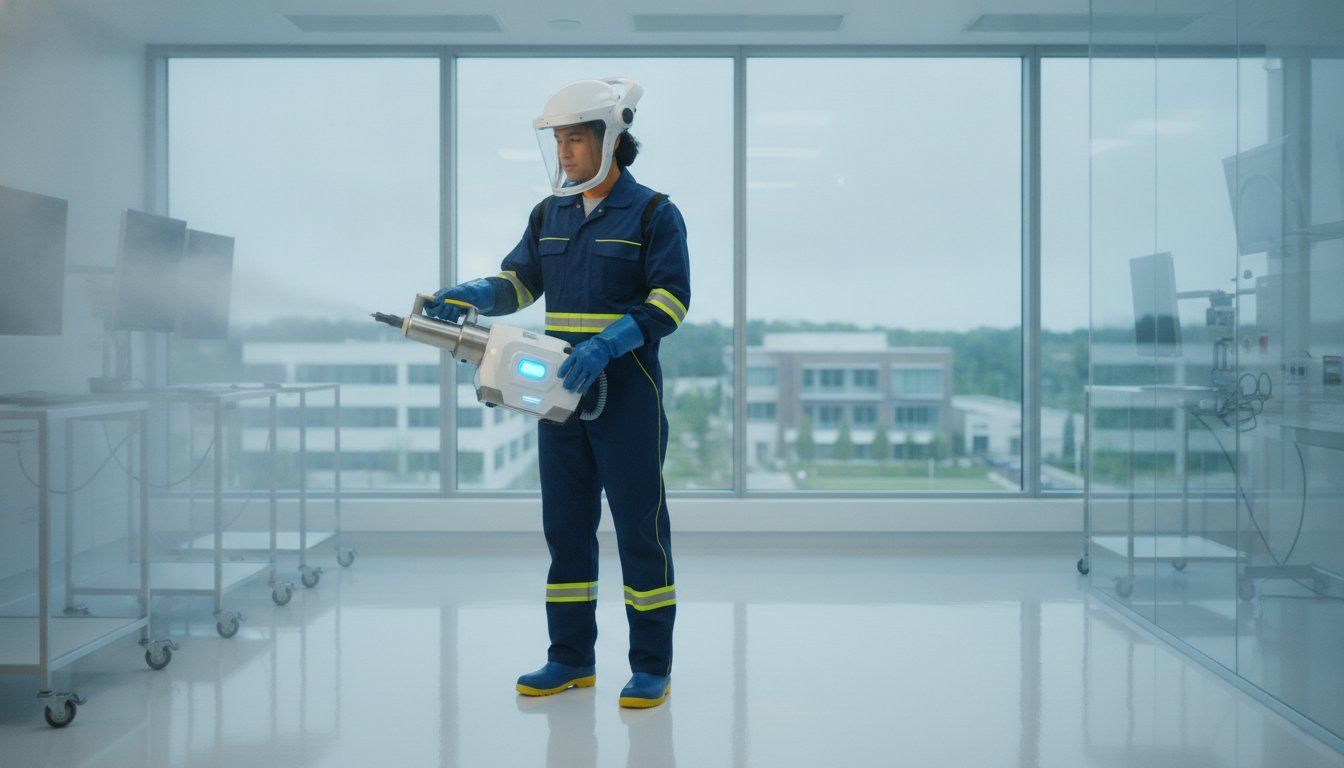
Rigorous dust control measures are mandatory when working near sensitive environments like healthcare facilities or corporate offices. Utilizing 0.3-micron HEPA filtration systems and temporary poly-barriers prevents cross-contamination. Once the bulk material is cleared, a final safety sweep identifies structural hazards or sharp debris. This 100% clearance check protects employees and maintains industrial excellence throughout the project lifecycle.
The Logistics of Commercial Hauling
Coordinating hauling schedules is critical in high-traffic hubs like Melville or Hauppauge. To maintain efficiency, schedule heavy equipment arrivals for debris removal New York outside of peak transit windows, specifically avoiding the 7:00 AM to 9:00 AM rush. Protecting the physical plant is equally important. Using 3/4-inch plywood or industrial rubber matting prevents heavy machinery from damaging finished floor surfaces or exterior landscaping. For technical guidance on maintaining site integrity, consult with a strategic partner who understands these logistics.
Safety Protocols for Industrial Excellence
Personnel must wear OSHA-compliant PPE, including high-visibility vests, steel-toe boots, and impact-resistant eye protection, during every phase of the site clearance.
Large-scale medical or industrial renovations often involve 15% more technical complexity due to the presence of specialized equipment or hazardous materials. These projects require precise containment protocols and documented disposal chains. This single-source provider approach ensures full regulatory alignment and site safety for complex renovations.
Beyond Hauling: Preparing Your Space for Re-Occupancy
Effective site management doesn't end when the last roll-off container leaves the property. Transitioning from bulk removal to a business-ready environment requires a shift in focus toward microscopic particulates and hidden contaminants. Fine dust often accumulates in HVAC ductwork, recessed ceiling tile grids, and window tracks. These areas can harbor silica dust and allergens that compromise indoor air quality and sensitive electronics. Adhering to OSHA housekeeping regulations ensures that waste is managed to prevent fire hazards and respiratory risks during the final stages of a project.
The Post-Construction Cleaning Checklist
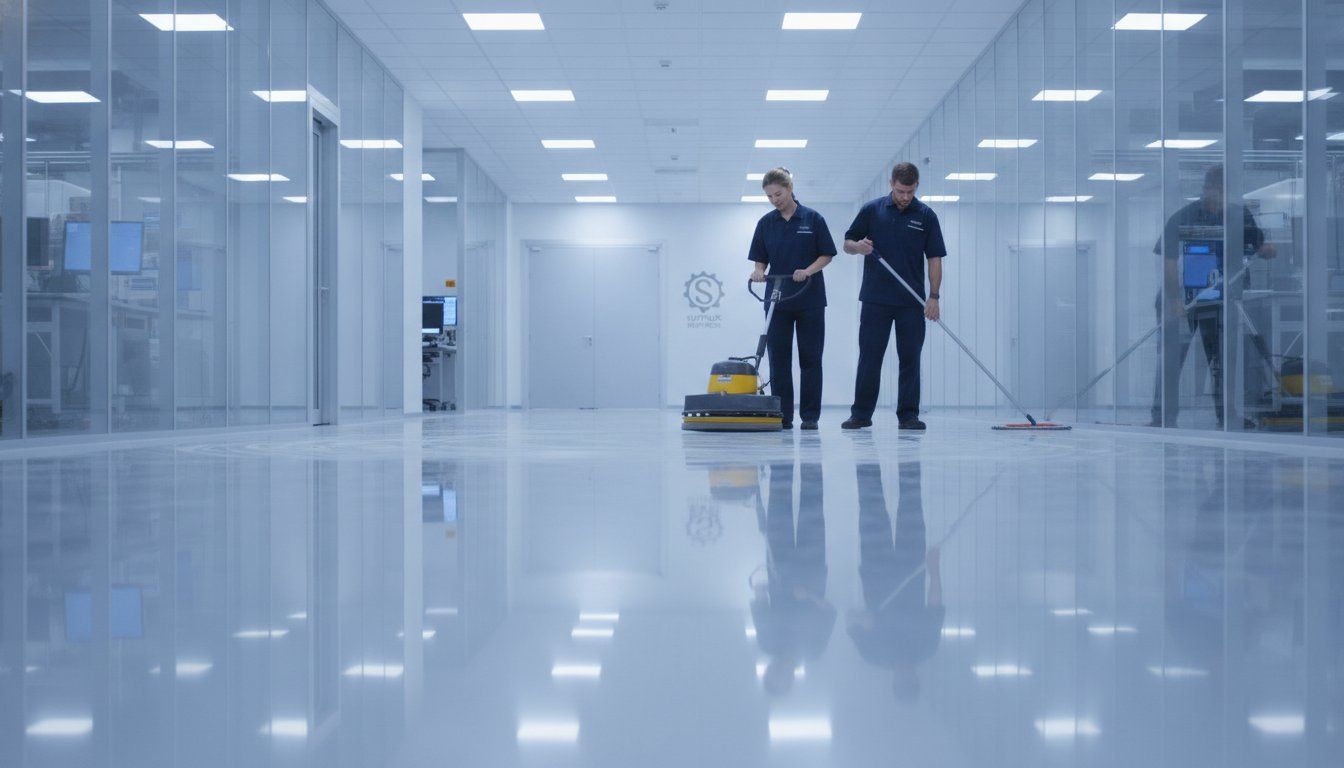
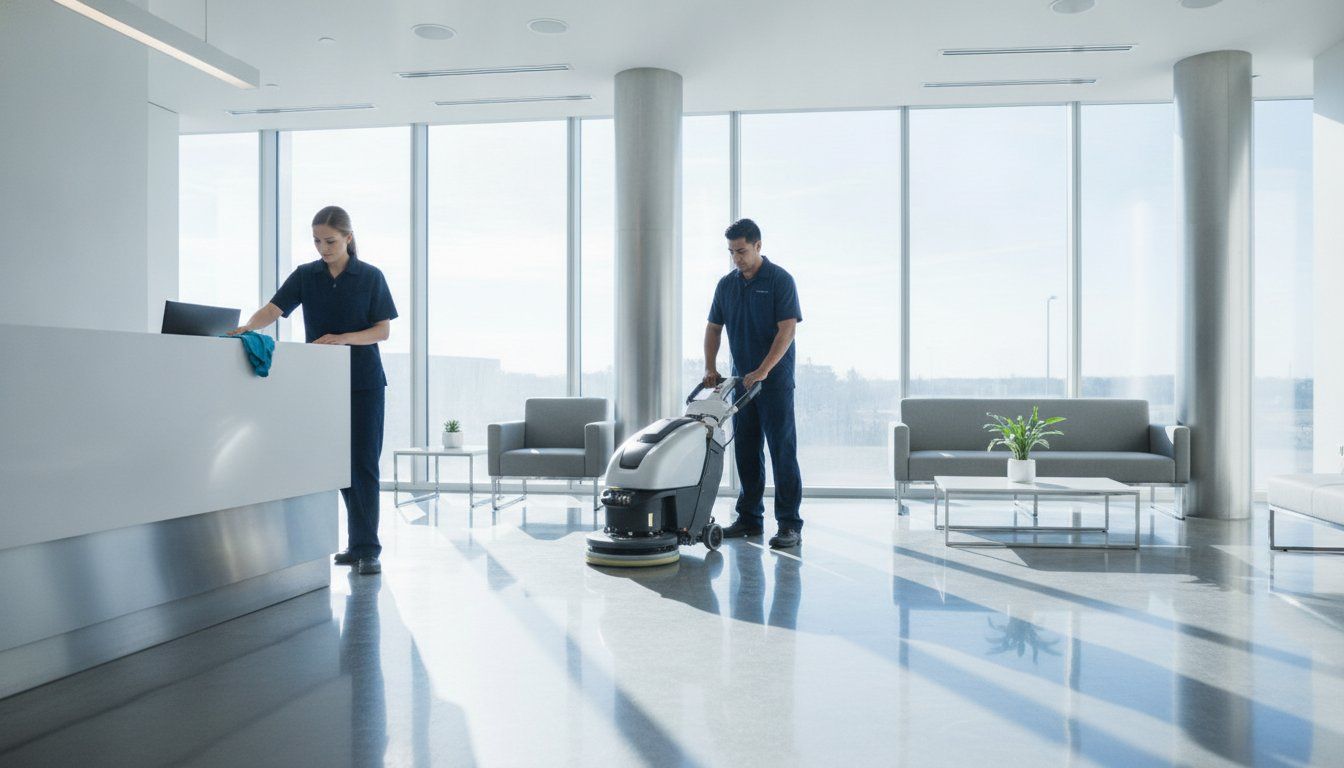
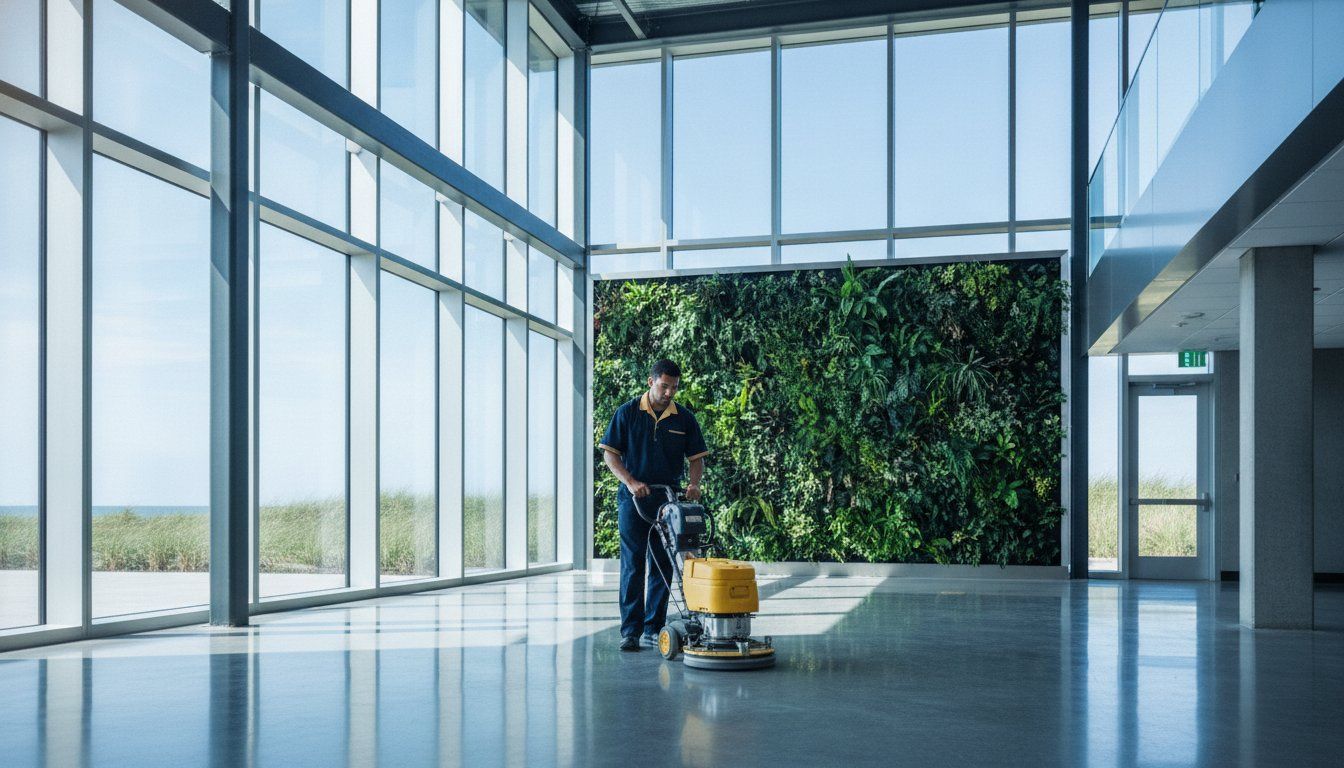
Once the primary debris removal New York phase concludes, technical sanitation begins. We utilize HEPA-filtered vacuums capable of capturing 99.97% of particles as small as 0.3 microns. Heavy traffic from machinery during renovation often degrades floor finishes. Our team provides specialized floor stripping and waxing to restore the protective layer on VCT or polished concrete. This process removes micro-abrasions caused by construction grit. It restores the surface to industrial durability standards, ensuring the floor can withstand the demands of daily commercial operations.
- HEPA vacuuming of all horizontal and vertical surfaces to eliminate fine particulates.
- Deep cleaning of HVAC vents and diffusers to prevent dust recirculation.
- Multi-surface disinfection using industrial-grade, non-toxic agents.
- Precision cleaning of window tracks, door frames, and baseboards.
Achieving Uninterrupted Productivity
Advance Industrial functions as a single-source provider. This eliminates the coordination lag often found when managing multiple contractors. As a 40-year veteran firm, we understand that every hour of downtime impacts your bottom line. By integrating clearance and final sanitation, we reduce the transition period by 25% compared to using separate vendors. The result is a pristine environment that reflects industrial excellence. It allows your staff to resume operations immediately. Our strategic partnership approach focuses on technical precision. We ensure your facility is safe, compliant, and ready for immediate re-occupancy.
Secure Your Operational Continuity Through Professional Site Restoration
Efficiently managing a commercial site requires more than simple waste hauling. It demands strict adherence to New York state compliance standards and a precise strategy for immediate re-occupancy. Professional clearance minimizes costly downtime, ensuring your facility returns to full capacity without regulatory delays or safety risks. Advance Industrial provides this essential infrastructure through 40 years of commercial maintenance experience serving Nassau and Suffolk County businesses. We utilize specialized equipment engineered for the rigorous sanitation requirements of healthcare and industrial facilities.
Our team handles every phase of debris removal New York projects to maintain your facility's safety and technical integrity. It's our priority to provide a single-source solution that streamlines your transition from a construction zone to a functional workspace. You'll benefit from a strategic partnership that prioritizes technical precision and industrial excellence. We look forward to supporting your next project's success.
Frequently Asked Questions
Does New York City DSNY pick up commercial construction debris?
The New York City Department of Sanitation (DSNY) doesn't provide collection services for commercial construction debris. Under NYC Administrative Code § 16-116, all commercial entities must secure private carting services through a Business Integrity Commission (BIC) licensed provider. This mandate ensures that industrial waste is processed according to city safety standards. Relying on a single-source provider for debris removal New York ensures your site remains compliant with these 100% mandatory municipal requirements.
What is the difference between debris hauling and post-construction cleaning in Long Island?
Debris hauling involves the physical removal of bulk materials like heavy concrete, scrap metal, and timber from the job site. Post-construction cleaning is a separate phase focused on detailed sanitization, dust mitigation, and surface polishing to prepare the facility for occupancy. Hauling addresses the structural waste that impacts operational safety, while cleaning ensures the environment meets aesthetic standards. Our strategic partnerships focus on the heavy-duty removal phase to maximize your facility's operational uptime.
How do I ensure my debris removal is compliant with Suffolk County regulations?
Compliance in Suffolk County requires strict adherence to New York State Department of Environmental Conservation (NYSDEC) Part 360 regulations regarding solid waste management. You must ensure all materials are transported to a facility permitted to accept specific waste types, such as the 12 active transfer stations within the county. Maintaining detailed waste manifests is essential for demonstrating regulatory alignment during inspections. This technical precision prevents legal liabilities and supports the long-term success of your industrial operations.
Can debris removal be performed during business hours without disrupting office operations?
Professional crews can execute debris removal New York during standard business hours by utilizing phased extraction routes and low-noise equipment. We coordinate with plant managers to establish high-efficiency workflows that bypass high-traffic zones, maintaining 100% of your operational continuity. This approach minimizes the risk of downtime while ensuring uninterrupted productivity. Implementing a structured removal schedule allows your team to focus on core tasks while we manage the heavy logistics of site clearance.