Commercial Cleaning Service Agreement Checklist: Essential Provisions for 2026

A single OSHA violation for improper chemical labeling can now cost your operation up to $16,550 per citation. For procurement professionals and facility managers, a cleaning contract is more than a routine administrative task; it's a critical component of your risk management strategy. Most operational leaders agree that inconsistent quality and hidden fees for specialty projects usually stem from a lack of technical precision during the contract phase. Utilizing a robust commercial cleaning service agreement checklist is the most effective way to eliminate these variables and establish a collaborative alliance built on accountability and precision.
This article provides an operational roadmap to ensure your agreement protects your facility, reduces liability, and guarantees high-standard results. You'll gain a comprehensive understanding of the essential provisions for 2026, from verifying $1 million general liability coverage to aligning with the latest HazCom training deadlines. We'll examine how to define a bulletproof scope of work that meets rigorous healthcare or industrial sanitation standards while maintaining the infrastructure required for continuous operational success.
Key Takeaways
- Secure your operation by verifying comprehensive insurance coverage, including general liability and mandatory workers' compensation, to mitigate third-party risks and facility liability.
- Utilize a comprehensive commercial cleaning service agreement checklist to define exact service areas, preventing disputes over excluded zones and unexpected specialty project costs.
- Standardize facility upkeep by categorizing technical tasks into daily, weekly, and monthly cycles that prioritize operational continuity and high-level sanitation.
- Maintain alignment with 2026 healthcare and industrial standards by mandating the use of hospital-grade disinfectants and advanced mechanical cleaning systems.
- Establish a rigorous performance audit framework that includes quality control walkthroughs and a structured "Right to Cure" period for efficient issue resolution.
Table of Contents
Core Administrative and Legal Requirements Checklist
Establishing a bulletproof administrative foundation is the first step in any successful collaborative alliance. A well-structured service agreement acts as a stabilizing force, ensuring both parties understand the technical and legal boundaries of the engagement. Your commercial cleaning service agreement checklist must begin with a precise definition of "Service Areas." Vague descriptions lead to friction; instead, specify square footage and exact zones to prevent disputes over excluded areas or overlooked mechanical rooms. This clarity is especially vital for regional operations in Suffolk and Nassau Counties, where facility layouts can vary significantly between industrial and corporate sites.
Financial transparency requires distinct payment structures for different service categories. Recurring janitorial services should be billed on a fixed schedule, while specialized projects, such as floor stripping and waxing, require separate one-time project fees. Additionally, procurement managers should mandate specific clauses for emergency response times. In high-stakes environments like medical facilities, a four-hour response window for disinfection services is a common benchmark for maintaining operational continuity and safety standards.
Insurance and Indemnification Standards
Operational risk management is non-negotiable. Verify that your provider maintains a minimum of $1 million in General Liability insurance and carries mandatory Workers’ Compensation for all staff. Your commercial cleaning service agreement checklist should also require proof of bonding. This protects your facility against theft or property damage in high-value environments. The contractor must explicitly assume liability for chemical handling and the safe operation of industrial equipment to protect your organization from potential OSHA-related penalties.
Frequency and Scheduling Clarity
Precision in scheduling minimizes downtime. Define exact service windows, typically post-business hours, to ensure cleaning crews don't interfere with your primary industrial processes. The agreement should include a comprehensive holiday schedule and a clear protocol for rescheduling missed visits. This level of detail ensures that your facility maintains high-standard results without disrupting your team's workflow or productivity.
Technical Scope of Work: The Operational Checklist
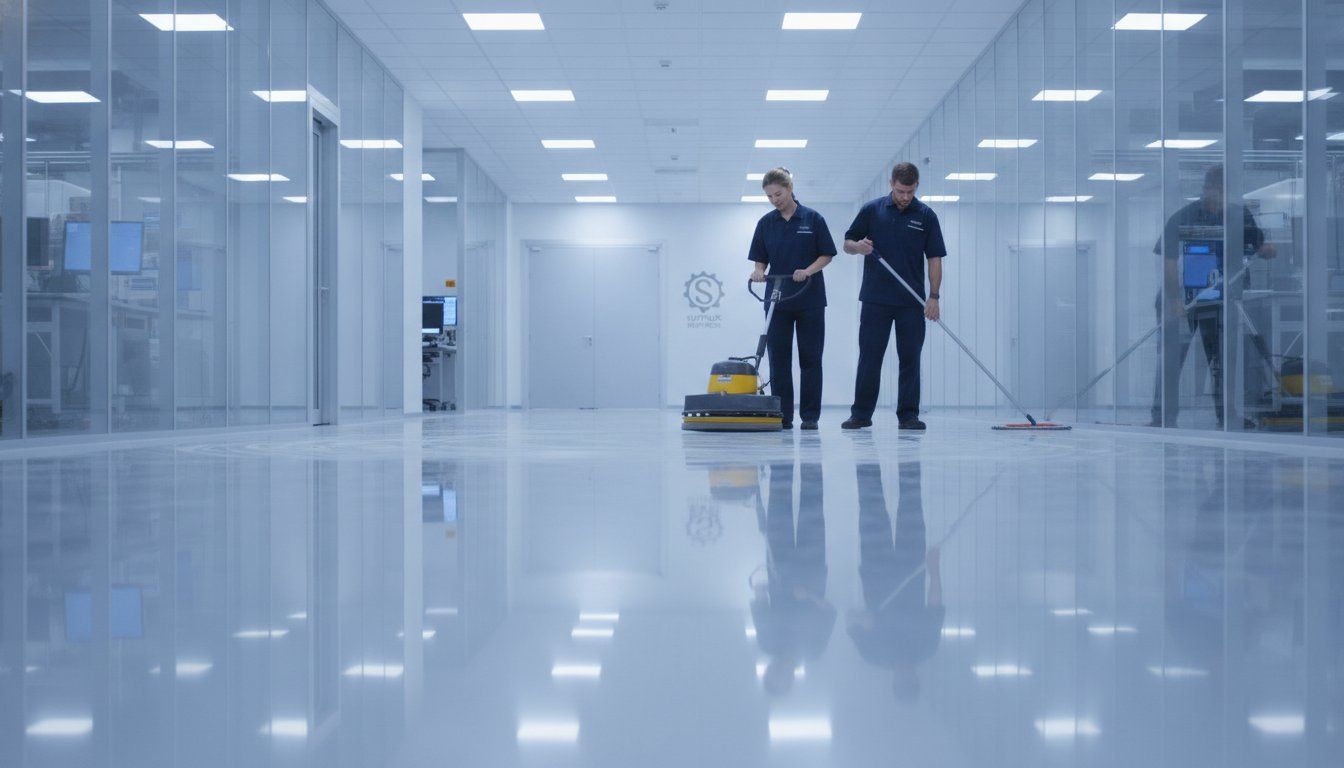
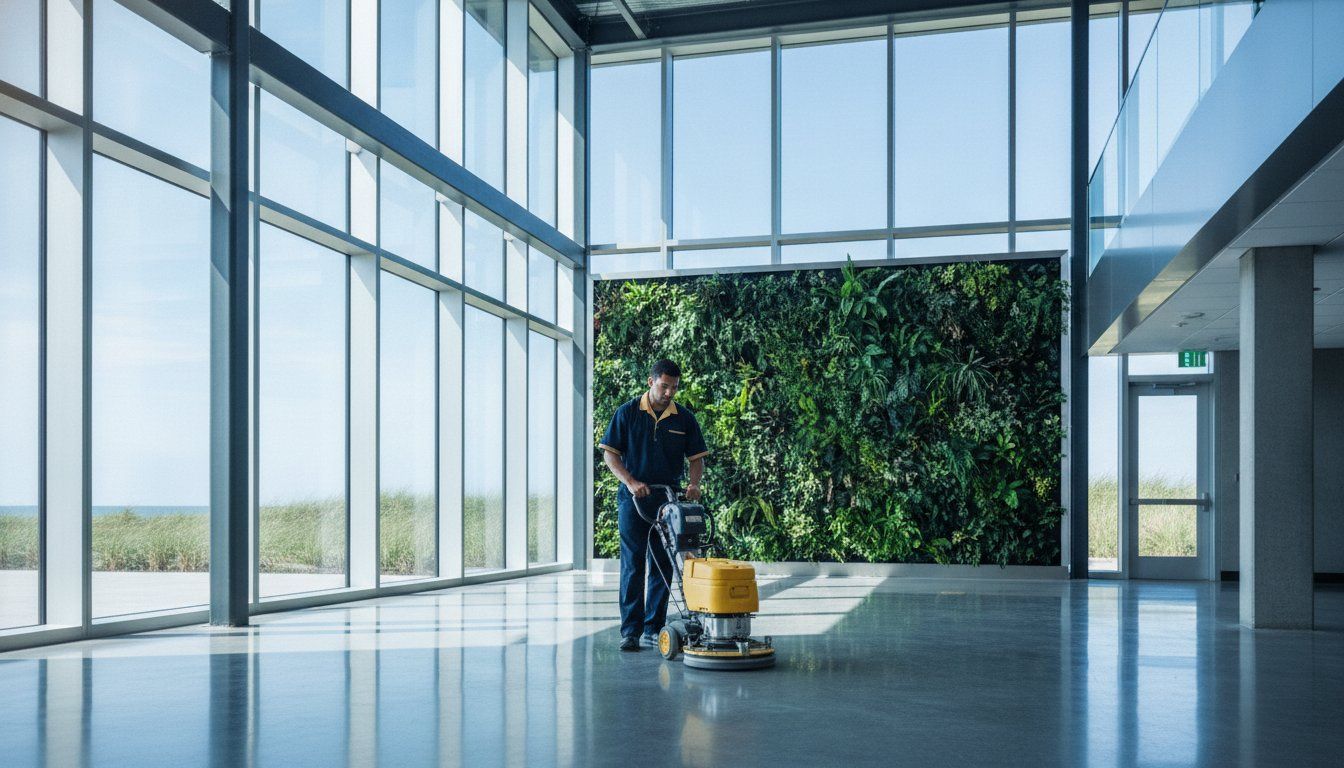
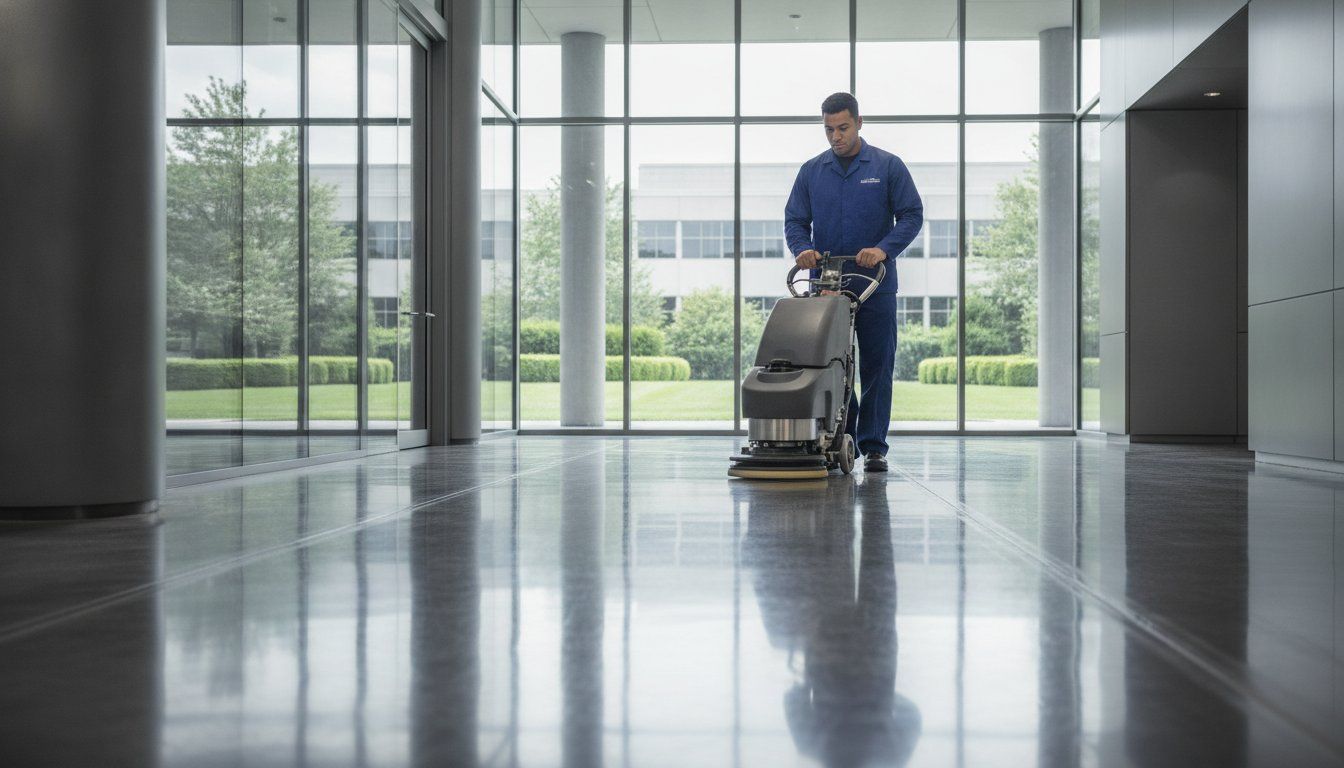
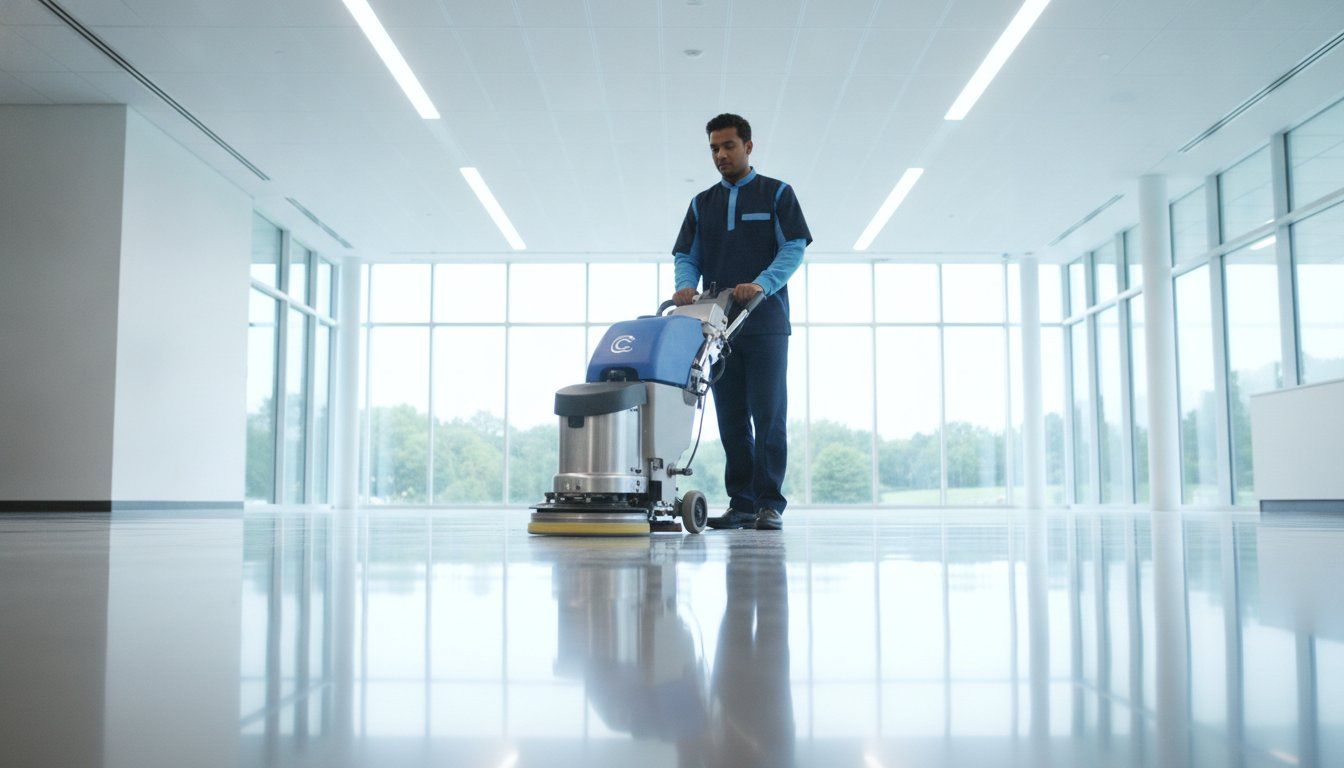
Specifying the use of industrial-grade equipment and hospital-grade disinfectants is mandatory for high-traffic environments. High-traffic floor maintenance, including scheduled stripping and waxing, must be a dedicated line item on your commercial cleaning service agreement checklist to protect the longevity of the flooring material. Integrating Service Level Agreements (SLAs) into this technical scope allows procurement managers to measure performance against concrete data points. If your facility requires this level of precision, seeking a partner for specialized janitorial services ensures your operational standards remain uncompromised.
Office and Common Area Specifications
Healthcare and Specialized Sanitation
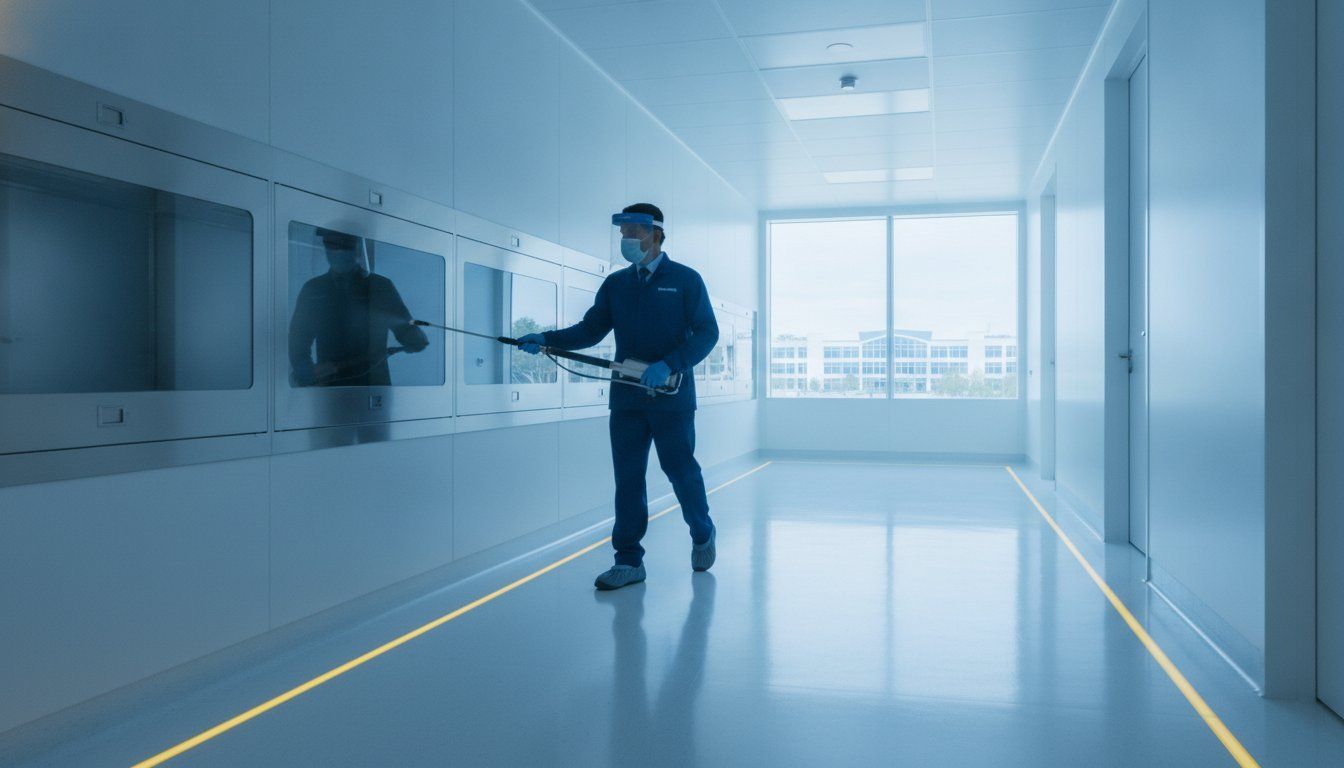
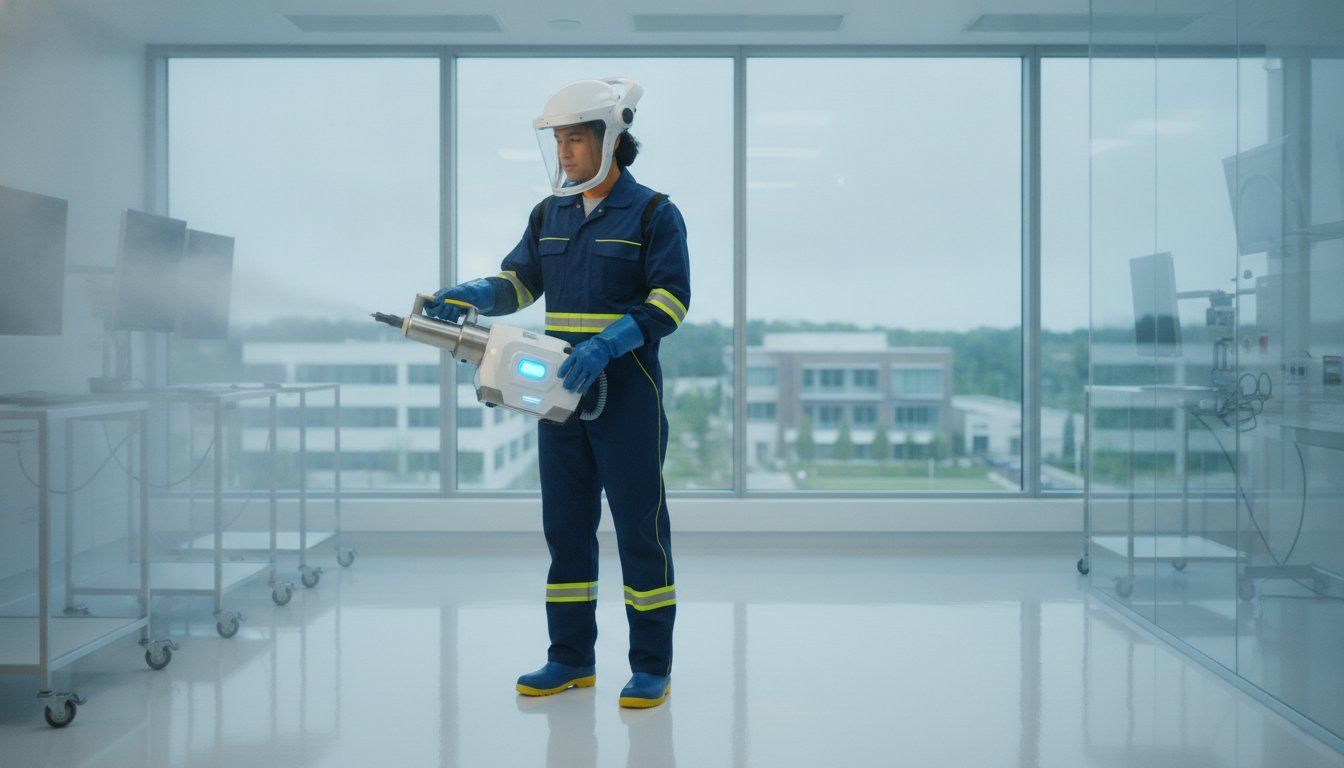
Medical offices in Long Island must adhere to mandatory HIPAA-compliant cleaning protocols. Technical requirements include strict cross-contamination prevention measures and documented bloodborne pathogen training for all staff. These provisions aren't just recommendations; they're essential legal and safety requirements for healthcare sanitation in 2026. Every cleaning cycle must align with these standards to ensure patient safety and regulatory compliance.

Accountability and Performance Audit Provisions
The final step in a robust commercial cleaning service agreement checklist is establishing mechanisms for accountability. Without a framework for regular quality control audits, even the most detailed scope of work can suffer from service creep. These audits should involve joint facility walkthroughs between your facility manager and the cleaning supervisor. To maintain high standards, many organizations align their performance metrics with Federal Service Contract Regulations, which provide a rigorous blueprint for quality assurance and protection of property in service environments.
A pragmatic agreement includes a "Right to Cure" provision. This allows the provider a specific timeframe, typically 24 to 48 hours, to rectify a documented deficiency before financial penalties or contract defaults apply. To track these interactions, mandate a centralized communication log. This tool records daily requests and resolution statuses; it provides a data-driven audit trail that eliminates disputes and ensures nothing falls through the cracks. It's a simple requirement that preserves the integrity of the collaborative alliance.
Project-based specialty cleaning, such as periodic tile and grout restoration or window cleaning, requires a clear approval workflow. Your checklist should specify that these requests must be submitted in writing with a defined cost estimate before work commences. This prevents unauthorized charges and ensures specialty projects stay within the procurement budget. Clear workflows ensure that high-level maintenance doesn't disrupt standard operational costs.
KPIs and Quality Assurance
Implement a performance scorecard to evaluate consistency across multiple facility locations. This scorecard should track specific Key Performance Indicators (KPIs) like response times, supply replenishment, and audit scores. Assigning a dedicated On-Site Supervisor as the primary point of contact ensures that operational issues are addressed immediately by someone with technical authority over the janitorial crew. It's about maintaining precision at every level of the operation.
Contract Termination and Renewal Terms
Maintaining flexibility is vital for facility managers. Establish a 30-day "no-fault" cancellation clause to allow for a smooth exit if the partnership no longer meets your standards. Finally, outline a clear transition process. This ensures there are no service gaps during the hand-off to a new provider, protecting your facility’s sanitation standards and operational stability. A professional exit strategy is just as important as the initial onboarding process.
Securing Your Facility’s Operational Future
A high-performance cleaning contract is the essential infrastructure required for ongoing industrial stability. By implementing a comprehensive commercial cleaning service agreement checklist , you transform a standard vendor relationship into a high-level collaborative alliance. You've seen how precise administrative requirements, technical scope definitions, and rigorous accountability provisions protect your facility from liability while ensuring consistent results. These provisions mitigate risks like OSHA penalties and inconsistent sanitation standards that can compromise your daily productivity.
Commercial Cleaning Services Advance Industrial Maintenance provides the technical authority needed to execute these complex requirements. With over 40 years of Long Island facility expertise, we deploy specialized healthcare and industrial sanitation staff who understand the high stakes of your operation. From comprehensive floor care to specialized project-based solutions, our team serves as a stabilizing force in your supply chain. We prioritize reliability and precision to ensure your environment meets the highest standards of safety and professional excellence. Maintaining a clean facility is a continuous process that requires a dependable partner committed to your long-term success.
Frequently Asked Questions
What is the difference between a janitorial service and a commercial cleaning agreement?
A janitorial service refers to the specific daily maintenance tasks performed within a facility, such as waste removal and restroom sanitation. In contrast, a commercial cleaning agreement is the formal legal document that defines the technical framework, liability limits, and performance standards of the partnership. While the service describes the work, the agreement establishes the accountability and legal protections required for a stable collaborative alliance.
How often should a commercial cleaning contract be reviewed or renewed?
You should review your contract annually to ensure it aligns with current operational requirements and updated safety regulations. An annual audit allows procurement managers to adjust the technical scope of work based on changes in facility occupancy or new industrial standards. Updating your commercial cleaning service agreement checklist every twelve months ensures that your organization maintains high-level sanitation without overpaying for obsolete service cycles.
What insurance limits should I require from a Long Island cleaning company?
Facilities in Suffolk and Nassau Counties should mandate a minimum of $1 million per occurrence in general liability coverage. This standard provides the essential infrastructure for risk management and protects your organization from third-party injury or property damage claims. Additionally, verify that the provider carries mandatory workers' compensation insurance and proof of bonding to secure high-value assets and ensure long-term operational stability.
Can I include specialized projects like floor stripping in a recurring service agreement?
Yes, you can integrate specialized projects like floor stripping and waxing or tile and grout cleaning into a recurring agreement as scheduled periodic tasks. Including these technical services as specific line items prevents hidden fees and ensures consistent asset preservation. Your commercial cleaning service agreement checklist should define the exact frequency and approval workflows for these projects to maintain financial transparency and high-standard results throughout the year.