Commercial Floor Cleaning in Long Island: A Technical Guide to Maintenance and Liability
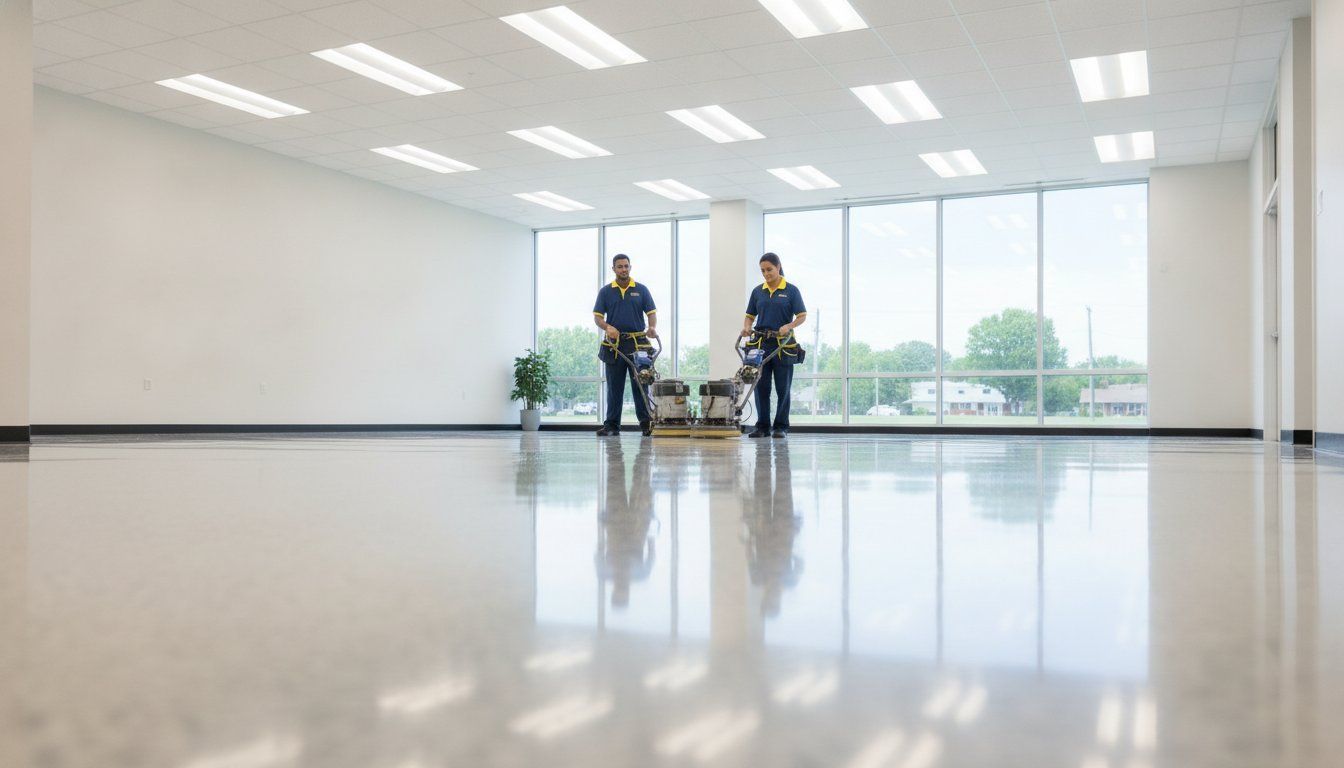
A commercial floor in Nassau or Suffolk County isn't just a walking surface; it's a high-stakes industrial asset constantly under siege by unique environmental variables. You've likely seen how the abrasive combination of winter salt and coastal sand can degrade a standard wax finish in a single season, leaving your facility looking neglected and increasing the risk of slip-and-fall incidents. Maintaining a professional environment requires more than a mop and bucket; it demands a technical strategy focused on preservation and safety.
This guide demonstrates how specialized commercial floor cleaning Long Island protocols protect your facility from environmental wear, reduce legal liability, and extend the functional lifespan of your flooring. We'll outline the precise mechanics of stripping and waxing, the importance of OSHA-compliant slip resistance, and how to maintain a mirror-like finish despite heavy foot traffic. By treating floor care as a component of your operational infrastructure, you can mitigate risk and ensure the long-term stability of your investment. You'll gain a clear understanding of the protocols necessary to keep your facility safe and visually impressive year-round.
Key Takeaways
- Understand how the specific combination of coastal sand and winter salt chemically degrades floor finishes across Nassau and Suffolk Counties.
- Implement a technical selection framework for commercial floor cleaning Long Island that prioritizes baseboard-to-baseboard stripping for a uniform, mirror-like finish.
- Identify how professional floor maintenance ensures your facility meets OSHA-compliant slip resistance and Coefficient of Friction standards to mitigate liability.
- Learn why interim scrub and recoat procedures are essential for high-traffic environments to prevent the yellowing and wax buildup that can hide floor defects.
- Discover how precise drying protocols in high-humidity coastal areas ensure proper finish adhesion and long-term protection of your flooring investment.
Table of Contents
The Environmental Impact on Commercial Floor Cleaning in Long Island
Long Island's geography dictates its maintenance requirements. In Nassau and Suffolk, winter de-icing agents like sodium chloride and calcium chloride do more than melt ice. They create a chemical reaction that softens floor finishes, making them susceptible to deep-seated staining. When these chemicals combine with the abrasive quartz sand common in our coastal environment, the result is an accelerated erosion of the floor's protective layer. Standard cleaning often fails to neutralize these alkaline residues, leading to a permanent loss of clarity in the finish.
There's a fundamental distinction between standard janitorial mopping and technical floor maintenance. While mopping addresses surface debris, it often fails to remove the microscopic particulates trapped within the wax pores. Technical commercial floor cleaning Long Island focuses on the molecular integrity of the floor finish rather than just surface appearance. Restorative Floor Care is the complete removal and replacement of floor polymers to protect the underlying substrate. For a broader perspective on maintenance standards, you can review this comprehensive guide to floor cleaning which outlines surface-specific technical protocols.
High-Traffic Challenges in Melville and Hauppauge Hubs
Coastal Climate and Finish Longevity
Coastal humidity in areas like Bohemia significantly impacts finish adhesion. High moisture levels in the air prevent floor waxes from curing at the correct rate, leading to "tacky" surfaces that attract more dirt. It's vital to select the correct solids-percentage in floor waxes to balance durability with the specific atmospheric conditions of the Long Island shoreline. This precision ensures a stable, long-lasting bond between the finish and the substrate even during humid summer months.
Restorative Floor Stripping and Waxing: A Technical Selection Framework
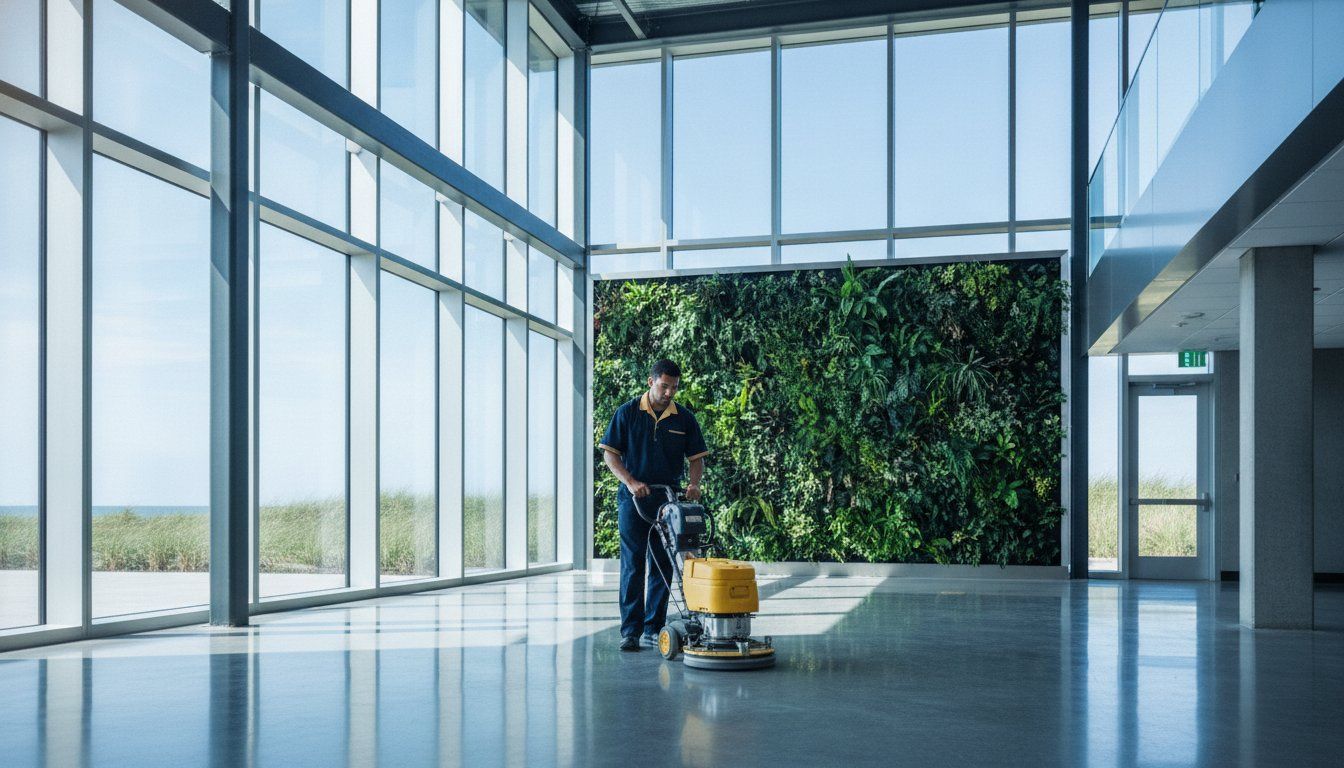
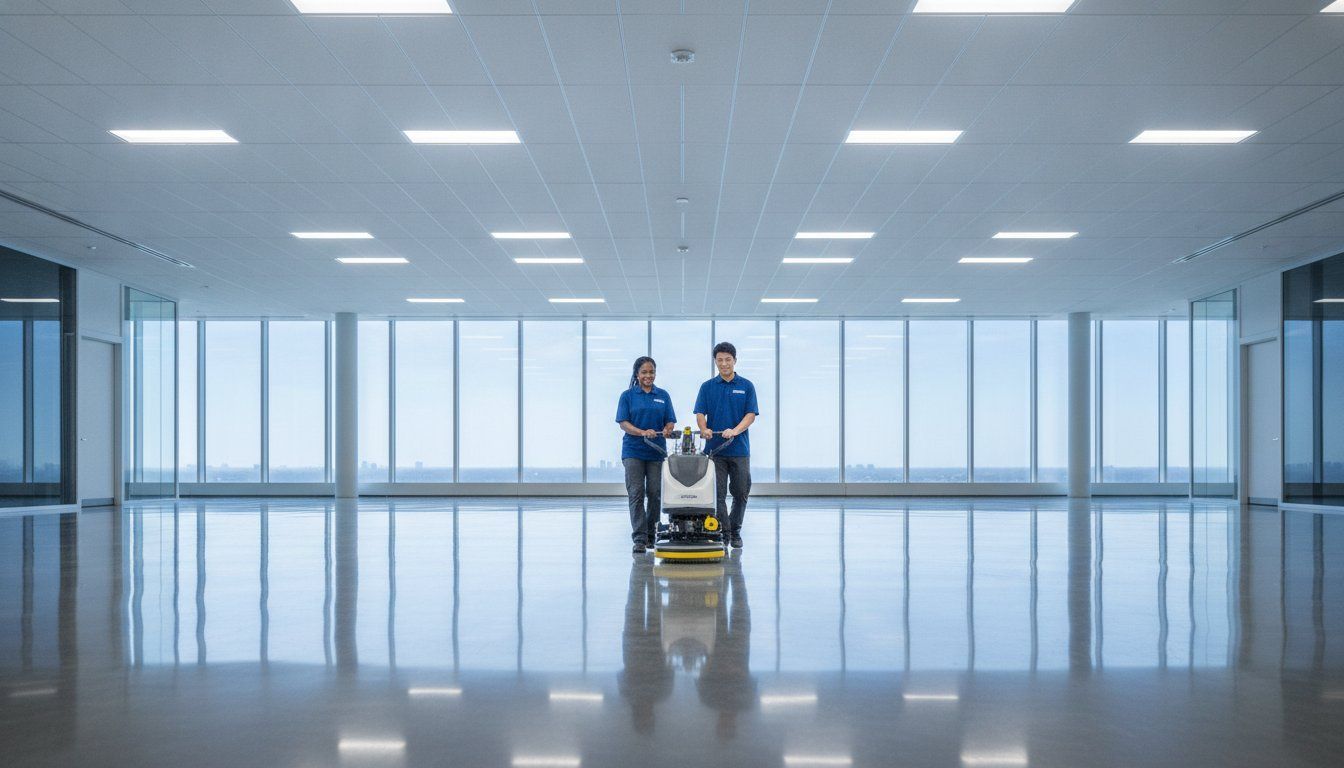
Effective restorative care begins with the total removal of previous coatings. A uniform finish requires a baseboard-to-baseboard approach to prevent "picture framing," where old, yellowed wax accumulates at the edges of a room. For medical facilities in Ronkonkoma, a full strip isn't always feasible due to high occupancy and operational demands. In these environments, a scrub and recoat serves as an essential interim necessity. This process removes the top soiled layer of finish without reaching the tile substrate, maintaining hygiene standards between major restorative cycles.
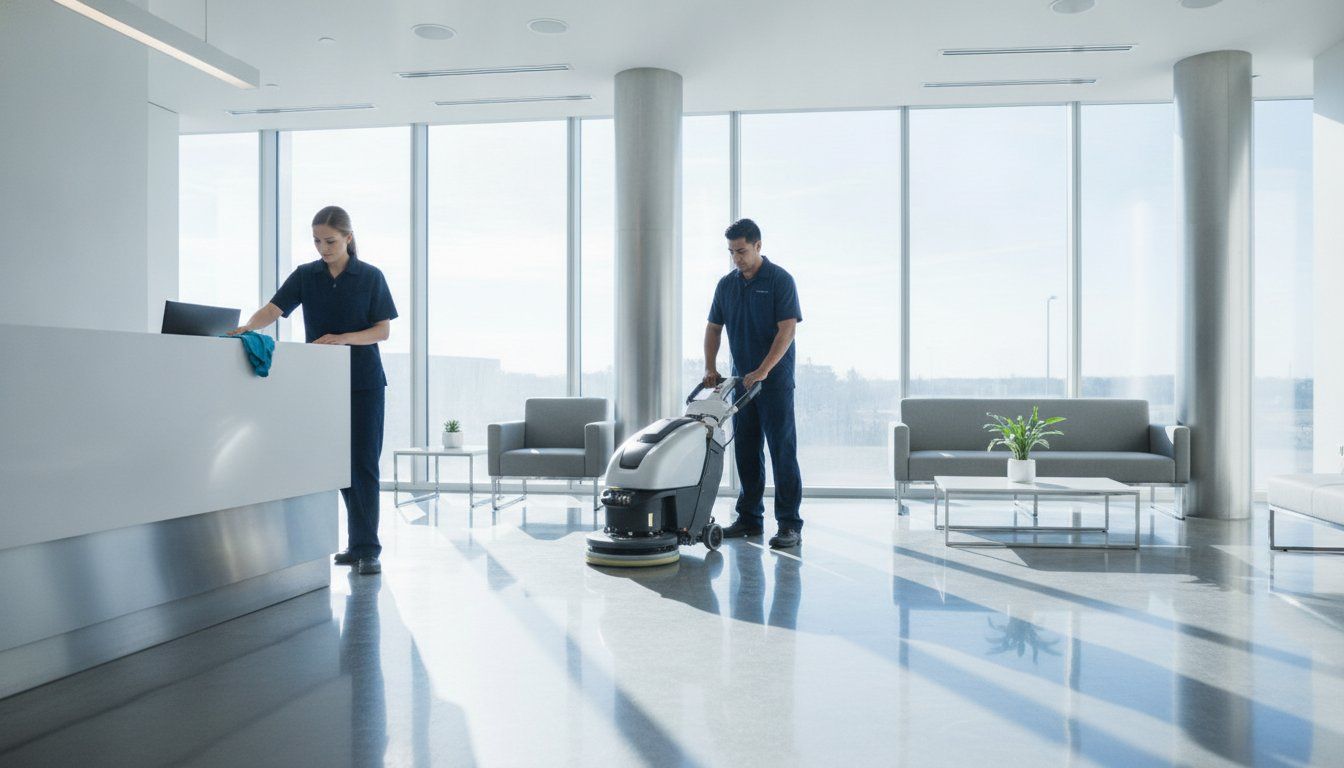
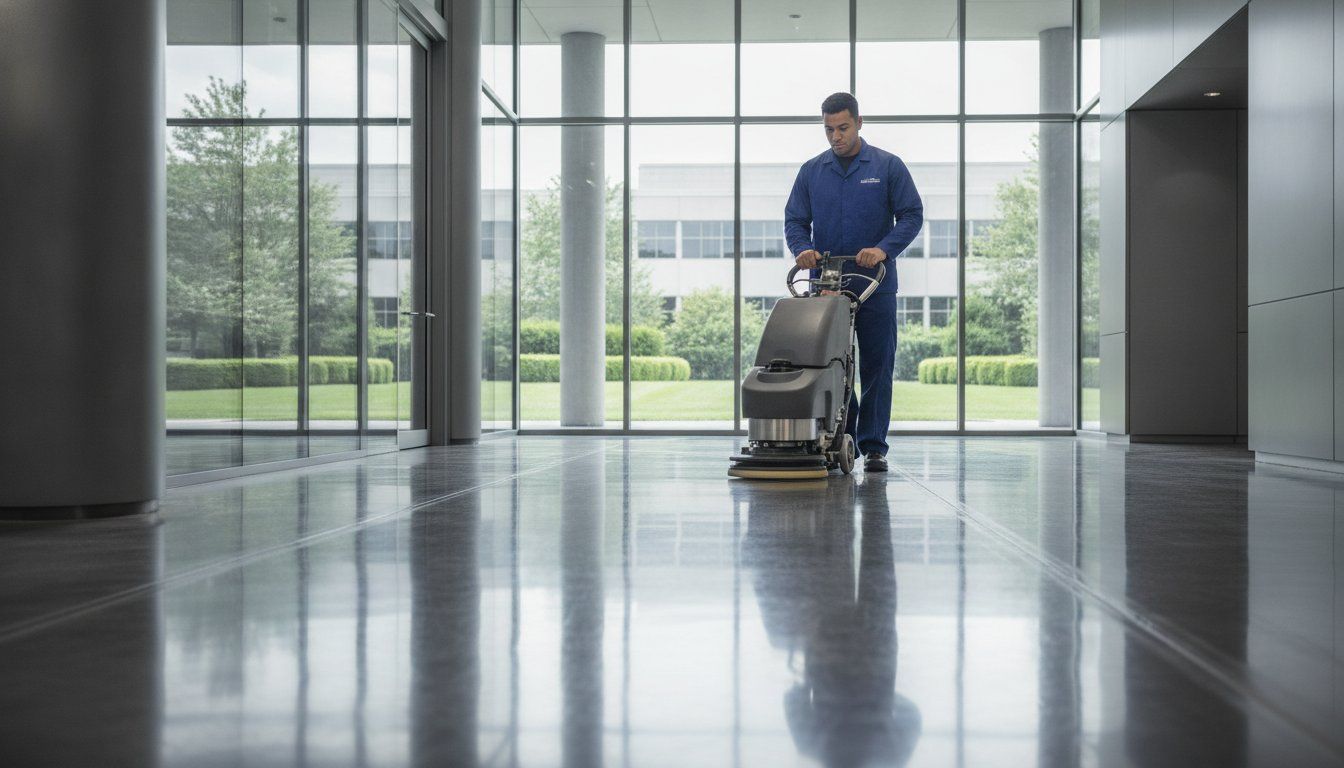
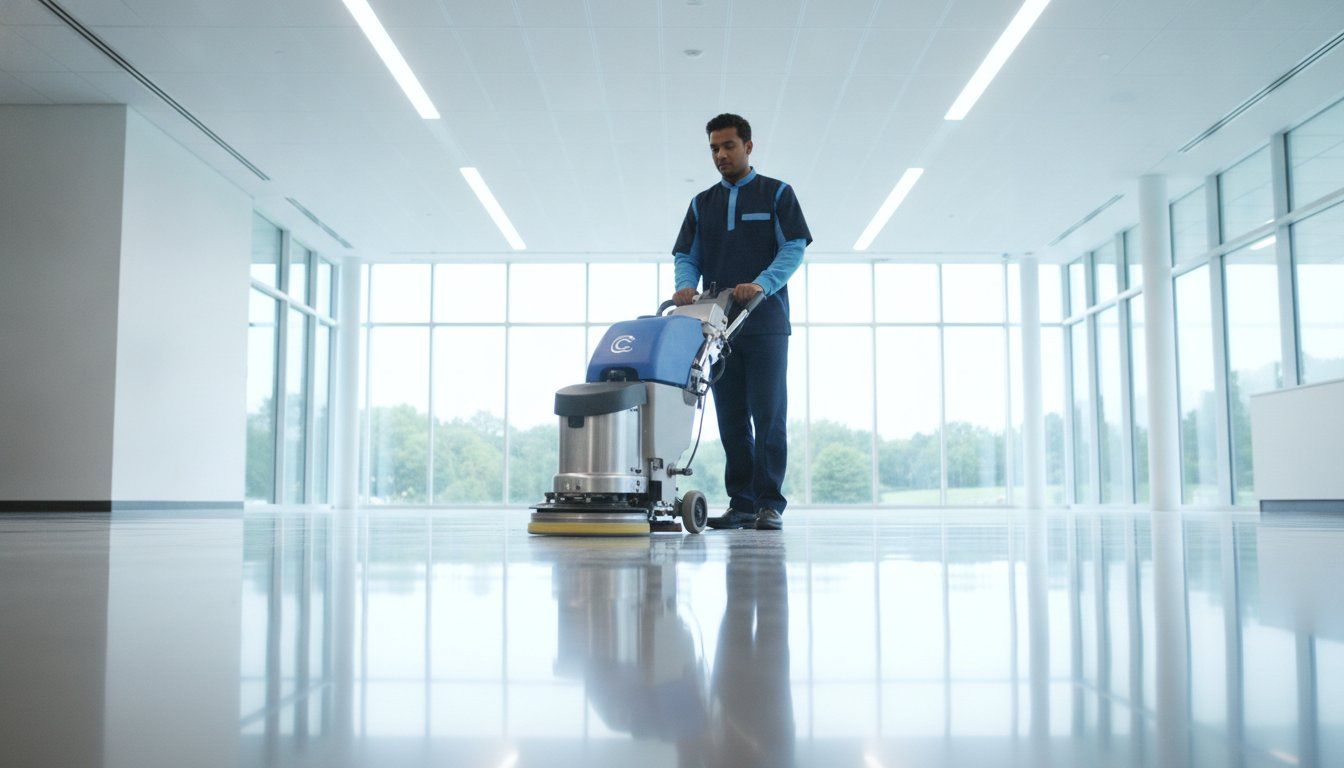
Chemical precision is the foundation of a successful polymer bond. Stripping agents are highly alkaline. If the floor isn't properly neutralized after stripping, the new wax will fail to adhere, leading to "powdering" or premature peeling. High-performance commercial floor cleaning Long Island relies on this pH balance to ensure the longevity of the flooring investment. Maintaining these surfaces also requires understanding the difference between low-speed buffing and high-speed burnishing. Buffing at 175 RPM repairs minor scuffs and restores a soft glow; high-speed burnishing at 2,000 RPM creates a mirror-like "wet look" through thermal friction.
The 5-Step Restorative Process
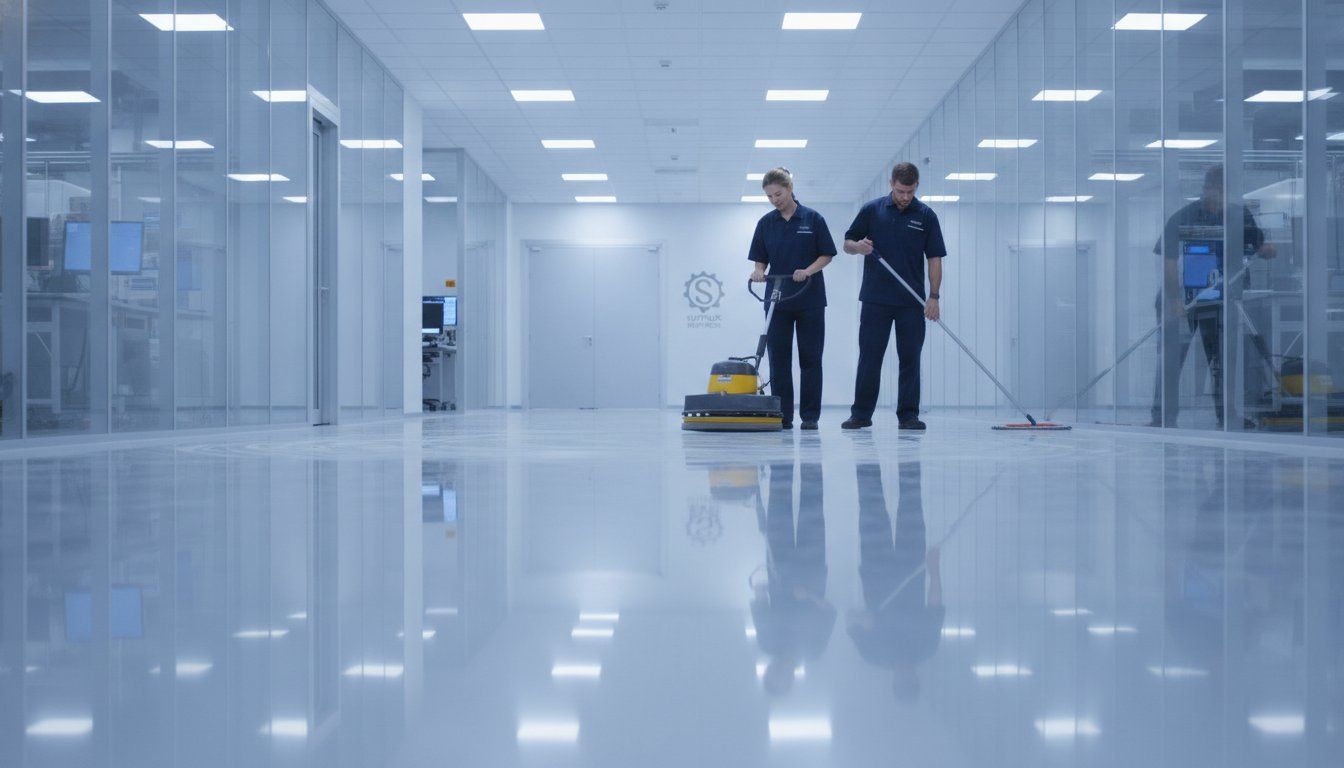
Execution follows a strict mechanical hierarchy to ensure consistency. The process involves chemical application to saturate old wax, followed by mechanical agitation using aggressive pads. Once the finish is liquefied, we utilize wet vacuums for slurry removal. After a thorough rinsing and neutralizing stage, we apply multiple thin coats of polymer finish. Multiple thin layers are superior to a single thick coat because they cure more evenly and provide significantly better impact resistance over time.
Choosing the Right Finish for Your Industry
Corporate headquarters in Hauppauge often prioritize high-gloss aesthetics to reflect professional stability. Conversely, healthcare facilities in Nassau County require finishes that prioritize safety and durability. These environments must adhere to OSHA floor safety standards by maintaining a high coefficient of friction even when wet. You can monitor our latest technical service standards and updates through our operational feed.

Mitigating Liability Through Professional Floor Maintenance
Improper waxing creates hidden dangers that often go unnoticed until an incident occurs. Over time, yellowing and excessive wax buildup don't just degrade the facility's appearance; they can obscure structural floor defects like cracks or uneven tiles. This lack of visual transparency prevents maintenance teams from identifying hazards before they cause injury. Establishing a defensible maintenance log is a necessary step for insurance and compliance purposes. These records provide a clear history of professional care, which is vital during liability audits or legal inquiries.
Commercial Cleaning Services Advance Industrial Maintenance brings a 40-year legacy of technical authority to every facility. Founded in 1984 and based in Bohemia, we offer a level of localized expertise that national franchise models can't replicate. We understand the specific operational pressures of Nassau and Suffolk Counties because we've navigated them for four decades. This experience ensures that our protocols are grounded in the practical realities of Long Island's industrial and commercial sectors.
Compliance Standards for Healthcare and Industrial Spaces
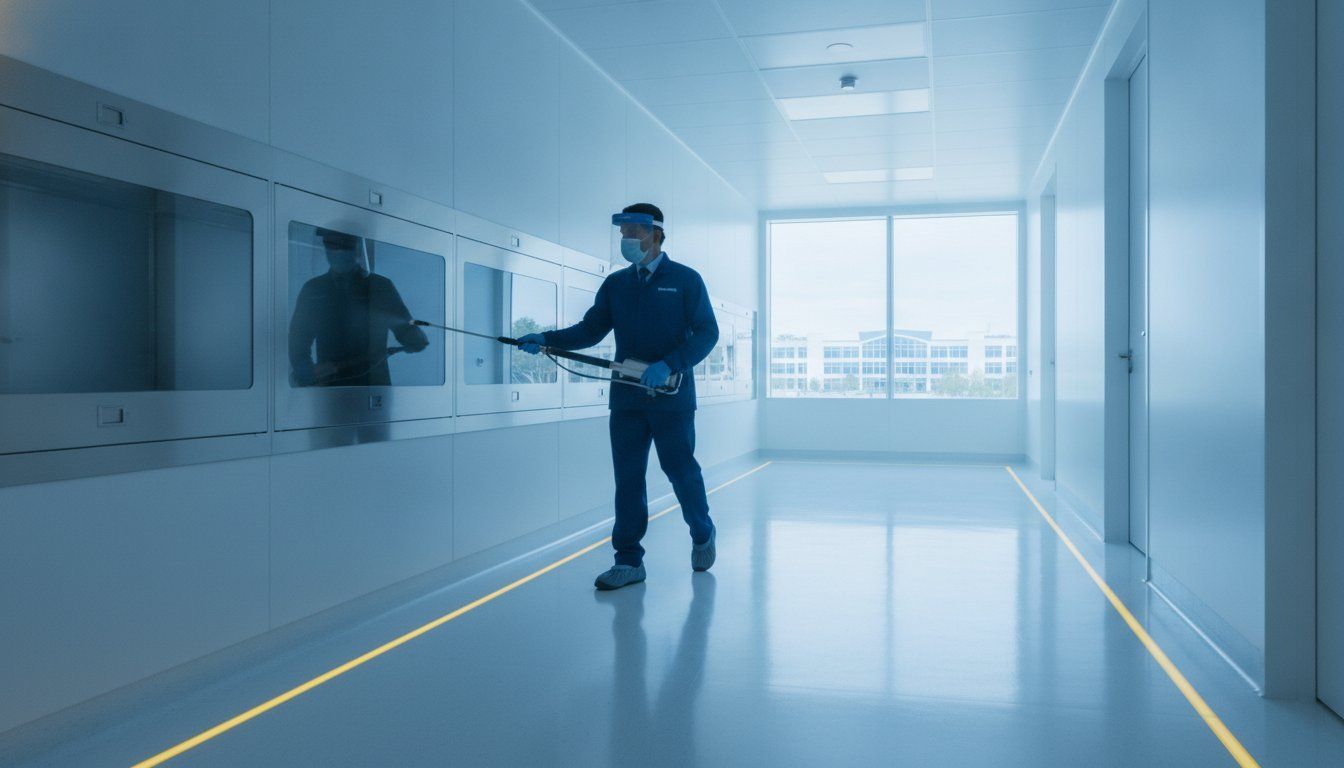
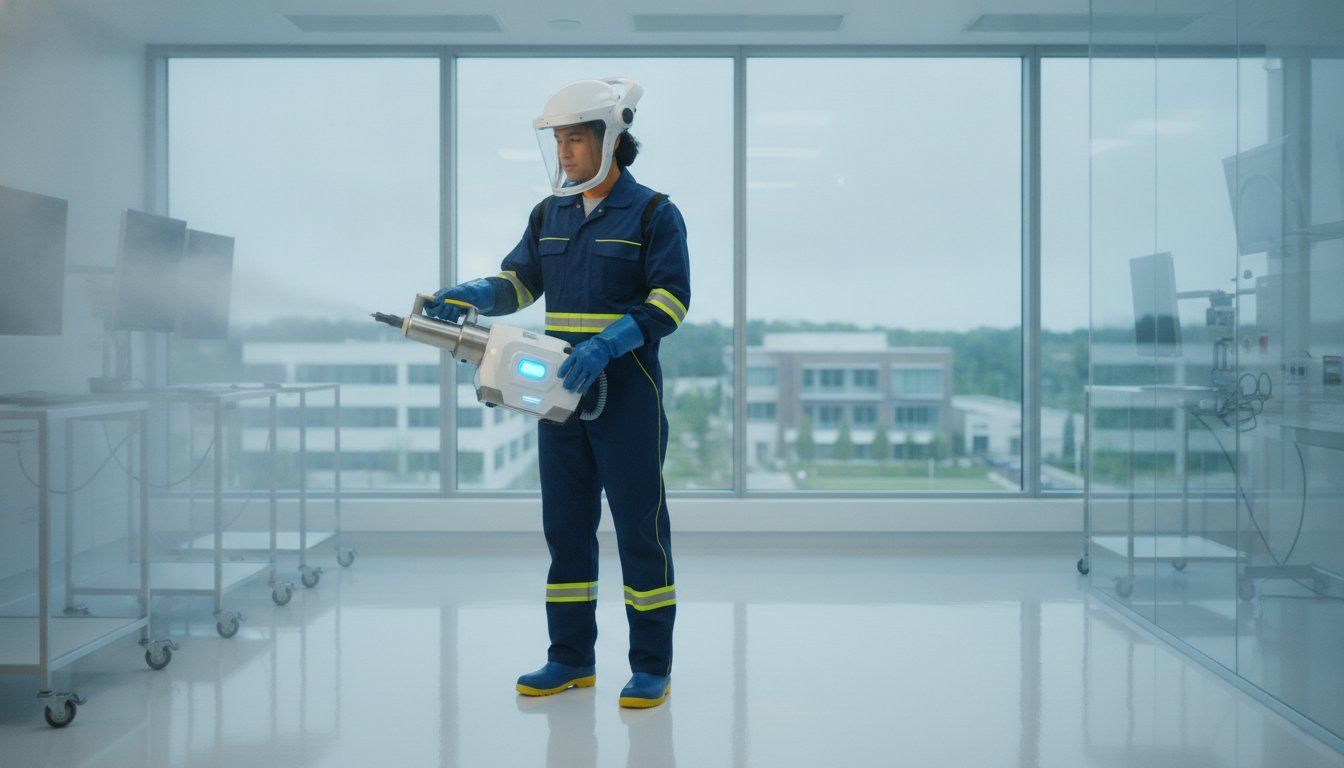
Healthcare facilities must navigate strict medical sanitation standards to ensure patient safety. In industrial environments, Suffolk County warehouses must adhere to OSHA requirements for clean and orderly walking surfaces. To support these goals, we follow EPA guidelines on greener cleaning products. This ensures that your facility remains compliant with environmental regulations while maintaining a high standard of industrial safety.
The Commercial Cleaning Services Advance Industrial Maintenance Collaborative Advantage
We function as a seamless extension of your facility management team. Our approach is built on collaborative alliances rather than simple vendor transactions. We provide customized scheduling to ensure zero downtime for your Long Island operation. This logistical precision allows your business to maintain high standards of stability and cleanliness without interrupting daily productivity.
Securing Your Facility's Operational Infrastructure
Effective floor management represents a shift from reactive janitorial tasks to proactive asset preservation. Throughout this guide, we've analyzed how environmental variables and mechanical wear dictate the need for a rigorous, technical approach to maintenance. By implementing these high-level protocols, facility managers move beyond surface-level aesthetics to ensure the ongoing stability and safety of their flooring investment. This strategic oversight is essential for maintaining operational continuity in the demanding Long Island commercial landscape.
Commercial Cleaning Services Advance Industrial Maintenance provides the specialized expertise required to navigate these industrial challenges. Serving Long Island since 1984, we've built our reputation on reliability and technical authority within medical and industrial environments. Our organization remains fully insured and OSHA compliant, ensuring that every commercial floor cleaning Long Island protocol we execute aligns with the highest safety and regulatory standards. We function as a dependable partner, dedicated to the long-term success and liability mitigation of your facility.
Reliability in floor care is not just about the equipment; it's about the precision of the process. Request a Professional Floor Assessment from Commercial Cleaning Services Advance Industrial Maintenance to determine the optimal restorative or maintenance schedule for your specific substrate. We're ready to provide the essential infrastructure and expertise required for your facility's ongoing stability.
Frequently Asked Questions
How often should commercial floors be stripped and waxed in Long Island?
Most high-traffic facilities utilizing commercial floor cleaning Long Island services require a full strip and wax once per year to maintain structural integrity. This frequency accounts for the abrasive salt and sand tracked in during coastal winters. Medical offices or retail hubs may require more frequent interim maintenance, such as a scrub and recoat every four to six months, to prevent finish degradation and keep the substrate protected.
What is the difference between floor buffing and floor burnishing?
The primary distinction lies in the mechanical speed and the resulting finish. Low-speed buffing typically operates at 175 to 350 RPM to remove scuffs and restore a soft luster. High-speed burnishing utilizes equipment reaching 1,500 to 2,500 RPM to create a high-gloss, mirror-like finish through thermal friction. While buffing is suitable for routine maintenance, burnishing is reserved for hard, high-solids finishes that require a "wet look" aesthetic.
Can professional floor cleaning help reduce my business insurance premiums?
Implementing a consistent schedule for commercial floor cleaning Long Island can indirectly influence insurance costs by mitigating slip-and-fall risks. Insurance providers often view documented maintenance logs and the use of OSHA-compliant, high-traction finishes as evidence of proactive risk management. By maintaining surfaces that meet or exceed standard Coefficient of Friction requirements, you reduce the likelihood of claims, which can lead to more favorable liability coverage terms over time.
How long does it take for a commercial floor to dry after waxing?
Each coat of floor wax typically requires 30 to 60 minutes to become tack-free under standard conditions. However, coastal humidity in areas like Bohemia can extend this window. While floors are often ready for light foot traffic within a few hours of the final application, full chemical curing takes approximately 24 hours. We recommend avoiding heavy machinery or liquid cleaning agents during this initial curing phase to ensure the polymer bond remains undisturbed.