Commercial Floor Stripping and Waxing in Long Island: The Definitive Facility Guide
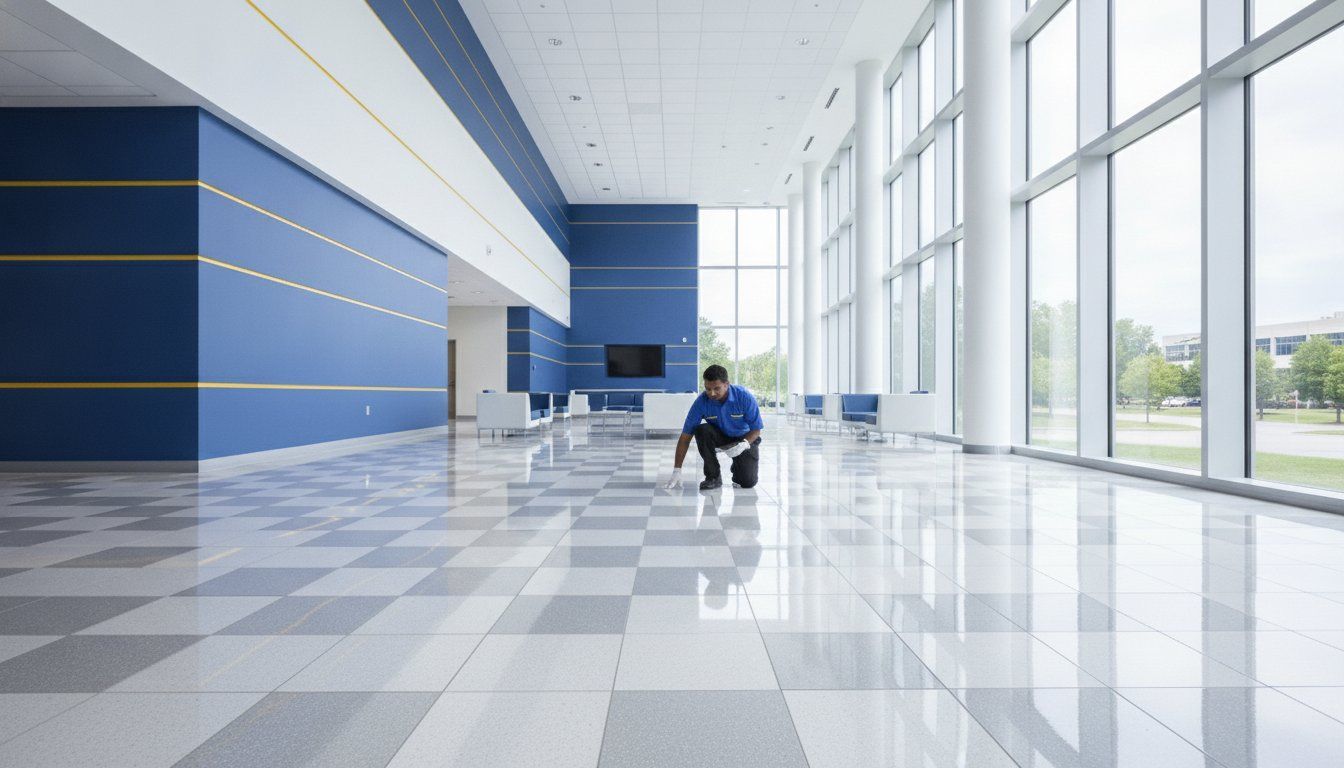
Your facility's floor isn't just a surface; it's a high-value asset that Long Island's coastal sand and alkaline ice melt are actively degrading. You've likely noticed that standard mopping fails to remove persistent yellowing or the dull wax buildup that compromises your building's professional image. Addressing these issues through professional commercial floor stripping and waxing Long Island services is more than an aesthetic choice; it's a necessary technical restoration that eliminates slip-and-fall liabilities.
We recognize that operational continuity is vital, so maintenance must be precise and efficient. This guide explains how a collaborative alliance for floor care achieves a high-gloss, durable finish while meeting strict safety and sanitation standards. You'll discover the specific chemical neutralization protocols required to combat regional environmental stressors and extend the functional lifespan of your flooring assets.
Key Takeaways
- Understand why standard mopping fails to address the "yellowing effect" caused by UV light and oxidized wax buildup in facility corners.
- Discover how to protect your assets from regional environmental stressors like coastal sand and the alkaline salts frequently used in Melville and Hauppauge.
- Learn the technical restoration steps involved in commercial floor stripping and waxing Long Island to ensure proper chemical neutralization and finish adhesion.
- Establish a proactive maintenance strategy that prioritizes high-gloss durability and compliance with modern safety and sanitation standards.
Table of Contents
Why Standard Mopping Fails: The Science of Floor Stripping and Waxing
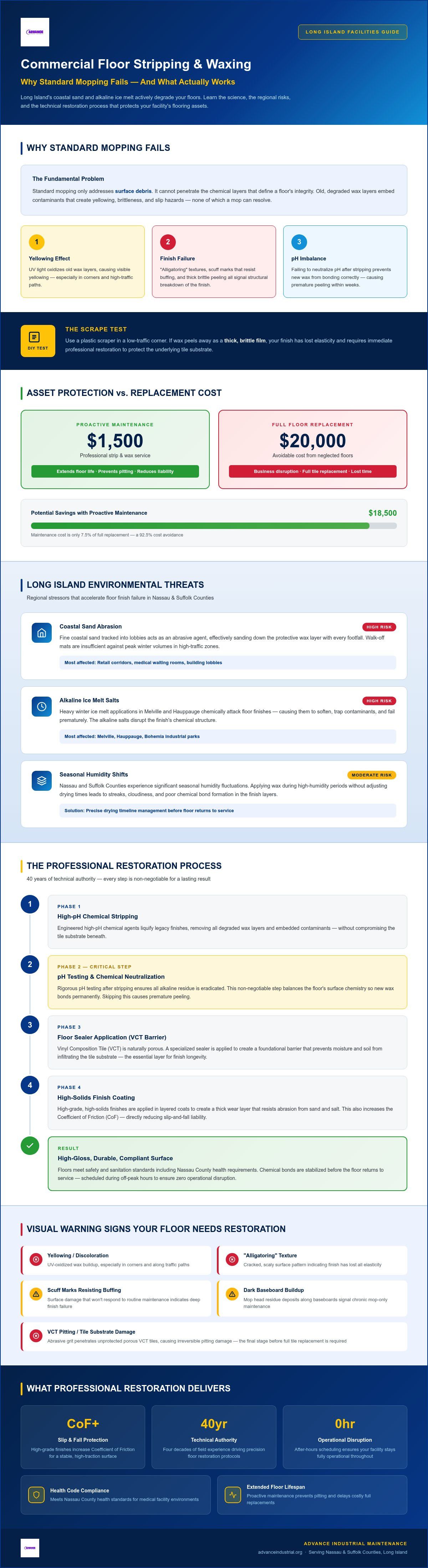
Standard mopping only addresses surface debris; it can't penetrate the chemical layers that define a floor's integrity. Floor stripping is the technical process of using high-pH chemical solutions to liquify and remove old, degraded wax layers along with embedded contaminants. A critical component of this process is chemical neutralization. Failing to balance the floor's pH after stripping prevents new wax from bonding correctly, leading to premature peeling. This discoloration is a structural failure of the finish, which is why professional commercial floor stripping and waxing Long Island is required for technical restoration.
Our protocols prioritize the application of a specialized floor sealer. Because Vinyl Composition Tile (VCT) is naturally porous, it requires a foundational barrier to prevent moisture and soil from infiltrating the tile substrate. Beyond aesthetics, high-grade finishes increase the Coefficient of Friction (CoF). This directly reduces slip-and-fall liability by providing a stable, high-traction walking surface for employees and visitors alike.
Identifying When Your Facility Needs Restoration
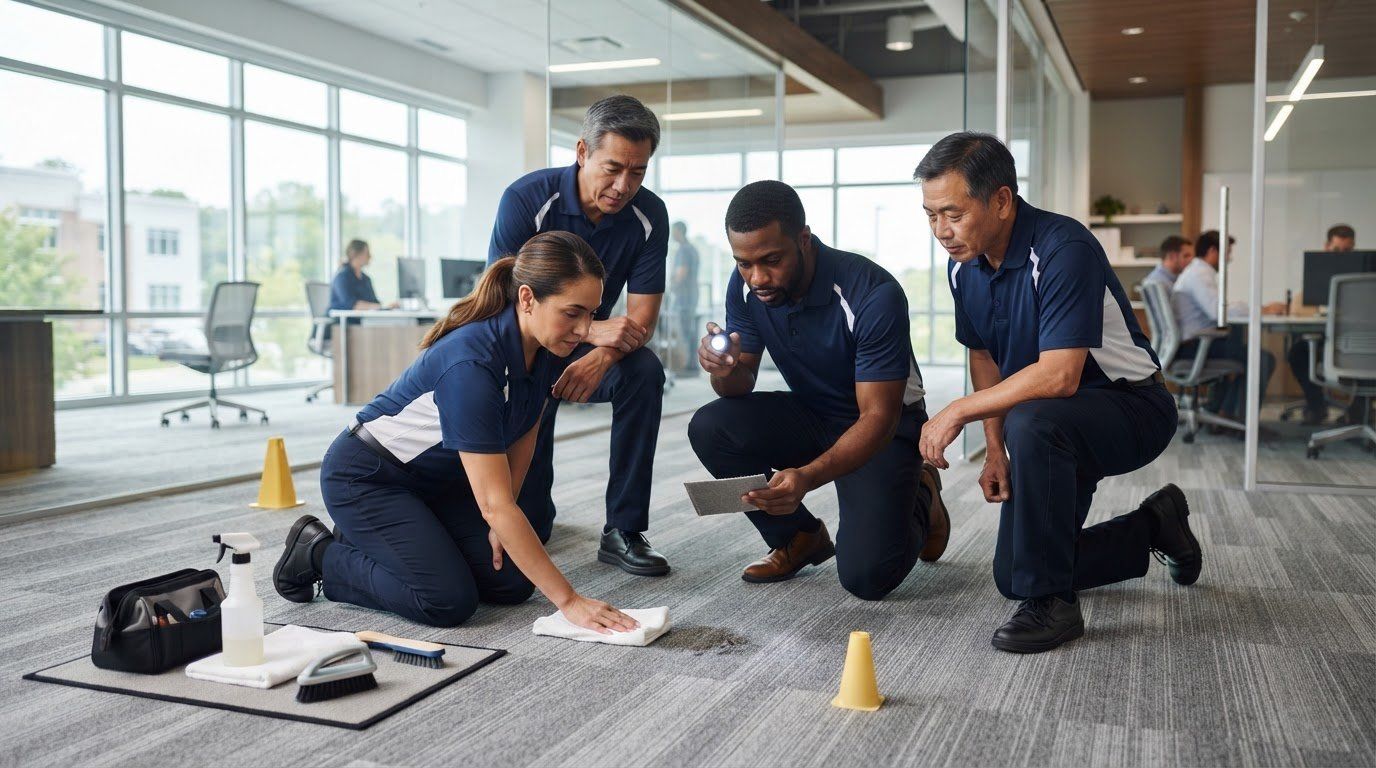
Visual indicators of finish failure include scuff marks that resist buffing, "alligatoring" textures, and dark buildup along baseboards where mop heads deposit residue. Facility managers can perform a "Scrape Test" by using a plastic scraper in a low-traffic corner. If the wax peels away as a thick, brittle film, the finish has lost its elasticity and requires immediate commercial floor stripping and waxing Long Island services to protect the underlying asset.
Asset Protection vs. Replacement Costs
Consistent maintenance prevents the "pitting" of VCT tiles caused by abrasive grit. From a procurement perspective, the ROI is clear. A $1,500 maintenance project is a strategic investment that avoids the disruption and expense of a $20,000 floor replacement. Proactive care ensures industrial stability and extends the functional life of the facility's infrastructure through precise engineering of the floor's protective layers.
Long Island Environmental Challenges for Commercial Flooring
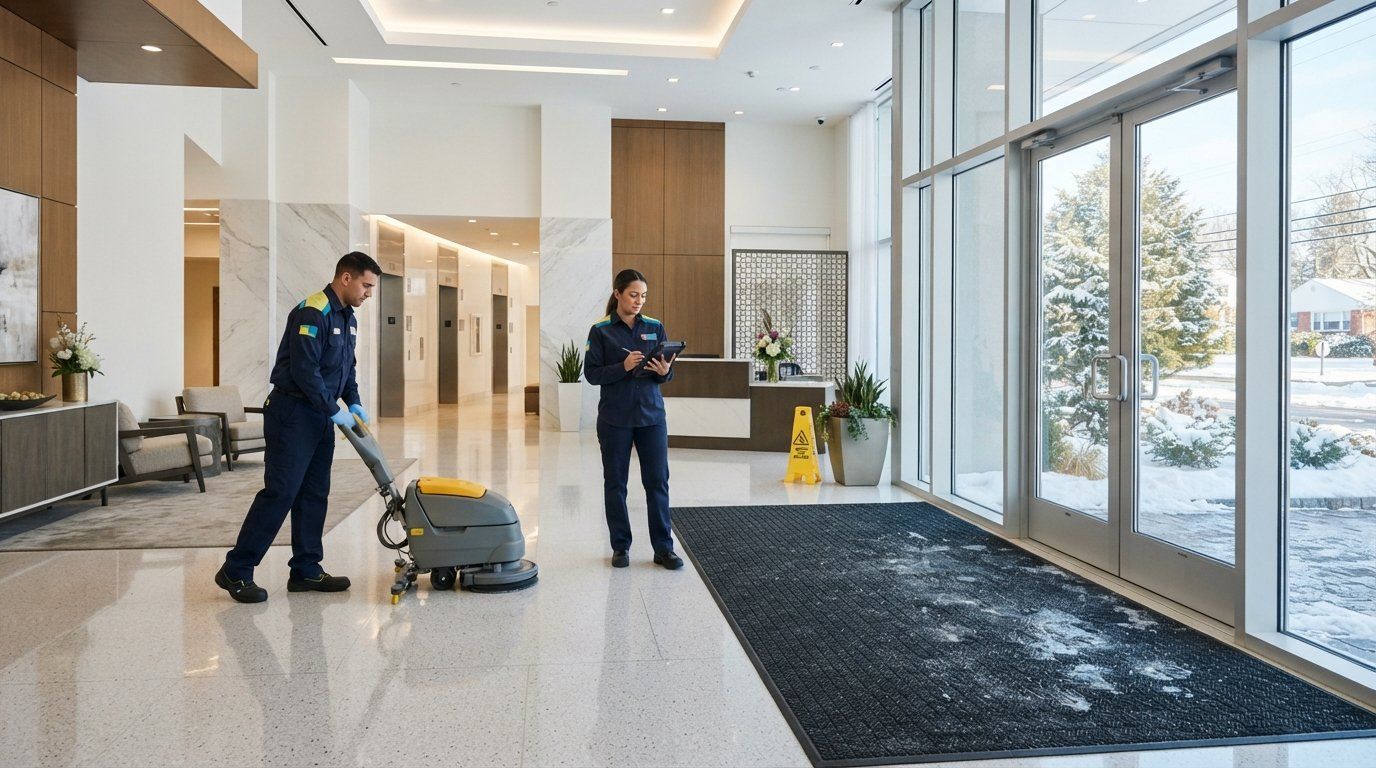
Long Island's unique geography presents specific technical challenges for facility managers. In Melville and Hauppauge, winter maintenance typically involves heavy applications of alkaline ice melt. These salts chemically attack floor finishes, causing them to soften and trap contaminants. Simultaneously, coastal sand ingress acts as an abrasive agent in high-traffic lobbies, effectively sanding down the protective wax layer with every footfall. Addressing these regional stressors requires a robust approach to commercial floor stripping and waxing Long Island to maintain structural integrity.
Humidity management is another critical factor. Nassau and Suffolk Counties experience significant seasonal shifts that impact finish curing. Applying wax during high-humidity periods without adjusting drying times leads to streaks and cloudiness. We ensure that every application follows a precise timeline, allowing chemical bonds to stabilize before the floor returns to service. For specialized environments, such as those requiring medical facility cleaning, our protocols also meet rigorous Nassau County health standards.
High-Traffic Zones in Suffolk and Nassau Counties
Retail corridors and medical waiting rooms face the highest rates of finish depletion. While "walk-off" mats capture some debris, they're insufficient against the volume of sand and salt tracked during peak winter months. We implement high-solids finishes in these zones to provide a thicker wear layer that resists abrasion. This proactive strategy prevents the substrate damage discussed in previous sections and preserves the floor's aesthetic value.
Scheduling for Operational Continuity
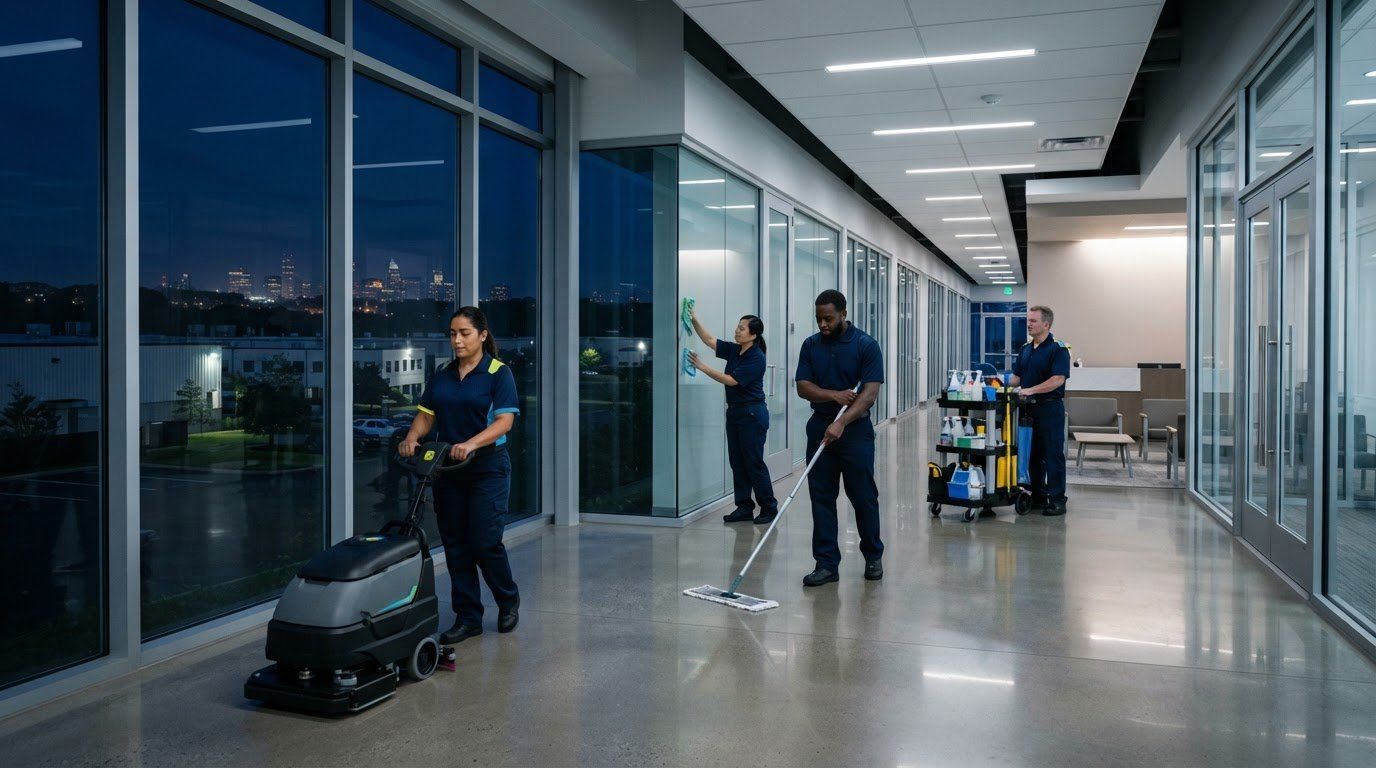
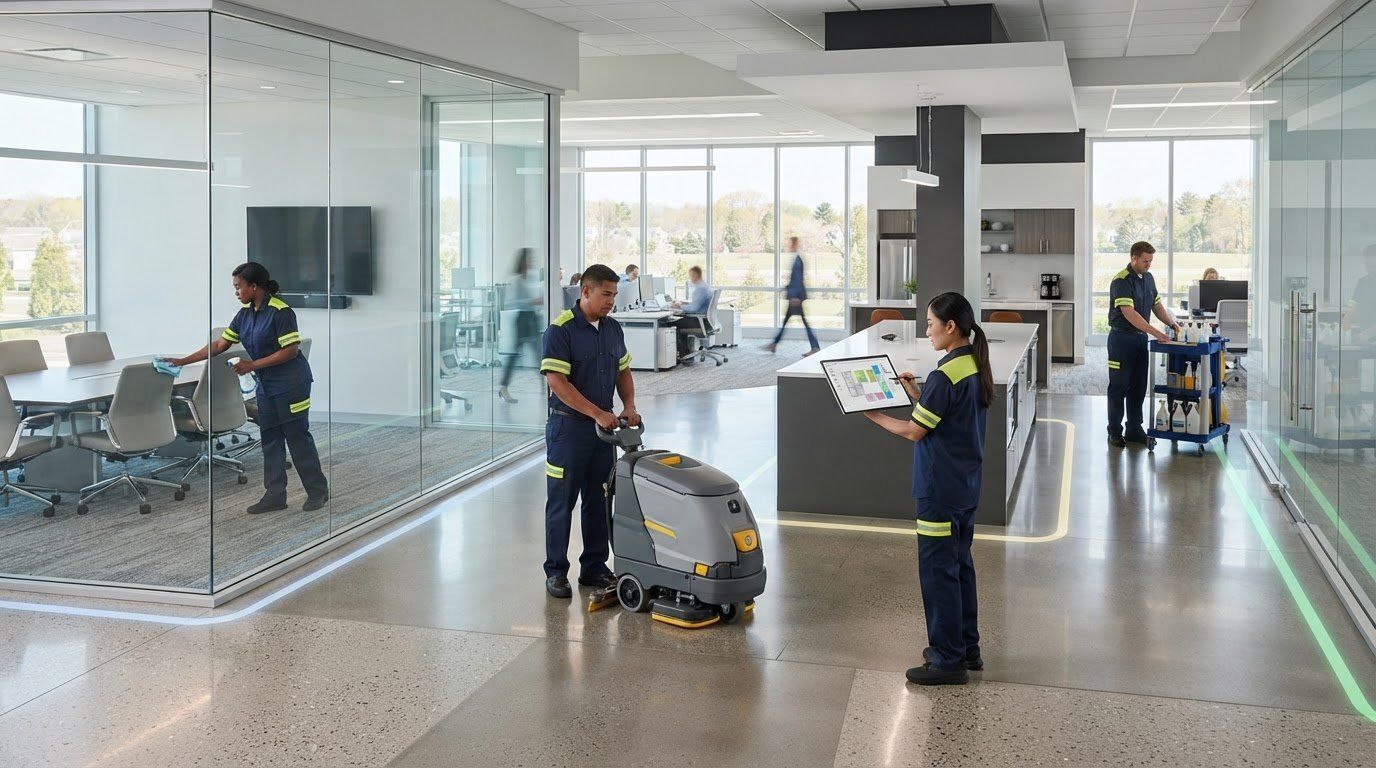
Maintaining industrial stability requires scheduling maintenance during off-peak hours. After-hours execution is essential for proper chemical curing and prevents business disruption in Bohemia industrial parks. Our team coordinates with your operational schedule to ensure that commercial floor stripping and waxing Long Island projects are completed without impacting your daily productivity.
The Advance Industrial Process: 40 Years of Technical Authority
Commercial Cleaning Services Advance Industrial Maintenance leverages four decades of field experience to deliver precision in floor restoration. Our stripping phase utilizes high-pH chemical agents engineered to liquify legacy finishes without compromising the tile substrate. While many providers overlook the chemical balance of the surface, we treat neutralization as a non-negotiable step. We perform rigorous pH testing after the stripping phase to ensure all alkaline residue is eradicated. This technical precision is what differentiates our commercial floor stripping and waxing Long Island services, as it prevents the premature peeling that occurs when new wax fails to bond with an unbalanced surface.
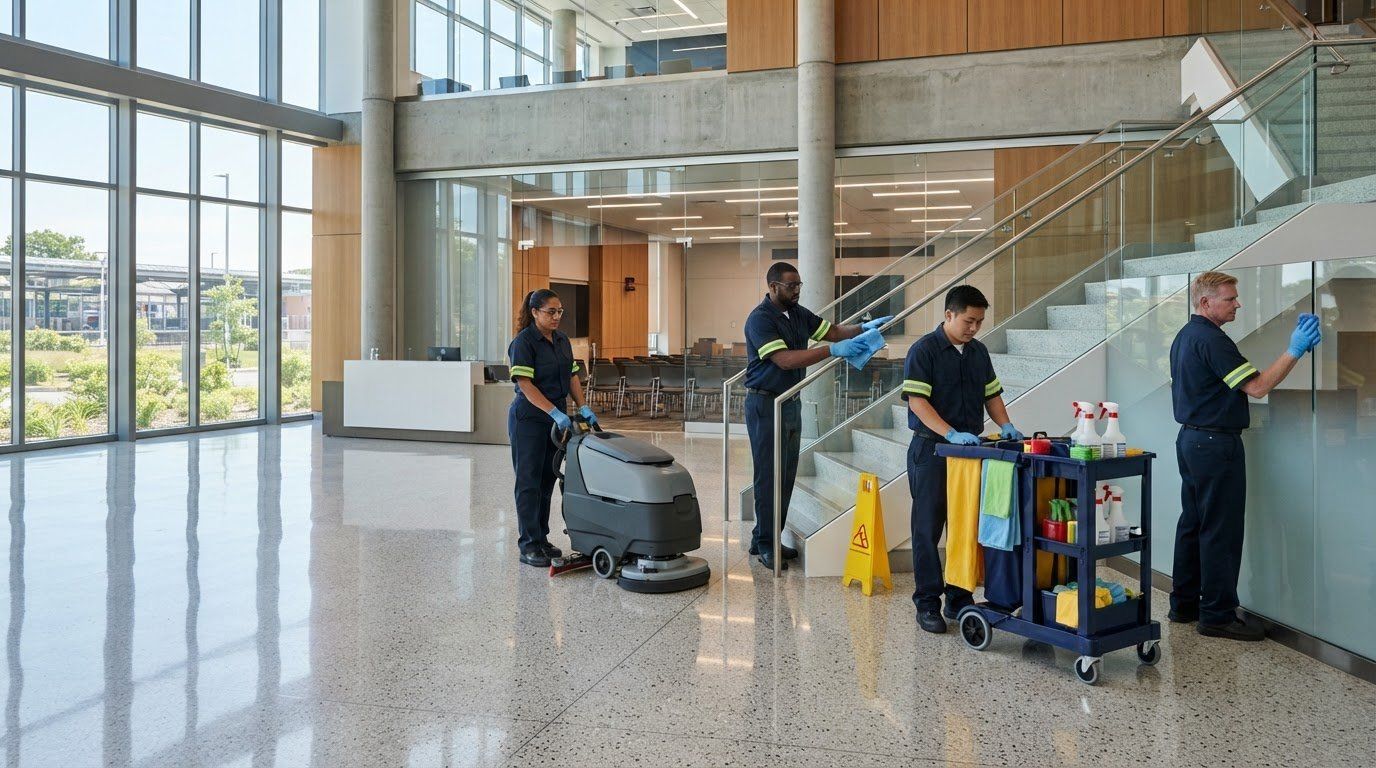
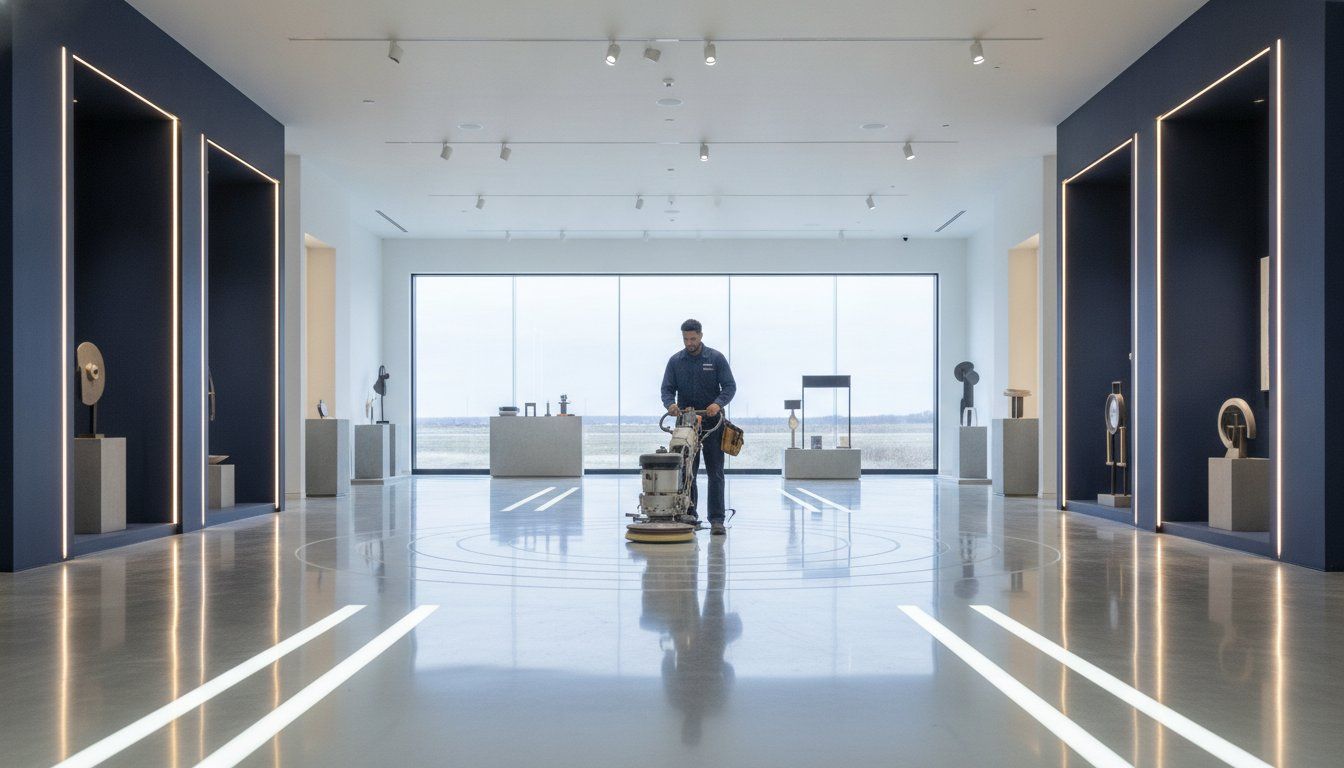
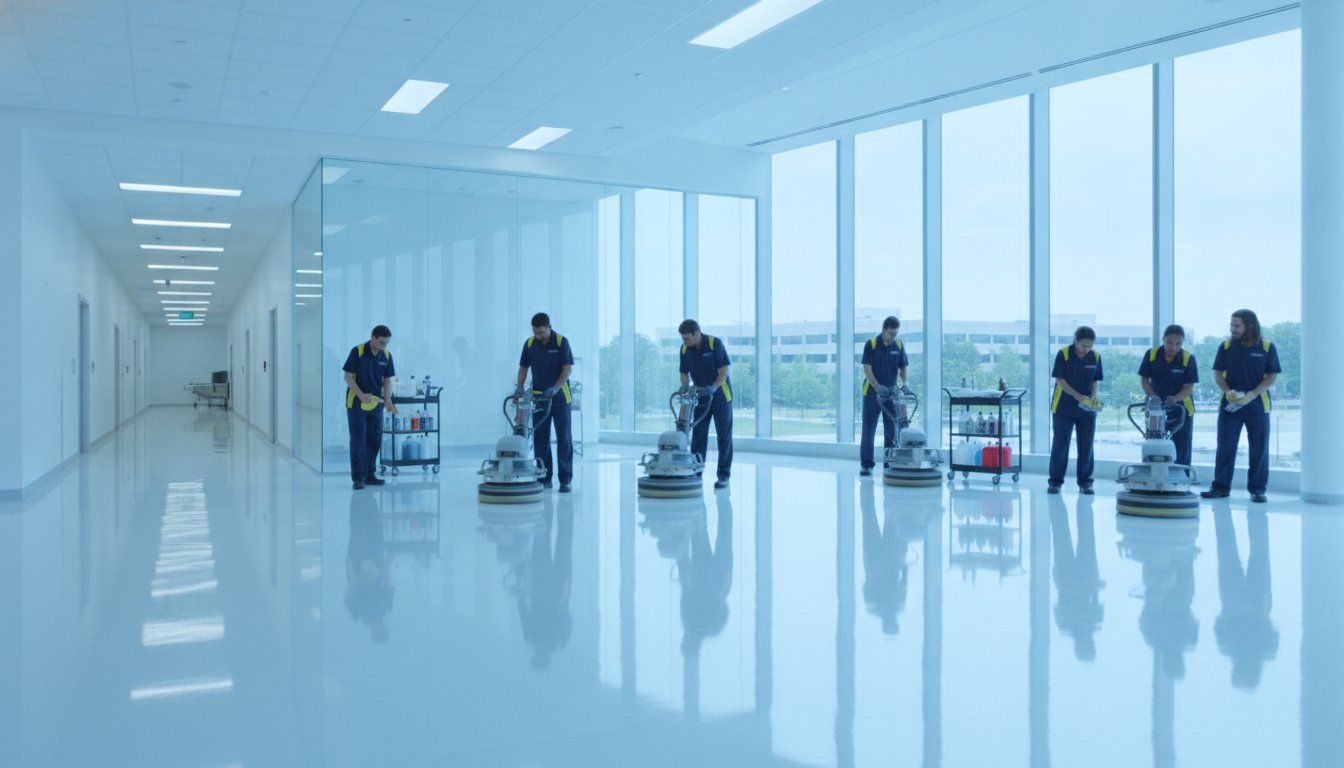
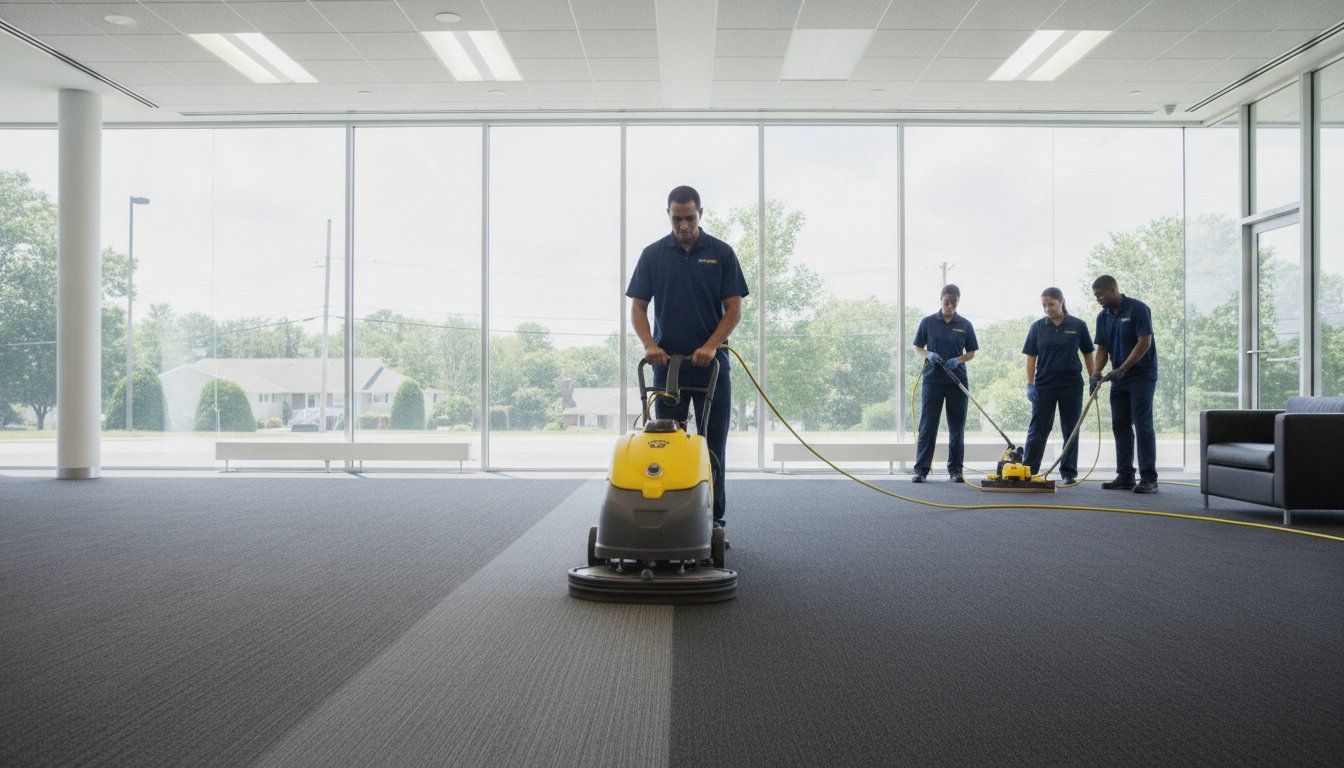
Industrial-grade durability requires a specific application density. We apply 3 to 5 coats of high-solids wax, using low-speed scrubbers for initial agitation and high-speed burnishers to create a "wet-look" finish. This high-gloss surface provides a hardened wear layer that resists abrasive environmental stressors. Our equipment selection mirrors the high stakes of your operation, ensuring consistency across every square foot of your facility.
Our Step-by-Step Restoration Protocol
- Step 1: Preparation and edging. Our technicians secure baseboards and fixed furniture with protective barriers to prevent chemical splashes and ensure a clean perimeter.
- Step 2: Chemical dwell time and mechanical agitation. We allow the stripping solution sufficient time to break down oxidized layers before utilizing heavy-duty scrubbers to lift the legacy wax slurry.
- Step 3: Slurry extraction and double-rinsing. We remove the liquified waste and perform a double-rinse with a dedicated neutralizer to stabilize the floor's pH.
Post-Service Care and Maintenance
Maintaining a professional finish requires a proactive "Buff and Burnish" schedule. We recommend using pH-neutral cleaning agents that preserve the wax's clarity and Coefficient of Friction. This approach is part of a long-term collaborative alliance focused on the health of your facility assets. To ensure your flooring remains a stabilizing force in your operation, schedule a professional floor assessment with Commercial Cleaning Services Advance Industrial Maintenance today.
Secure Your Facility's Infrastructure and Safety
Protecting your facility's flooring assets requires more than routine janitorial care. It demands a technical understanding of chemical neutralization and the environmental stressors specific to the Nassau and Suffolk region. By implementing professional commercial floor stripping and waxing Long Island protocols, you eliminate the yellowing effect and provide a high-traction surface that meets safety standards. This technical restoration ensures that your building’s substrate remains protected against the long-term degradation caused by regional abrasives and chemical salt exposure.
Commercial Cleaning Services Advance Industrial Maintenance brings over 40 years of local experience in Bohemia to every project, utilizing specialized high-traffic equipment. We view floor care as a collaborative alliance designed to maximize the lifespan of your infrastructure and ensure operational stability. It's vital that your floors reflect the professional standards of your business. Request a Free Floor Maintenance Quote for Your Long Island Facility today to stabilize your maintenance strategy. We're ready to support your operation's long-term success.
Frequently Asked Questions
How long does the floor stripping and waxing process take for a typical Long Island office?
The duration of the restoration process depends on the total square footage and the volume of legacy wax layers. A standard commercial footprint typically requires 8 to 12 hours for a comprehensive service. This timeline accounts for the chemical dwell period, mechanical agitation, and the essential curing time required for multiple coats of industrial-grade finish.
Will the chemicals used in floor stripping have a strong odor that affects my employees?
High-performance stripping agents possess a distinct chemical scent while liquifying old finishes. We utilize low-odor, professional-grade chemicals to mitigate the impact on your facility's indoor air quality. Implementing these services during off-peak hours, combined with proper ventilation, ensures that any residual odors dissipate before your employees return to the workspace.
How often should commercial floors in Nassau or Suffolk County be stripped and waxed?
High-traffic environments in Nassau or Suffolk County typically require commercial floor stripping and waxing Long Island every 6 to 12 months. Environmental factors like coastal sand and winter ice melt aggressively degrade protective layers. Low-traffic administrative spaces can often extend this interval to 18 months or longer provided a consistent interim maintenance program is in place.
Can you perform floor maintenance on weekends or after-hours to avoid business disruption?
Executing floor maintenance after-hours or on weekends is the preferred method for maintaining operational continuity. This scheduling allows for the necessary chemical curing periods without the risk of premature foot traffic damage. It's a pragmatic solution that ensures your facility is stabilized and ready for use by the start of the next business day.