Post Construction Cleaning Long Island: Commercial Cleanup Solutions for 2026
The most significant risk to your new commercial facility isn't a missed deadline; it's the microscopic silica dust currently settling into your expensive HVAC filtration systems. You've managed a complex build and now face the high-stakes transition to an operational environment where safety and compliance are non-negotiable. Securing professional post construction cleaning Long Island ensures that your facility moves from a hazardous job site to a move-in ready asset without compromising your timeline or your liability coverage.
It's common to feel the pressure of looming occupancy dates while worrying about the technical precision of cleanup crews. This analysis outlines how a phased cleaning strategy protects new flooring and finishes from abrasive construction debris. You'll learn the essential requirements for OSHA-compliant cleanliness and the specialized equipment needed for 2026 standards. We'll explore the technical solutions that prevent operational downtime and ensure your facility is functional from day one.
Key Takeaways
- Construction particulates like silica dust can compromise indoor air quality and damage HVAC systems if not professionally mitigated. Learn how technical cleaning protocols protect your facility's long-term mechanical integrity.
- A phased cleaning strategy, including rough, final, and touch-up stages, ensures your project stays on schedule. This systematic approach eliminates debris and prevents damage to new finishes during the final stages of build-out.
- Implementing professional post construction cleaning Long Island ensures your facility meets rigorous 2026 OSHA safety standards. Compliance at every stage reduces your liability and prepares the site for immediate operational use.
- Choosing a partner with 40 years of local experience provides the technical authority needed for high-stakes commercial environments. Verify that your contractor carries industrial-grade insurance and specialized training to handle complex site requirements.
Table of Contents
The Industrial Risks of Improper Post-Construction Cleanup
Improper cleanup is more than an aesthetic failure; it's a technical liability. Crystalline silica dust, a common byproduct of masonry and drywall work, poses a severe threat to indoor air quality. These microscopic particles bypass standard filtration and settle into the precision components of new HVAC systems and server rooms. Without specialized post construction cleaning Long Island , these particulates act as abrasives, causing premature mechanical wear and thermal issues in sensitive electronics.
Liability represents another significant concern for project managers. Occupying a space before a validated deep clean can lead to health complaints or regulatory fines. Maintaining high standards for Construction site safety requires a transition from a build mindset to a sanitation mindset. Skipping this phase puts both personnel and equipment at risk, potentially voiding warranties on new installations.
Protecting Long Island Facility Assets and Air Quality
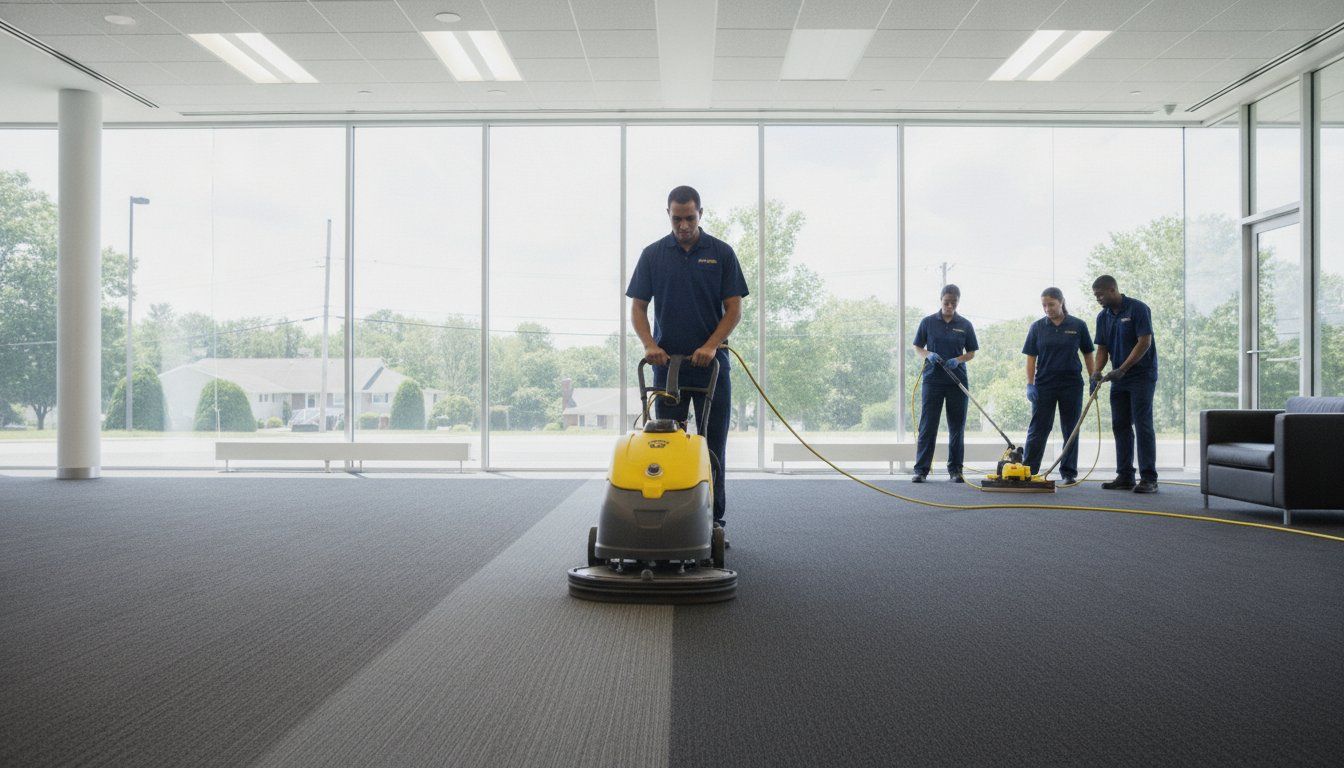
Commercial-grade particulate removal requires HEPA (High-Efficiency Particulate Air) filtration systems capable of trapping particles as small as 0.3 microns. Standard janitorial equipment often lacks the seal integrity to prevent fine dust from being exhausted back into the environment. Professional teams utilize industrial-strength scrubbers and vacuums specifically engineered for high-volume debris. This technical approach is vital for post construction cleaning Long Island projects where air quality is a top priority.
- HEPA filtration: Capture 99.97% of particulates to ensure compliant air quality.
- Technical Authority: Specialized staff identify hidden dust in ceiling plenums and ductwork that standard crews miss.
- Operational Readiness: This is defined as the state where a facility is chemically and physically purged of construction residues, meeting all OSHA compliance standards for immediate occupancy.
A Phased Strategy for Commercial Post-Construction Cleaning
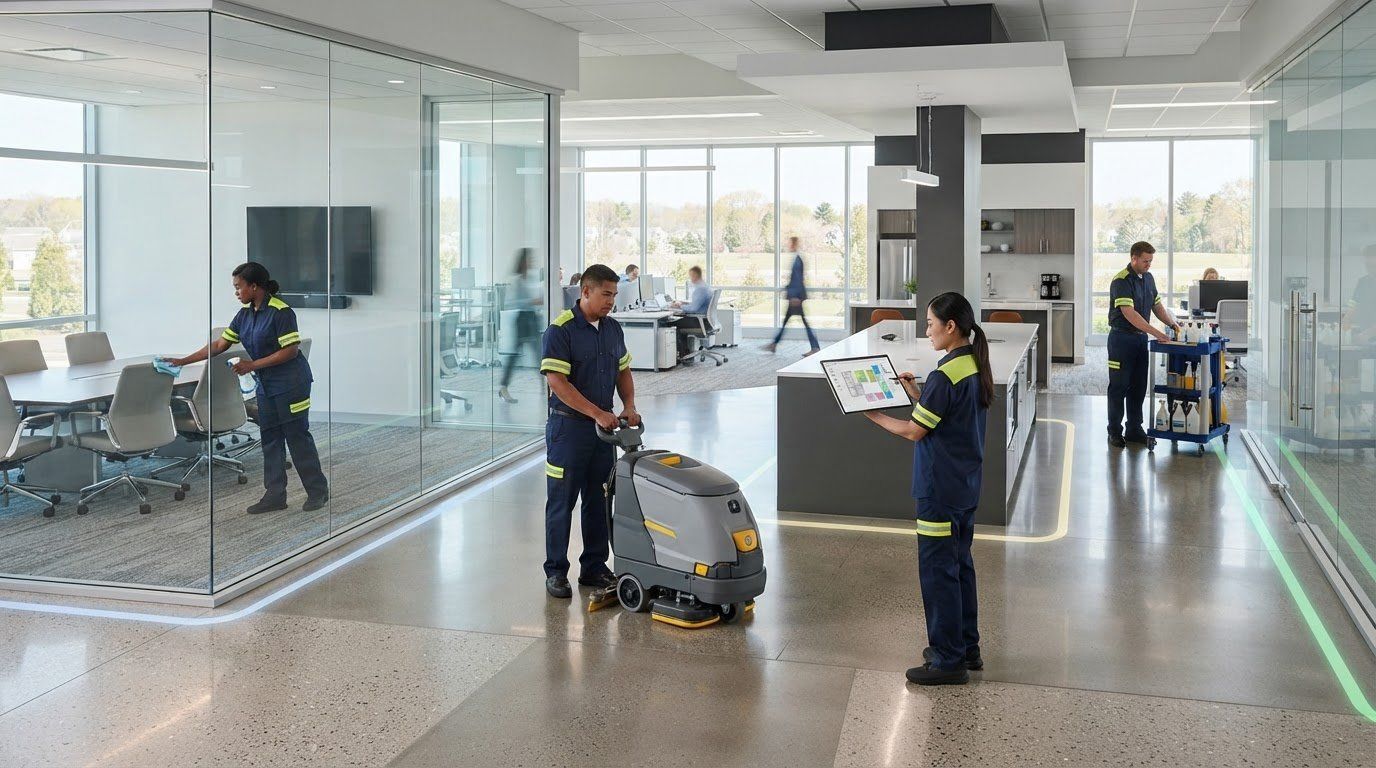
Effective project management requires a systematic approach to site decontamination. Commercial projects in Nassau and Suffolk counties operate on rigid schedules where delays result in lost revenue. A multi-phase strategy for post construction cleaning Long Island ensures that each trade can complete its work without cross-contaminating finished areas. This methodology prioritizes the protection of new assets while maintaining a safe environment for incoming staff.
The Three Stages of Professional Site Sanitation
The cleanup process follows a hierarchical structure to maximize efficiency and precision.
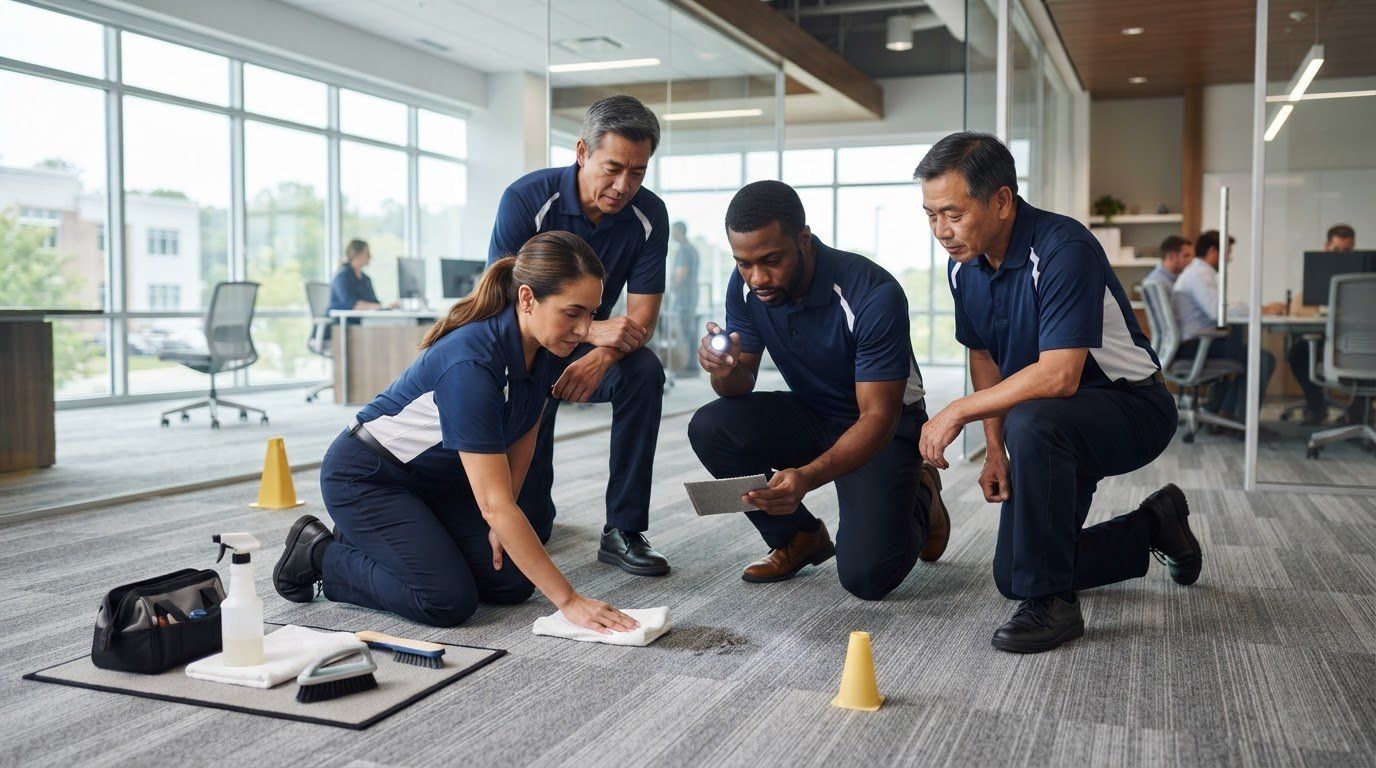
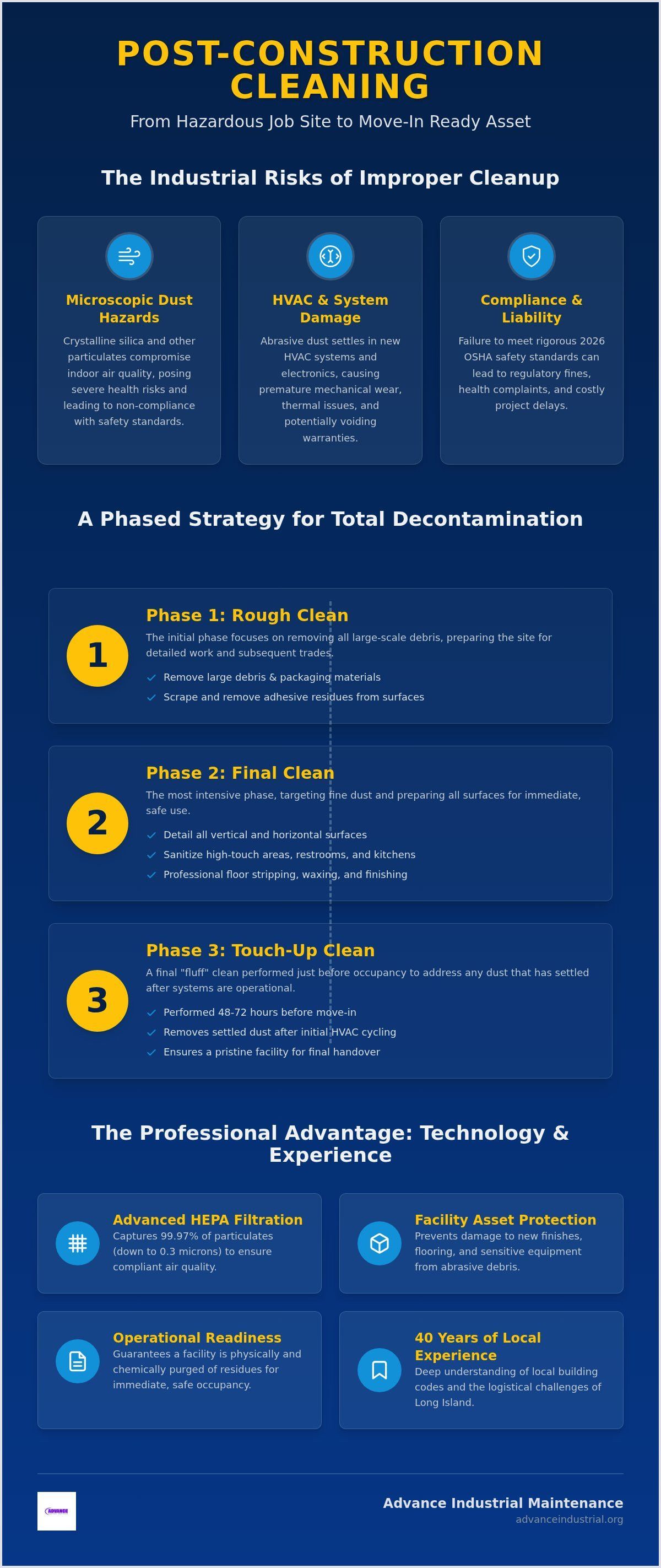
- Step 1: Rough Clean: Teams remove large-scale debris, packaging materials, and adhesive residues. This phase prepares the substrate for detailed work and identifies any surface defects hidden by construction waste.
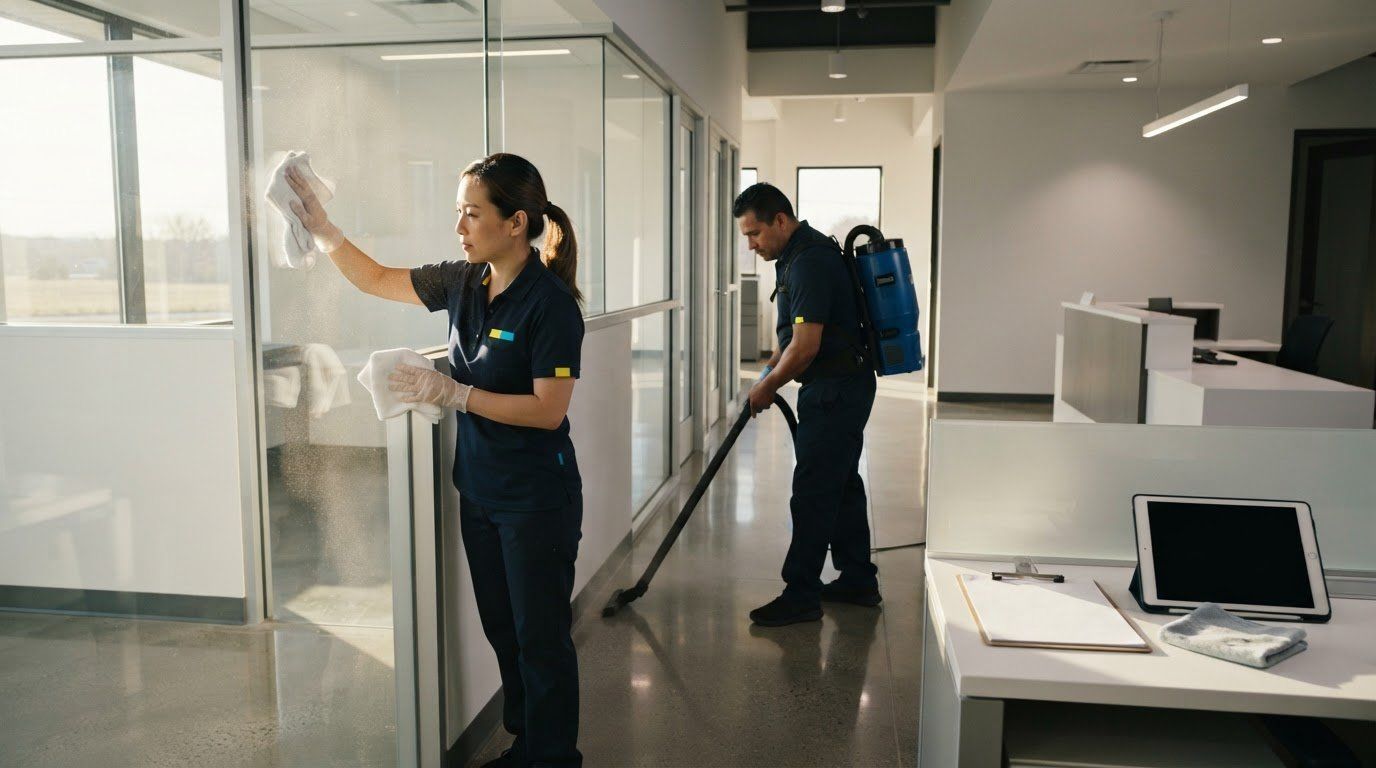
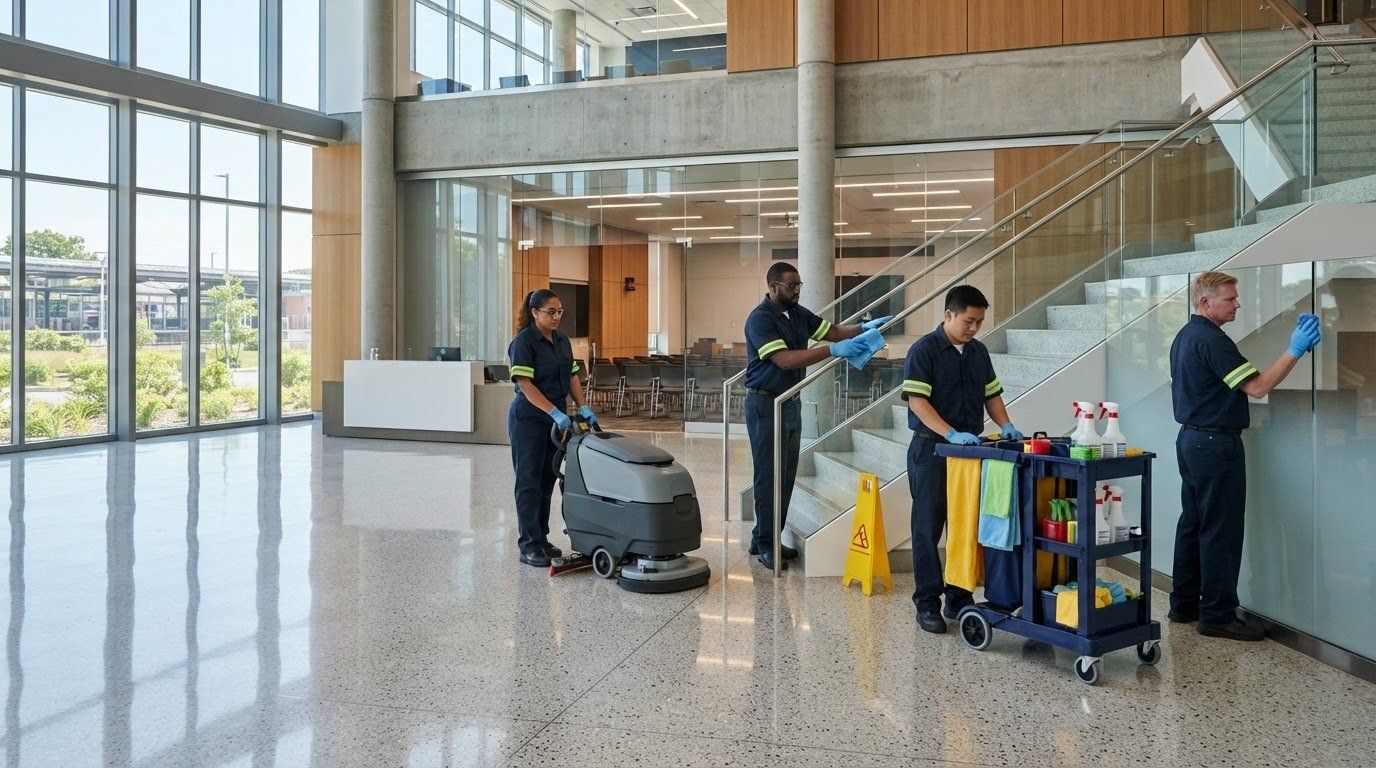
- Step 2: Final Clean: This is the most intensive phase. Technicians focus on high-touch areas, sanitizing restrooms, and detailing window tracks. It includes specialized post construction cleaning Long Island protocols for dust extraction from all vertical and horizontal surfaces.
- Step 3: Touch-up: Also known as a "fluff" clean, this occurs 48 to 72 hours before occupancy. It's designed to address fine dust that has settled after the HVAC system has cycled.
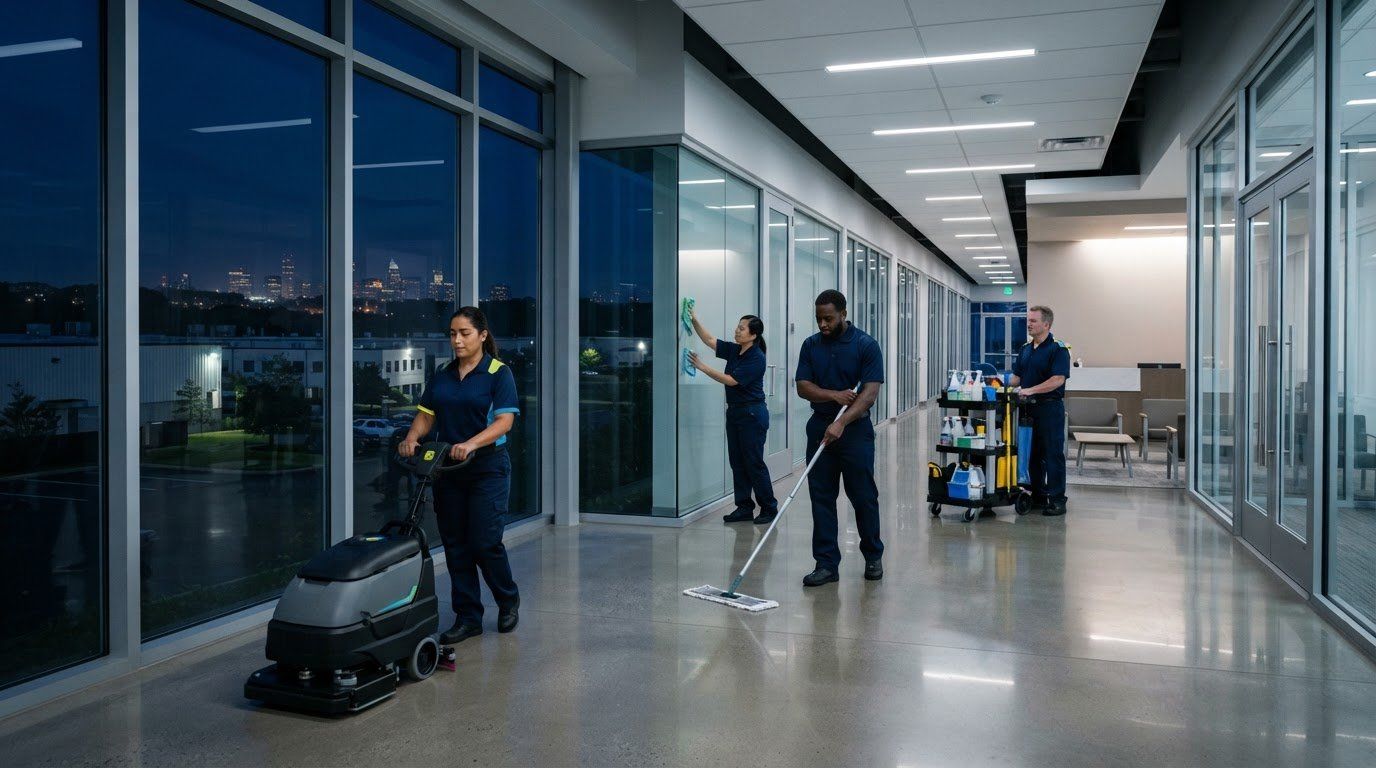
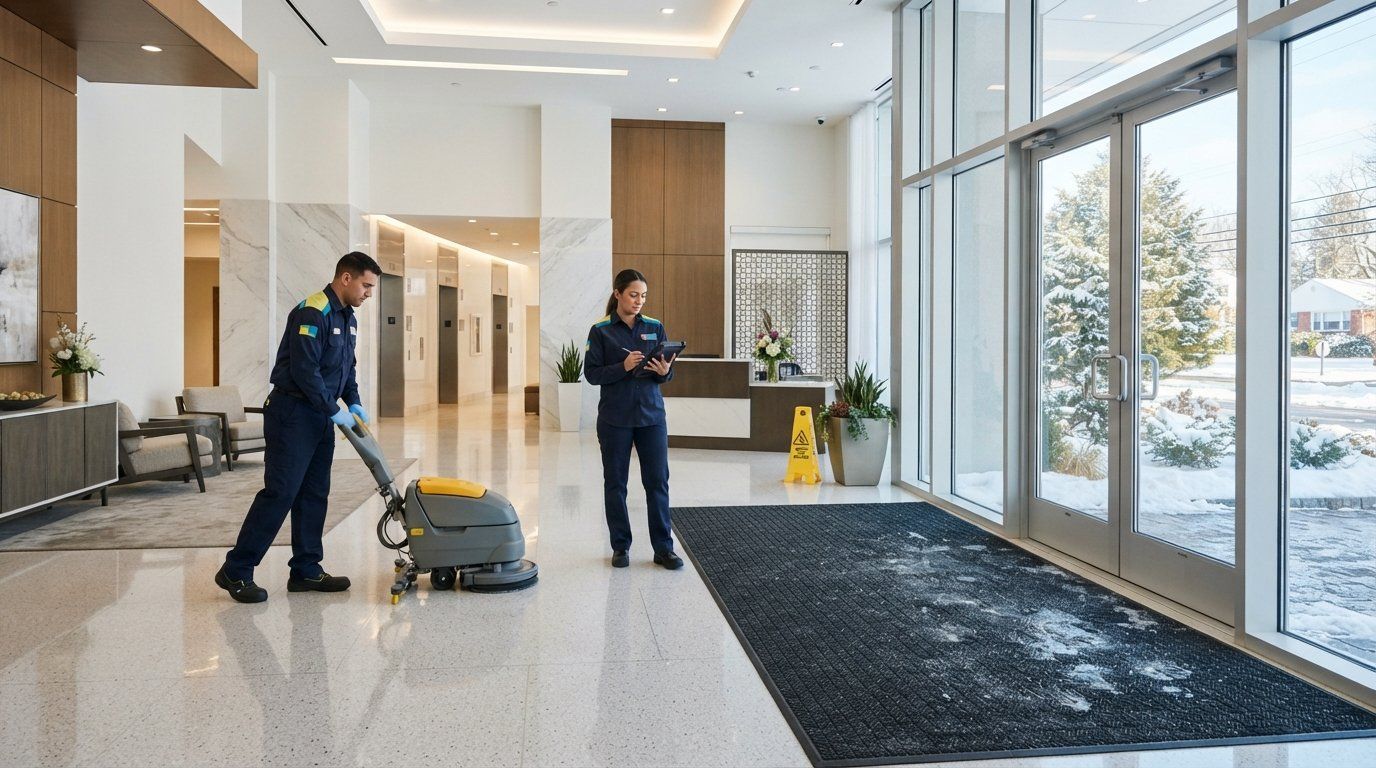
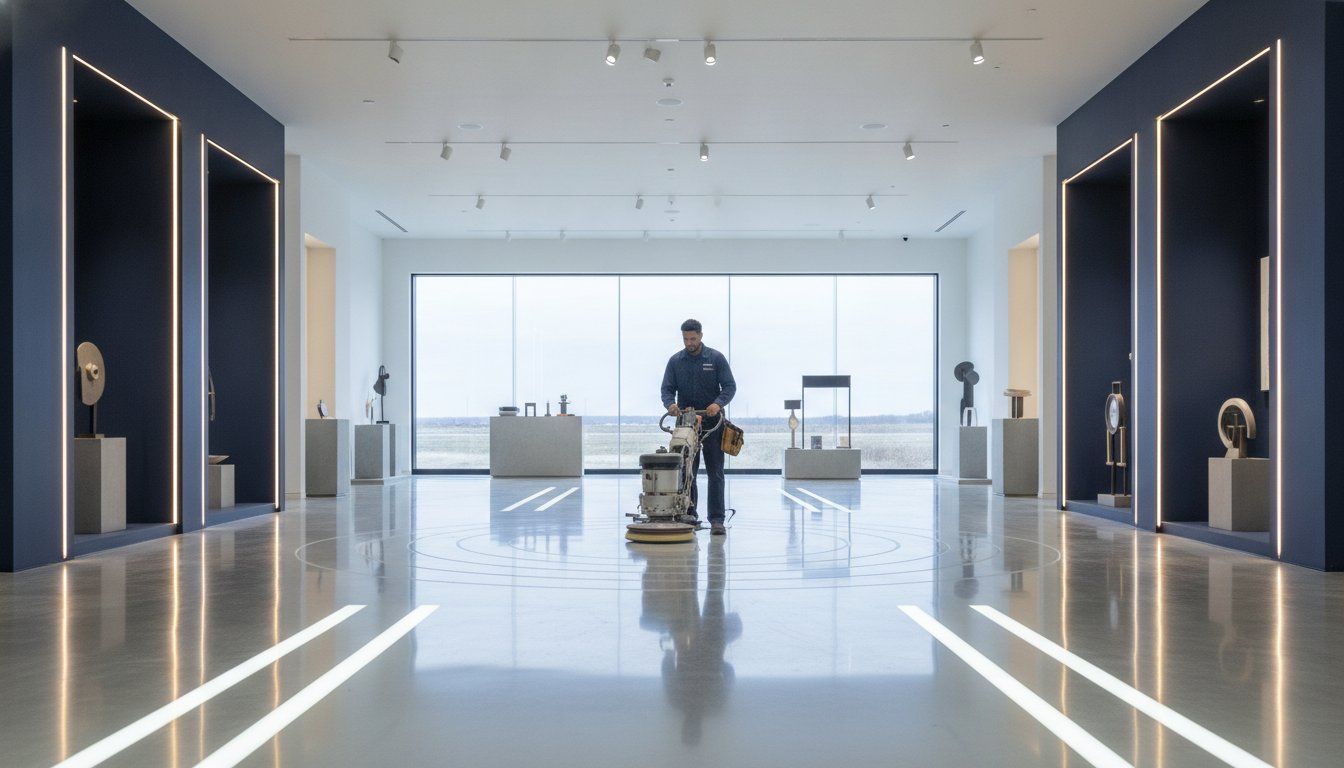
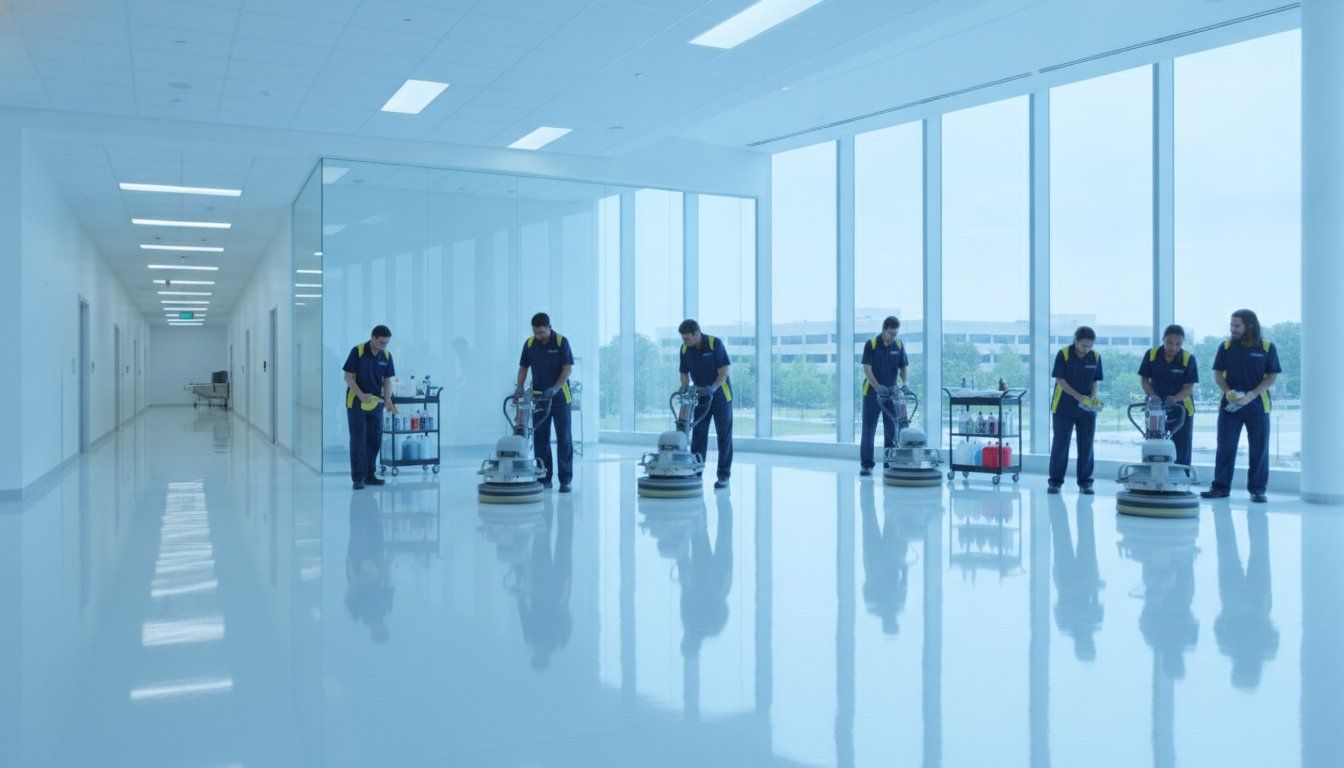
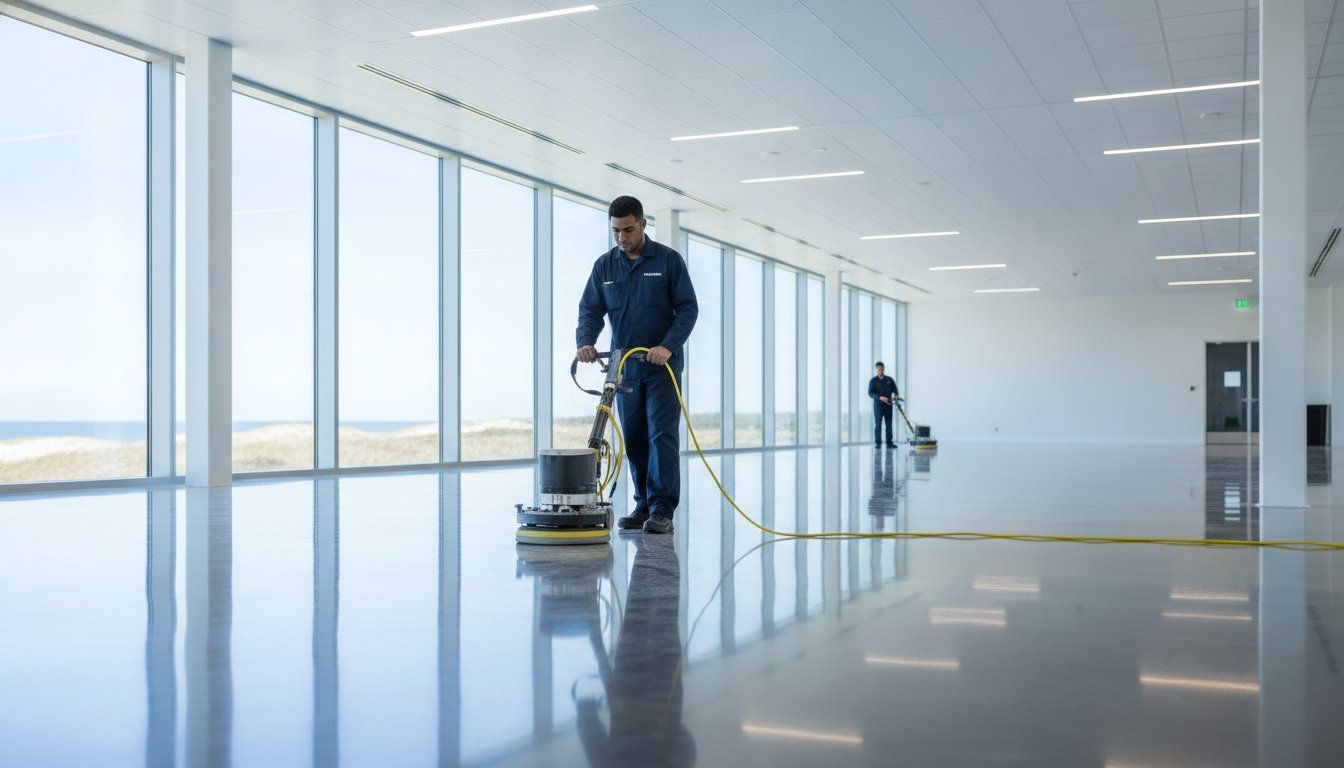
Floor care remains a critical component of the final phase. New VCT or stone surfaces often require professional floor stripping and waxing to establish a durable wear layer. Applying industrial-grade finishes protects your investment against immediate foot traffic and equipment installation. This technical expertise ensures that your facility transitions from a job site to an operational asset with documented cleanliness and finish integrity.
Selecting a Reliable Cleanup Partner in Nassau and Suffolk County
Procurement professionals must distinguish between general janitorial vendors and specialized industrial partners. Selecting a firm with 40 years of local experience in the Long Island market provides a level of technical authority that newer entrants cannot replicate. This longevity indicates a deep understanding of local building codes and the logistical challenges unique to Nassau and Suffolk counties. Reliability in post construction cleaning Long Island projects hinges on a contractor's ability to provide commercial-grade insurance and a workforce trained in site-specific safety protocols.
Essential Verification for Commercial Cleaning Contractors
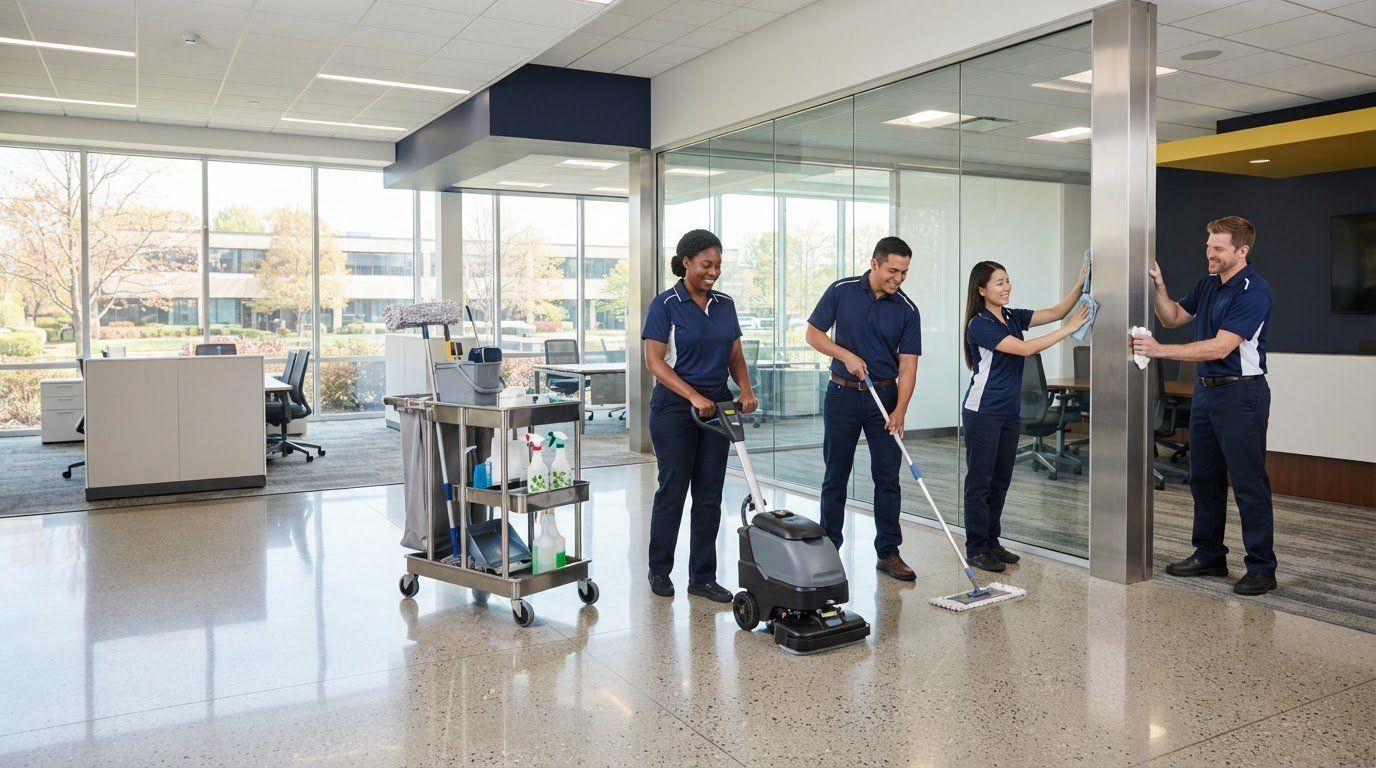
A comprehensive vetting process protects your project from liability and delays. Verify that your partner utilizes industrial-grade HEPA vacuums and high-capacity floor scrubbers rather than residential tools. Request documentation for safety certifications and proof of comprehensive liability coverage. This technical rigor ensures the team can navigate active job sites without compromising safety or finish quality. Contractors should provide an itemized equipment list to confirm they possess the mechanical resources required for large-scale dust extraction.
Technical precision in medical facility cleaning translates directly to superior post-construction results. The same attention to microscopic sanitation required in healthcare environments is necessary to eliminate construction particulates. As a seasoned partner, Commercial Cleaning Services Advance Industrial Maintenance provides the expertise needed for complex developments, including transparent communication regarding project-based specialty fees. This collaborative approach ensures your facility achieves operational stability on schedule. Choosing a firm that views themselves as an extension of your team is the most effective way to manage the risks of post construction cleaning Long Island .
Securing Operational Stability for Your New Facility
The successful activation of a commercial site depends on the transition from construction chaos to operational precision. By implementing the phased strategies discussed, you ensure that every square foot of your facility meets the highest standards of safety and aesthetic integrity. Professional post construction cleaning Long Island is the final engineering step that protects your workforce and your mechanical infrastructure. Commercial Cleaning Services Advance Industrial Maintenance brings over 40 years of local expertise, fully insured staff, and specialized floor care capabilities to every project. We operate as a dedicated partner to ensure your facility is move-in ready on your strict timeline. Request a Post-Construction Cleanup Quote from Commercial Cleaning Services Advance Industrial Maintenance to secure your facility's long-term success. We are ready to help you cross the finish line with confidence.
Frequently Asked Questions
What is included in a commercial post-construction cleaning service?
Commercial service includes a multi-phased decontamination process consisting of rough, final, and touch-up cleans. Technicians perform high-capacity debris removal, HEPA-filtered dust extraction from ceiling plenums, and detailed sanitation of all horizontal and vertical surfaces. The scope covers mechanical closets, window tracks, and high-traffic common areas to ensure the facility meets all safety and air quality standards before occupancy.
How long does a post-construction cleanup typically take for a Long Island office space?
Project duration depends on the facility's square footage and the specific cleaning phase required. A standard final clean for a mid-sized office usually requires two to four business days to ensure technical precision. Phased schedules for post construction cleaning Long Island allow cleanup crews to work alongside finishing trades, preventing delays in the final move-in timeline while maintaining strict quality control.
Why is professional floor waxing recommended after a construction project?
Professional floor stripping and waxing establishes a durable protective barrier on new VCT or stone surfaces. Construction environments often leave abrasive residues that can permanently scratch unprotected flooring during initial equipment installation. Applying high-solids industrial wax creates a resilient wear layer, ensuring the long-term integrity of your assets and simplifying ongoing maintenance for your facility management team.
Do post-construction cleaning companies in New York provide their own equipment?
Reliable commercial contractors provide all necessary industrial-grade equipment to execute the project safely and efficiently. This includes high-capacity HEPA vacuums, auto-scrubbers, and specialized chemicals for adhesive removal. Professional post construction cleaning Long Island firms operate as self-contained units, ensuring they have the mechanical resources required to handle large-scale dust extraction without relying on client-provided supplies or infrastructure.