Daily vs. Weekly Office Cleaning: Pros, Cons, and Choosing the Right Schedule
Choosing between a nightly maintenance cycle and a periodic service visit is a technical calculation that affects your facility's long-term operational health. While it's tempting to view janitorial services as a simple expense, the wrong frequency leads to accelerated degradation of high-traffic flooring and inconsistent hygiene standards. Analyzing the daily vs weekly office cleaning pros and cons is a critical step for any facility manager tasked with maintaining professional cleanliness while managing complex procurement constraints.
You need a cleaning schedule that balances rigorous sanitation requirements with the necessity for cost efficiency. This comparison provides a pragmatic framework to help you optimize hygiene, stabilize your maintenance budget, and protect your physical infrastructure. We will evaluate how specific industry needs and foot traffic patterns dictate the ideal schedule, ensuring the long-term preservation of your carpets and tiles. This data-driven approach ensures your facility remains a safe, professional asset for both staff and clients.
Key Takeaways
- Identify how foot traffic patterns and employee density dictate the technical requirements of your maintenance schedule.
- Evaluate the daily vs weekly office cleaning pros and cons to determine the most cost-effective frequency for your specific facility type.
- Protect high-value assets like carpets and specialized flooring by matching cleaning intensity to actual wear and tear.
- Establish a reliable janitorial framework that ensures consistent hygiene standards and minimizes operational overlap.
- Audit your facility's square footage to optimize your cleaning budget without compromising industrial-strength sanitation.
Table of Contents
Evaluating Your Facility: Factors That Dictate Cleaning Frequency
Determining the optimal maintenance interval requires a technical audit of your facility’s physical environment and operational demands. Daily cleaning serves as a high-touch sanitation protocol, focusing on immediate waste removal and the disinfection of shared contact points. In contrast, weekly cleaning transitions toward rotational deep-cleaning tasks that maintain the integrity of the building’s substrate. When weighing the daily vs weekly office cleaning pros and cons, facility managers must look beyond surface aesthetics to consider the structural preservation of their assets.
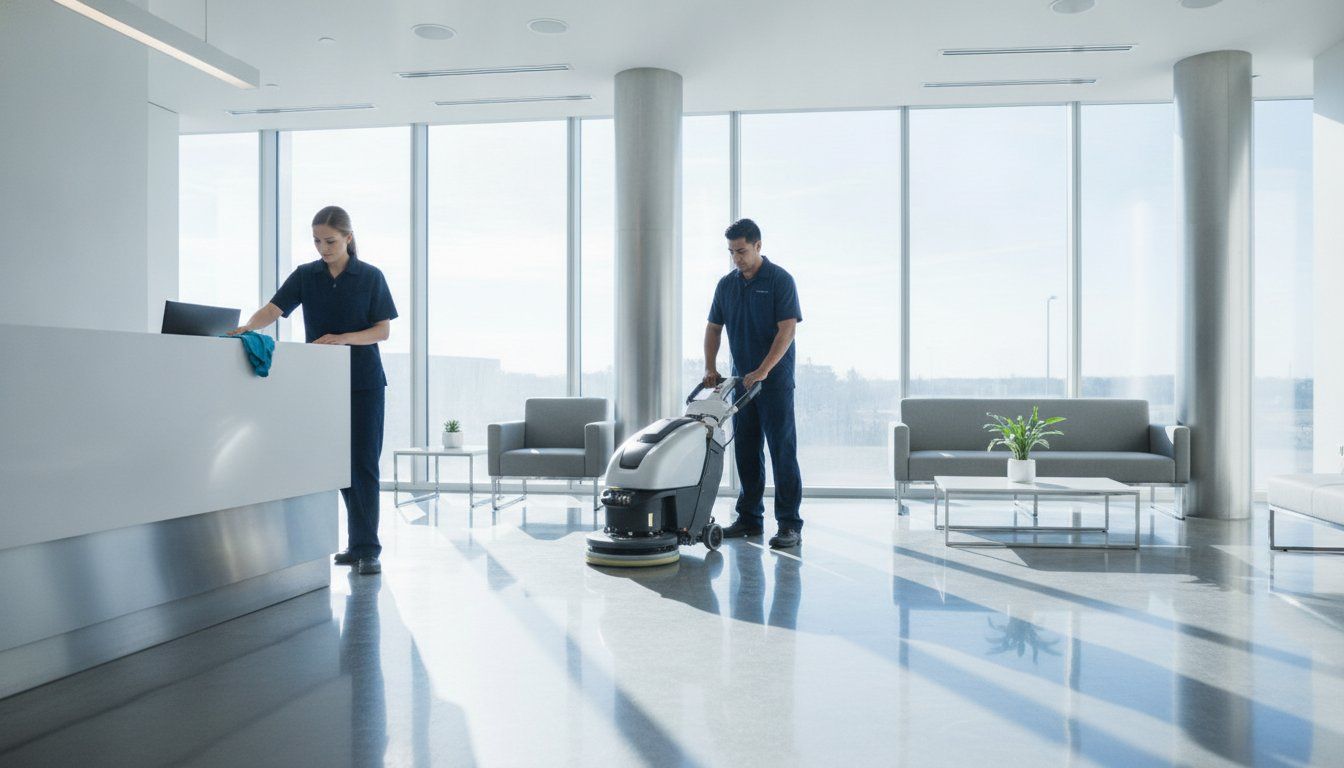
High-volume areas like reception lobbies and elevator banks demand a different level of attention than secluded administrative suites. A thorough understanding of commercial cleaning standards helps in aligning these schedules with actual usage patterns rather than arbitrary timelines. It's a strategic decision that affects both the budget and the longevity of the facility.
Local Environmental Impacts on Long Island Offices
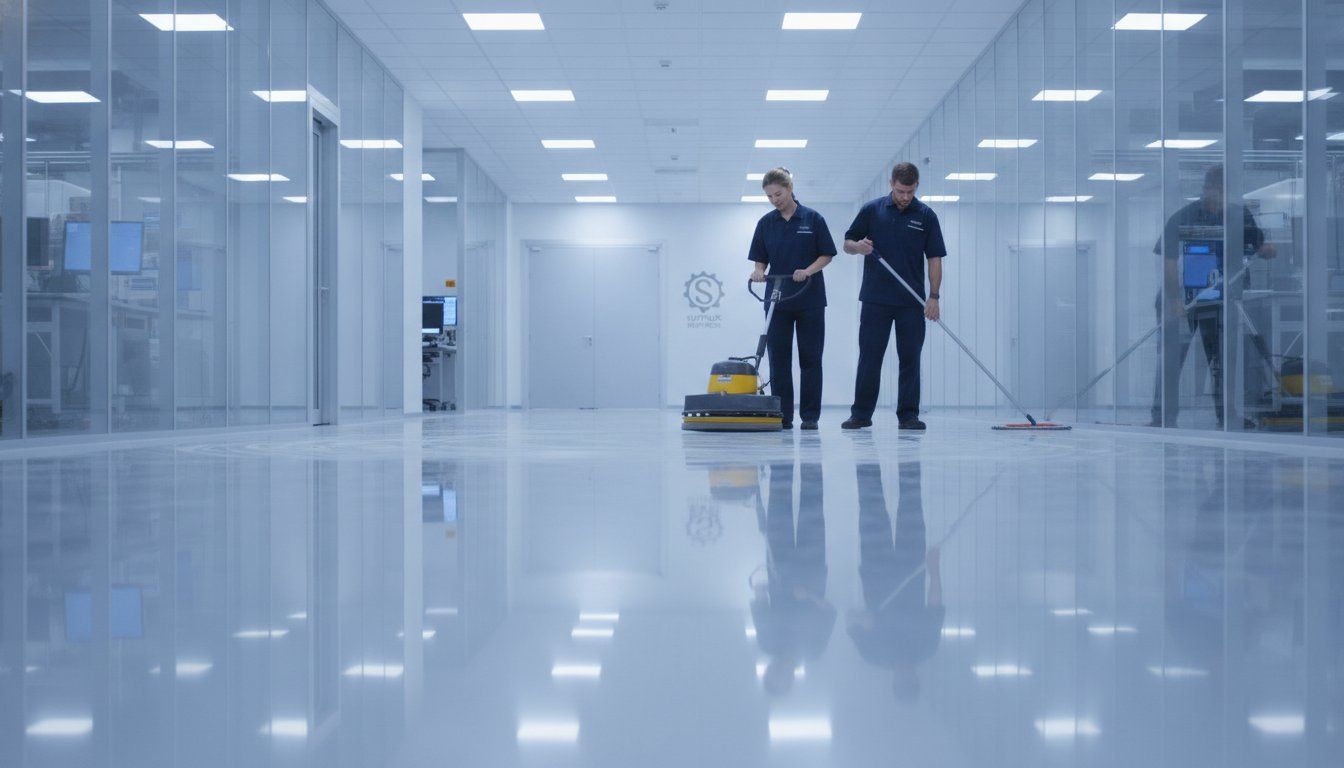
Regional variables significantly influence the rate of facility degradation. In Nassau County, winter salt and coastal sand act as industrial abrasives that can compromise floor finishes within days. We define "high-traffic debris" as a primary driver for daily vacuuming and mopping; without this intervention, grit becomes embedded in carpet fibers and scores tile surfaces. To mitigate this damage, professional floor stripping and waxing should be integrated into the maintenance plan to provide a sacrificial barrier against these local environmental stressors.
Industry-Specific Maintenance Standards
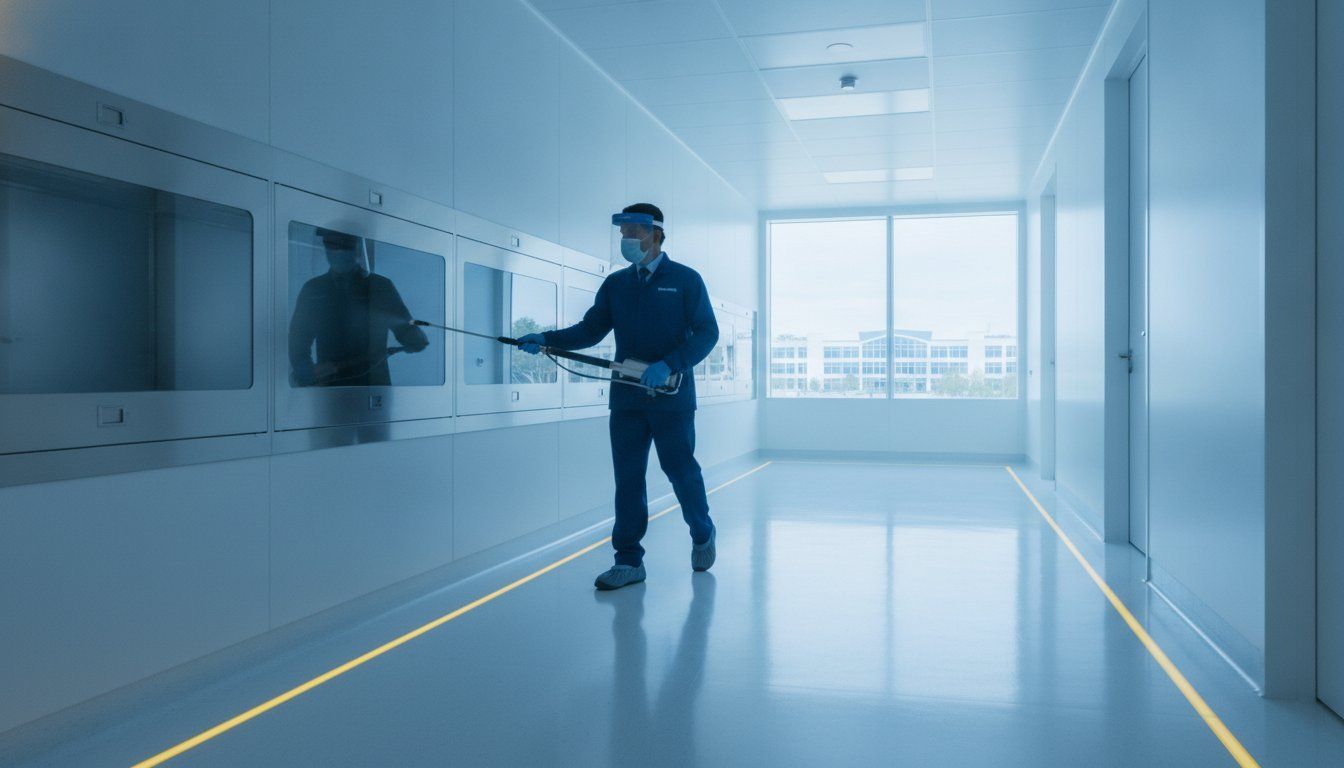
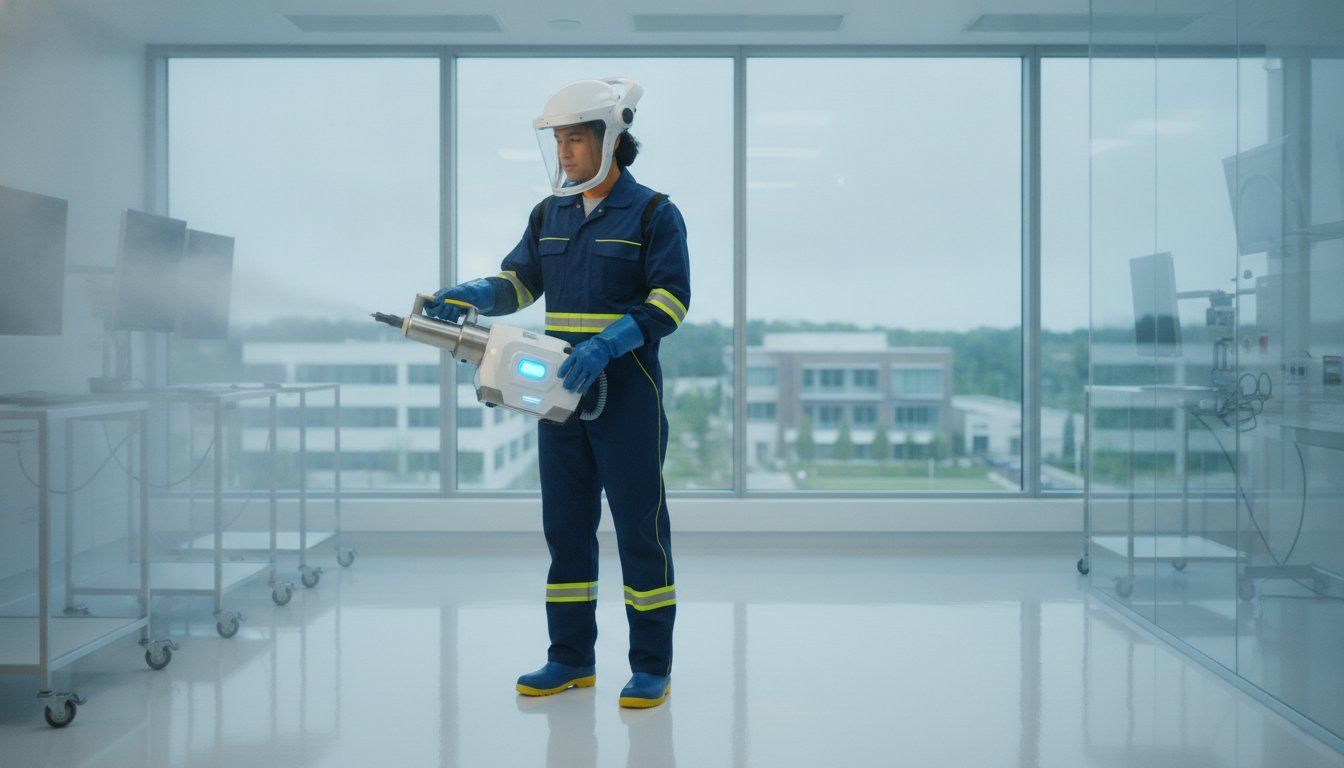
Compliance requirements often dictate the minimum frequency of service. Medical facility cleaning protocols necessitate daily disinfection to meet rigorous sanitary standards and prevent cross-contamination. These high-stakes environments can't rely on weekly cycles due to the biological risks involved. Conversely, a large corporate headquarters in Melville might utilize a hybrid model to manage its footprint, while a smaller boutique in Bohemia could maintain stability with a less frequent schedule. Aligning your frequency with industry-specific mandates ensures both safety and operational continuity.
Daily vs. Weekly Office Cleaning: Comparison of Pros and Cons
Choosing the right frequency involves weighing immediate costs against long-term facility stability. When evaluating daily vs weekly office cleaning pros and cons, the decision rests on your operational density and the specific requirements of your industry. Daily service ensures consistent sanitation and immediate trash removal, which is vital for maintaining professional first impressions. However, it requires a larger recurring investment and can occasionally lead to minor operational overlap between cleaning crews and late-working staff.
Weekly cleaning offers a reduced monthly expenditure, making it a viable option for low-density administrative environments. The drawback is the accumulation of allergens and odors that negatively impact indoor air quality. Without frequent intervention, minor spills often lead to permanent floor staining, necessitating more expensive corrective measures later. Managing these trade-offs is essential for maintaining a functional workspace.
The "Hybrid" Maintenance Strategy
Many organizations find success by combining daily high-touch sanitation in restrooms and breakrooms with weekly comprehensive rotations. This approach gained traction as deep cleaning became standard practice across diverse industries. It allows facility managers to balance strict hygiene expectations with budget constraints while ensuring critical zones receive constant attention. You can consult with a janitorial partner to map these high-risk areas and optimize your schedule.
Long-Term Asset Protection and ROI
Frequency is a primary driver of asset longevity. Daily maintenance extends the life of carpets and hard surfaces by removing abrasive contaminants before they can damage the substrate. Specifically, daily grit removal prevents the need for premature floor stripping and waxing, which reduces overall project-based costs. Investing in consistent care protects your facility's infrastructure from the compounding effects of wear and tear, ensuring a higher return on your maintenance investment.

Implementing a Reliable Maintenance Protocol for Your Business
Establishing a protocol requires a precise audit of your facility’s density and square footage. You shouldn't guess at your requirements when the daily vs weekly office cleaning pros and cons are so clearly defined by usage patterns. A low-occupancy warehouse has different technical needs than a high-density administrative center. We prioritize data over assumptions, ensuring your maintenance budget aligns with actual wear and helps maintain a clean, safe environment for staff and clients.
Reliability is the cornerstone of any industrial partnership. With 40 years of experience in the sector, we understand that schedule execution is as critical as the cleaning itself. Our teams operate as an extension of your staff, maintaining consistency that prevents the accumulation of grime and pollutants. This deep understanding of operational efficiency ensures that your facility remains a stable asset, protecting long-term investments in carpets and flooring.
Transitioning your schedule is a logical step as your Long Island business scales. Moving from a weekly rotation to daily janitorial services prevents the hygiene lapses that often accompany growth. When you evaluate the daily vs weekly office cleaning pros and cons during a period of expansion, the need for increased frequency usually becomes clear. We also provide on-call capacity for unscheduled maintenance needs, ensuring compliance with OSHA Cleaning Industry Standards. This flexibility is essential for businesses that operate in complex, high-stakes environments.
Customizing Schedules for Nassau and Suffolk County Businesses
Logistical precision is required for facilities in Hauppauge, Ronkonkoma, and Bohemia. Our professional staff maintains operational continuity, working around your production cycles to minimize downtime. We adhere to strict professional cleaning standards, providing the essential infrastructure for ongoing industrial stability. This localized expertise ensures that your facility meets both community expectations and technical requirements.
Final Checklist for Decision Makers
Use this 3-point framework to finalize your maintenance protocol:
- Budget: Does your allocation cover the necessary frequency to prevent asset degradation?
- Traffic: Is the schedule robust enough to handle employee density and client footfall?
- Industry Regulations: Do your protocols satisfy legal and sanitary mandates for your specific sector?
A technical consultation can help define these requirements with precision, ensuring your maintenance schedule is both sustainable and effective for your specific industry needs.
Strategize Your Maintenance for Long-Term Stability
Effective facility management requires moving beyond reactive cleaning to a proactive maintenance protocol. By auditing your specific foot traffic and environmental stressors, you can protect your building's infrastructure while maintaining rigorous hygiene standards. Understanding the daily vs weekly office cleaning pros and cons ensures that your procurement decisions support both operational efficiency and asset longevity. Whether you manage a high-density corporate hub or a specialized healthcare environment, your schedule must reflect the technical reality of your workspace.
With over 40 years of commercial cleaning experience, we provide the dependable staff and technical authority required to stabilize your facility’s operations. Our team specializes in the complex sanitation needs of medical facilities and general offices across Nassau and Suffolk Counties. We act as a seasoned partner to ensure your floors, carpets, and high-touch surfaces remain in peak condition. Request a Professional Maintenance Consultation for Your Long Island Facility today to align your cleaning frequency with your industry’s highest standards. We look forward to supporting your ongoing success.
Frequently Asked Questions
Is daily office cleaning necessary for a small team of 10 people?
Daily service is typically not required for a staff of 10 unless the facility hosts frequent client visitors or operates under strict medical sanitation protocols. For low-density administrative environments, a weekly or bi-weekly schedule is often sufficient to maintain professional standards. It's a pragmatic way to manage your maintenance budget while ensuring that common areas remain functional and hygienic for your team.
How does cleaning frequency affect the lifespan of office carpets and flooring?
Increased cleaning frequency directly extends the operational life of flooring by removing abrasive grit before it can score tile surfaces or fray carpet fibers. When analyzing the daily vs weekly office cleaning pros and cons, asset protection is a primary technical factor. Frequent debris removal reduces the necessity for aggressive restorative procedures, such as deep carpet extraction or premature floor stripping and waxing.
Can I change my cleaning schedule seasonally in Long Island?
Seasonal adjustments are highly recommended for Long Island facilities to combat the influx of winter salt and coastal sand. Increasing service frequency during the winter months prevents corrosive ice-melt chemicals from damaging your facility's substrate. This flexible approach allows you to scale resources during high-impact seasons and revert to a standard baseline when environmental stressors decrease, ensuring long-term facility stability.
What is included in a standard daily janitorial service vs. a weekly visit?
Daily janitorial services focus on high-touch disinfection, restroom sanitation, and immediate waste removal to maintain a consistent professional environment. A weekly visit encompasses these tasks but adds rotational duties like high-surface dusting and comprehensive floor care. This distinction helps facility managers select a service level that matches their specific operational density and hygiene mandates without incurring unnecessary costs.