OSHA Medical Office Cleaning: 2026 Compliance Guide
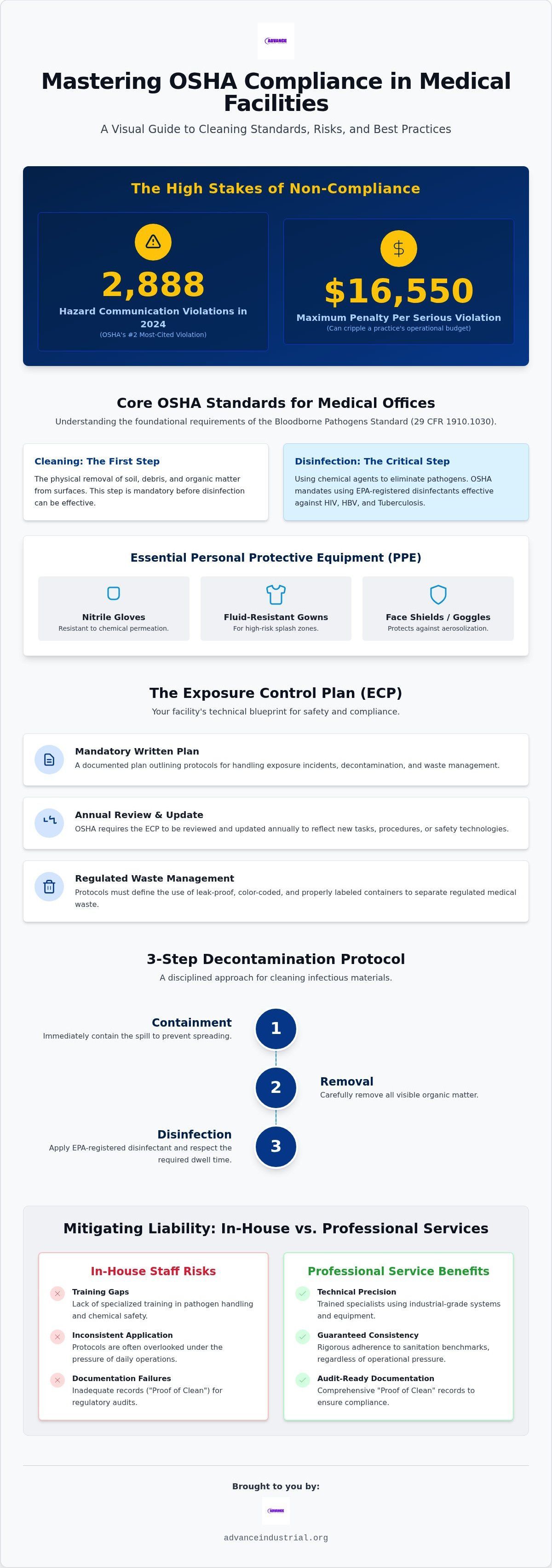
Did you know the Hazard Communication Standard was the second most-cited OSHA violation in 2024, with 2,888 recorded infractions? You likely feel the pressure of balancing daily patient care with the technical demands of regulatory compliance. It's frustrating when the line between CDC recommendations and mandatory OSHA cleaning standards for medical offices feels blurred, especially with the 2026 updates looming. This guide provides the technical precision you need to master these regulations, protecting your facility from maximum penalties of $16,550 per serious violation.
We'll examine the Bloodborne Pathogens Standard, the November 2026 hazard communication deadlines, and how to maintain a compliant Exposure Control Plan that stands up to any audit. By prioritizing industrial-strength reliability and documented precision, you can reduce liability and ensure your practice remains a stabilizing force for patient safety and operational continuity.
Key Takeaways
- Identify the foundational requirements of the Bloodborne Pathogens Standard to ensure your facility meets all current OSHA cleaning standards for medical offices.
- Learn how to develop and maintain a compliant written Exposure Control Plan that accurately reflects your facility's specific sanitation protocols and risk levels.
- Understand the technical criteria for selecting EPA-registered disinfectants to maintain clinical-grade sanitation and ensure the effective neutralization of infectious agents.
- Recognize how professional healthcare cleaning services reduce practice liability by addressing training gaps and ensuring rigorous documentation for potential regulatory audits.
Table of Contents
Core OSHA Standards for Medical Office Sanitation
The Bloodborne Pathogens Standard (29 CFR 1910.1030) serves as the primary regulatory framework for clinical environments. Unlike standard commercial maintenance, OSHA cleaning standards for medical offices mandate a strict distinction between cleaning and disinfection. Cleaning involves the physical removal of soil and organic matter. Disinfection, however, requires chemical agents to eliminate specific pathogens. Biological stability is mandatory. Under federal law, facilities must utilize EPA-registered tuberculocidal disinfectants or cleaners proven effective against HIV and HBV. It's vital to treat all bodily fluids as infectious, which necessitates a specialized approach to surface decontamination.
Operational safety depends on the rigorous application of Personal Protective Equipment (PPE). Janitorial staff must utilize appropriate barriers to prevent exposure during sanitation cycles. Essential PPE includes:
- Nitrile or utility gloves resistant to chemical permeation.
- Fluid-resistant gowns or aprons for high-risk splash zones.
- Face shields or goggles when aerosolization of pathogens is possible.
Hazard Communication and Chemical Safety (SDS)
Reliable sanitation requires precise chemical management under the Global Harmonized System (GHS). Every cleaning agent must feature standardized labeling that includes signal words and pictograms to prevent handling errors. Employers are legally obligated under 29 CFR 1910.1200 to maintain a comprehensive inventory of all hazardous chemicals and ensure that Safety Data Sheets (SDS) are immediately accessible to all personnel. This system, overseen by OSHA, prevents operational downtime caused by chemical exposure. Adhering to these OSHA cleaning standards for medical offices ensures staff can respond effectively to spills or accidents while maintaining regulatory compliance.
Operationalizing Compliance: The Exposure Control Plan
A written Exposure Control Plan (ECP) serves as the technical blueprint for facility safety. OSHA requires you to update this document annually to incorporate new safety technologies and procedural changes. Effective plans define how your facility meets OSHA cleaning standards for medical offices while protecting non-clinical janitorial staff. These team members must adhere to Universal Precautions. It's a protocol that treats all blood and specific body fluids as potentially infectious. This approach is central to the Bloodborne Pathogens standard and ensures a consistent safety baseline across your entire operation.
Precision in waste management prevents cross-contamination. You must separate regulated medical waste from standard office refuse using leak-proof, color-coded containers to maintain OSHA cleaning standards for medical offices . Engineering controls, including shielded waste receptacles and specialized tools, minimize the risk of splashing or spraying during sanitation tasks. Implementing these high standards protects your staff and satisfies the rigorous requirements of technical inspectors. It's a pragmatic way to ensure long-term stability.
Implementing Effective Decontamination Protocols
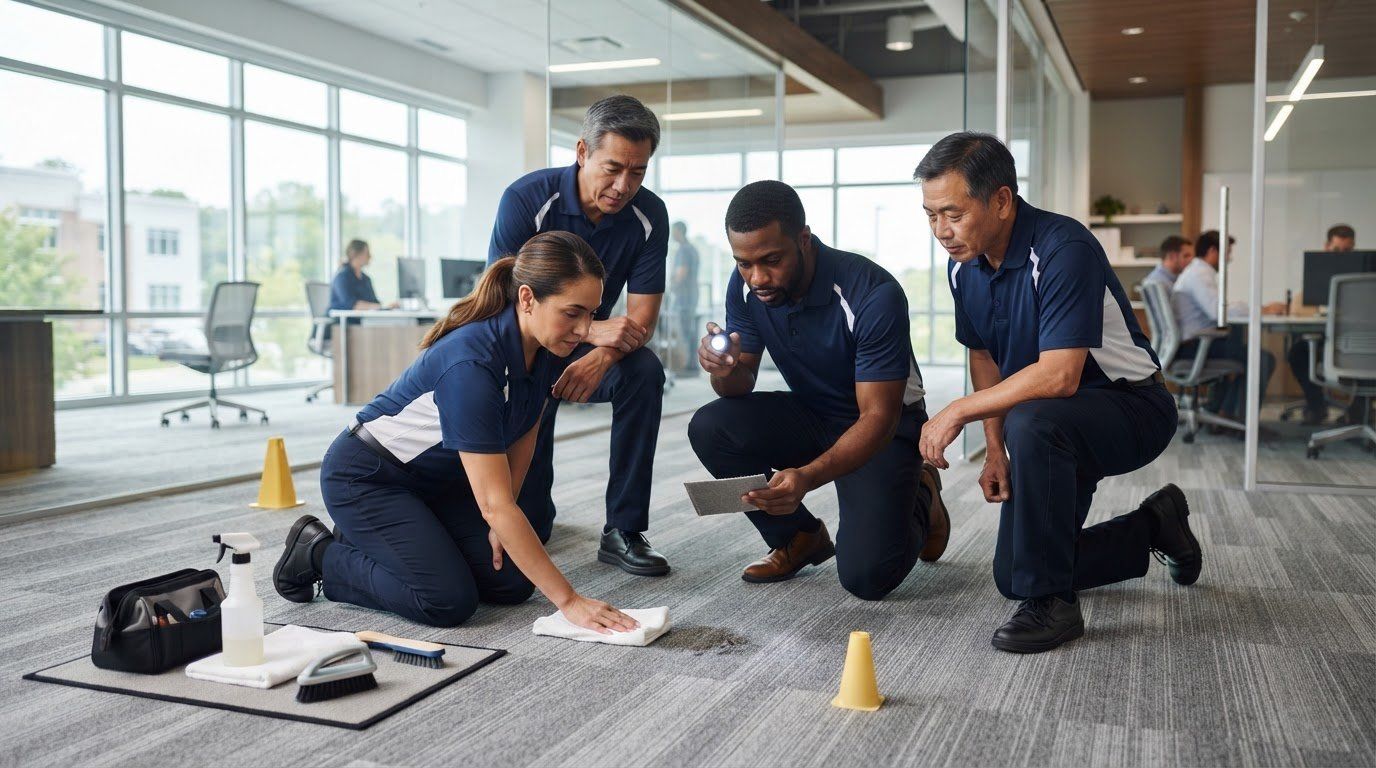
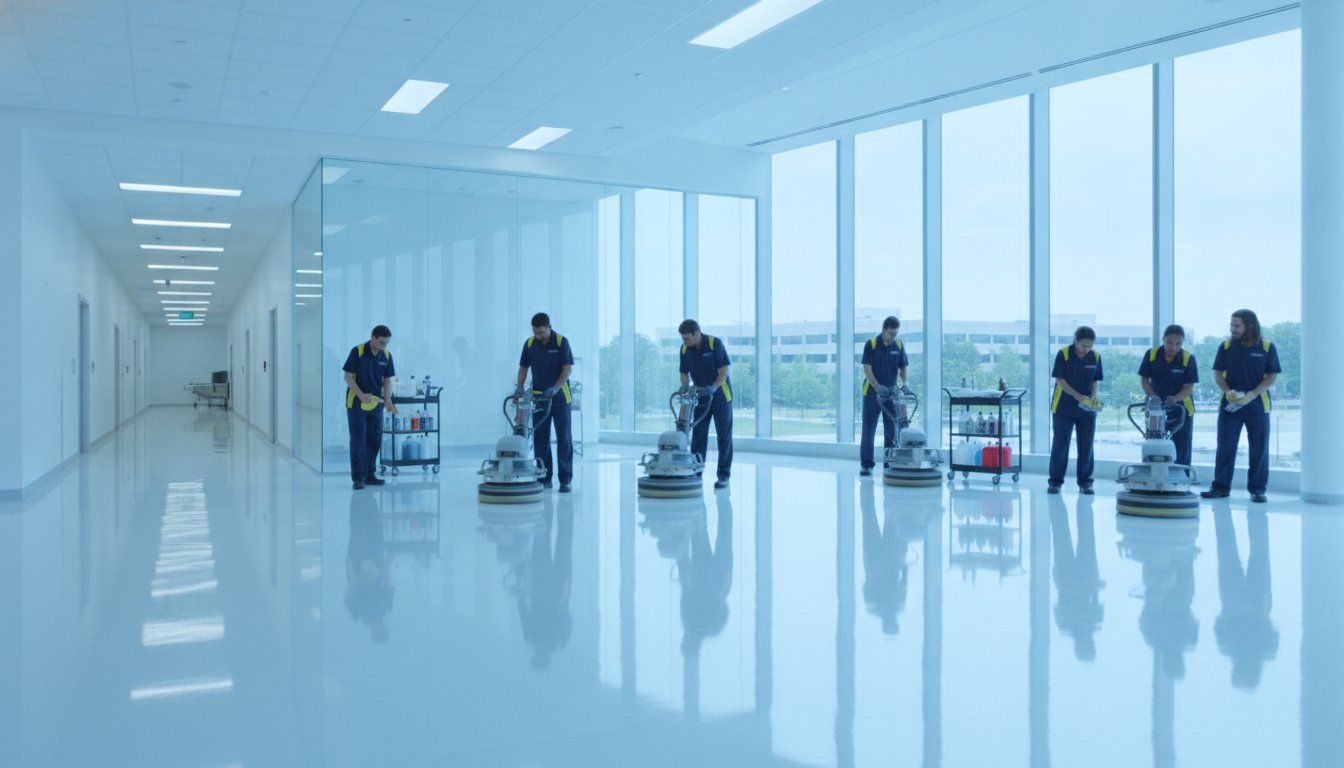
Immediate cleanup of infectious materials requires a disciplined, three-step approach: containment, removal of organic matter, and application of an EPA-registered disinfectant with appropriate dwell time. While daily janitorial services maintain baseline hygiene, scheduled deep cleaning addresses accumulated bio-burden in high-traffic zones. Integrating specialized medical facility cleaning protocols, such as professional floor stripping and waxing, eliminates porous surfaces where pathogens reside. This comprehensive strategy ensures long-term operational stability and reduces practice liability through documented technical precision.
Mitigating Liability through Professional Medical Maintenance
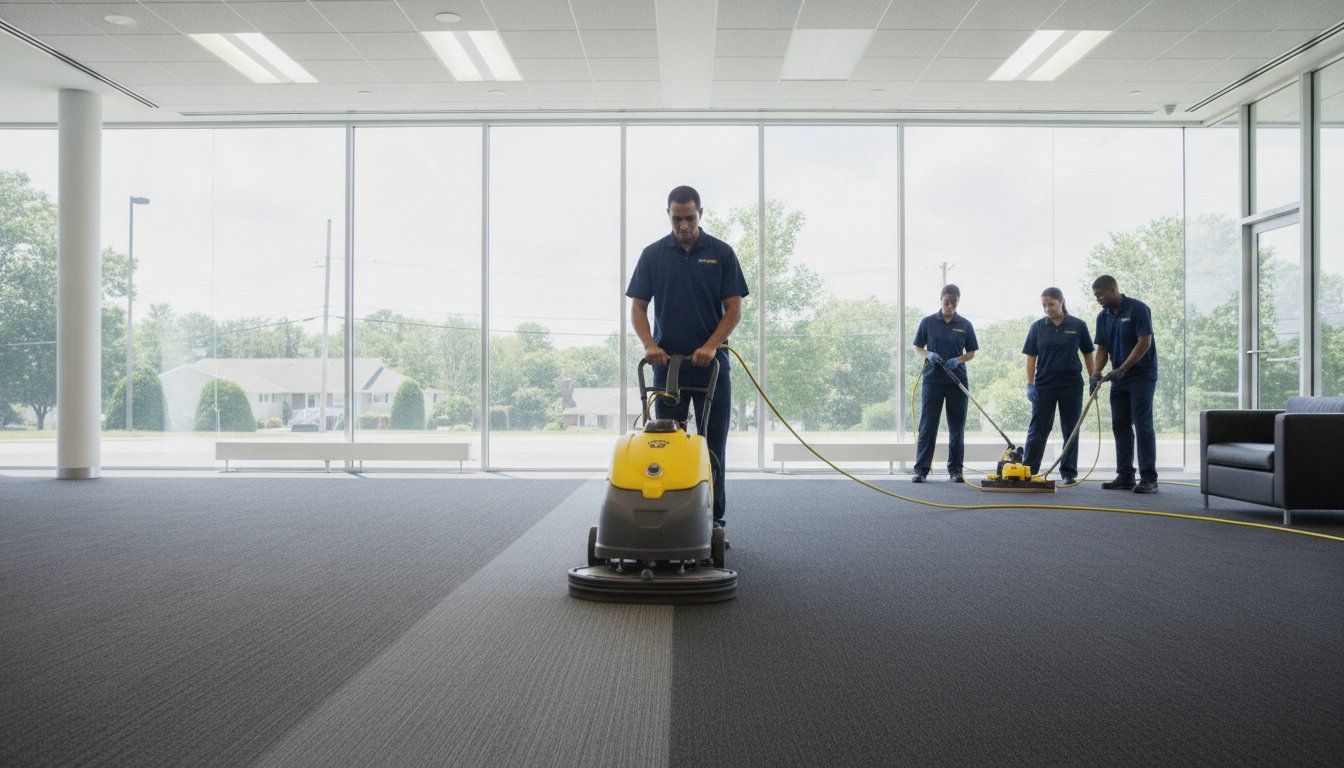
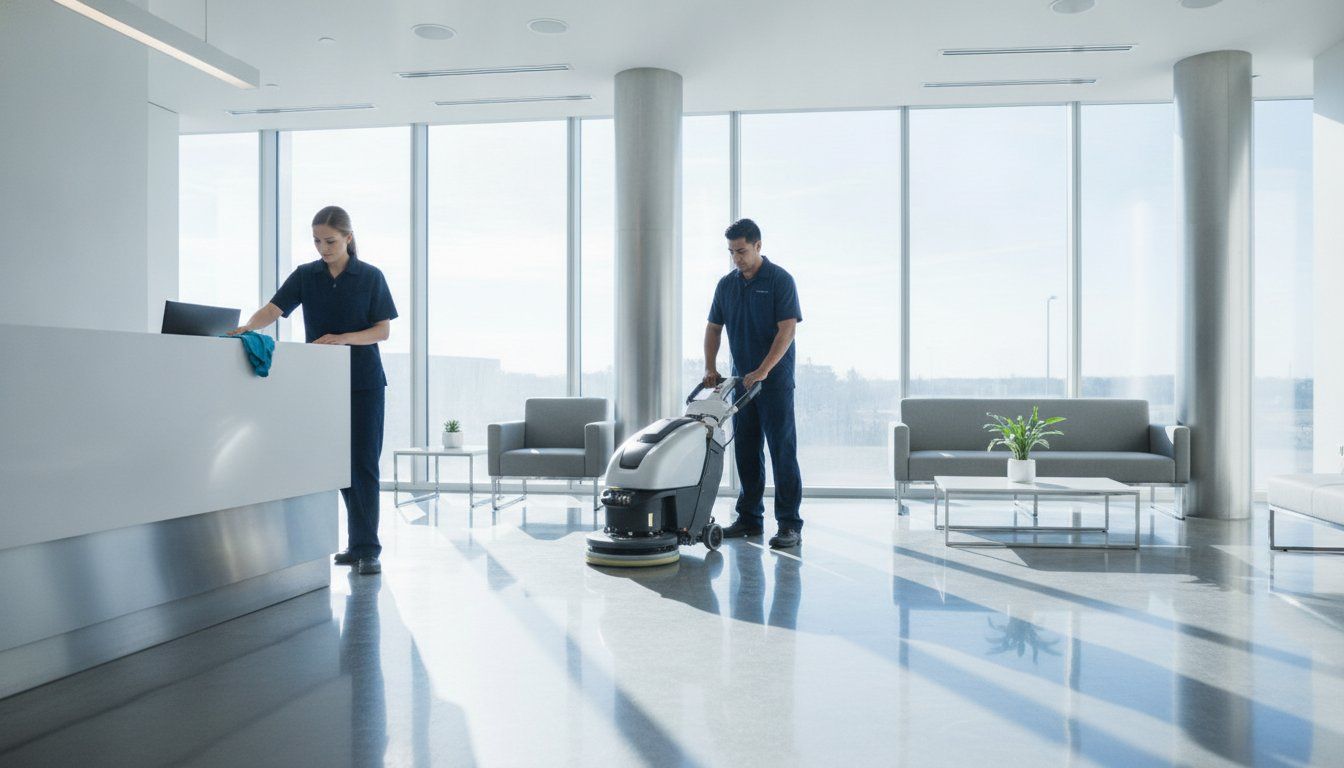
Relying on in-house staff for clinical sanitation introduces significant hidden risks. Training gaps often lead to inconsistent application of OSHA cleaning standards for medical offices , particularly in high-traffic zones like waiting rooms and exam stations. In Suffolk and Nassau Counties, a single documentation failure during an audit can result in civil penalties reaching a maximum of $16,550 per serious violation. Professional medical facility cleaning provides the technical precision and specialized equipment necessary to meet 2026 sanitation benchmarks. By utilizing industrial-grade disinfection systems and documented protocols, you ensure a level of consistency that internal teams often fail to achieve under operational pressure.
Documentation and Training Requirements for Long Island Facilities
Regulatory compliance hinges on your ability to produce "Proof of Clean" during an inspection. Under OSHA's Bloodborne Pathogens standard, you must maintain rigorous training records for all personnel handling sanitation agents. This includes documenting that staff are trained on any newly identified physical or health hazards by the November 20, 2026, deadline. Commercial Cleaning Services Advance Industrial Maintenance acts as a comprehensive resource for Long Island healthcare providers, serving as an extension of your team to manage these administrative burdens. We provide the detailed logs and infection control monitoring checklists required to validate that OSHA cleaning standards for medical offices are met daily. This collaborative alliance ensures your facility remains a stabilizing force in the local healthcare landscape, allowing you to focus on patient outcomes while we maintain the essential infrastructure of safety and compliance.
Securing Operational Continuity through Technical Compliance
Maintaining long-term stability in a clinical environment requires a commitment to documented precision. Adhering to OSHA cleaning standards for medical offices involves more than visible hygiene; it demands strict alignment with the Bloodborne Pathogens Standard and a proactive Exposure Control Plan. These technical frameworks protect your personnel from bio-hazards while shielding your practice from significant liability. Commercial Cleaning Services Advance Industrial Maintenance offers over 40 years of Long Island industrial experience, acting as a stabilizing partner for healthcare providers across Nassau and Suffolk Counties. Our specialized medical facility cleaning experts ensure your sanitation protocols meet every 2026 benchmark. You can Request a Professional Medical Facility Sanitation Audit to verify your compliance status and eliminate operational gaps. We're ready to serve as a dependable extension of your team, providing the industrial strength required for ongoing operational success.
Frequently Asked Questions
How often should a medical office be cleaned to meet OSHA standards?
OSHA doesn't mandate a specific hourly frequency; however, it requires immediate cleaning and decontamination after any contact with blood or other potentially infectious materials (OPIM). High-traffic surfaces must be cleaned according to a schedule determined by the facility's Exposure Control Plan. Daily maintenance is the industrial standard to ensure ongoing safety and to prevent the accumulation of bio-burden in patient care areas.
Does OSHA require a specific type of disinfectant for medical offices?
Yes, OSHA mandates the use of EPA-registered disinfectants that are effective against HIV and HBV, or tuberculocidal agents. These chemical solutions must be used according to the manufacturer’s instructions, including specific dwell times. Adhering to these OSHA cleaning standards for medical offices ensures that pathogens are neutralized rather than just physically moved during the sanitation process.
What is the difference between CDC guidelines and OSHA cleaning standards?
The CDC provides recommendations focused on patient outcomes and infection prevention, while OSHA issues mandatory regulations focused on employee safety. While CDC guidelines are best practices, OSHA cleaning standards for medical offices are federal laws. Failure to follow OSHA mandates results in civil penalties, whereas CDC guidelines are generally not enforceable by law unless adopted by a state regulatory body.
Are medical offices required to have a written Exposure Control Plan for cleaning staff?
Every facility where employees may have occupational exposure to bloodborne pathogens must maintain a written Exposure Control Plan (ECP). This requirement includes cleaning staff, whether they're internal employees or third-party contractors. The plan must be reviewed and updated annually to reflect new safety technologies and changes in workplace procedures. It's a critical document for ensuring the protection of all personnel.