The Definitive Checklist for Changing Janitorial Providers in 2026

A janitorial transition is a technical operation, not just a contractual change, that requires a documented handover of building intelligence. Most facility managers recognize that a vendor switch often risks service gaps or compromised security codes. You shouldn't have to worry about incomplete cleaning scopes or lost access when you're trying to improve your facility's maintenance standards. This guide provides a professional framework to ensure your transition occurs without operational downtime. We'll cover the critical steps for a seamless Day One experience, including the precise questions to ask commercial cleaning companies to vet their technical expertise. From managing Nassau and Suffolk county requirements to securing facility protocols, this checklist serves as your roadmap for long term operational stability. You'll gain the clarity needed to move from a standard vendor relationship to a high level collaborative alliance that prioritizes your building's precision and consistency.
Key Takeaways
- Conduct a comprehensive Scope of Work audit and final walkthrough to secure building intelligence and prevent service gaps during the vendor transition.
- Identify the essential technical questions to ask commercial cleaning companies to verify their specialized expertise in medical and corporate environments across Long Island.
- Establish a seamless Day One experience by introducing site supervisors and deploying customized cleaning plans for high-visibility areas immediately.
- Ensure long-term operational stability and industrial-strength reliability by treating your janitorial provider as a strategic extension of your facility management team.
Table of Contents
Auditing Your Current Service and Securing Handover Documents
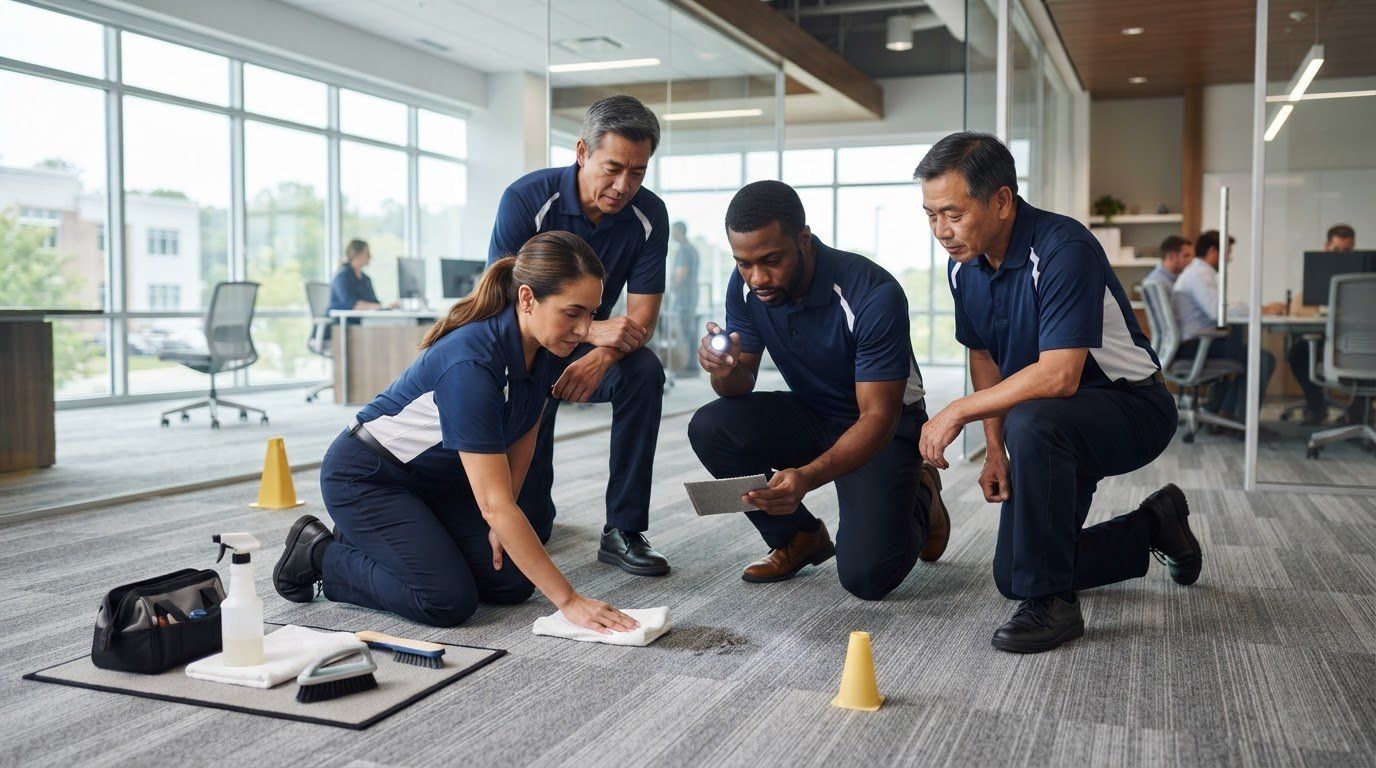
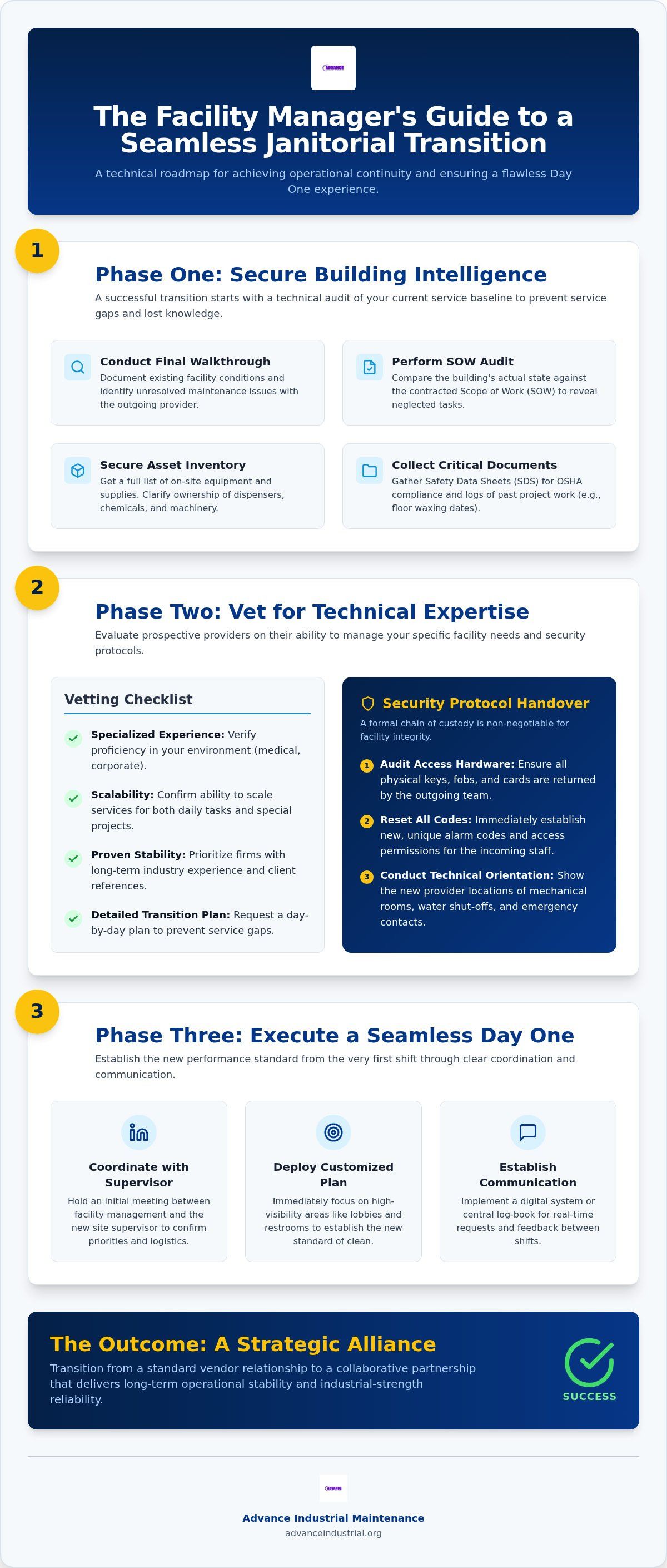
Successful transitions begin with a technical audit of your current service baseline. You must conduct a final walkthrough with the outgoing provider to document existing facility conditions and identify unresolved maintenance issues. This process allows you to compare the actual state of your building against the contracted Scope of Work (SOW). An SOW audit often reveals neglected tasks that your new partner must prioritize. Don't assume the previous vendor completed every deep clean on the schedule; verifying these details ensures your next contract starts with a clear baseline.
Operational continuity depends on asset management and technical intelligence. Secure a full inventory of on-site equipment and supplies; you need to know exactly who owns the dispensers, chemicals, and floor scrubbers. Documenting facility-specific challenges is equally vital. Whether it’s a temperamental security system or unique floor care requirements for specialized tile, these details prevent service gaps. Identifying these nuances helps you refine the questions to ask commercial cleaning companies to ensure they can manage your specific infrastructure. Preparing these questions to ask commercial cleaning companies allows you to vet candidates based on their ability to resolve your specific building issues.
Critical Documentation for Operational Continuity
Compliance and scheduling data are the backbone of a professional transition. You must collect Safety Data Sheets (SDS) for all chemicals stored on-site to ensure immediate OSHA compliance. Additionally, verify the status of specialized project work. Knowing the exact dates of the last floor stripping and waxing or carpet deep cleaning prevents redundant costs and ensures your maintenance cycle remains uninterrupted. Janitorial handover is the transfer of technical facility knowledge to maintain high-level operational stability. By securing this data, you provide your new team with the essential infrastructure needed for a seamless start.
Vetting Your New Long Island Partner: Questions to Ask Commercial Cleaning Companies
Evaluate the prospective provider’s experience with specific Long Island commercial environments. A partner should demonstrate technical proficiency in diverse settings, from high-traffic medical offices in Bohemia to expansive corporate hubs in Melville. When reviewing questions to ask commercial cleaning companies , prioritize their ability to scale recurring janitorial services alongside project-based requirements like specialty floor maintenance. Stability matters. A firm with over 40 years of industry experience provides a level of dependability that newer vendors can't match. Confirming long-term client references validates their capacity for consistent operational continuity. This technical authority ensures your facility remains an asset rather than a liability.
Review the proposed transition timeline with precision. You must ensure no service gaps occur between the expiration of the old contract and the start of the new one. A pragmatic partner will provide a day-by-day transition plan that accounts for equipment delivery and staff staging. Identifying the right questions to ask commercial cleaning companies regarding their mobilization strategy reveals their level of preparedness. This planning is essential for maintaining industrial-strength reliability throughout the switch. Precision is non-negotiable.
Coordinating Facility Access and Security Protocols
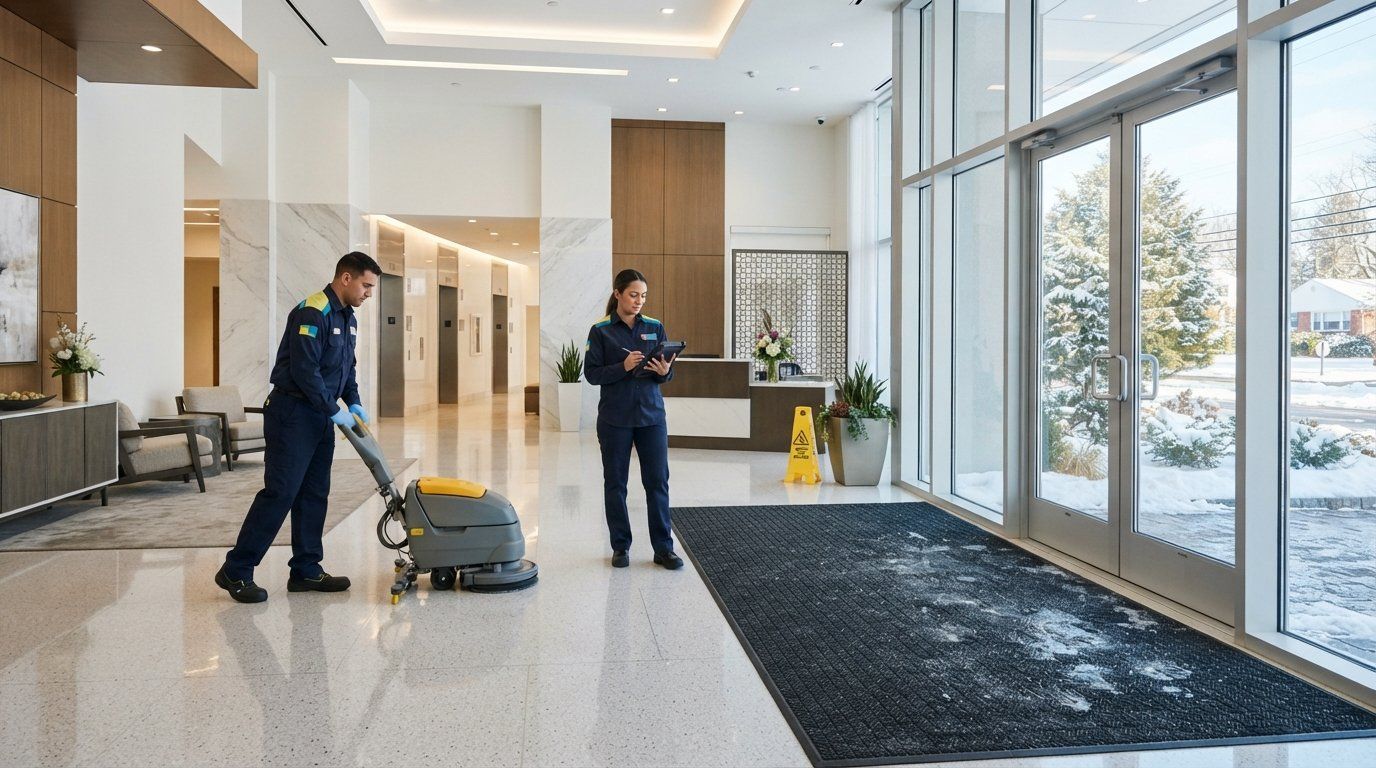
Security transitions require a formal chain of custody. You must audit the distribution of all physical keys, fobs, and master codes; ensure the outgoing team returns all hardware before their departure. Immediately establish new, unique alarm codes and access permissions for the incoming staff to protect your facility’s integrity. Finally, schedule a technical orientation. Your new provider needs to know the exact locations of mechanical rooms, water shut-offs, and emergency contact procedures. For a partner that understands these high stakes, consider a dependable Long Island cleaning expert to manage your facility’s requirements.
Executing a Seamless Day-One Transition and Performance Benchmarks
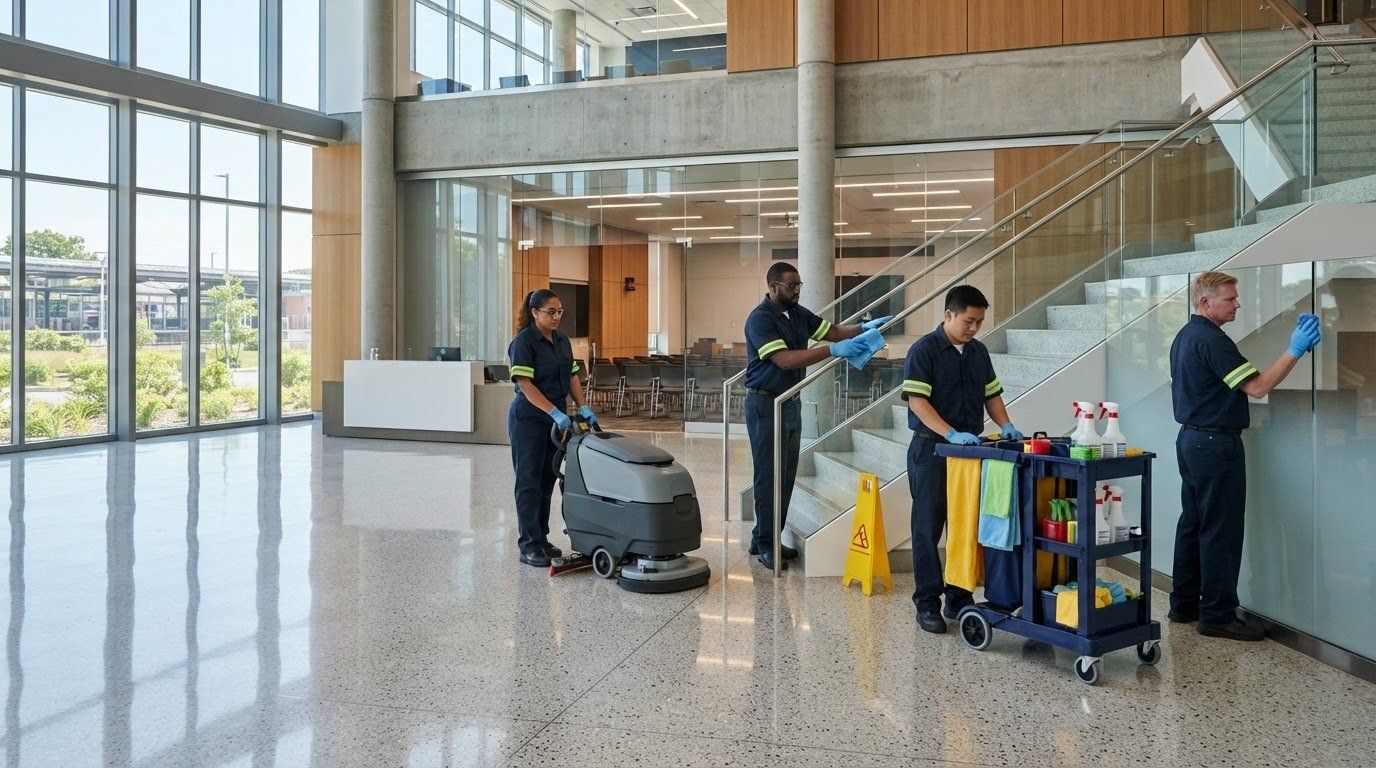
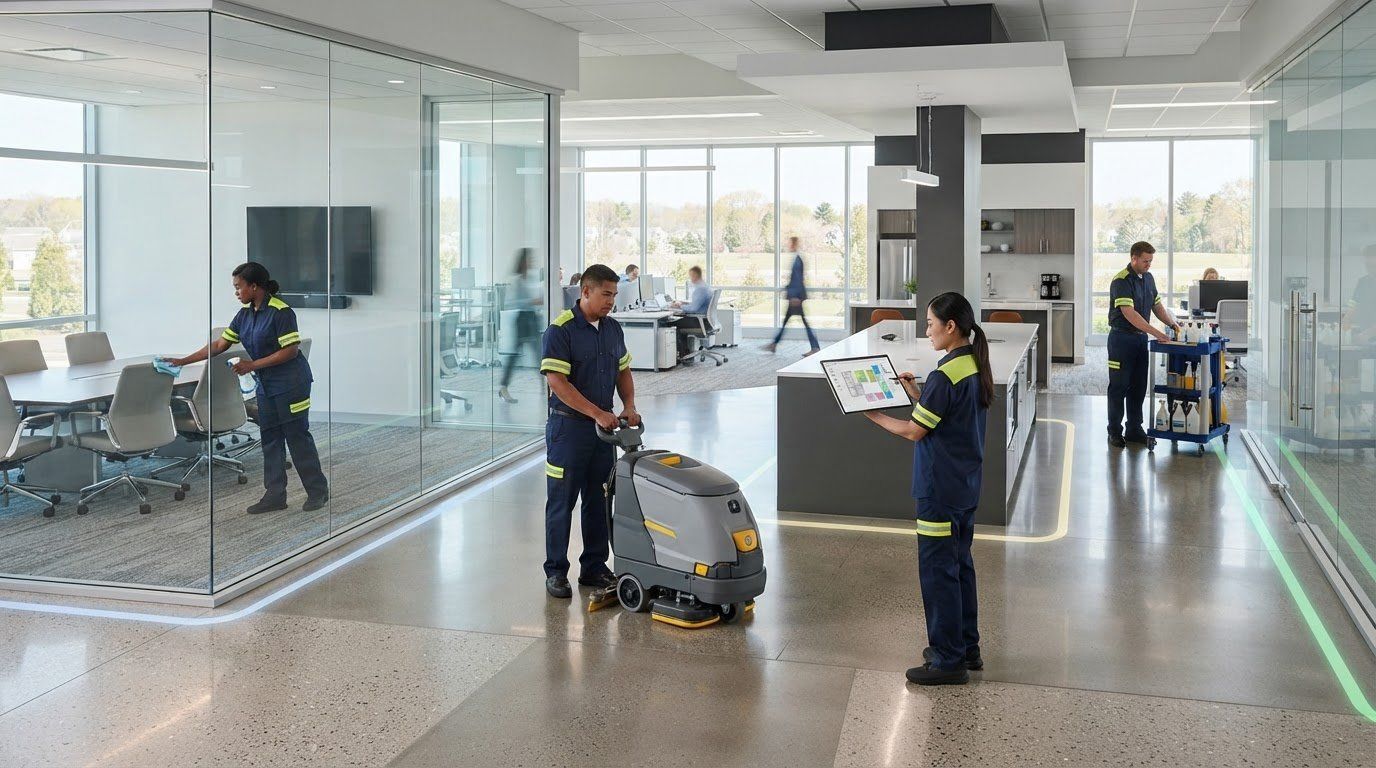
Operational success on Day One requires direct coordination between your facility management and the new site supervisor. This initial meeting confirms cleaning priorities and ensures staff are oriented to the specific logistical requirements of your building. Deploy the customized cleaning plan immediately, focusing on high-visibility zones like lobbies and restrooms to establish the new performance standard. To bridge the gap between facility staff and night-shift crews, you must implement a digital communication system or a centralized log-book. This ensures that technical requests and feedback are documented and addressed in real-time, preventing service degradation.
A formal 30-day performance review is essential for long-term stability. This evaluation allows you to adjust the scope of work based on real-world facility usage patterns rather than initial estimates. During this phase, the questions to ask commercial cleaning companies should shift toward refining operational efficiency and resource allocation. Evaluating these metrics early identifies if the partner is truly an extension of your team. This proactive adjustment period is a hallmark of industrial-strength reliability. It’s the difference between a temporary fix and a permanent operational solution.
Establishing Long-Term Quality Assurance and Reporting
Define specific Key Performance Indicators (KPIs) for critical tasks such as floor maintenance and high-touch surface disinfection. Your provider should leverage advanced equipment and professional staff to identify proactive maintenance needs before they escalate into operational emergencies. Regular quality audits by a seasoned partner reduce commercial liability and protect facility assets. By establishing these benchmarks, you ensure the questions to ask commercial cleaning companies during quarterly reviews focus on continuous improvement and the long-term success of your operation.
Securing Long-Term Operational Stability
Successful transitions rely on technical audits of existing conditions and the implementation of rigorous performance benchmarks from the first shift. By documenting facility-specific intelligence and coordinating security protocols, you eliminate the risk of service gaps. Identifying the correct questions to ask commercial cleaning companies ensures that your chosen partner possesses the industrial strength required for complex environments. Commercial Cleaning Services Advance Industrial Maintenance brings over 40 years of Long Island commercial cleaning expertise to every collaborative alliance. Our professional staff is trained in advanced maintenance protocols specifically for healthcare and high-traffic office environments. Request a Professional Transition Consultation with Commercial Cleaning Services Advance Industrial Maintenance to stabilize your facility’s infrastructure. We look forward to supporting your operation's ongoing success.
Frequently Asked Questions
How much notice should I give my current janitorial provider before switching?
Standard contracts typically require 30 to 60 days of written notice for termination. You should review your current agreement for specific "cure periods" or renewal clauses that might impact the timeline. This window provides the necessary time for a technical handover of facility intelligence. It's also a period that allows your incoming partner to complete staff staging and logistical preparations without risking operational downtime.
What happens to the cleaning supplies and dispensers if they were provided by the old company?
Hardware ownership depends on your initial procurement contract. If the outgoing vendor's installed dispensers at no cost, they likely retain ownership and may remove them. You must verify these details during the final walkthrough to prevent service gaps. Identifying hardware ownership is one of the vital questions to ask commercial cleaning companies to ensure they can provide compatible replacements or maintain existing infrastructure.
Should I change my building alarm codes when I hire a new cleaning service?
You must issue new, unique alarm codes and access permissions for every member of the incoming team. Reusing existing codes from the previous vendor creates a security vulnerability and breaks the chain of custody. Establishing fresh credentials ensures a secure audit trail for all after-hours activity. It's a pragmatic step that protects your building's integrity and ensures only authorized staff can enter the premises.
How do I evaluate if a new janitorial provider has the technical expertise for medical facility cleaning?
Evaluate technical expertise by requesting documented Bloodborne Pathogen training and specialized healthcare sanitation protocols. A qualified partner should provide references from active medical environments in Long Island. Verifying these standards is a core part of the questions to ask commercial cleaning companies to ensure they understand terminal cleaning requirements. This technical authority is necessary to maintain compliance with rigorous healthcare facility sanitation regulations.