The Manager’s Guide to Office Tidiness in Suffolk and Nassau County
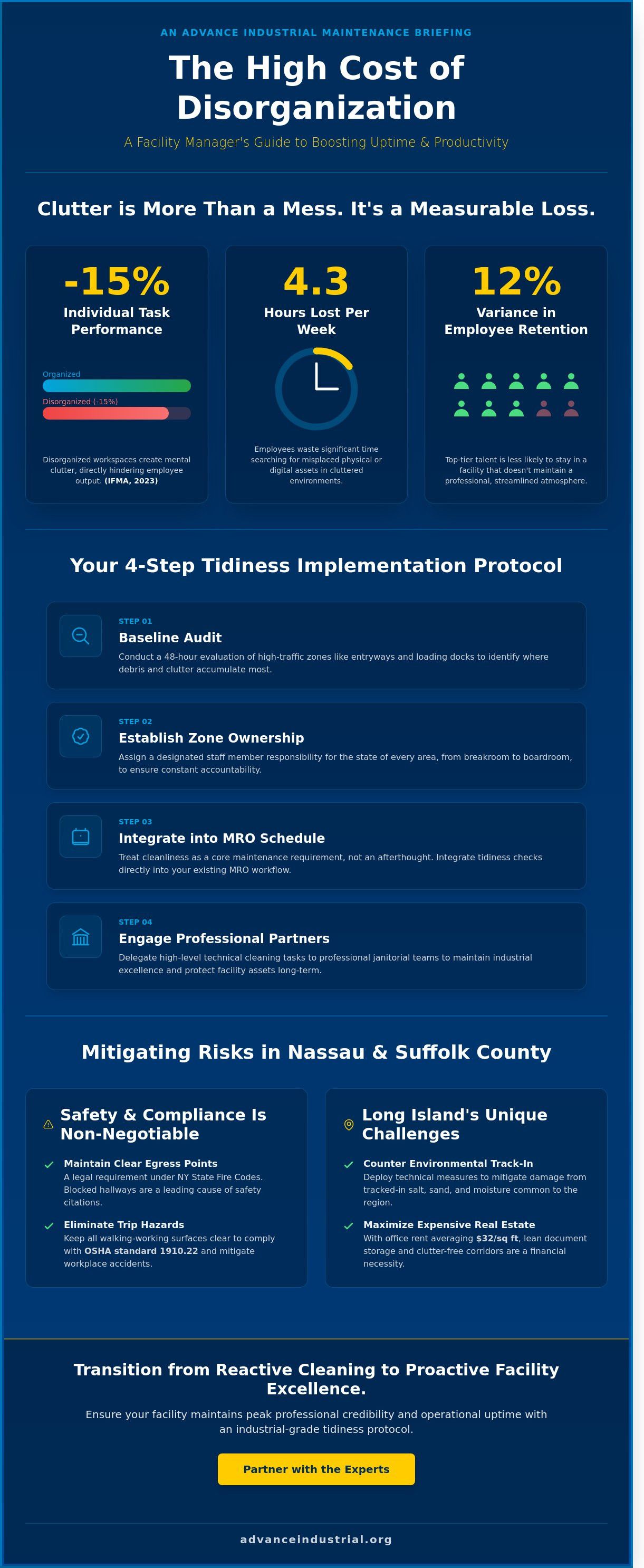
A 2023 report from the International Facility Management Association indicates that disorganized workspaces can cause a 15% decrease in individual task performance. For facility managers operating within the high-traffic corridors of Nassau and Suffolk County, maintaining consistent office tidiness is a technical necessity rather than a cosmetic preference. You recognize that inconsistent standards across departments lead to operational friction and increased downtime for your workforce. Disorganized environments create mental clutter that directly impacts your bottom line, as well as the long-term durability of your facility's physical assets.
This guide provides a professional tidiness protocol engineered to enhance operational uptime and employee productivity across Long Island workplaces. You'll learn how to implement standardized maintenance and MRO practices that reduce workplace anxiety and ensure your office remains a reliable hub for industrial excellence. We'll outline specific, actionable strategies to mitigate high-traffic wear and tear, providing you with the framework to maintain a facility that consistently impresses both your internal staff and your strategic partners.
Key Takeaways
- Establish a direct link between consistent office tidiness and improved operational uptime to ensure your facility maintains peak professional credibility.
- Implement a rigorous facility-wide protocol through baseline audits and clearly defined zone ownership for all high-traffic communal areas.
- Transition from surface-level cleaning to industrial-grade maintenance strategies that support long-term asset protection and employee productivity.
- Deploy specific technical measures to counter the unique regional challenges of salt, sand, and moisture tracking common in Suffolk and Nassau County workplaces.
The Strategic Role of Office Tidiness in Long Island Operations
Transitioning from reactive cleaning to a proactive tidiness partnership is essential for maintaining a competitive edge. This shift moves the focus from "cleaning up messes" to "preventing disorder." It's a strategic approach that treats the office as a precision instrument rather than just a place to sit. By establishing a single-source provider for facility standards, managers ensure that every square foot of their Melville or Nassau County footprint supports the broader mission of uninterrupted productivity.
Productivity Gains and Cognitive Load
Disorder creates a persistent drain on an employee's cognitive bandwidth. This "clutter-stress" loop forces the brain to expend energy filtering out irrelevant visual stimuli, which directly reduces focus on complex tasks. Industry data suggests that staff members in disorganized environments lose approximately 4.3 hours per week searching for misplaced physical or digital assets. Implementing a structured 5S workplace organization method helps eliminate these bottlenecks. By focusing on Sort, Set in Order, and Shine, managers can maximize their facility's throughput and reduce the mental fatigue that leads to operational errors.
Safety and Compliance Standards in Suffolk County
Maintaining clear egress points is a non-negotiable legal requirement under New York State Fire Prevention and Building Codes. In the high-density buildings of Nassau County, blocked hallways or poorly stored materials are leading causes for citations during annual safety inspections. Managers must ensure that all walking-working surfaces remain free of trip hazards to stay compliant with OSHA standard 1910.22. It's not just about aesthetics; it's about risk mitigation. A disciplined approach to office tidiness ensures that fire exits and safety equipment remain accessible at all times, protecting the workforce and the company's bottom line from the costs of workplace accidents.
How to Implement a Facility-Wide Tidiness Protocol
Operational uptime begins with a rigorous baseline audit of the facility. Managers should evaluate high-traffic zones, such as entryways and loading docks, over a 48-hour period to identify where debris and clutter accumulate. A 2023 study by the International Facility Management Association indicates that disorganized workspaces can lead to a 15% decline in overall employee productivity. To combat this, establish clear Zone Ownership. Every area, from the breakroom to the boardroom, requires a designated staff member responsible for its state. This accountability ensures office tidiness remains a constant priority rather than a periodic afterthought.
Integrate these checks directly into your existing MRO schedule. By treating cleanliness as a maintenance requirement, you ensure that cleaning tasks don't compete with operational duties. Reliability in this protocol is achieved through a strategic partnership with professional janitorial teams. These experts handle high-level technical tasks that go beyond daily dusting, maintaining the industrial excellence of your facility. You can stay informed on the latest facility management standards by following our industry updates and technical feeds.
Document and Supply Chain Management
High-Touch Surface and Tech Sanitation
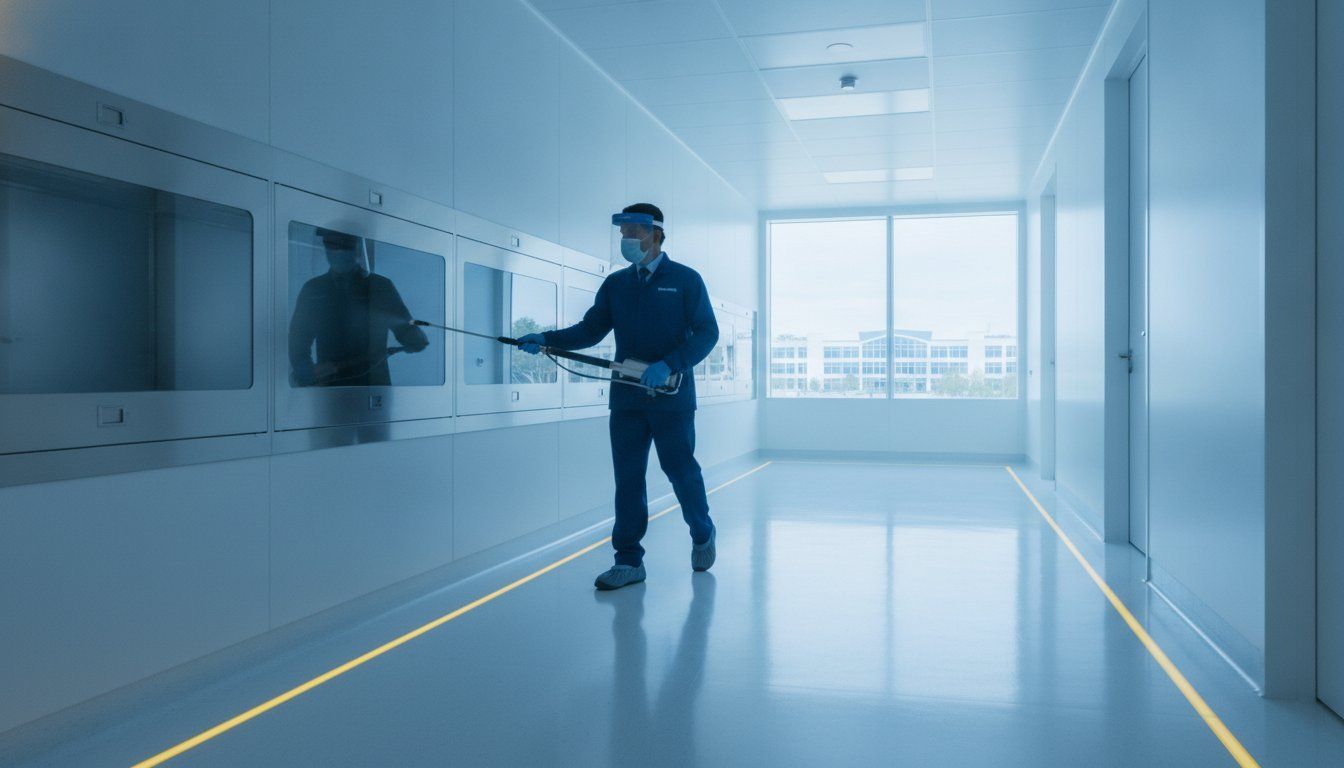
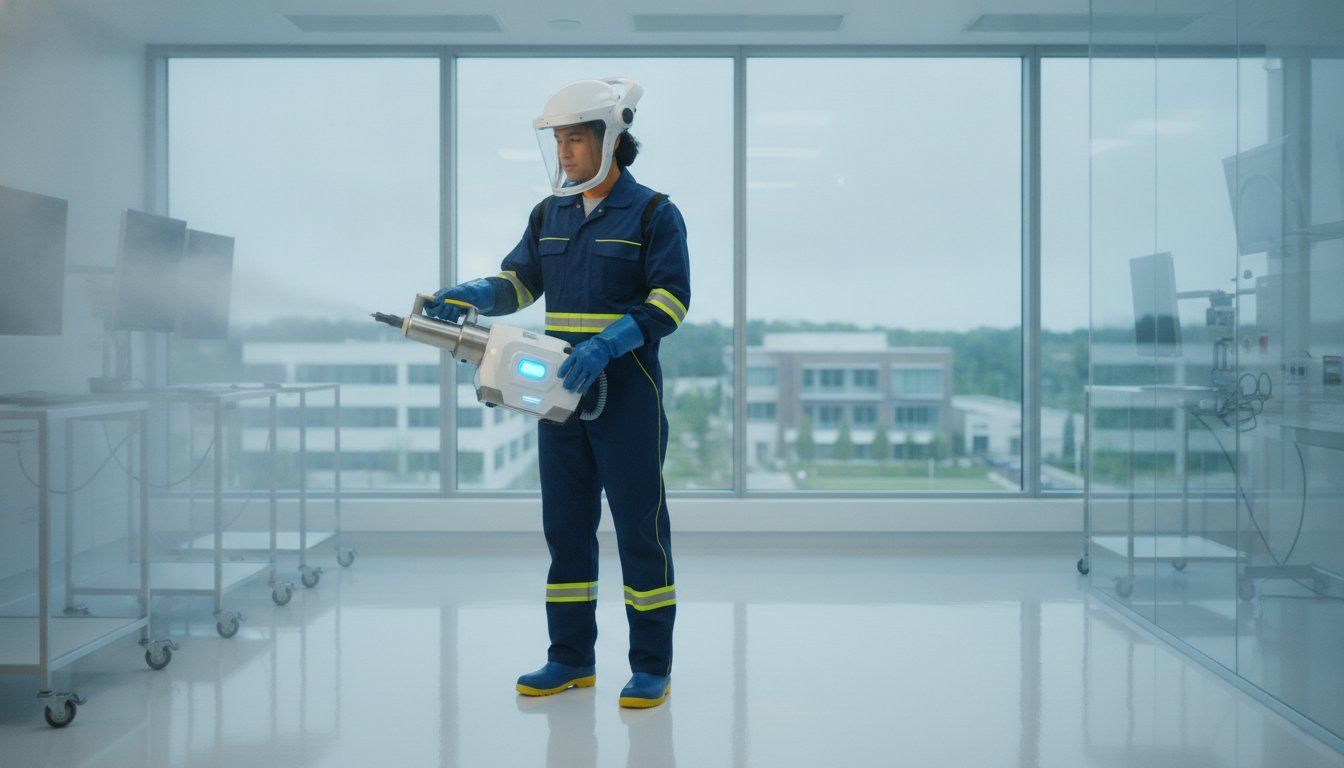
Maintaining shared hardware requires technical precision to prevent equipment failure. Use 70% isopropyl alcohol solutions applied to lint-free wipes for sanitizing touchscreens and keyboards. Never spray liquids directly onto electronics, as moisture ingress can cause short circuits and downtime. Recurring janitorial services provide the specialized chemicals and protocols needed to disinfect these surfaces safely. This systematic approach ensures hygiene and organization coexist, protecting both your staff and your hardware investments.
Professional Maintenance Strategies for Long Island Commercial Spaces
Surface-level office tidiness often masks underlying structural degradation. In Suffolk and Nassau counties, standard janitorial sweeps fail to address the abrasive impact of coastal sand and winter rock salt. These elements act as sandpaper on commercial flooring, grinding down finishes and compromising the substrate. Industrial-grade cleaning requires more than a mop; it demands chemical precision and heavy-duty equipment to neutralize corrosive moisture. Advance Industrial provides the technical authority needed to manage these environmental stressors, drawing on 40 years of local expertise to maintain facility integrity.
- Neutralization of calcium chloride and rock salt residues.
- Removal of silica-based sand particles that degrade floor seals.
- Moisture control protocols to prevent mold growth in high-humidity coastal zones.
Advanced Floor Care and Surface Protection
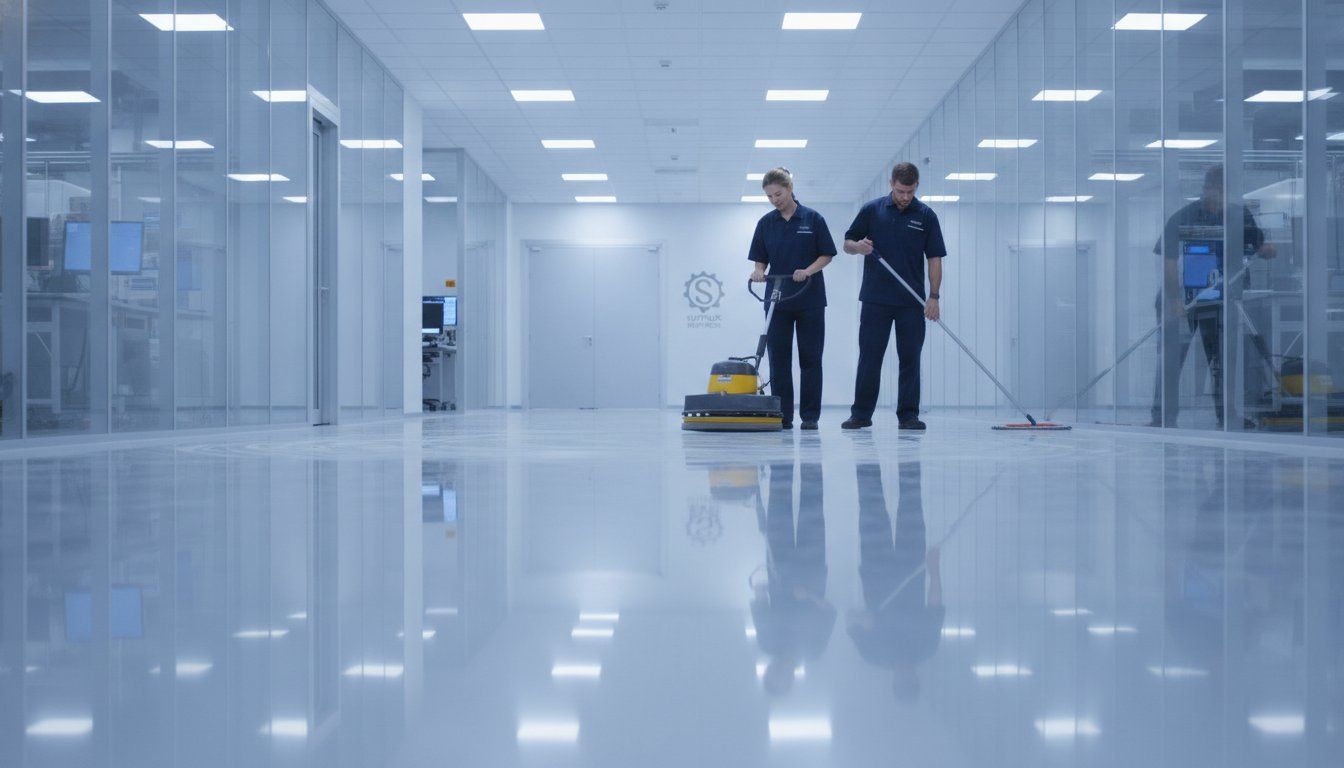
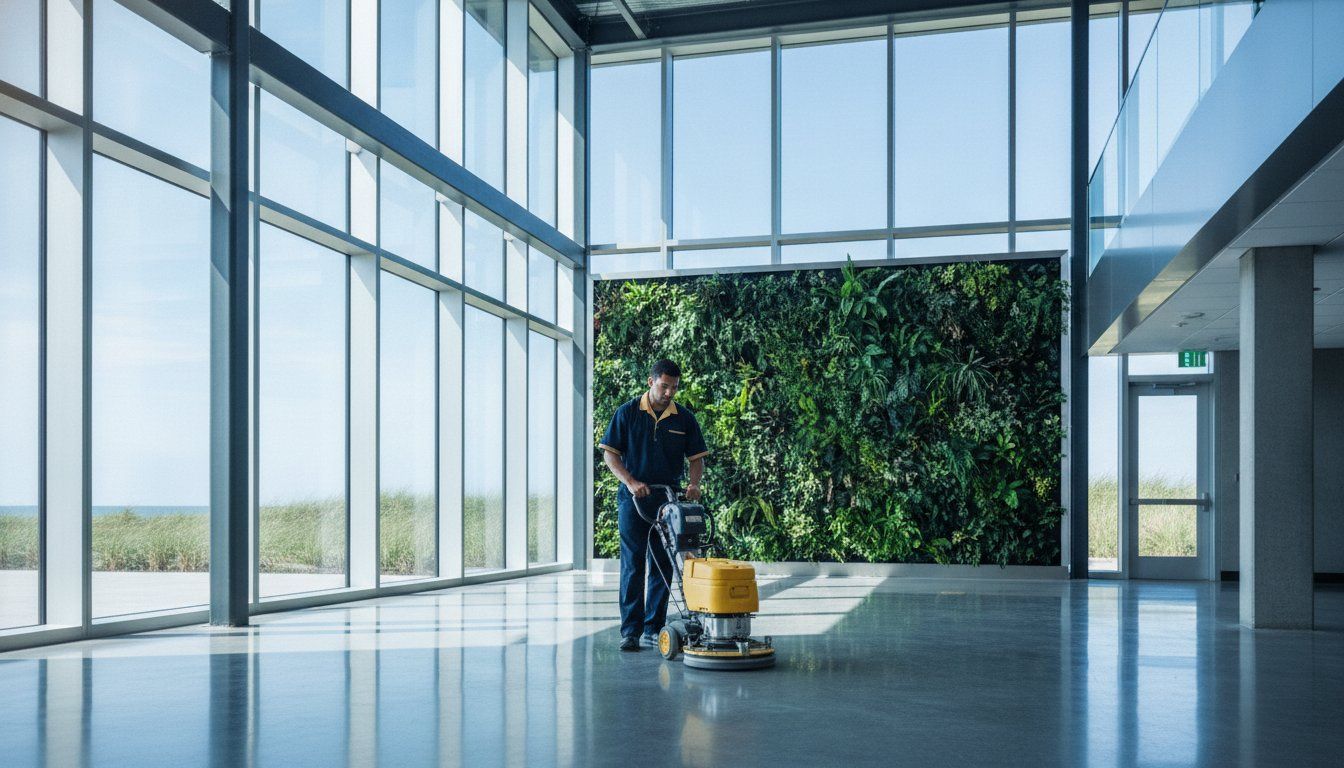
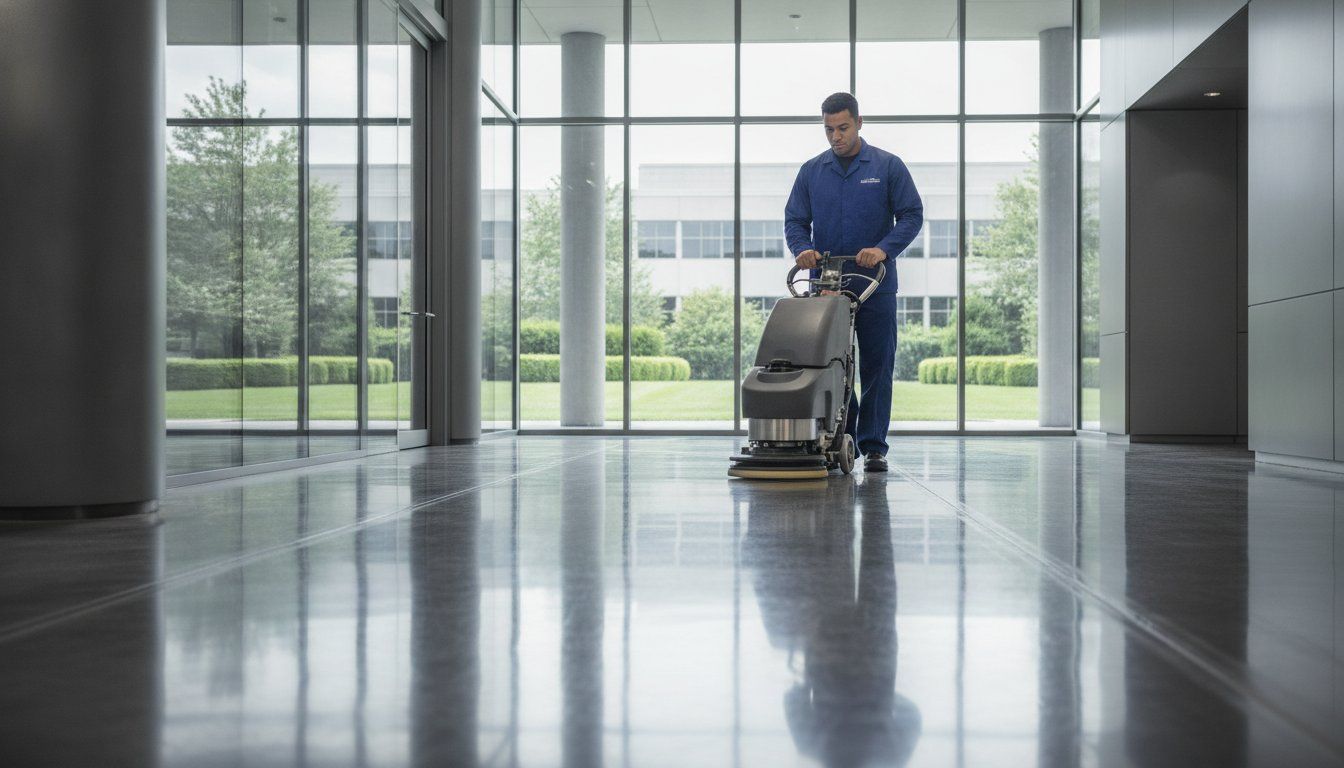
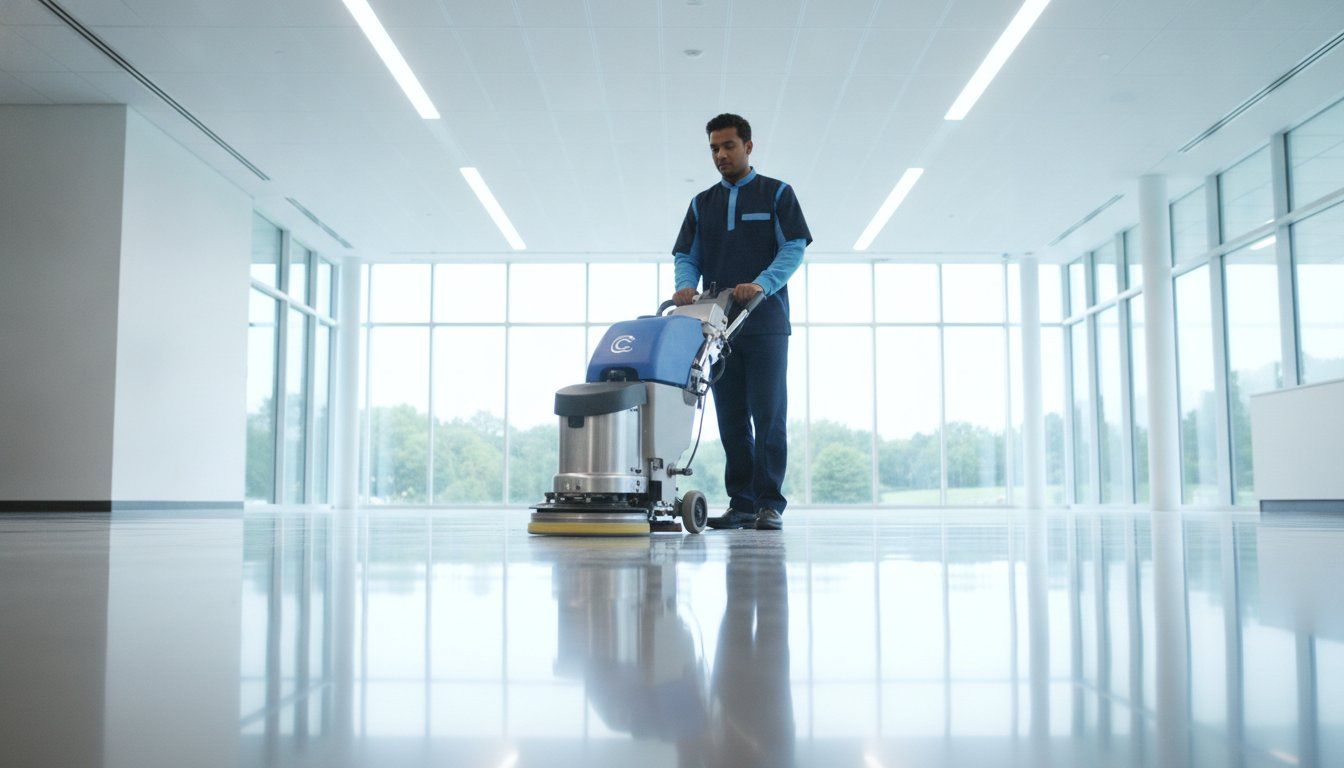
In high-traffic Ronkonkoma offices, floor stripping and waxing serves as a critical preventative measure. A clean floor merely lacks visible dirt, while a maintained floor possesses an engineered barrier against physical damage. Advance Industrial utilizes high-solids floor finishes that create a sacrificial layer. This layer absorbs the impact of 2,000-pound pallet jacks and constant foot traffic, ensuring the underlying material remains intact. Without this technical intervention, porous surfaces like concrete or VCT absorb moisture. This leads to cracks and expensive substrate replacements.
Partnering for Long-Term Facility Excellence
Reliable facility management requires moving beyond transactional vendor relationships. Advance Industrial operates as a single-source provider, managing daily janitorial tasks alongside specialized project-based deep cleans. We've spent four decades supporting Long Island's infrastructure, ensuring operational uptime for facilities ranging from 5,000 to 500,000 square feet. This approach protects your real estate investment by extending the lifecycle of every surface. For more technical insights, you can access our latest industry updates and maintenance tips. We provide the stability needed to maintain high standards of office tidiness while optimizing your maintenance budget through strategic planning and consistent execution.
Optimizing Your Long Island Facility Operations
Maintaining a disciplined approach to facility management ensures that your Long Island operations remain productive and safe. Effective office tidiness serves as a foundational element of this strategy; it reduces environmental hazards and supports long-term equipment reliability. Implementing a facility-wide protocol transitions maintenance from a reactive task to a controlled operational asset. Managers in Suffolk and Nassau County benefit from standardized cleaning schedules that address the specific technical demands of high-traffic commercial environments.
Advance Industrial Maintenance brings over 40 years of experience to every strategic partnership. We're a local family-owned business that understands the rigorous requirements of healthcare and industrial facilities. Our team provides the industrial excellence needed to maintain uninterrupted productivity across your entire square footage. We act as a single-source provider for complex maintenance needs, ensuring your infrastructure supports your business goals without friction.
Take the first step toward a more efficient and professional workspace by securing expert oversight. Request a Professional Facility Audit from Advance Industrial Maintenance today. We look forward to supporting your facility’s long-term growth and operational stability.
Frequently Asked Questions
How often should a professional cleaning company handle office tidiness tasks?
Professional cleaning schedules depend on your total headcount, but high-traffic Suffolk County facilities require daily maintenance to maintain operational uptime. A 2023 ISSA industry report indicates that 85% of high-performing facilities implement daily disinfection for shared touchpoints. Monthly deep cleans address HVAC vents and carpet extraction. Establishing a consistent frequency ensures your office tidiness remains a constant rather than a variable in your operational budget.
Does office tidiness actually impact the bottom line for Long Island businesses?
Office tidiness directly influences profitability by reducing employee absenteeism and equipment downtime. A study by UL Environment found that optimized indoor air quality and cleanliness can lead to a 54% reduction in sick days. For a Nassau County business with 50 employees, this equates to hundreds of recovered man-hours annually. We view clean environments as essential infrastructure that protects your most valuable asset: your human capital.
What are the most common tidiness mistakes in high-traffic Nassau County offices?
The most frequent error in high-traffic Nassau offices is neglecting communal touchpoints and cluttered storage zones. University of Arizona researchers found that 60% of office germs reside on desk surfaces, yet these areas are often overlooked during quick sessions. Managers often don't implement a standardized MRO supply replenishment cycle. This leads to depleted sanitization stocks during peak seasons, which compromises the entire facility’s safety protocols.
Can a professional janitorial service help with office organization or just cleaning?
A professional janitorial partner provides both technical cleaning and strategic workflow organization. Data from the National Association of Productivity and Organizing Professionals shows that employees lose 20% of their time searching for misplaced items. We function as a single-source provider to reorganize supply closets and streamline waste management paths. It's an integrated approach that converts a cluttered floor plan into an engineered environment built for maximum productivity.