Commercial Sanitizing Services in Suffolk & Nassau County: 2026 Comparison Guide
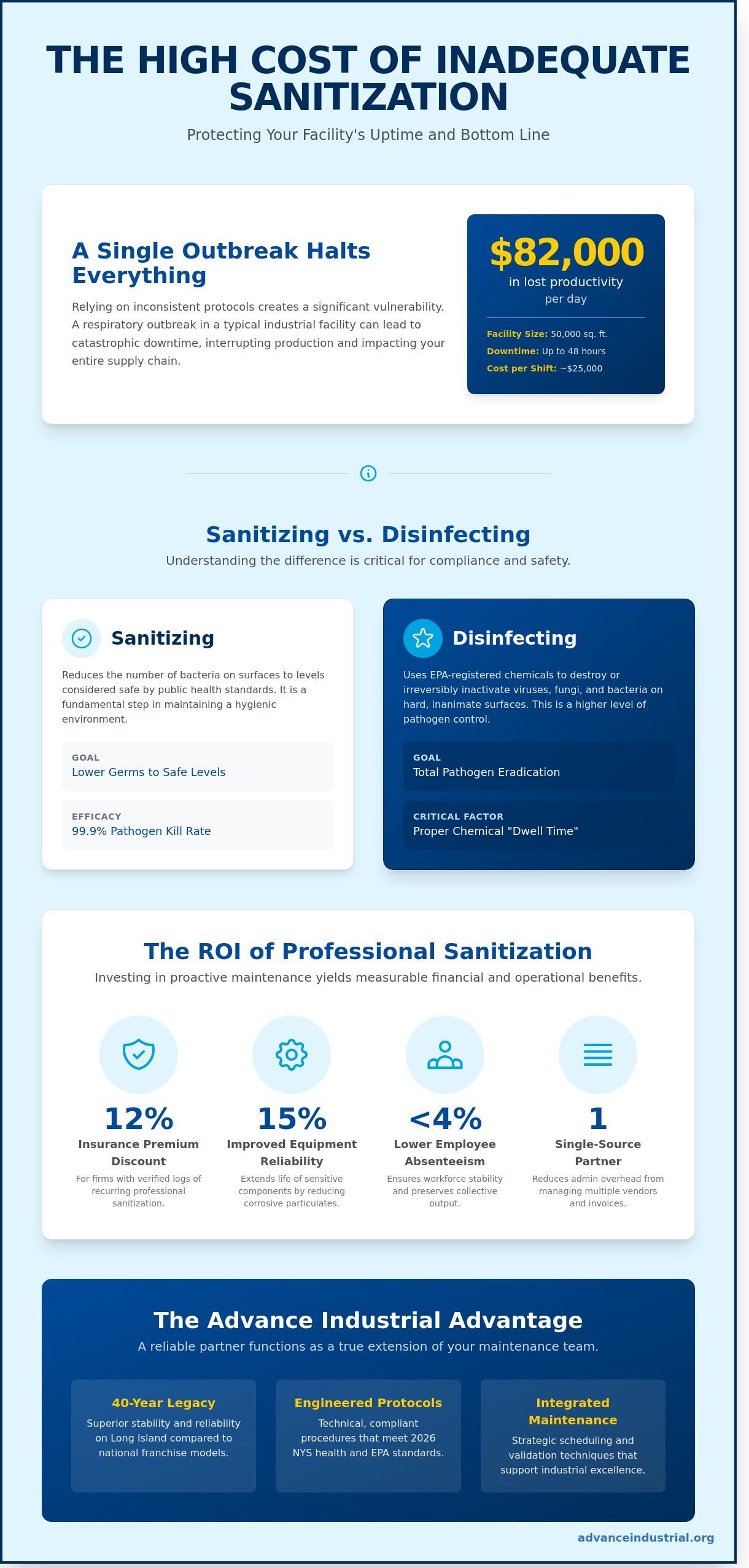
A single respiratory outbreak can halt production in a 50,000-square-foot facility for up to 48 hours, costing an average of $25,000 per shift in lost output. You recognize that maintaining operational uptime requires more than a surface-level wipe down. Procurement managers in high-traffic hubs like Melville and Hauppauge often face confusion when distinguishing between basic cleaning and professional commercial sanitizing services that actually mitigate liability and meet 2026 compliance standards. Relying on inconsistent protocols creates a vulnerability that your bottom line can't afford.
This comparison guide evaluates the most effective sanitization methods to help you identify a reliable, single-source maintenance partner for your Long Island facility. We'll examine engineered protocols, validation techniques for insurance requirements, and strategic scheduling designed to support industrial excellence. You'll gain the technical insight needed to ensure uninterrupted productivity while maintaining a rigorous standard of safety across your entire integrated supply chain. By the end of this analysis, you'll have a clear framework for selecting a partner that functions as a true extension of your maintenance team.
Key Takeaways
- Understand the technical distinction between sanitizing and disinfecting to ensure your facility meets rigorous EPA standards for pathogen control.
- Compare the efficiency and penetration depth of fogging, electrostatic, and manual applications to select the optimal method for complex industrial environments.
- Identify the critical criteria for selecting professional commercial sanitizing services in Nassau and Suffolk County that prioritize operational uptime.
- Learn why a single-source provider with a 40-year legacy in Bohemia offers superior stability and reliability compared to national franchise models.
- Develop a pragmatic strategy for facility maintenance to ensure uninterrupted productivity across Long Island’s major industrial corridors.
Why Commercial Sanitizing Services are Critical for Long Island Businesses
Operational uptime remains the primary metric for success across the industrial corridors of Nassau and Suffolk County. As we move through 2026, the density of the Hauppauge Industrial Park and the Melville office corridors has reached peak levels, creating unique challenges for facility managers. High-occupancy environments require more than surface-level aesthetics; they demand a rigorous approach to industrial hygiene that protects both human capital and mechanical assets. Professional commercial sanitizing services provide the technical infrastructure needed to maintain these high-stakes environments without interruption.
The shift from reactive cleaning to proactive maintenance is now a standard requirement for industrial excellence. Facilities that wait for a biological event to occur face catastrophic downtime and increased liability. By late 2025, several major commercial insurers began offering 12% premium discounts to Long Island firms that provide verified logs of recurring professional sanitization. Proper Decontamination protocols act as a safeguard against operational volatility, ensuring that a single incident doesn't compromise the entire supply chain. This pragmatic approach to facility health mirrors the preventive maintenance schedules used for power transmission and heavy machinery.
Meeting Local Compliance Standards
New York State health guidelines for 2026 have introduced stricter thresholds for microbial loads in shared workspaces. Standard cleaning methods often fail to meet these benchmarks in high-traffic Bohemia facilities where personnel turnover is constant. Maintaining compliance isn't just about avoiding regulatory fines; it's about engineered safety. Protecting employee health through consistent commercial sanitizing services ensures that absenteeism rates remain below the 4% industry average, preserving the workforce's collective output and maintaining the steady rhythm of production.
The Economic Impact of Sanitization
The financial justification for recurring sanitization is found in the reduction of procurement friction and the stabilization of the bottom line. Partnering with a single-source provider allows plant managers to consolidate MRO supplies and maintenance schedules into one streamlined workflow. Data from the previous fiscal year indicates that Long Island businesses investing in recurring sanitizing programs saw a 15% improvement in long-term equipment reliability compared to those using ad-hoc vendors.
- Downtime in a typical 50,000 square foot Melville facility costs approximately $82,000 per day in lost productivity.
- Strategic partnerships reduce the administrative overhead of managing multiple service contracts and vendor invoices.
- Proactive sanitization extends the life of sensitive electronic components by reducing the accumulation of corrosive particulates.
This focus on uninterrupted productivity defines the current Long Island market trend toward integrated facility maintenance. Reliability is the cornerstone of every successful operation, and technical sanitization is now a critical component of that foundation.
Sanitizing vs. Disinfecting: Understanding the Technical Standards
Effective facility management starts with technical precision. Many procurement officers confuse basic cleaning with specialized pathogen control, yet the distinction is vital for maintaining operational uptime in Long Island industrial sectors. Understanding the difference between cleaning, sanitizing, and disinfecting is the first step toward a compliant safety protocol. Sanitizing reduces bacteria to levels deemed safe by public health codes, typically achieving a 99.9% kill rate. Disinfecting uses EPA-registered chemicals to destroy or irreversibly inactivate specific viruses and fungi on hard surfaces. Professional commercial sanitizing services prioritize the chemical's "dwell time," which is the exact number of minutes a surface must remain wet to ensure total pathogen eradication. If a technician wipes a surface too early, the chemical action fails, leaving sub-lethal doses that can lead to antimicrobial resistance.
Technical authority is non-negotiable for Suffolk County labs and food production lines where cross-contamination risks are high. EPA-registered chemicals are categorized by their "List" designation, and industrial-strength applications require verifying these registrations against specific pathogen threats found in your facility. Our approach focuses on these rigorous standards to ensure that your environment meets the necessary legal and safety benchmarks for 2026 operations.
EPA Log Reduction Explained
Log Reduction is a mathematical measure of germ-kill efficacy on a logarithmic scale. A 3-log reduction (99.9%) is standard for food-grade sanitization. However, Nassau County medical offices require hospital-grade disinfectants achieving a 5-log or 6-log reduction, which equals 99.999% to 99.9999% efficacy. This 0.099% gap represents a 100-fold difference in remaining pathogens. In high-traffic manufacturing plants, using the wrong log-rated product compromises your entire safety protocol and risks employee health.
Biofilm and Surface Integrity
Biofilms are complex clusters of bacteria that adhere to surfaces, creating a protective matrix that resists standard cleaning methods. Industrial environments present a mix of porous and non-porous materials that require different chemical approaches. Specialized chemicals must penetrate these biofilms without damaging your MRO infrastructure. We focus on material compatibility to prevent hydrogen peroxide or quaternary ammonium compounds from causing equipment corrosion. Protecting your high-value assets requires a strategic partnership that balances chemical potency with surface longevity. Selecting the correct pH-neutral disinfectant ensures that 304-grade stainless steel and sensitive electronics remain functional. This level of care is a hallmark of industrial excellence, ensuring that commercial sanitizing services contribute to, rather than hinder, your uninterrupted productivity.
Comparing Sanitization Methods: Fogging, Electrostatic, and Manual Wipe-Downs
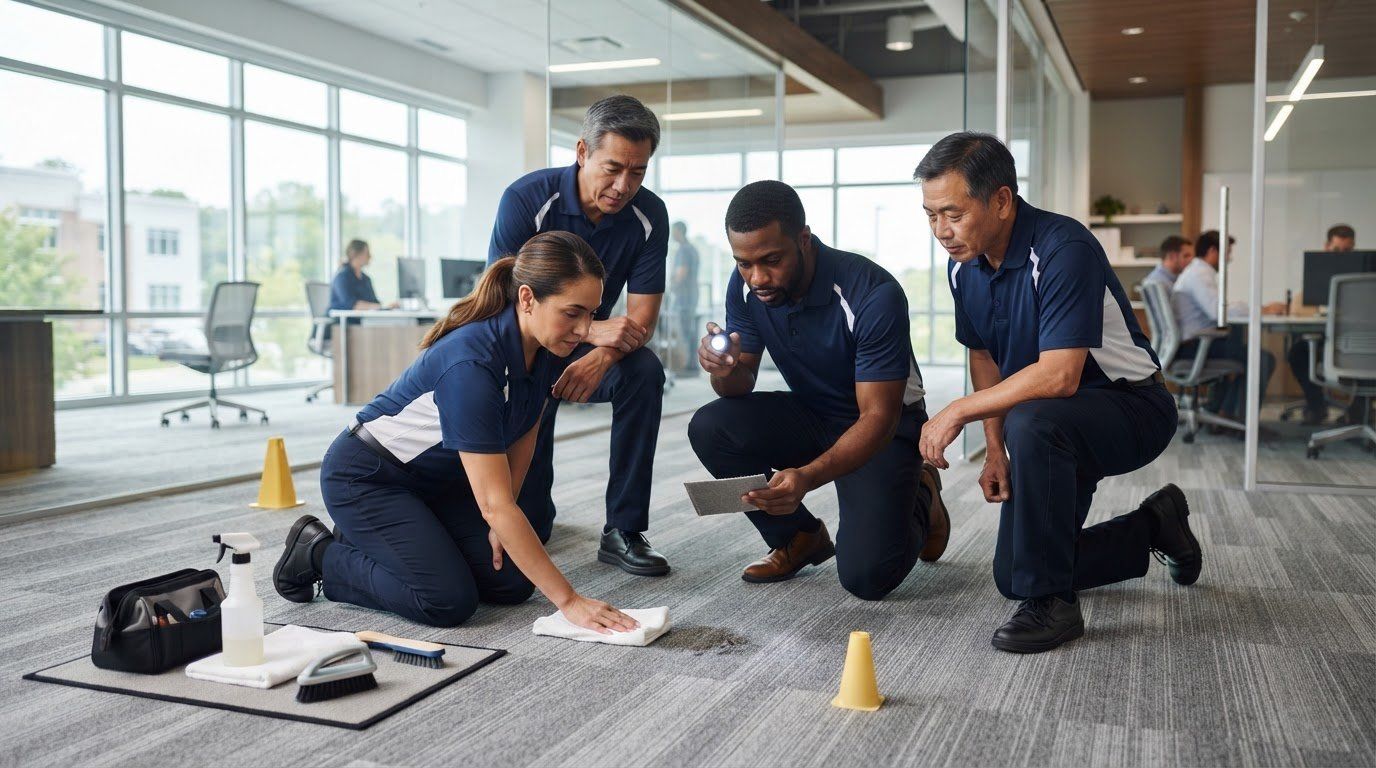
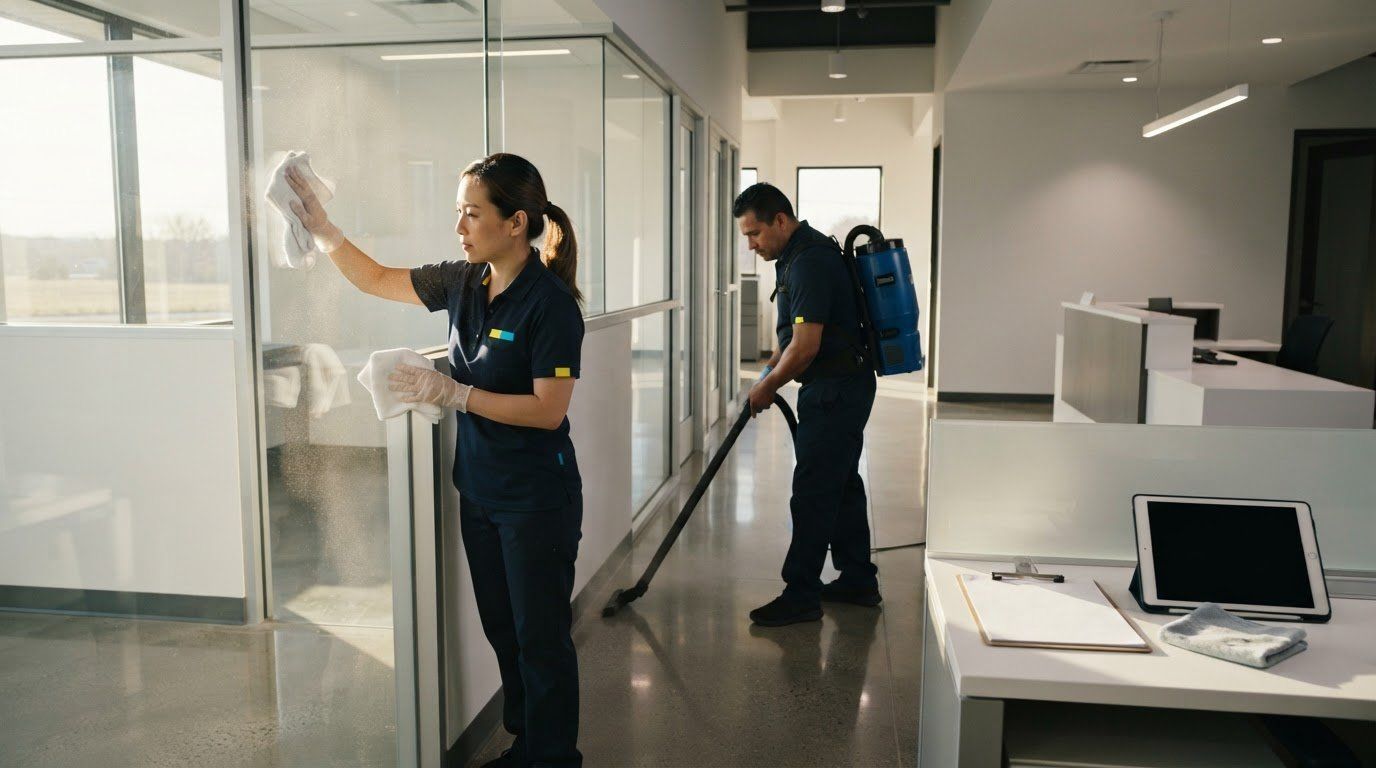
Selecting the correct application technology for commercial sanitizing services is a technical decision that directly impacts operational uptime. Facility managers in Suffolk County must balance the speed of application with the depth of surface penetration. Manual wipe-downs remain the baseline for high-touch friction cleaning, yet they fail to address the complex geometries found in modern industrial settings. Effective germ control requires an engineered approach that considers the distinction between Sanitizing vs. Disinfecting to meet specific regulatory standards. A hybrid strategy combines mechanical removal with advanced delivery systems to ensure 100% coverage across diverse environments.
- Manual Wipe-Downs: Provides necessary friction for biofilm removal but is limited by human error and reach.
- Electrostatic Spraying: Utilizes charged particles for wrap-around coverage on conductive and non-conductive surfaces.
- ULV Fogging: Disperses antimicrobial agents into large volumes of air to treat high-ceiling environments and HVAC intakes.
Electrostatic Spraying: The Gold Standard for 2026
Electrostatic technology utilizes a specialized electrode to apply a positive charge to the liquid droplets. These droplets seek out negatively charged surfaces, creating a 360-degree wrap-around effect that coats the back and undersides of objects. This method is the primary choice for commercial sanitizing services in complex spaces like medical exam rooms and fitness centers. In Bohemia warehouses exceeding 50,000 square feet, electrostatic application has demonstrated a 75% reduction in labor hours compared to traditional methods. It ensures total coverage of pallet racking and conveyor systems without the risk of over-saturation.
Fogging and Misting for Large Volumes
Ultra-Low Volume (ULV) fogging is the preferred solution for industrial facilities with ceilings exceeding 20 feet. The system generates a fine mist with droplet sizes ranging from 5 to 50 microns, allowing the chemistry to remain suspended in the air. This is essential for treating large-scale production floors where manual access is restricted. Facility managers must account for a 4-hour re-entry window to allow for proper aeration. Preparation is critical; sensitive electronics and smoke detectors require shielding prior to deployment. When executed correctly, fogging provides a comprehensive microbial knockdown that manual cleaning cannot achieve. For Nassau County plants, this method ensures that airborne contaminants don't settle on sterilized surfaces during shift changes.
Advance Industrial advocates for a hybrid model. We pair manual cleaning of high-contact points with monthly electrostatic treatments. This engineered solution maintains the highest safety ratings while protecting the long-term integrity of your facility's assets.
How to Evaluate Sanitizing Partners in Nassau and Suffolk County
Selecting a provider for commercial sanitizing services requires more than a simple bid comparison. On Long Island, the gap between a local expert and a national franchise is vast; the former offers deep experience, a principle exemplified by international specialists like Deepclean Services. Franchises often struggle with the high-turnover rates common in the New York metro area, creating dangerous gaps in accountability. A strategic partner operates as a direct extension of your maintenance team, focusing on technical authority and operational uptime. You need a partner who understands the specific regulatory requirements of the Suffolk and Nassau health departments and the unique demands of industrial corridors like Route 110 or the Hauppauge Industrial Park.
- Local Tenure: 40 years of experience ensures a deep understanding of local facility archetypes.
- Technical Precision: Technicians must be trained in site-specific safety and chemical handling.
- Single-Source Efficiency: Integrated providers reduce administrative friction by managing both supplies and services.
Critical Questions for Procurement
Technical authority starts with verification. You must confirm that your provider uses EPA-registered, hospital-grade solutions that meet 2026 safety standards. Ask if their technicians are trained in site-specific safety and HIPAA protocols. This is vital for high-stakes environments where privacy and precision are non-negotiable. For specialized needs, consult our Medical Facility Cleaning Experts in Bohemia to see how technical rigor applies to clinical settings. Reliability isn't a promise; it's a documented track record of 98% client retention.
Addressing the Cost Objection
Low-cost bids frequently mask the price of failure. A 2025 study indicated that poor sanitizing protocols increased facility downtime by 14% across the tri-state area. The demand for commercial sanitizing services in 2026 is driven by the need for uninterrupted productivity. Transparent, project-based fees eliminate the "hidden tax" of missed shifts or failed inspections. Reliability is your most valuable cost-saving metric. By integrating supply chain maintenance with your sanitizing schedule, you reduce the administrative burden. This single-source provider model ensures your inventory and your environment remain ready for production without the friction of managing multiple vendors.
Protect your operational uptime with a comprehensive facility assessment from Advance Industrial today.
Advance Industrial: Your Partner for Industrial Excellence in Bohemia
Since 1986, Advance Industrial has served as a cornerstone of the Long Island business infrastructure. Our 40-year legacy in Bohemia provides us with a deep understanding of the local regulatory environment and the specific operational demands of Suffolk County. We function as a single-source provider for office and medical facilities, consolidating essential maintenance and commercial sanitizing services under one technical umbrella. This integrated approach eliminates the inefficiencies of managing multiple vendors and ensures a uniform standard of hygiene across your entire footprint.
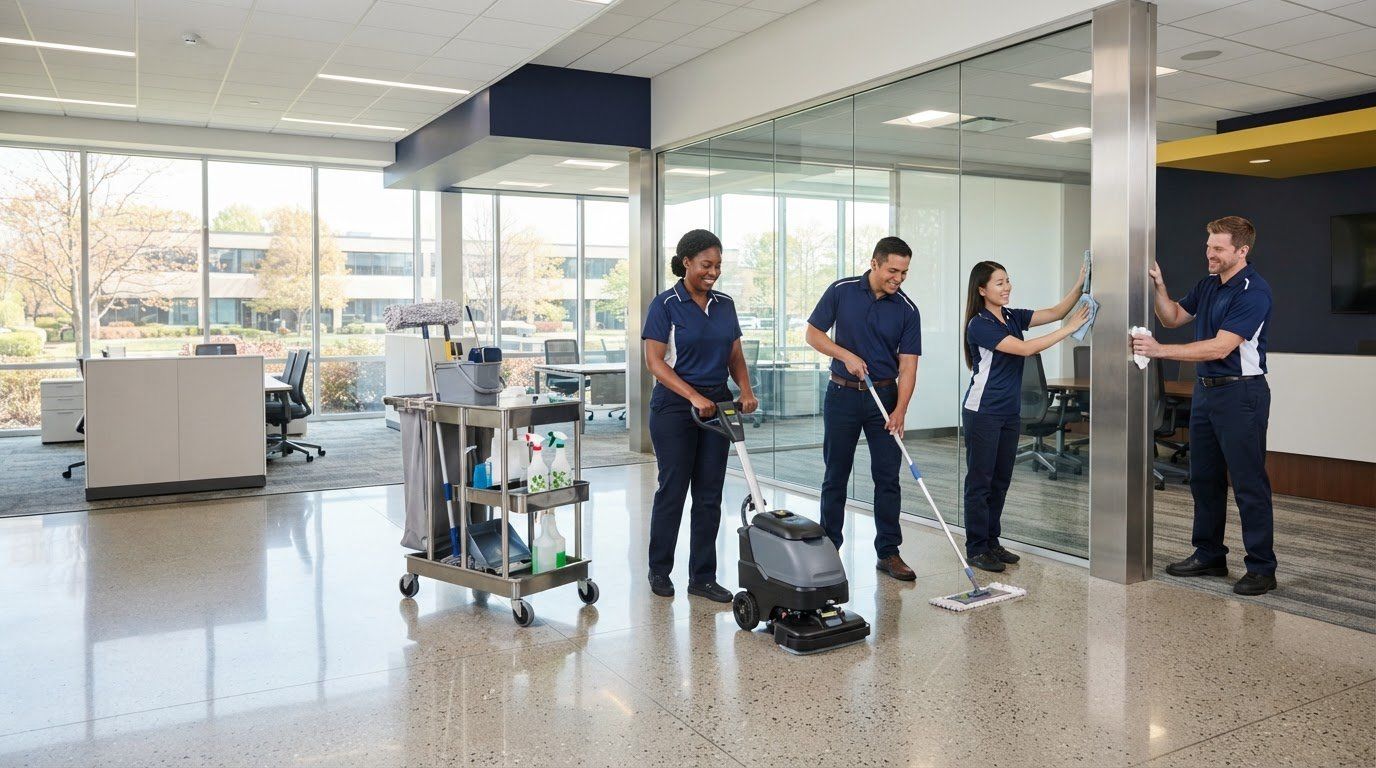
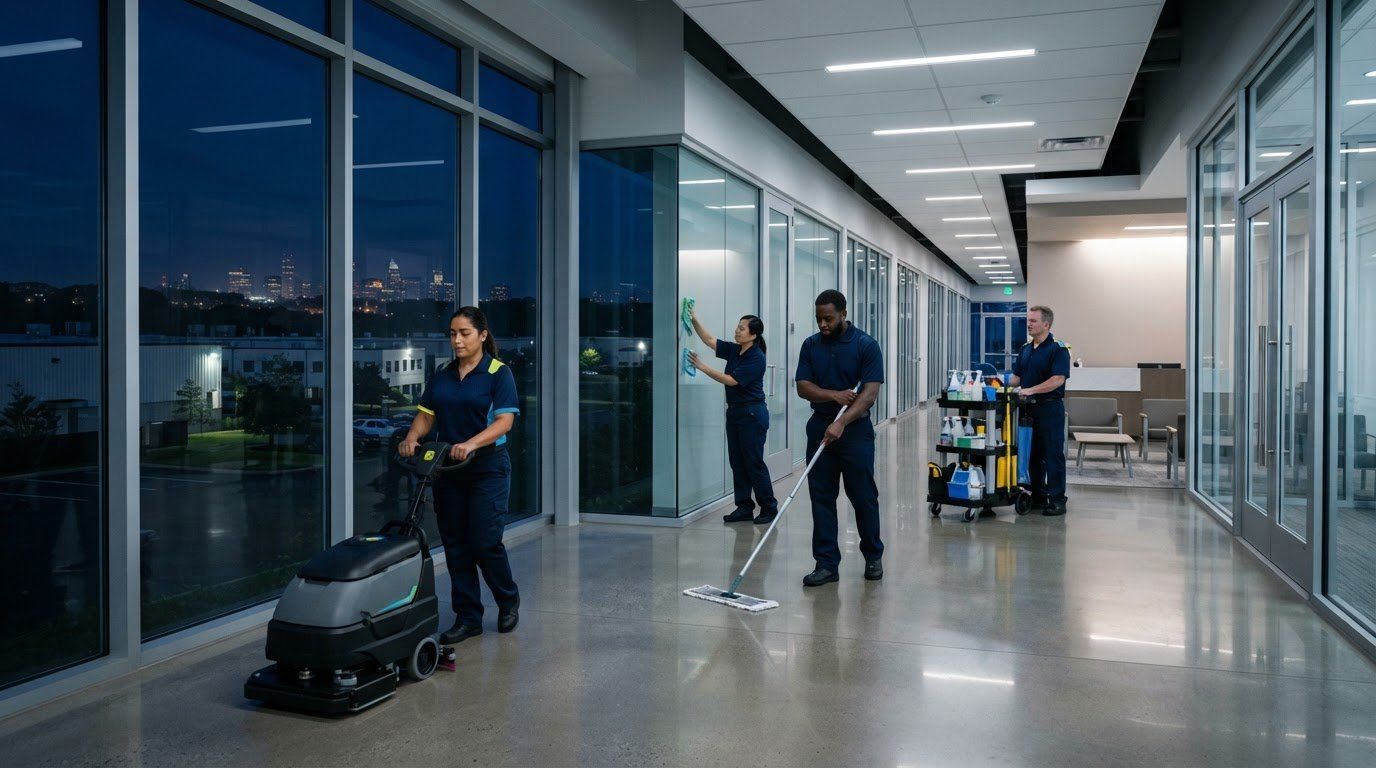
Our engineered protocols prioritize uninterrupted productivity. We recognize that downtime represents a direct threat to your bottom line. By implementing standardized sanitization workflows, we maintain the operational uptime of your facility while meeting the highest safety benchmarks. Our team treats every square foot with the same precision applied to industrial MRO supply chains, ensuring your environment remains a stable foundation for growth. We don't just clean; we provide the essential infrastructure required for industrial continuity.
Our Specialized Sanitizing Equipment
Technical authority requires investment in high-performance assets. We utilize advanced electrostatic sprayers that deliver a 360-degree coating to complex surfaces, ensuring 99.99% pathogen reduction in high-traffic areas. These systems allow for rapid re-entry within 30 minutes, minimizing disruption to your workflow. We select eco-friendly disinfectants that meet EPA List N criteria without sacrificing germ-kill efficacy. Every member of our professional maintenance staff completes a 40-hour rigorous training program. This ensures they master the technical nuances of deep-cleaning technology and chemical safety before entering your facility.
Start Your Strategic Partnership
Transitioning from a transactional vendor to a strategic partnership begins with a clear, data-driven onboarding process. We develop customized maintenance schedules specifically for industrial hubs in Melville, Hauppauge, and Ronkonkoma. Our logistics team coordinates these visits to align with your low-traffic windows or shift changes, ensuring our commercial sanitizing services never interfere with your output. This level of precision is why 92% of our industrial clients maintain long-term service agreements with us. We offer the stability and insight needed to solve complex facility challenges. You can request a professional site evaluation for your Long Island facility to establish a baseline for your new sanitization protocol.
Secure Your Facility’s Operational Continuity for 2026 and Beyond
Maintaining a sterile environment isn't just a compliance requirement; it's a critical component of your facility's operational uptime. Choosing the right commercial sanitizing services requires a technical understanding of the difference between surface-level cleaning and medical-grade disinfection protocols. By 2026, Nassau and Suffolk County businesses must prioritize advanced methods like electrostatic spraying and industrial fogging to ensure 100% coverage across complex machinery and high-traffic zones. These technical standards prevent costly downtime and protect your most valuable assets.
Advance Industrial provides the technical authority and stability your operation demands. With over 40 years of experience serving the Long Island industrial sector, we implement specialized medical and industrial grade protocols that exceed standard janitorial benchmarks. Our rapid response team is based directly in Bohemia, ensuring we're on-site within hours when your production schedule is at stake. We don't just act as a vendor; we function as a strategic partner dedicated to your long-term industrial excellence and safety. Our engineered approach to facility hygiene ensures your supply chain remains uninterrupted and your workforce stays protected.
Partner with Advance Industrial for Professional Sanitizing and strengthen your facility's defenses today.
Frequently Asked Questions
What is the difference between commercial sanitizing and disinfecting?
Sanitizing reduces bacteria on surfaces by 99.9% within 30 seconds to meet public health standards. Disinfecting uses stronger EPA-registered chemicals to eliminate 99.999% of pathogens, including viruses and fungi, within a 10-minute contact time. Most Long Island facilities require a combined protocol to maintain operational uptime and safety during high-traffic periods.
How often should my Long Island office be professionally sanitized?
High-traffic offices in Nassau County typically require professional commercial sanitizing services on a weekly basis to mitigate cross-contamination effectively. Facilities with fewer than 25 employees often schedule these services every 30 days to maintain a baseline of industrial excellence. We recommend adjusting this frequency based on seasonal health data to ensure uninterrupted productivity for your team.
Is electrostatic spraying safe for office electronics and computers?
Electrostatic spraying is safe for office electronics when technicians maintain a 3-foot distance and utilize droplets between 40 and 100 microns. The wrap-around technology ensures even coverage without pooling liquid on sensitive components like keyboards or server racks. This precision application prevents the moisture accumulation that causes 15% of hardware failures in traditional cleaning methods.
Are the chemicals used in commercial sanitizing harmful to employees?
We utilize EPA Category IV solutions which represent the lowest toxicity level recognized for industrial use. These chemicals don't require specialized PPE for occupants once dry and leave zero caustic residues on workspace surfaces. Our team selects solutions with a pH level between 7.0 and 8.5 to protect both employee health and your facility's physical assets.
Does professional sanitizing help with OSHA or HIPAA compliance?
Professional sanitizing ensures compliance with the OSHA Bloodborne Pathogens Standard 29 CFR 1910.1030 by providing documented proof of surface decontamination. For HIPAA-regulated environments, maintaining a sterile environment protects patient safety and meets the 100% cleanliness threshold required for medical administrative areas. Our detailed service logs provide a critical audit trail for facility managers during annual inspections.
What is the average cost of commercial sanitizing services in Suffolk County?
Average costs for commercial sanitizing services in Suffolk County range from $0.10 to $0.25 per square foot depending on the total facility size. A 10,000 square foot warehouse typically sees a per-visit cost between $1,000 and $2,500. Volume-based strategic partnerships often reduce these rates by 15% compared to one-time emergency applications or short-term contracts.
How long does it take for a facility to be ready for use after fogging?
Most facilities are ready for full re-entry 45 minutes after the fogging process concludes. This window allows the 20-micron particles to settle and complete their mandated contact time for total pathogen elimination. Our technicians monitor airflow to ensure the environment is 100% stabilized before your staff returns to their workstations.
Can sanitizing services be integrated into my regular janitorial schedule?
Integrating sanitizing into a regular janitorial schedule is a standard practice for 85% of our strategic partnerships. This approach combines daily debris removal with scheduled deep-level decontamination to maximize operational efficiency. It eliminates the logistical friction of managing multiple vendors and ensures a single-source provider manages your entire facility maintenance protocol.