The Essential Healthcare Cleaning Checklist for Long Island Medical Facilities (2026)
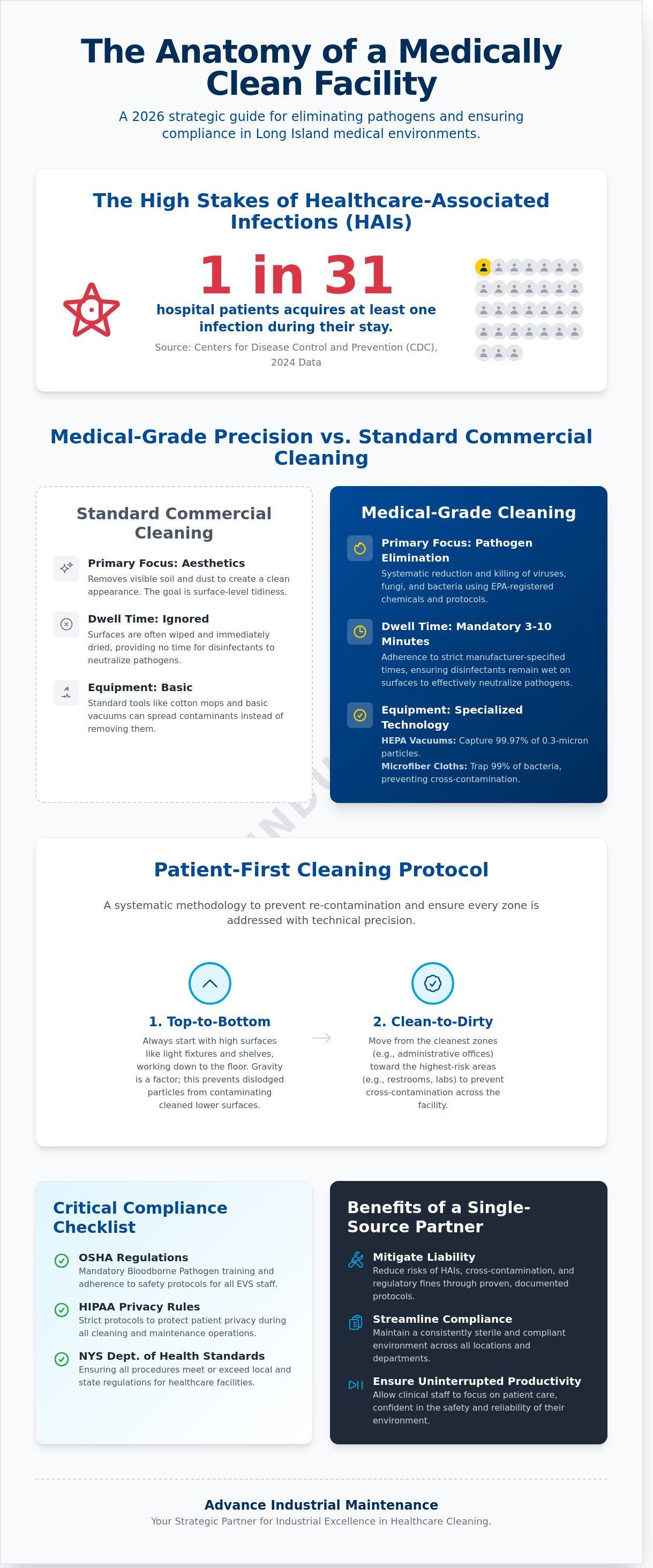
The CDC reports that approximately 1 in 31 hospital patients acquires at least one infection during their stay. For medical administrators in Suffolk and Nassau Counties, this statistic represents a significant threat to both patient outcomes and facility reputation. You recognize that standard custodial services often fail to meet the rigorous technical standards required for effective healthcare cleaning. Inconsistent sanitation protocols don't just risk non-compliance with New York State Department of Health regulations; they compromise the reliability of your entire operation and the safety of every person who enters your doors.
We've developed this comprehensive 2026 checklist to serve as a strategic partnership tool for your facility management team. This guide provides a fail-safe daily protocol designed to eliminate pathogens and ensure your facility operates with industrial excellence. You'll find a detailed breakdown of high-touch disinfection zones, specialized chemical requirements, and specific auditing steps to help you secure patient trust. This resource is engineered to help you maintain uninterrupted productivity across all Long Island medical environments, from outpatient clinics to large-scale surgical centers.
Key Takeaways
-
Identify the technical distinctions between cleaning, sanitizing, and disinfecting to ensure your facility meets rigorous medical-grade standards.
-
Implement a structured healthcare cleaning protocol organized by facility zones to eliminate pathogens on high-touch surfaces and in patient exam rooms.
-
Mitigate operational liability and cross-contamination risks by applying specialized maintenance strategies for high-risk surgical zones and medical flooring.
-
Verify that your sanitation team adheres to critical HIPAA and OSHA regulations through mandatory Bloodborne Pathogen training and privacy protocols.
-
Discover the advantages of partnering with a single-source provider to streamline compliance and maintain uninterrupted productivity in your medical facility.
Table of Contents
-
What is Healthcare Cleaning? Standards for Suffolk and Nassau County Facilities
-
The Comprehensive Daily Healthcare Cleaning Checklist: Patient-First Protocols
-
Beyond the Waiting Room: Sanitizing High-Risk Zones in Hauppauge and Melville
-
Navigating HIPAA and OSHA: Compliance Check for Long Island Medical Offices
-
Advance Industrial: Your Partner for Medical-Grade Facility Maintenance in Bohemia
What is Healthcare Cleaning? Standards for Suffolk and Nassau County Facilities
Healthcare cleaning is a technical protocol focused on the systematic reduction of pathogens rather than simple surface aesthetics. In high-traffic medical hubs across Long Island, cleaning standards must meet rigorous clinical requirements to ensure patient safety. This process involves a tiered approach to surface management. Cleaning removes visible soil and organic matter. Sanitizing reduces bacteria to levels deemed safe by public health codes. Disinfecting utilizes EPA-registered chemicals to actively kill viruses and fungi on hard surfaces. For Long Island providers, maintaining these distinctions is a matter of operational compliance and risk management.
Modern medical facilities rely on Environmental Services (EVS) as a core pillar of their infrastructure. EVS teams function as technical specialists who manage the "patient zone" through high-level disinfection and Terminal cleaning procedures. This ensures that every square foot of a facility, from the HVAC vents to the flooring, supports a sterile environment; you can learn more about Expert Air Florida to see how specialized HVAC services contribute to this goal. By treating healthcare cleaning as an engineered process, facilities can maintain 100% uptime without compromising safety standards.
The Impact of Healthcare-Associated Infections (HAIs)
Improper cleaning protocols create significant liabilities for Long Island practices. Cross-contamination in shared spaces like waiting rooms can lead to localized outbreaks that damage a provider's reputation. According to 2024 CDC data, approximately 1 in 31 hospital patients has at least one HAI on any given day. An HAI is defined as an infection that a patient acquires while receiving treatment for separate medical or surgical conditions. These infections lead to increased patient stays and potential legal challenges that threaten the financial stability of a practice.
Medical-Grade vs. Standard Commercial Cleaning
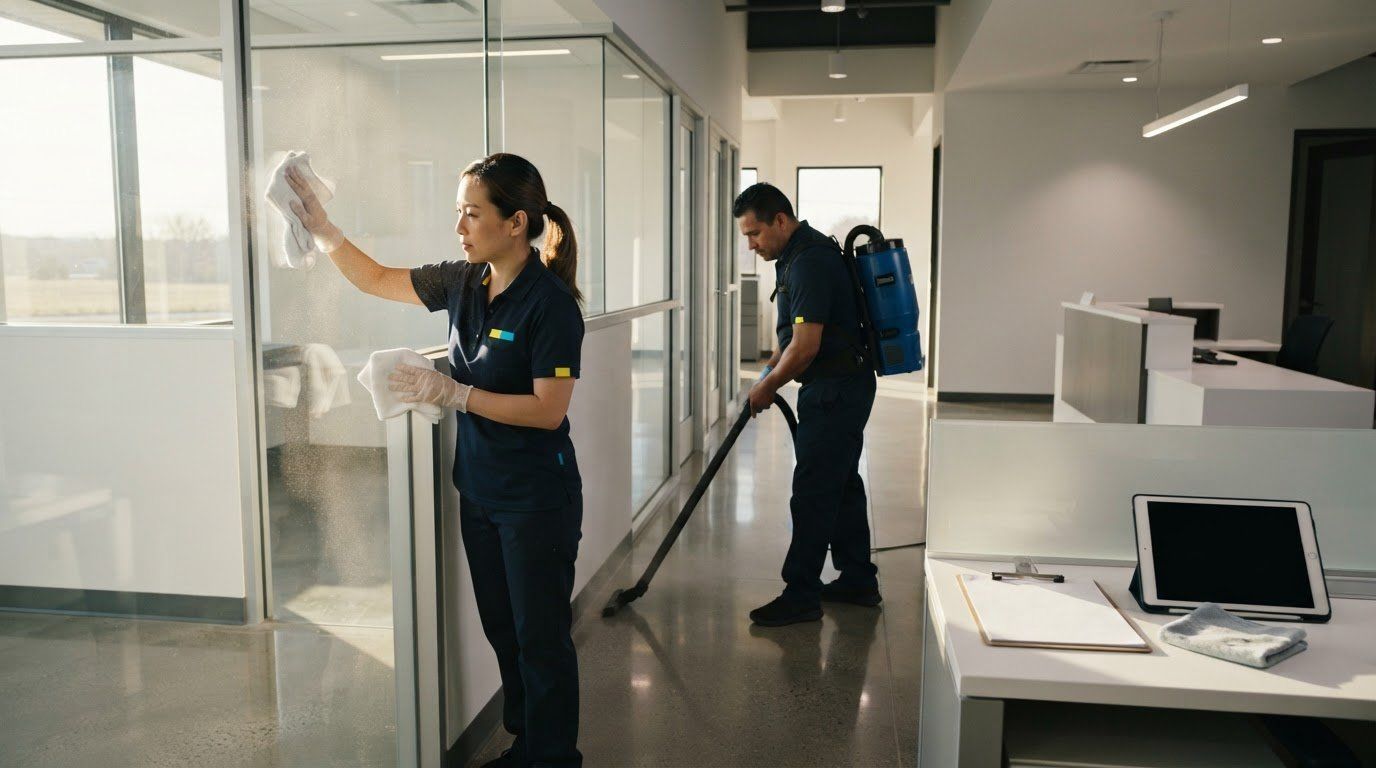
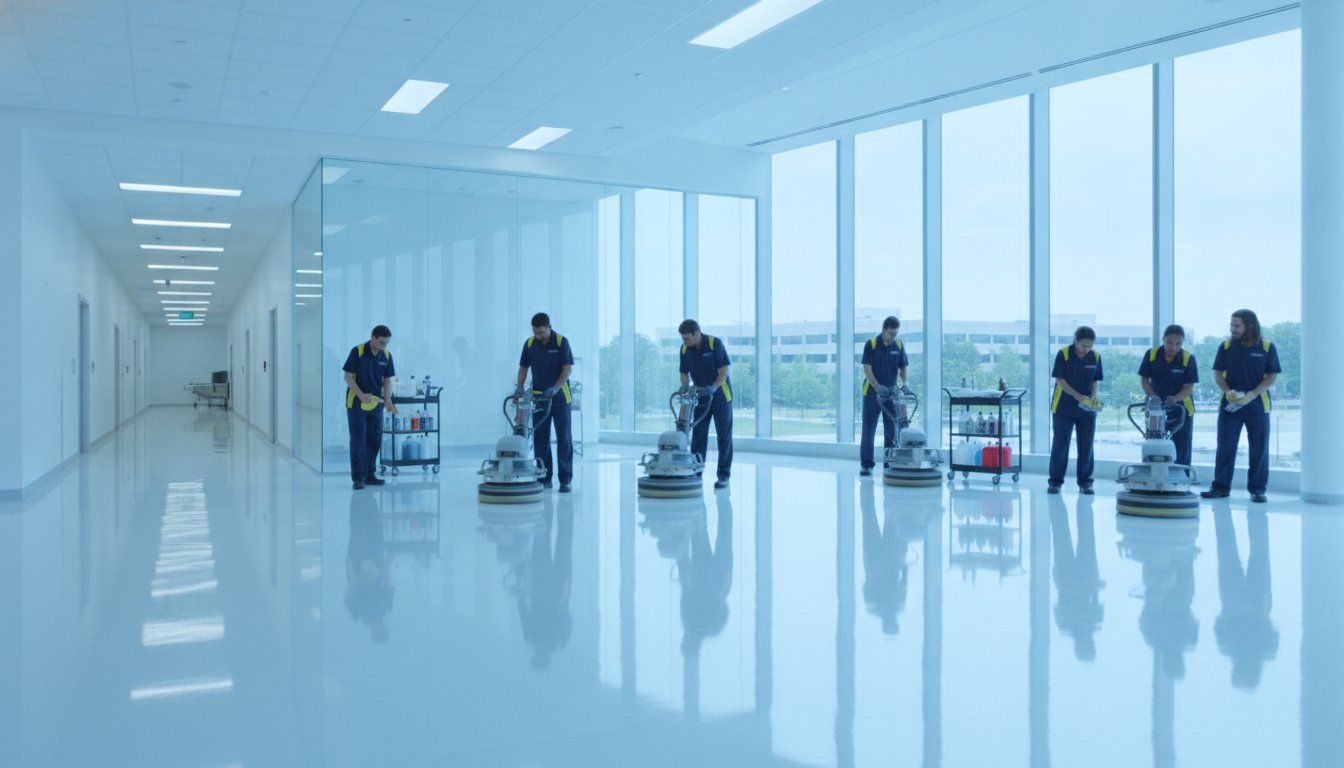
Standard commercial cleaning focuses on appearance, but medical-grade service prioritizes technical precision. Standard janitorial staff might wipe a surface and dry it immediately. In contrast, healthcare professionals adhere to strict dwell-time requirements, ensuring disinfectants remain wet on a surface for the full 3 to 10 minutes required to neutralize pathogens. Precision equipment is also a requirement. We utilize HEPA vacuums capable of capturing 99.97% of particles as small as 0.3 microns and color-coded microfiber systems to eliminate cross-contamination between exam rooms and restrooms. This level of technical authority is what separates a vendor from a strategic partner in industrial excellence.
-
Dwell Time: Ensuring chemicals stay active for the manufacturer-specified duration.
-
Microfiber Technology: Using split-fiber cloths that trap 99% of bacteria.
-
HEPA Filtration: Maintaining air quality by capturing microscopic contaminants.
-
Strategic Partnership: Aligning cleaning schedules with facility throughput to maximize efficiency.
Choosing a single-source provider for these specialized needs ensures consistency across multiple locations in Nassau and Suffolk County. This extends to foundational elements like water quality, where a partner like A Clear Alternative can ensure your cleaning protocols aren't undermined by hard water or contaminants. It's about creating a reliable environment where clinicians can focus on care while the infrastructure remains sterile and compliant.
The Comprehensive Daily Healthcare Cleaning Checklist: Patient-First Protocols
Effective healthcare cleaning requires a systematic approach to eliminate cross-contamination risks across the entire facility. Following the CDC-mandated "Top-to-Bottom, Clean-to-Dirty" methodology ensures that gravity does not move pathogens from uncleaned upper surfaces to already sanitized lower areas. This technical hierarchy is the operational standard for maintaining uptime in Long Island medical facilities during peak seasonal surges. By starting with high shelves or light fixtures and moving toward the floor, staff prevent the re-deposition of dust and microbes on cleaned surfaces. This logic also applies to room transitions; technicians must move from the cleanest zones, such as administrative desks, toward high-risk areas like restrooms and labs.
Waiting Room and Reception Checklist
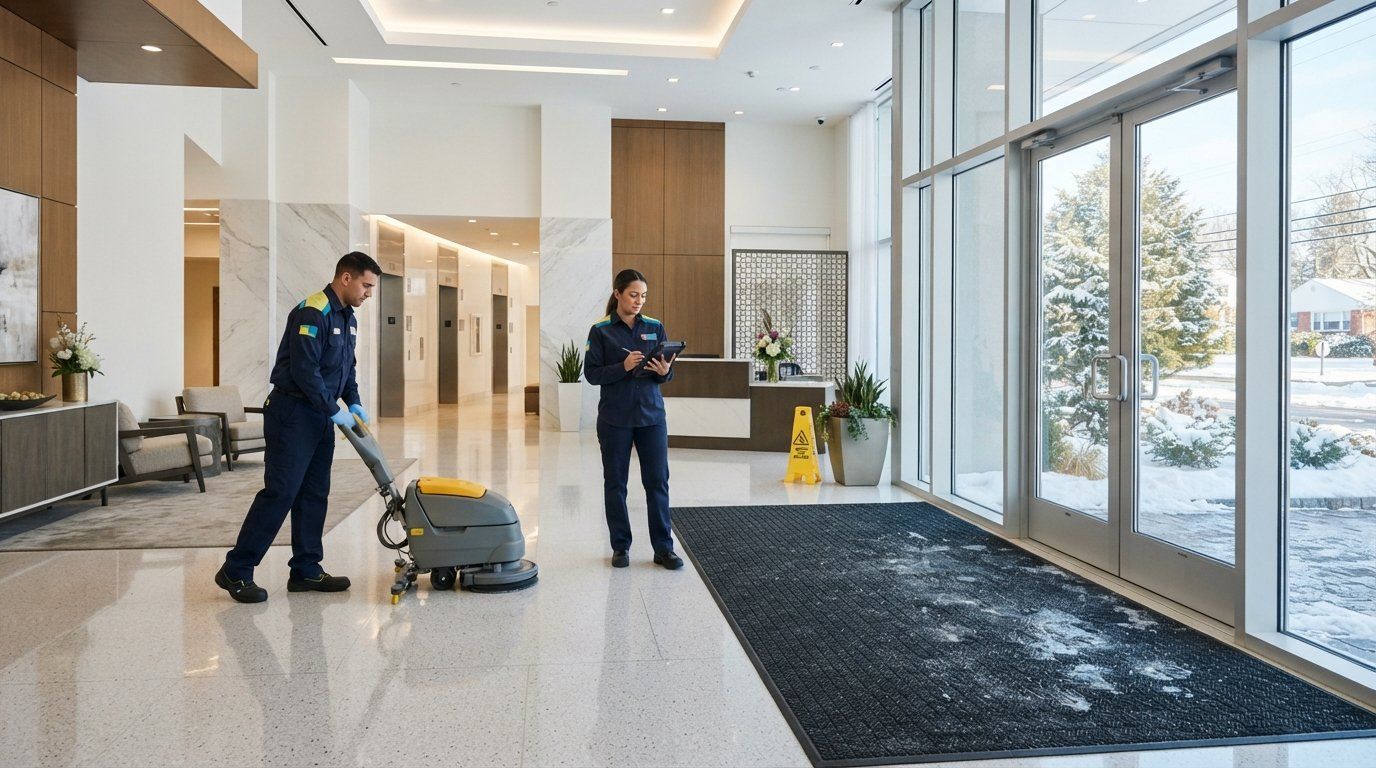
Reception areas serve as the primary entry point for contaminants. For Long Island clinics, high seasonal traffic in 2026 necessitates high-frequency protocols to manage the 22% increase in floor debris and moisture during winter months. Maintaining these zones prevents the tracking of outdoor pollutants into sterile clinical environments.
-
Sanitize all seating, armrests, and check-in tablets every 120 to 240 minutes using hospital-grade disinfectants with a 99.9% kill rate.
-
Maintain floor hygiene by deploying 15-foot walk-off mats to capture 80% of outdoor moisture and particulates at the threshold.
-
Empty and sanitize trash receptacles every 4 hours to prevent bacterial colonies from establishing in organic waste.
-
Disinfect high-touch kiosks and door handles hourly during peak morning and late-afternoon appointment blocks.
Exam Room and Lab Area Protocols
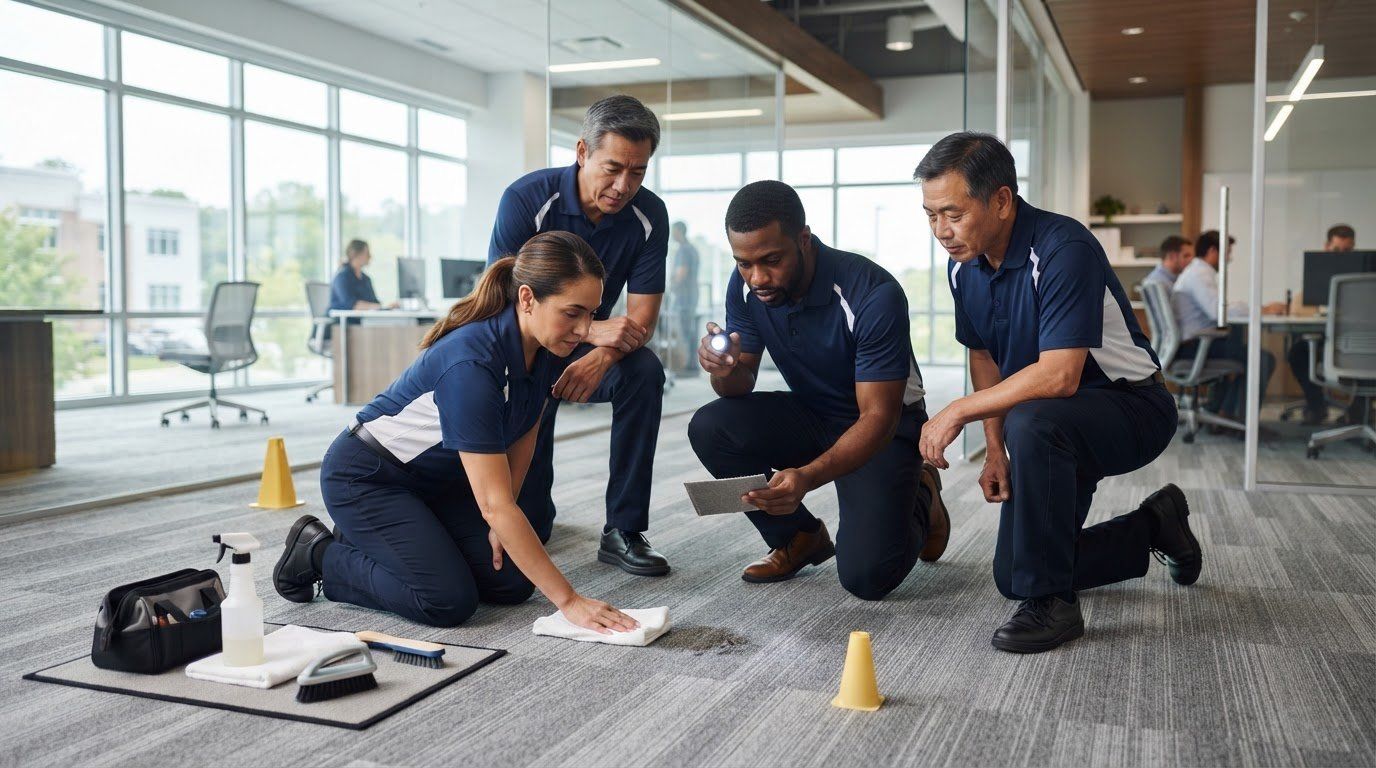
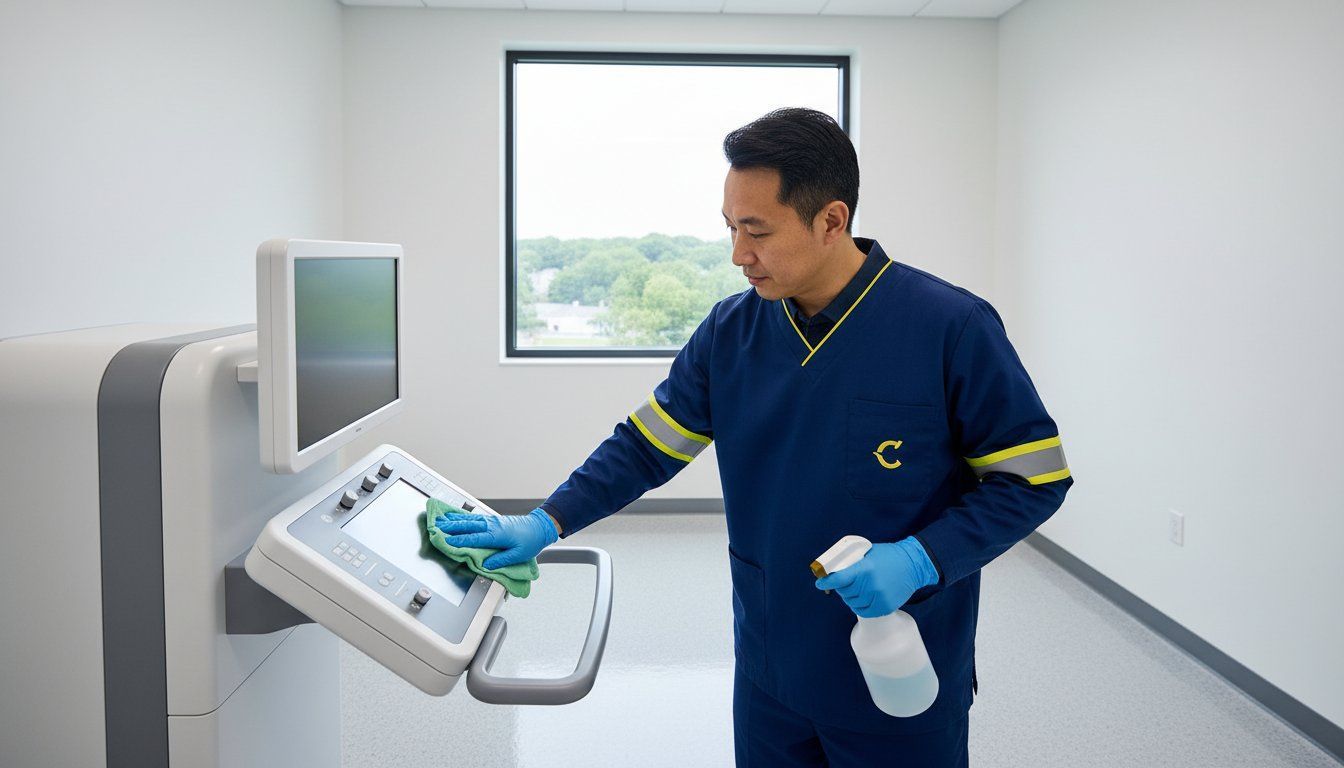
Precision in exam room maintenance is non-negotiable for patient safety. Every surface must be treated as a potential vector for infection. Adhering to OSHA's Housekeeping/Cleaning Guidelines provides the regulatory framework necessary for high-stakes medical environments. This technical precision reduces the risk of healthcare-associated infections by up to 30% when staff execute protocols correctly.
-
Disinfect exam tables, stools, and medical equipment carts between every patient encounter without exception.
-
Scrub sink basins and soap dispensers twice daily; moisture in these areas contributes to 60% of biofilm development in clinical settings.
-
Verify that EPA-registered disinfectants remain wet on surfaces for the full 3-minute or 10-minute contact time specified on the technical data sheet.
-
Wipe down wall-mounted diagnostic tools and computer keyboards after each use to ensure healthcare cleaning standards remain consistent.
Administrative and High-Touch Surface Protocols
Administrative offices often harbor 15 times more bacteria than standard surfaces due to lower cleaning frequencies. Facility managers should treat light switches, shared phones, and breakroom appliances as critical failure points in their infection control strategy. Implementing a comprehensive supply chain partnership ensures that your facility never runs low on the essential MRO supplies needed to execute these daily tasks. By standardizing these protocols, medical offices achieve the industrial excellence required for long-term operational stability and uninterrupted productivity.
Beyond the Waiting Room: Sanitizing High-Risk Zones in New York
Medical facilities in New York operate under intense scrutiny and high patient volume. Maintaining operational uptime requires a cleaning strategy that goes beyond aesthetics. For surgery centers and urgent care clinics, professional healthcare cleaning is a technical requirement for clinical success and patient safety. We treat the facility environment as a critical component of the integrated supply chain, where cleanliness directly impacts the bottom line.
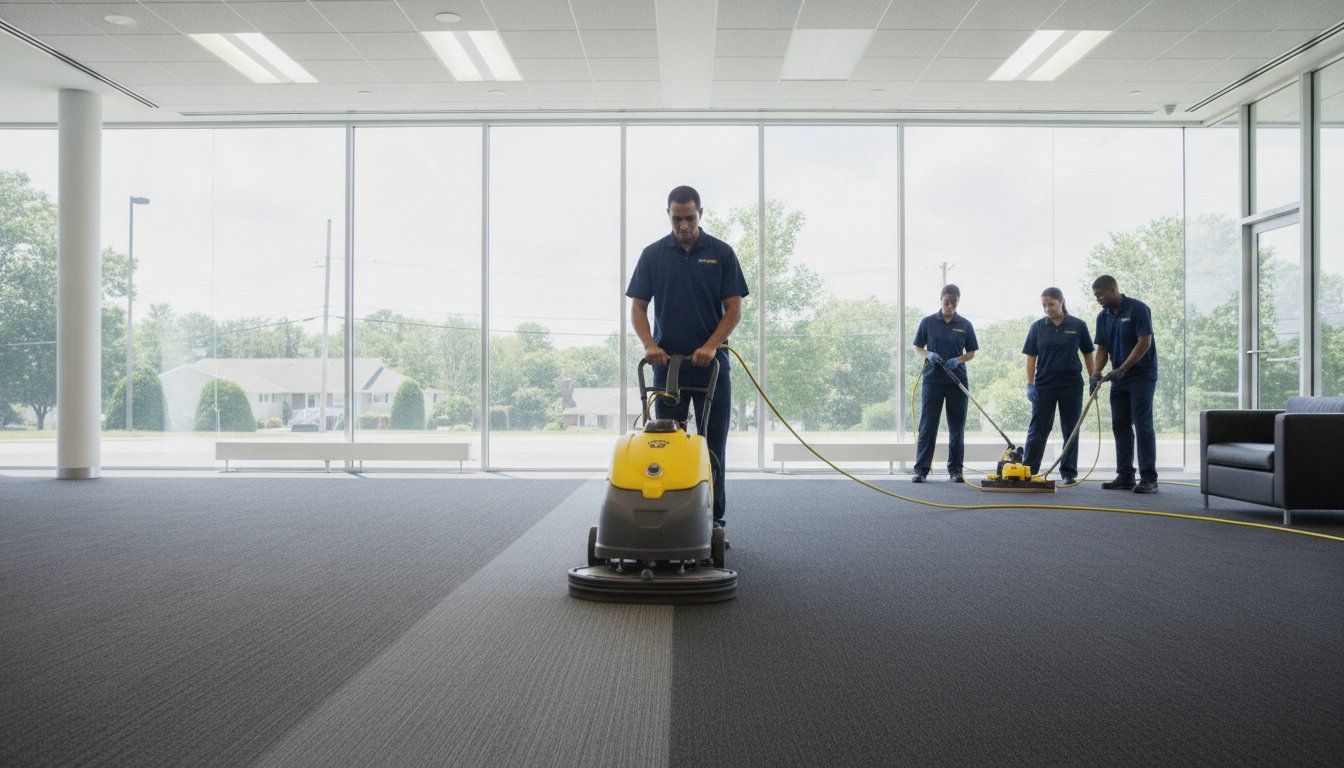
Floor maintenance represents a primary safety protocol rather than a cosmetic task. According to 2024 data from the National Floor Safety Institute, slips and falls account for over 1 million hospital visits annually. We prioritize high-traction finishes that meet a 0.6 static coefficient of friction to mitigate liability for medical providers. This proactive approach ensures uninterrupted productivity for busy Long Island clinics by reducing workplace accidents. By managing the physical environment, we also protect the facility's clinical engineering assets. Dust and particulate buildup can cause sensitive diagnostic equipment to overheat or fail, leading to costly downtime and repair cycles.
Sterile Environments and Surgical Suites
Terminal cleaning is the standard for surgical suites after the final procedure of the day. This involves a total decontamination of the room, including mobile equipment, fixed ceiling tracks, and surgical lights. Our technicians receive training based on AORN guidelines to manage biohazardous waste and sterile air quality. We specifically target air vents and dampers to prevent the circulation of pathogens within the HVAC system. This technical precision maintains the integrity of the sterile field throughout the 2026 operating year.
Restroom Sanitation and Cross-Contamination Prevention
Restrooms are the primary metric patients use to evaluate a facility's overall hygiene. A 2025 healthcare survey indicated that 88% of patients equate restroom cleanliness with the quality of medical care they expect to receive. We utilize a rigid multi-step disinfection process that targets all high-touch surfaces to ensure a sterile environment.
-
Color-Coded Microfiber: We use red microfiber for restrooms and blue for clinical zones to eliminate cross-contamination risks between different facility sectors.
-
EPA-Registered Disinfectants: We deploy hospital-grade, List N disinfectants that provide rapid kill times for emerging pathogens.
-
Digital Audit Logs: Real-time tracking provides a transparent record of sanitation cycles, ensuring accountability for every shift.
This structured approach supports the long-term success of medical operations across Suffolk County. By treating healthcare cleaning as an engineered process, we provide the reliability that procurement professionals demand.
Navigating HIPAA and OSHA: Compliance Check for Long Island Medical Offices
Facility managers often ask if an external cleaning crew compromises HIPAA compliance. It's a valid concern because 12% of healthcare data breaches originate from the physical mishandling of documents or unauthorized access to sensitive areas. A professional healthcare cleaning partner functions as a technical extension of your compliance team rather than a liability. Every technician must undergo rigorous Bloodborne Pathogen (BBP) training in accordance with OSHA Standard 29 CFR 1910.1030. This training ensures they understand the risks of exposure to infectious materials and the technical protocols for containment. Additionally, maintaining updated Safety Data Sheets (SDS) for all 20+ industrial-strength agents used on-site isn't just a recommendation; it's a legal requirement for operational uptime. These sheets must be accessible to all staff within 10 minutes of a request to satisfy OSHA Hazard Communication standards.
HIPAA Training for Cleaning Personnel
Technicians sign non-disclosure agreements that mirror the standards required of your own medical staff. Professional protocols dictate that staff are trained to treat every surface as a potential data point. They never handle, read, or move patient files or sensitive charts left on workstations. Secure trash removal is equally critical in high-risk areas like billing departments or nurse stations. Technicians follow a strict "no-touch" policy for red-bag waste and sensitive shredding bins unless specifically authorized. By establishing these boundaries, the cleaning company becomes a strategic partner in protecting patient privacy and mitigating the risk of a $50,000 HIPAA violation. This level of precision ensures that your facility remains a secure environment for sensitive medical data.
OSHA and New York State Health Department Readiness
New York State health inspectors conduct unannounced audits frequently to ensure public safety. As of January 2025, the Department of Health increased its inspection frequency for Suffolk County outpatient centers by 15%. To remain ready, your facility needs documented cleaning logs that track every shift, area sanitized, and chemical application. All industrial cleaning agents must have clear GHS-compliant labels and be stored in ventilated, secondary containment units to prevent cross-contamination. Our Bohemia-based support team provides local compliance audits to ensure your facility meets both federal OSHA standards and specific New York State PESH requirements. We focus on the technical details of healthcare cleaning so your medical staff can focus on patient outcomes. This proactive approach to maintenance prevents costly shutdowns and protects your workforce from workplace hazards.
Maintaining these standards prevents regulatory friction and protects your professional reputation. Partner with a single-source provider that understands the technical demands of Long Island medical facilities.
Advance Industrial: Your Partner for Medical-Grade Facility Maintenance in Bohemia
Advance Industrial serves as the single-source provider for medical facilities across Nassau and Suffolk Counties. Since 1984, we've applied industrial excellence to the complex requirements of medical environments. We move beyond simple janitorial tasks to provide technical precision that supports operational uptime. Our team understands that healthcare facilities cannot afford the risks associated with inconsistent maintenance. We invite you to transition from a standard vendor relationship to a strategic maintenance partnership built on 42 years of reliability.
Our approach centers on industrial strength and stability. We treat your facility's cleanliness as a critical component of its infrastructure. By focusing on engineered solutions rather than surface-level aesthetics, we ensure your environment remains compliant with 2026 safety standards. This commitment to durability and expertise makes us the preferred choice for procurement professionals who demand consistency.
Our Specialized Healthcare Training
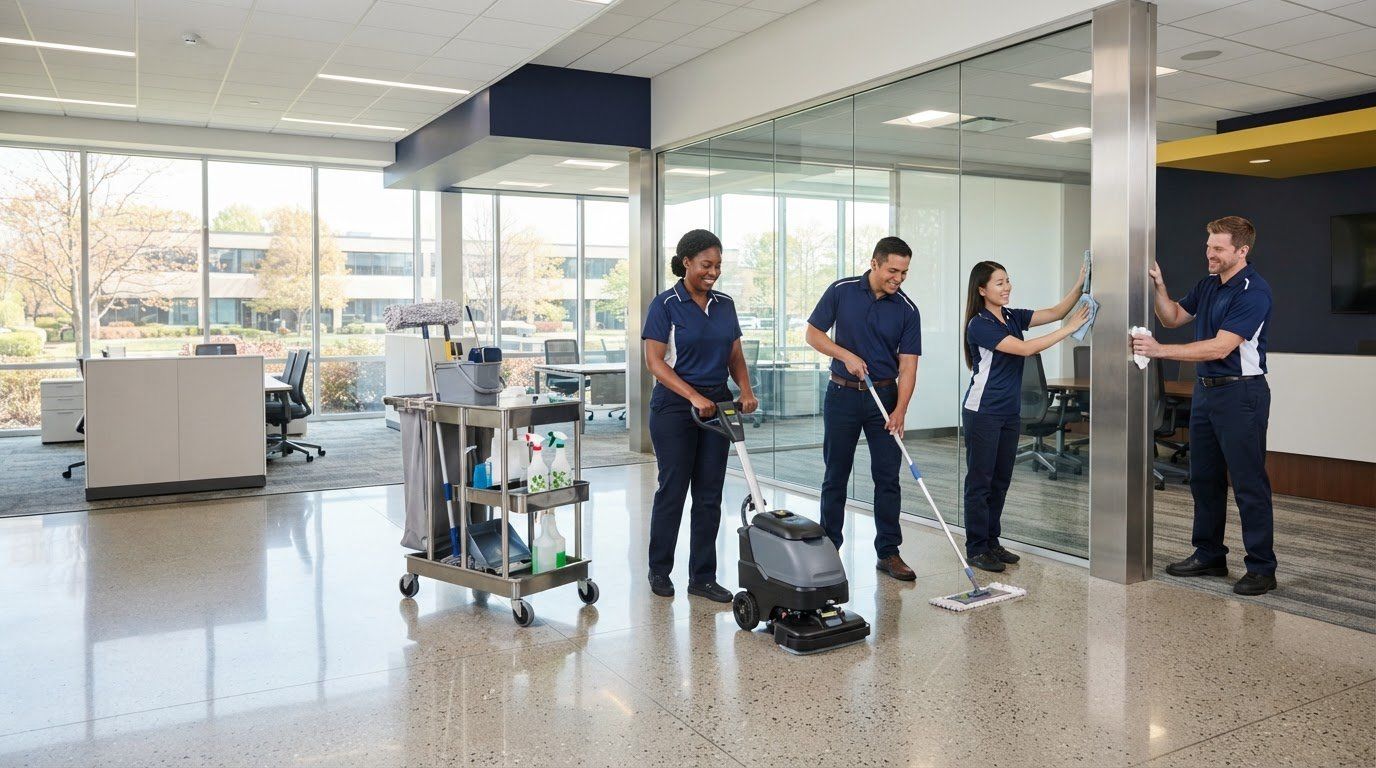
Our staff undergoes rigorous training focused on medical-grade disinfection and safety protocols. We prioritize technical authority in every task, from high-touch surface sterilization to biohazard containment. Our Bohemia headquarters is strategically located to provide a quick response time to facilities on Long Island. This proximity allows us to minimize downtime and maintain uninterrupted productivity for busy clinics. We ensure your healthcare cleaning schedule integrates seamlessly with patient flow to prevent operational bottlenecks.
Integrated Supply and Specialty Services
We manage your entire maintenance ecosystem through an integrated supply chain. Our capabilities include daily janitorial duties, specialized floor care, and deep cleaning. We use a lean, active voice in all communication and reporting to provide clear, actionable data for facility managers. This transparency eliminates administrative friction and ensures your MRO supplies are always stocked. By consolidating these services, we provide the stability required for long-term success. Our goal is to function as an extension of your own team, focusing on the high stakes of healthcare cleaning and facility safety.
Ready to enhance your facility's operational efficiency? Schedule a Medical Facility Audit with Advance Industrial to establish a maintenance program backed by four decades of industrial expertise. We provide the essential infrastructure and insight required for continuous industrial and medical continuity.
Strengthening Your Facility’s Operational Standards
Maintaining sterile environments across Nassau and Suffolk County requires more than standard janitorial work; it demands rigorous adherence to the 2026 HIPAA and OSHA protocols. Effective healthcare cleaning ensures that high-risk zones in your facility remain compliant and safe for every patient encounter. Success depends on technical precision and the consistent execution of daily checklists to prevent cross-contamination. Advance Industrial brings over 40 years of Long Island experience to your medical office. We’re locally owned and operated in Bohemia, NY, providing the specialized medical-grade training required to maintain industrial excellence. Our team acts as a strategic partner to eliminate operational risks and ensure uninterrupted productivity. We’ve managed these complex requirements for decades and possess the technical insight to solve your facility’s specific maintenance challenges. Your facility’s safety remains the foundation of your community’s health and trust.
Frequently Asked Questions
What is the difference between medical cleaning and regular commercial cleaning?
Medical cleaning requires 100% adherence to pathogen-specific disinfection protocols that exceed standard surface aesthetics. Regular commercial cleaning focuses on debris removal and visual polish, but healthcare cleaning utilizes EPA-registered List N disinfectants to eliminate 99.9% of healthcare-associated infections. Our teams follow CDC guidelines updated in 2024 to ensure clinical environments meet the sterile requirements necessary for patient safety and operational uptime.
How often should a medical office in Long Island be professionally cleaned?
Medical offices must receive professional cleaning at least 5 nights per week to maintain high-level disinfection standards. High-traffic facilities in Suffolk County often require twice-daily rotations for waiting areas and exam rooms to prevent cross-contamination. Establishing a consistent 24-hour cycle ensures your facility remains compliant with the New York State Department of Health 2025 sanitation mandates for outpatient centers.
Does healthcare cleaning include the removal of hazardous medical waste?
Professional cleaning services focus on surface disinfection and environmental maintenance rather than the transport of biohazardous sharps or red-bag waste. We manage the sanitization of waste containers and surrounding areas according to OSHA 29 CFR 1910.1030 standards. For the physical removal of regulated medical waste, facilities must partner with licensed haulers certified by the NYS Department of Environmental Conservation as of 2024.
Are your cleaning chemicals safe for use around patients with respiratory issues?
We utilize Green Seal-certified and low-VOC disinfectants that maintain indoor air quality for sensitive patients. Our protocols prioritize hydrogen peroxide-based solutions that break down into water and oxygen within 10 minutes of application. This approach ensures 0% irritation risk for patients with asthma or COPD while achieving hospital-grade sterilization across all contact surfaces within your clinical environment.
How does professional cleaning help our facility pass OSHA inspections?
Professional cleaning secures OSHA compliance by maintaining rigorous Bloodborne Pathogens Standard documentation and proper GHS chemical labeling. We provide detailed logs of every disinfection cycle, ensuring your facility meets the 100% documentation requirement during unannounced inspections. Our technicians are trained in Hazard Communication standards, reducing the risk of workplace safety citations which can exceed $16,000 per violation in 2026.
Can you provide cleaning services after hours in Hauppauge or Melville?
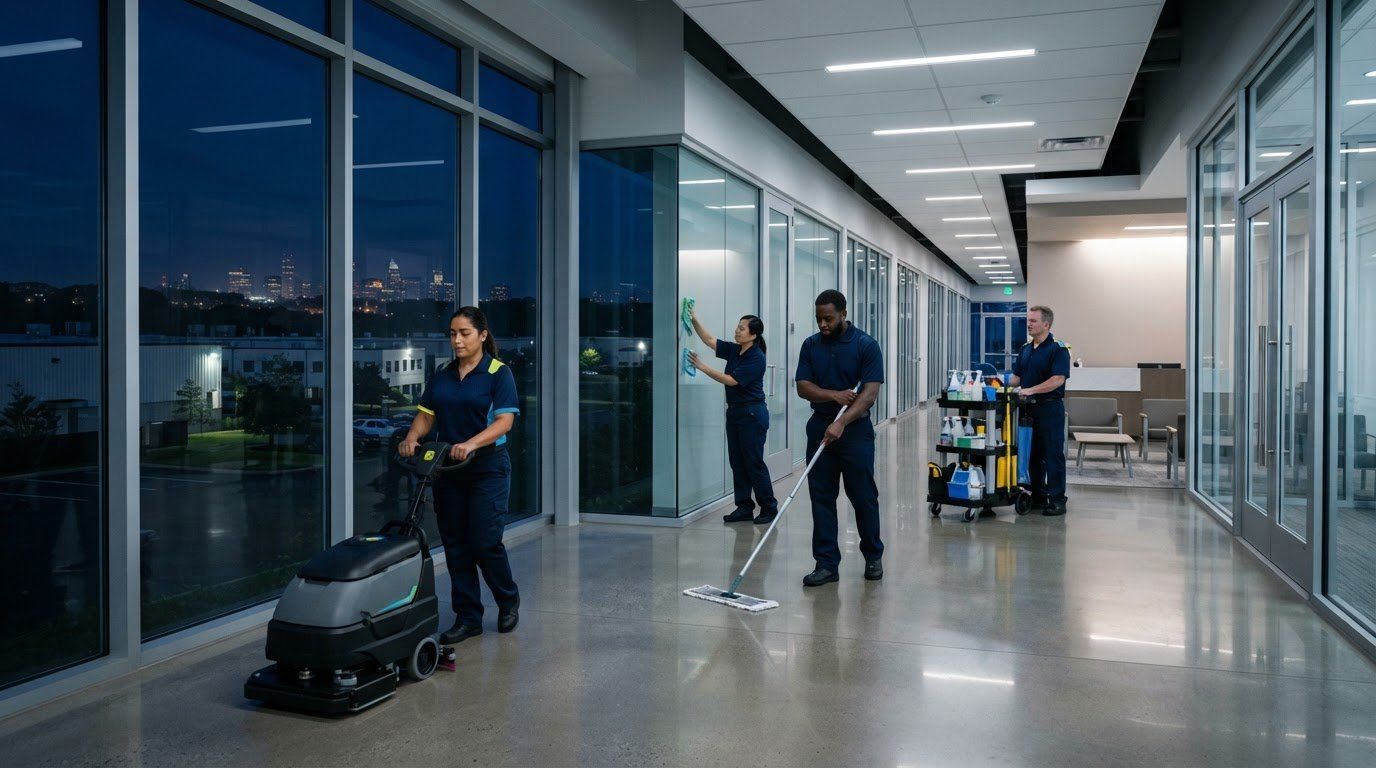
Our teams provide 24/7 service coverage throughout the Hauppauge Industrial Park and Melville corporate corridor to eliminate operational downtime. Most Long Island medical facilities schedule their deep cleaning between 9:00 PM and 5:00 AM to ensure clinical spaces are ready for the first 7:30 AM patient arrival. This schedule allows for the necessary dwell times required for high-level disinfectants to achieve maximum efficacy.
What certifications should I look for in a medical cleaning company?
You should prioritize companies holding the CIMS-GB certification and specialized training in bloodborne pathogen protocols. A reliable partner will demonstrate 100% compliance with Joint Commission standards and maintain active memberships in the Association for the Healthcare Environment. These credentials verify that the provider understands the technical requirements of the 2026 healthcare regulatory environment and functions as a single-source provider for your facility.
How do you ensure HIPAA compliance during the cleaning process?
We ensure HIPAA compliance by training all staff in the 1996 Privacy Rule and enforcing strict "no-touch" policies regarding patient records or computer terminals. Our technicians sign confidentiality agreements and undergo background checks before entering any Long Island medical facility. We treat your clinical space as a secure environment, focusing solely on the physical infrastructure to maintain 100% data integrity during our cleaning shifts.