What Insurance Should a Cleaning Company Have? A Professional Guide for 2026

In a U.S. janitorial market valued at $112 billion in 2026, the difference between a thriving operation and a shuttered business often comes down to a single liability claim. Determining exactly what insurance should a cleaning company have is no longer a matter of basic compliance; it's a strategic requirement for securing high-value commercial contracts. You likely already recognize that navigating state-specific mandates like New York Workers' Comp or meeting the $2 million occurrence limits required by medical facilities can feel like a complex operational hurdle. Confusion over which extra policies are actually necessary can lead to dangerous gaps in your protection.
This guide provides the technical clarity needed to align your coverage with 2026 industrial standards. Our objective is to ensure your operations remain stable and your assets are fully protected against property damage or employee injury claims. We'll break down mandatory policies, specialized coverages for high-stakes healthcare environments, and the specific bond requirements necessary to satisfy procurement officers. By the end of this professional guide, you'll have a definitive list of coverages required to maintain long-term industrial continuity and win more commercial business.
Key Takeaways
- Identify the foundational role of General Liability and Workers' Compensation in mitigating third-party property damage and ensuring regulatory compliance.
- Understand why janitorial bonds and Bailee’s coverage are essential for maintaining security and trust in high-stakes office or industrial environments.
- Master the technical requirements of the Certificate of Insurance (COI) process to satisfy the "Additional Insured" demands of commercial procurement officers.
- Evaluate what insurance should a cleaning company have to successfully bid on large-scale corporate and government maintenance contracts.
- Learn to leverage comprehensive coverage as a strategic asset that demonstrates industrial stability and long-term reliability to potential partners.
Table of Contents
Core Insurance Requirements for Commercial Cleaning Operations
Establishing a robust risk management framework is the first step toward operational stability. When determining what insurance should a cleaning company have, the primary focus must be on Commercial General Liability (CGL). This policy serves as the frontline defense against third-party bodily injury and property damage claims. Most commercial contracts require specific policy limits, typically a $1 million per occurrence and $2 million aggregate limit. These benchmarks ensure your business can absorb the financial impact of a significant claim without compromising your service delivery or industrial continuity.
General Liability: Protecting Against On-Site Accidents
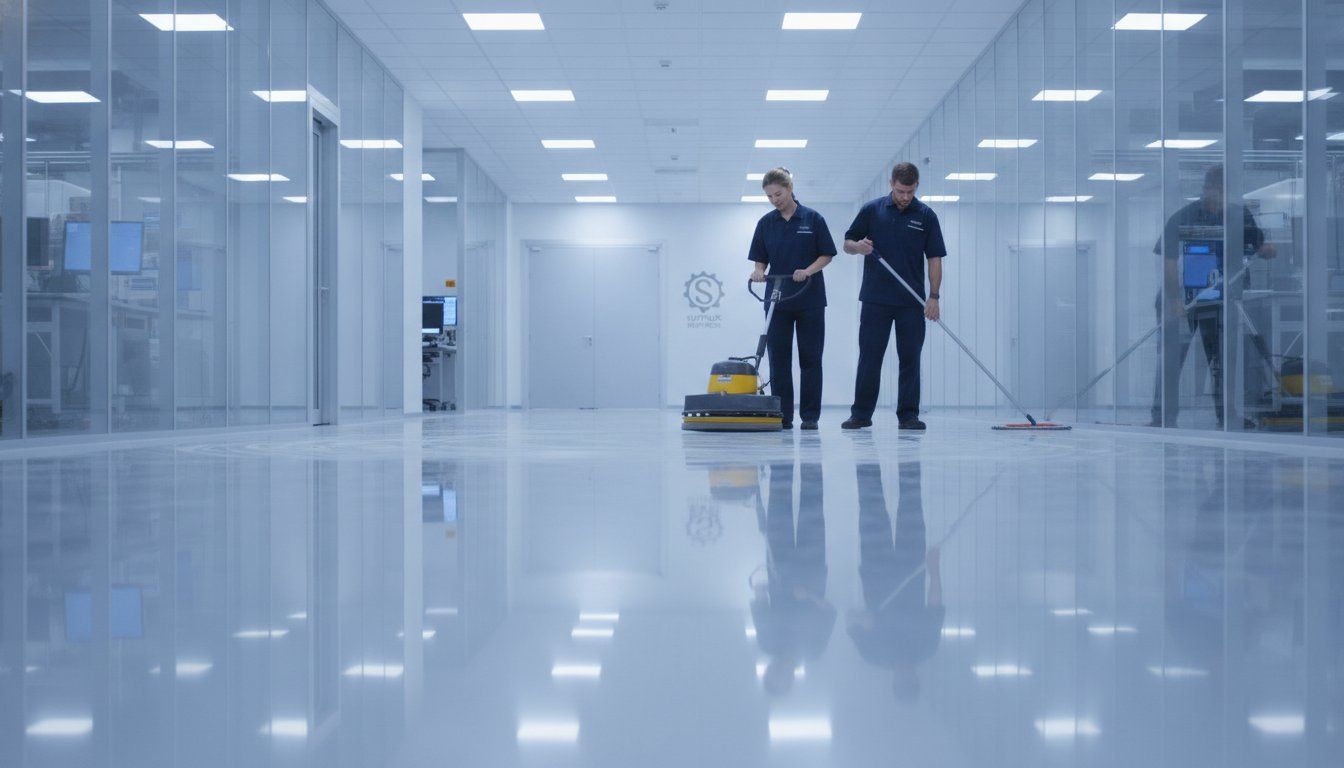
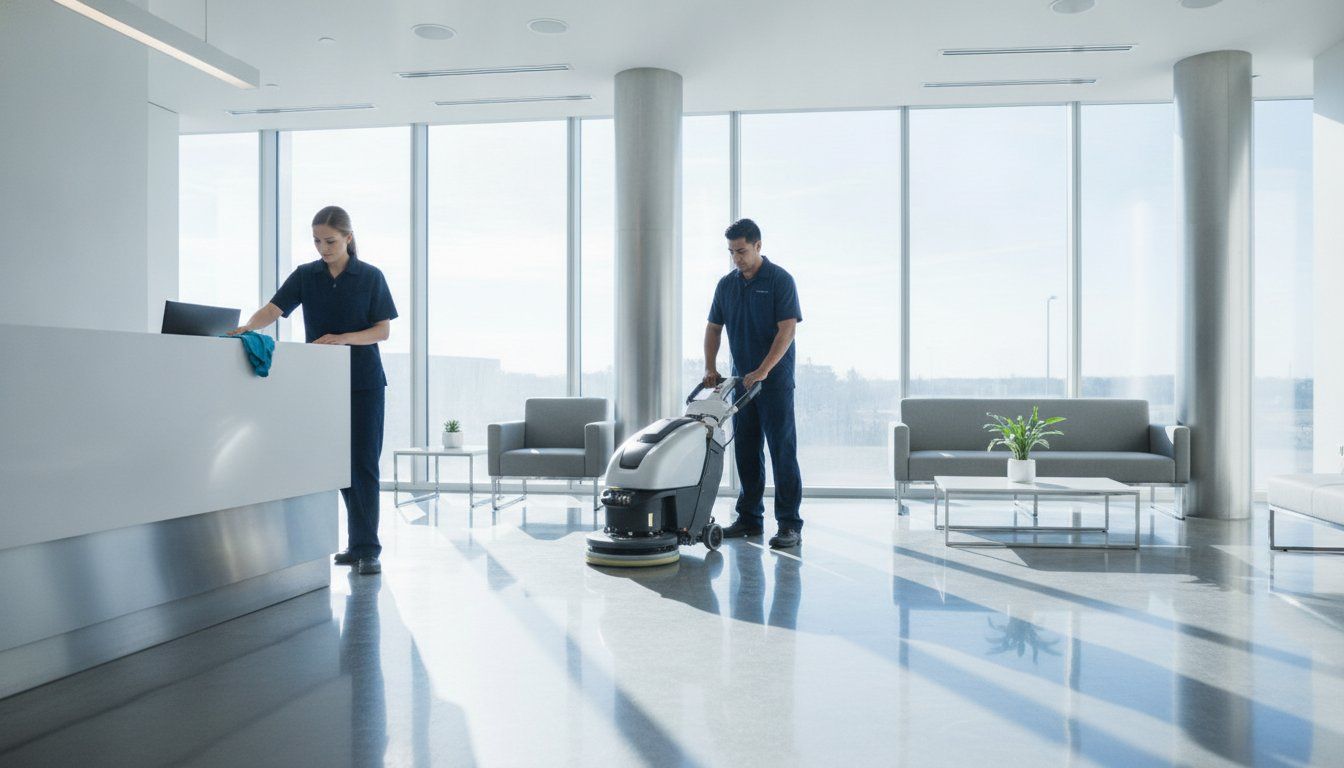
Operational risks are frequent in high-traffic maintenance environments. A standard slip-and-fall incident during floor stripping and waxing or wet-mopping can result in substantial legal and medical expenses. Beyond bodily injury, GL covers damage to client assets. In healthcare cleaning settings, this includes protection against accidental damage to specialized medical equipment. In corporate environments, it ensures coverage for high-end office furniture or integrated technology systems that may be damaged during routine janitorial tasks.
Workers' Compensation and New York State Mandates
New York maintains rigorous mandates for employee protection that every operator must follow. For cleaning crews operating in Nassau and Suffolk Counties, Workers' Compensation is a mandatory requirement from the moment you hire your first employee. This coverage is essential for protecting the business from devastating lawsuits following on-the-job injuries. It provides medical benefits and wage replacement, shifting the financial burden of workplace accidents away from your balance sheet and ensuring the long-term health of your workforce.
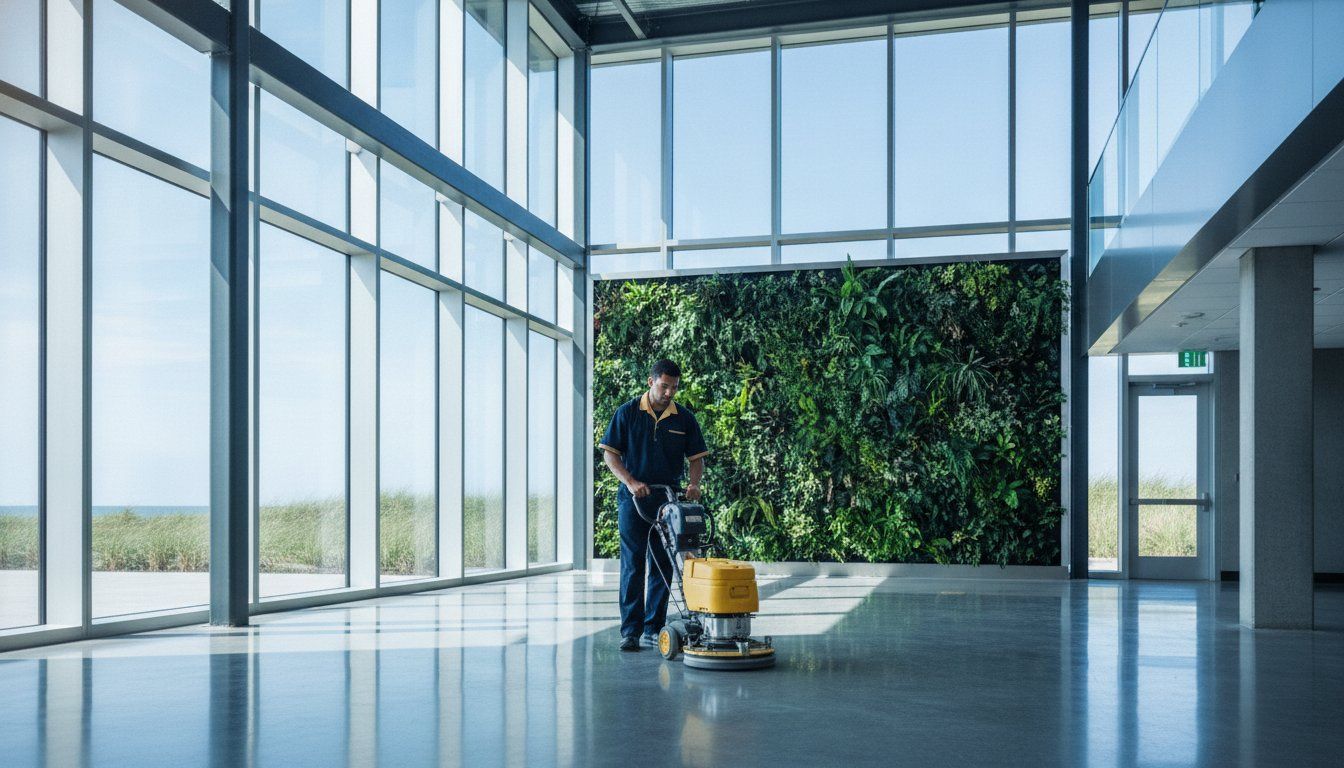
Efficiency is a priority for growing firms, which is why many opt for a Business Owner's Policy (BOP). This instrument combines liability and property coverage into one streamlined package. It protects your own critical assets, such as industrial vacuums and floor buffers, while maintaining the liability shield required by commercial leases. Understanding what insurance should a cleaning company have allows you to present a profile of reliability to procurement managers, positioning your firm as a stable partner for large-scale maintenance contracts.
Specialized Coverage for Industrial and Medical Maintenance
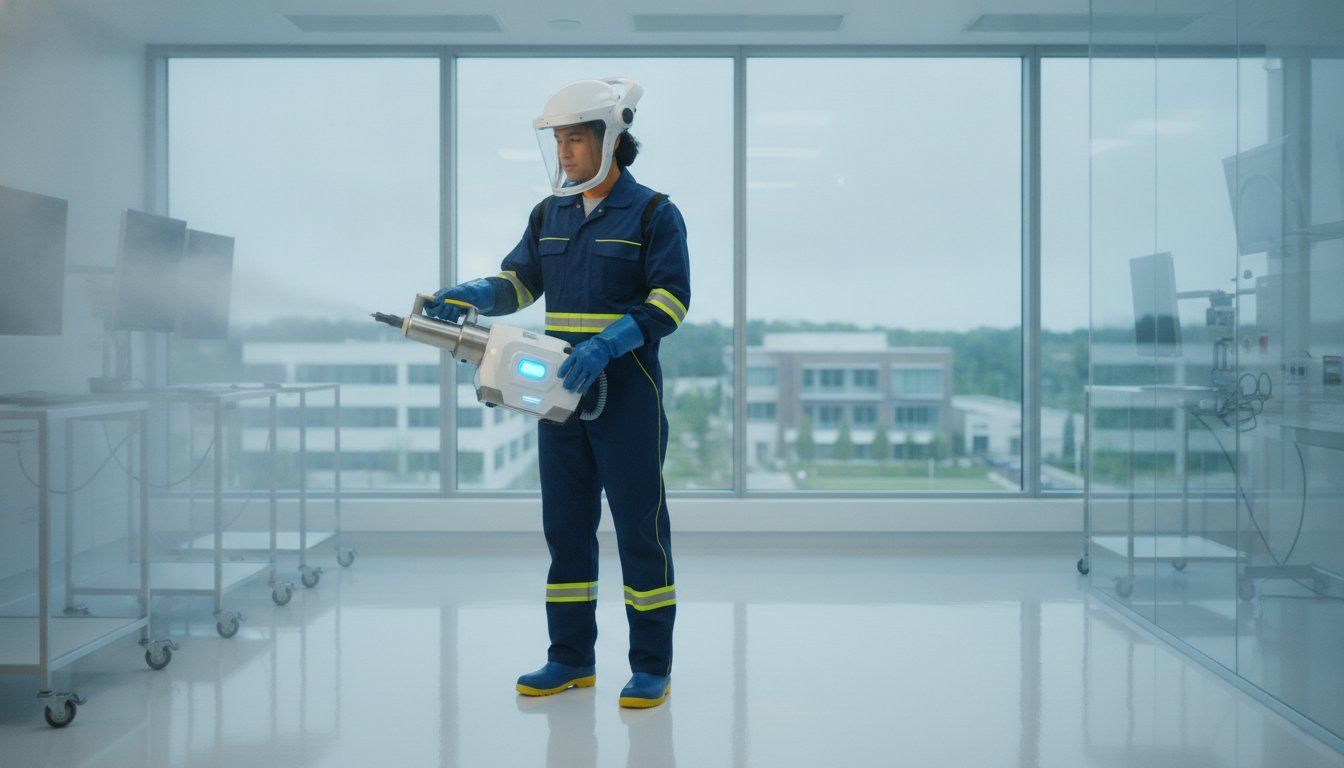
While general policies provide a foundation, high-stakes environments require a more granular approach to risk. Determining what insurance should a cleaning company have involves evaluating specific operational hazards, such as chemical handling in healthcare environments or the transportation of equipment across Long Island. Standard coverage often fails to address the liabilities inherent in specialized disinfection or HIPAA-compliant maintenance. Bailee’s Coverage is also necessary when handling or transporting client property off-site, ensuring that assets remain protected while under your care.
Commercial Auto Insurance is a non-negotiable requirement for any firm managing a fleet of service vehicles. This policy protects your business from liability resulting from accidents during transit between job sites. When refining what insurance should a cleaning company have, professional liability insurance must also be considered for high-level disinfection services. It covers claims arising from a perceived failure to meet specific sanitation standards. This is a vital safeguard in clinical environments where precision is mandatory.
Janitorial Bonds: Securing Client Trust
Trust is the primary currency in commercial maintenance. Janitorial Bonds, specifically Employee Dishonesty Bonds, provide a critical layer of security for clients in high-security office environments. While insurance covers accidents, a bond protects the client against theft by employees. Being "licensed, bonded, and insured" signals a level of industrial strength and accountability that procurement officers prioritize. This distinction helps transform a standard vendor relationship into a collaborative alliance built on reliability.
High-Risk Maintenance: Floors and Healthcare Facilities
Technical services like floor stripping and waxing introduce specific chemical and physical risks. The use of corrosive strippers and high-speed buffers requires tailored liability considerations. Specialized coverage includes:
- Pollution Liability: Protection against accidental chemical spills or improper disposal of hazardous waste.
- Errors and Omissions: Safeguarding against claims of inadequate disinfection in healthcare cleaning.
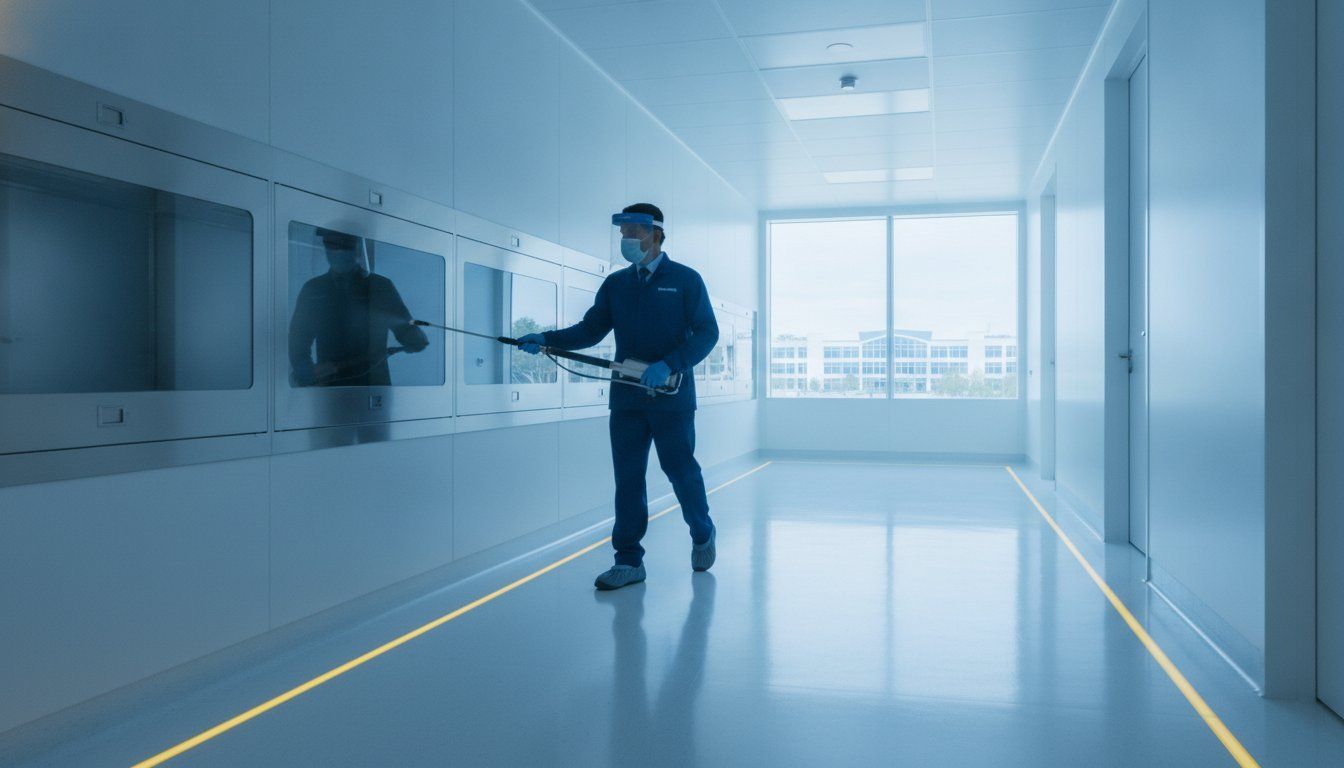
This is particularly relevant when performing medical facility cleaning where biohazard protocols are strictly enforced. Consulting the SBA's guide to business insurance can help you verify that your specialized policies meet federal recommendations for industrial operations.

Leveraging Insurance for Commercial Contract Success
For procurement professionals and operational managers, insurance is a primary vetting criterion. When bidding on government or large corporate contracts, your policy documentation serves as a proxy for your firm's stability. While many ask what insurance should a cleaning company have for basic protection, the answer in a commercial context involves demonstrating a comprehensive risk management strategy. For example, a 40-year track record of fully insured operations signals a level of reliability that new or under-insured vendors cannot match. It indicates that your business processes are designed for longevity and industrial strength.
The Certificate of Insurance (COI) as a Business Asset
Facility managers require a Certificate of Insurance (COI) before any technician enters the premises. A quick-turnaround COI is essential for securing emergency or on-call maintenance projects, as delays in paperwork can lead to operational downtime for the client. Procurement officers specifically look for the "Additional Insured" status in the Description of Operations section. This clause protects the client under your policy, ensuring they aren't liable for incidents caused by your staff. Consulting state-level insurance guidance can help clarify these technical requirements for different contract types.
Operational Continuity and Risk Mitigation
Proper insurance prevents business downtime following major claims or equipment loss. It ensures that if a high-capacity floor buffer or industrial vacuum system fails or is damaged, the financial impact doesn't halt your service delivery. There is a direct relationship between technical authority, rigorous safety training, and lower insurance premiums over time. By maintaining high standards in janitorial services and disinfection, you reduce the frequency of claims, which preserves your reputation as a dependable partner. To ensure your firm remains competitive, it is vital to stay updated on industry standards and maintenance insights. Understanding what insurance should a cleaning company have is just the beginning of maintaining a high-performance operation.
Securing Industrial Stability Through Comprehensive Coverage
Maintaining industrial continuity requires more than just meeting basic state mandates. It demands a proactive risk management strategy that integrates specialized janitorial bonds and professional liability coverage. These components ensure your operation is equipped to handle the rigorous demands of high-security and medical environments without service interruptions. By prioritizing technical accuracy in your insurance portfolio, you transform a standard overhead cost into a strategic asset that builds lasting trust with commercial procurement officers.
Determining what insurance should a cleaning company have is a technical necessity that signals your organization's reliability. For facility managers who require precision and industrial strength, working with a seasoned partner provides the necessary stability for ongoing success. Partner with a Fully Insured Professional Cleaning Team to leverage over 40 years of commercial maintenance experience. We maintain comprehensive liability and workers' comp coverage for all staff, complemented by specialized expertise in HIPAA-compliant medical cleaning. This commitment to rigorous safety protocols and administrative transparency ensures your facility remains protected. We are ready to serve as a dependable extension of your operational team.
Frequently Asked Questions
Is liability insurance required for a cleaning business in New York?
General liability insurance isn't a statutory requirement under New York State law, but it's a universal prerequisite for commercial operations and lease agreements. While the state focuses on mandatory Workers' Compensation for all employees, procurement officers in Nassau and Suffolk Counties won't permit a vendor on-site without a valid Certificate of Insurance. Understanding what insurance should a cleaning company have in New York involves recognizing that contract compliance is just as critical as legal mandates for maintaining industrial stability.
How much does insurance for a commercial cleaning company typically cost?
Verified industry data for 2026 shows that general liability insurance for a cleaning operation typically ranges between $48 and $160 per month. Workers' compensation for companies with employees averages between $116 and $136 per month, while commercial auto premiums generally center around $173 per month. These figures represent the standard investment required to satisfy the risk management requirements of corporate clients and ensure the long-term success of the operation.
What is the difference between being bonded and being insured?
The distinction lies in the direction of the protection. Insurance, specifically general liability, covers your business against financial loss resulting from accidental third-party bodily injury or property damage. A janitorial bond is a form of protection that compensates the client if an employee commits theft or acts dishonestly. When evaluating what insurance should a cleaning company have, both are essential for establishing a reputation for reliability and securing high-security office or medical facility contracts.
Does general liability cover my cleaning equipment if it is stolen?
Standard general liability policies don't provide coverage for your own tools or machinery if they're stolen. General liability is strictly designed to address damage or injury caused to third parties. To protect industrial vacuums, floor buffers, or specialized disinfection gear, you must secure commercial property insurance or an inland marine policy. These coverages are frequently bundled into a Business Owner's Policy (BOP) to ensure operational continuity following equipment loss or mechanical failure.