How to Switch Commercial Cleaning Companies Smoothly: A Facility Manager's Guide

Is your current cleaning contract a liability rather than an asset? Most facility managers wait until a service failure becomes a crisis before making a change, fearing that the process of how to switch commercial cleaning companies smoothly is too complex to manage without operational downtime or security breaches. You've likely experienced the frustrating "honeymoon phase" where performance peaks for a month before sliding back into mediocrity. We understand that a service gap isn't just an inconvenience; it's a direct threat to your facility's standards and safety.
This guide outlines a precise framework for transitioning providers by treating the process as a high-stakes technical handoff. You'll learn how to manage key and badge transfers without anxiety and ensure your floor care and disinfection protocols remain consistent from day one. We provide a structured 30-day continuity plan that eliminates the risk of missed service days. By focusing on precise logistics and clear communication, you can move from a frustrating vendor relationship to a reliable, long-term partnership that functions as a true extension of your operations team.
Key Takeaways
- Audit your current contract for termination clauses and identify the specific technical maintenance gaps that necessitate a provider change.
- Prioritize potential partners who demonstrate technical authority in specialized services like medical facility cleaning and floor stripping and waxing.
- Master the logistics of how to switch commercial cleaning companies smoothly by implementing a rigorous 30-day continuity plan for key and security handovers.
- Establish a new quality baseline for your facility by scheduling a "Level Set" deep clean during the first weekend of the transition.
Table of Contents
Auditing Your Current Service and Defining a New Scope
Success in a vendor transition begins with a rigorous internal audit. You can't understand how to switch commercial cleaning companies smoothly without first identifying the legal and operational boundaries of your current agreement. Most commercial contracts require a notice period of 30 to 90 days. Mismanaging this timeline can lead to overlapping costs or service gaps that compromise facility safety. Pragmatic planning ensures that your exit from one contract is as professional as your entry into the next.
Reviewing Contractual Obligations and Notice Periods
Examine your existing contract for a "cure period" clause. This provision often requires you to provide written notice of specific failures and allow the vendor a set time to rectify them before termination is valid. Following this protocol prevents legal friction during the handoff. Additionally, clarify equipment ownership. You need to know if your facility owns the soap and paper dispensers or if they are leased from the provider. If the vendor owns the hardware, their removal must be synchronized with the installation of new systems to prevent operational downtime for your staff and visitors.
Documenting Technical Pain Points for the New Provider
Effective documentation separates vague dissatisfaction from actionable data. While surface dust is a nuisance, deep-seated technical maintenance gaps represent a failure in commercial cleaning industry standards. List specific areas of neglect to set a baseline for your new partner. Focus on high-stakes requirements such as:
- Tile and grout cleaning: Identify areas with visible discoloration or microbial buildup.
- Carpet hygiene: Note high-traffic zones where fibers show excessive wear or staining.
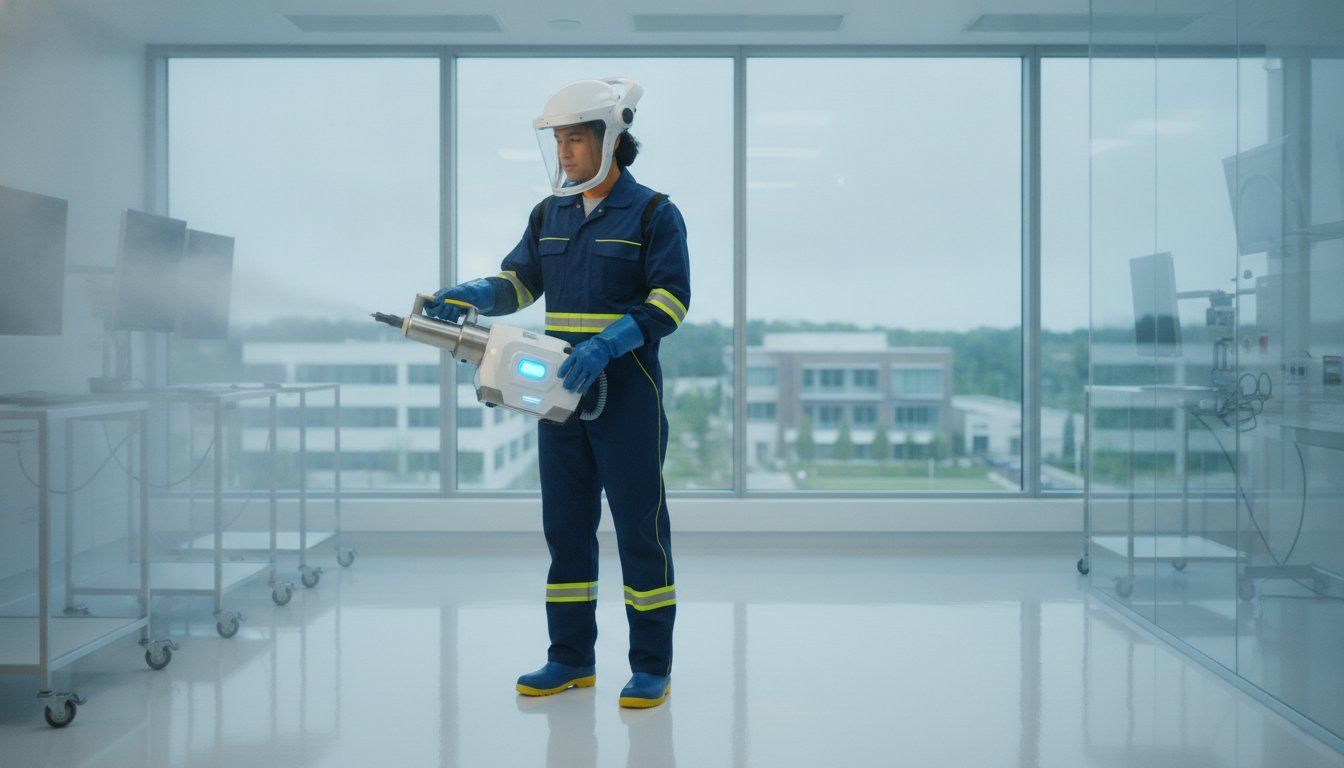
- Healthcare cleaning: Document any inconsistencies in medical-grade disinfection protocols in clinical suites.
Quantify your facility's requirements by detailing total square footage and identifying high-traffic zones. Your new Statement of Work must include both recurring janitorial services and project-based needs like floor stripping and waxing . This level of technical precision ensures your new partner understands the industrial standards required for long-term operational success.
Vetting New Providers for Technical Authority and Reliability
Vetting a new partner is a technical exercise in risk mitigation. Understanding how to switch commercial cleaning companies smoothly requires moving beyond the lowest bid to evaluate operational competency. Prioritize providers with an extensive history in Nassau and Suffolk Counties. Local knowledge ensures staffing reliability and logistical precision within our specific regional infrastructure. In high-liability environments like medical offices, technical authority is non-negotiable. Ensure the vendor demonstrates proficiency in specialized healthcare facility sanitation and advanced floor stripping and waxing techniques. Demand a written 48-hour activation plan. This document should detail the arrival of equipment, staff orientation, and the first cycle of disinfection services.
The On-Site Walkthrough: Beyond the Quote
Don't accept a sight-unseen estimate. During the walkthrough, a competent partner should identify facility-specific risks, such as aging floor finishes or high-touch point contamination zones. Evaluate their hardware. Professional janitorial services require industrial-grade extractors and HEPA-filtered vacuums. Residential-grade gear lacks the durability for commercial wear and won't meet rigorous standards for chemical handling. Ask about their staff training protocols. You need to know how they educate their team on bloodborne pathogens and cross-contamination prevention in clinical spaces.
Assessing Long-Term Operational Stability
The cleaning industry faces high turnover, making a partner's longevity a key indicator of stability. A provider with over 40 years of experience has the established supply chains and labor pools to survive market fluctuations. This institutional knowledge is essential for maintaining consistent standards during labor shortages. Confirm their capacity for emergency and on-call services. Your facility's continuity depends on a partner who responds to immediate needs without operational delays. For managers seeking this level of technical authority and reliability, a seasoned partner provides the necessary infrastructure for ongoing success. Verify that they carry comprehensive insurance and bonding to protect your organization from liability.

Executing the Handoff and Managing the First 30 Days
The actual transition is a logistical operation that requires tactical precision. To understand how to switch commercial cleaning companies smoothly, you must move beyond the administrative phase and into physical execution. The first 30 days are critical for establishing the standard of care your facility requires. A successful handoff ensures that security remains uncompromised while technical standards are immediately elevated. You're not just changing a vendor; you're recalibrating your facility’s operational baseline.
Securing Facility Access and Communication
Security is the primary concern during a vendor swap. Conduct a formal audit of all physical keys and digital access cards. Ensure the incoming crew receives verified credentials and updated security codes before the first shift begins. During the first week, establish clear logistics for waste removal and the organization of janitorial closets. This prevents operational friction and ensures your facility's internal workflows remain uninterrupted. Maintain a direct communication line with an assigned operational manager. Immediate feedback during the first five business days allows for real-time adjustments to the service flow.
Establishing a Baseline through Deep Cleaning
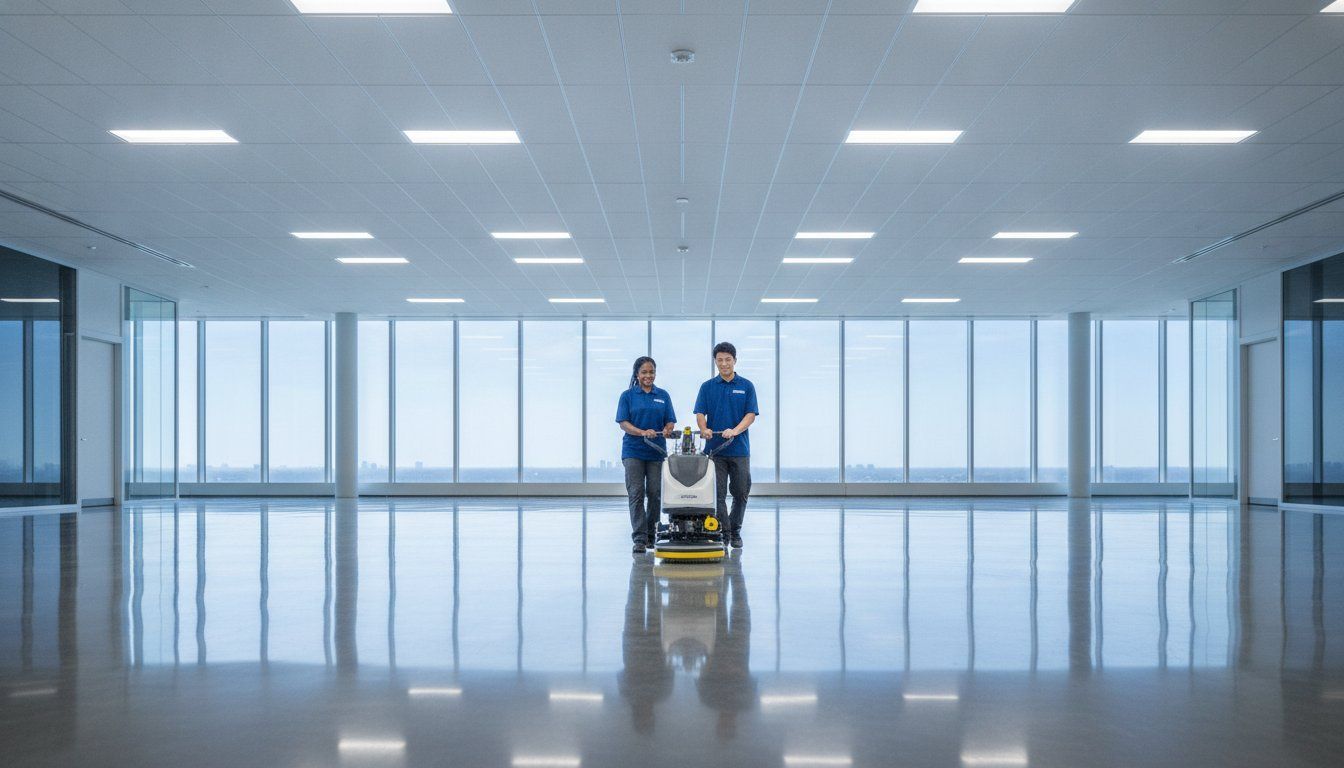
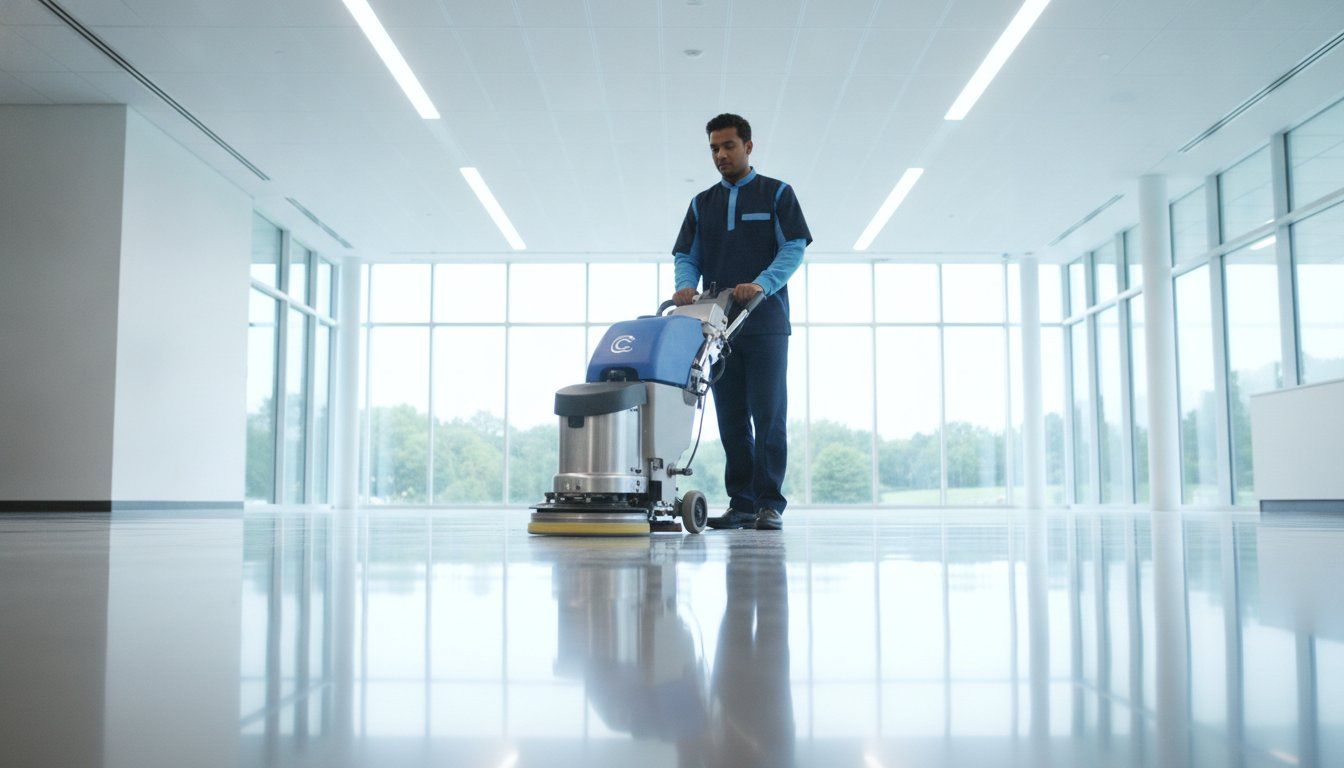
A common mistake is allowing a new provider to inherit the previous vendor’s neglect. Schedule a "Level Set" service during the first weekend of the contract. This often includes specialized floor stripping and waxing or industrial carpet extraction to restore surfaces to their original technical specification. Erasing the visible signs of past performance failures establishes a new quality baseline. Use the remainder of the first month to refine the cleaning schedule based on actual building occupancy and staff traffic patterns. Professional partners use this period to optimize chemical usage and equipment deployment for maximum efficiency.
A formal 30-day performance review serves as the final stage of the transition. This meeting confirms that the initial high performance wasn't merely a temporary phase, but a sustainable standard. Reviewing technical KPIs during this period ensures your facility's operational stability for the long term and solidifies the reliability of your new partnership.
Transitioning to a Higher Standard of Facility Maintenance
A seamless handoff is achievable when you prioritize logistical precision over marketing promises. Transitioning cleaning providers is a strategic move to restore operational integrity and eliminate the frustration of declining standards. By conducting a rigorous scope audit and vetting for technical authority, you mitigate the risks of downtime. Mastering how to switch commercial cleaning companies smoothly requires a commitment to a structured 30-day transition plan that prioritizes facility security and technical precision. This approach ensures your standards don't just recover; they exceed previous benchmarks.
Commercial Cleaning Services Advance Industrial Maintenance brings over 40 years of Long Island experience to every high-level collaborative alliance. Our specialized medical and industrial cleaning expertise provides the industrial strength and stability necessary for complex environments. We support your facility's ongoing success with reliable 24/7 on-call support and a deep understanding of operational continuity. Request a Professional Facility Audit and Transition Plan from Commercial Cleaning Services Advance Industrial Maintenance today. Your facility deserves a partner that functions as a serious, dependable extension of your own team.
Frequently Asked Questions
How much notice should I give my current commercial cleaning company?
Most commercial contracts require a notice period of 30 to 90 days. You must review your current agreement for a "cure period" which allows the vendor to rectify specific performance issues before termination is finalized. Failing to adhere to these contractual timelines can result in legal friction or unnecessary overlapping costs. Ensure your written notice is delivered via certified mail to document the timeline with technical precision.
Will there be a gap in cleaning service during the transition?
A service gap is preventable through a structured 30-day continuity plan that aligns the outgoing vendor’s exit with the new partner's entry. Understanding how to switch commercial cleaning companies smoothly involves coordinating the incoming team's orientation with the outgoing team's final shift. We recommend scheduling a "Level Set" deep clean during the first weekend to bridge the transition. This ensures your facility standards remain high without a single day of missed maintenance.
What happens to the cleaning equipment and supplies when I switch?
Ownership of dispensers, chemicals, and hardware depends entirely on the specific clauses in your current contract. If your facility owns the equipment, the transition is seamless. If the vendor owns the dispensers, they will likely remove them upon termination. Your new partner must coordinate the installation of new hardware immediately to prevent operational downtime. Audit your janitorial closets early to identify which assets stay and which must be replaced by the new provider.
How do I ensure the new company doesn't start strong and then slip in quality?
Prevent performance dips by establishing technical KPIs and a formal 30-day review process during the initial handoff phase. The "honeymoon phase" often masks a lack of long-term operational stability in smaller firms. By setting clear expectations for specialized tasks like floor stripping and waxing from day one, you create a baseline for ongoing accountability. Regular audits and direct communication with an operational manager ensure the service level matches the original agreement indefinitely.