Quick Construction Cleanup Checklist for Long Island Businesses (2026)
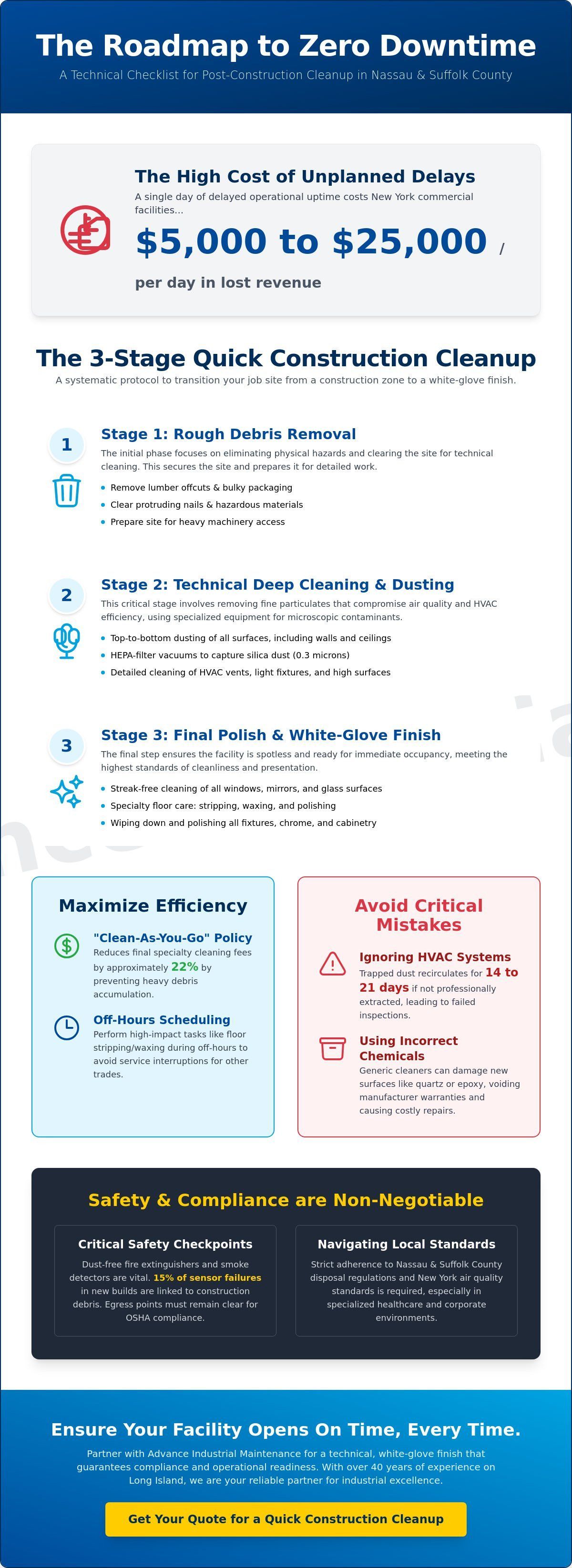
A single day of delayed operational uptime costs New York commercial facilities an average of $5,000 to $25,000 in lost revenue according to 2024 industry benchmarks. You understand that finishing a renovation in Nassau or Suffolk County is only half the battle. The remaining challenge involves a technical, quick construction cleanup to eliminate microscopic particulates that compromise HVAC efficiency and violate New York safety standards. It's a common frustration to see a completed build sit idle because of lingering fine dust or debris liability risks that threaten a scheduled 2026 opening.
Advance Industrial provides this professional grade checklist to transition your job site from a construction zone to a white glove finish in record time. We promise a technical roadmap that ensures your facility meets strict local safety codes while eliminating the risk of equipment failure due to airborne contaminants. This guide outlines a strategic sequence for debris removal, specialized MRO cleaning protocols, and a final inspection framework designed to achieve zero downtime for your business operations.
Key Takeaways
- Establish a systematic three-stage protocol to transition Nassau and Suffolk job sites from rough debris removal to technical deep cleaning with industrial precision.
- Minimize project-based specialty fees by implementing a "clean-as-you-go" policy with subcontractors to maintain site safety and organizational efficiency.
- Execute a quick construction cleanup by scheduling specialty floor care during off-hours, ensuring your facility returns to operational uptime without service interruptions.
- Navigate complex Long Island disposal regulations and New York air quality standards to ensure full compliance in specialized healthcare and corporate environments.
The 3-Stage Quick Construction Cleanup Checklist
Executing a systematic quick construction cleanup requires a technical approach to meet aggressive 2026 occupancy deadlines. Long Island commercial projects often face tight turnarounds that demand precision and industrial excellence. Phase one involves the immediate removal of Construction waste materials, including lumber offcuts, protruding nails, and bulky packaging, to eliminate physical hazards and secure the site. Technical dusting defines the second stage, where crews clean all surfaces from top to bottom, specifically targeting HVAC vents and light fixtures where fine particulates settle. Completing the process involves a final polish of all windows, floors, and chrome fixtures to remove every remaining smudge or streak. The white-glove standard serves as the definitive benchmark for commercial readiness in 2026, ensuring every surface meets the rigorous requirements for immediate occupancy.
Essential Equipment for Rapid Turnaround
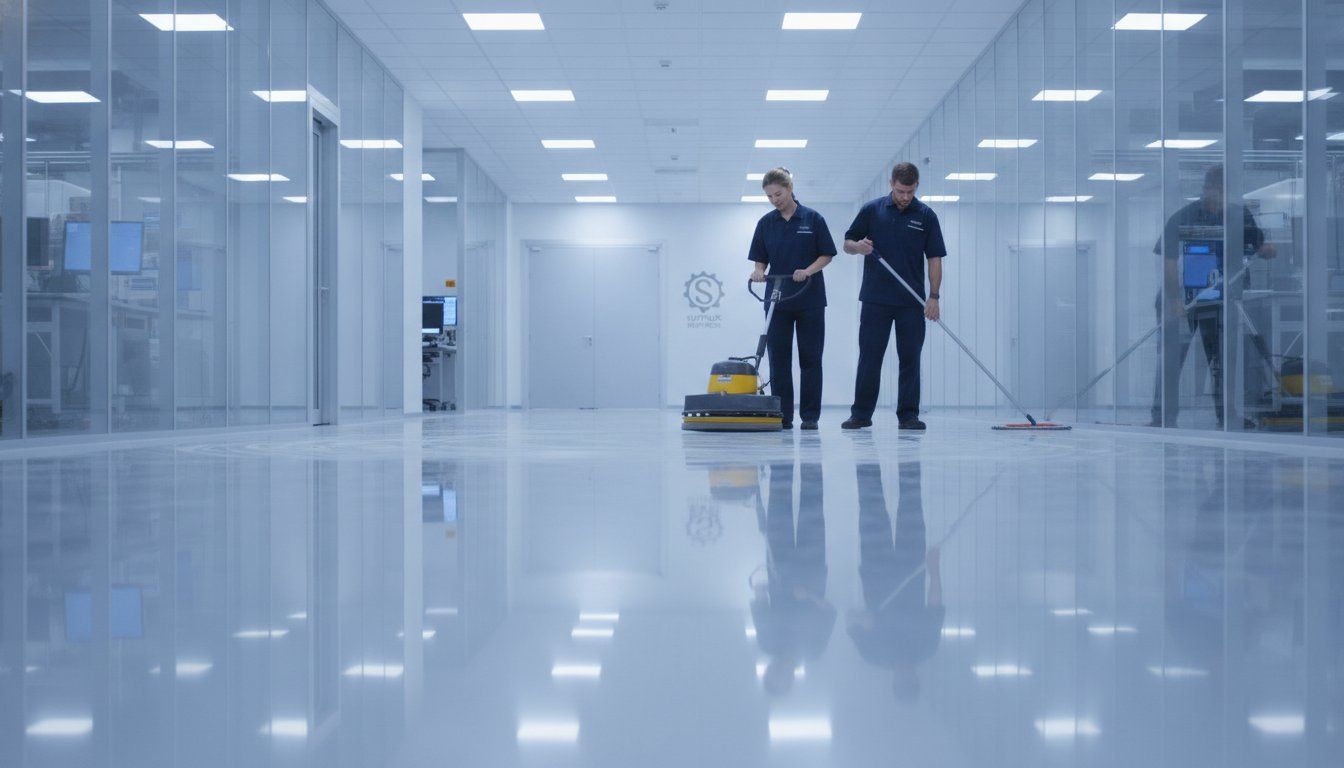
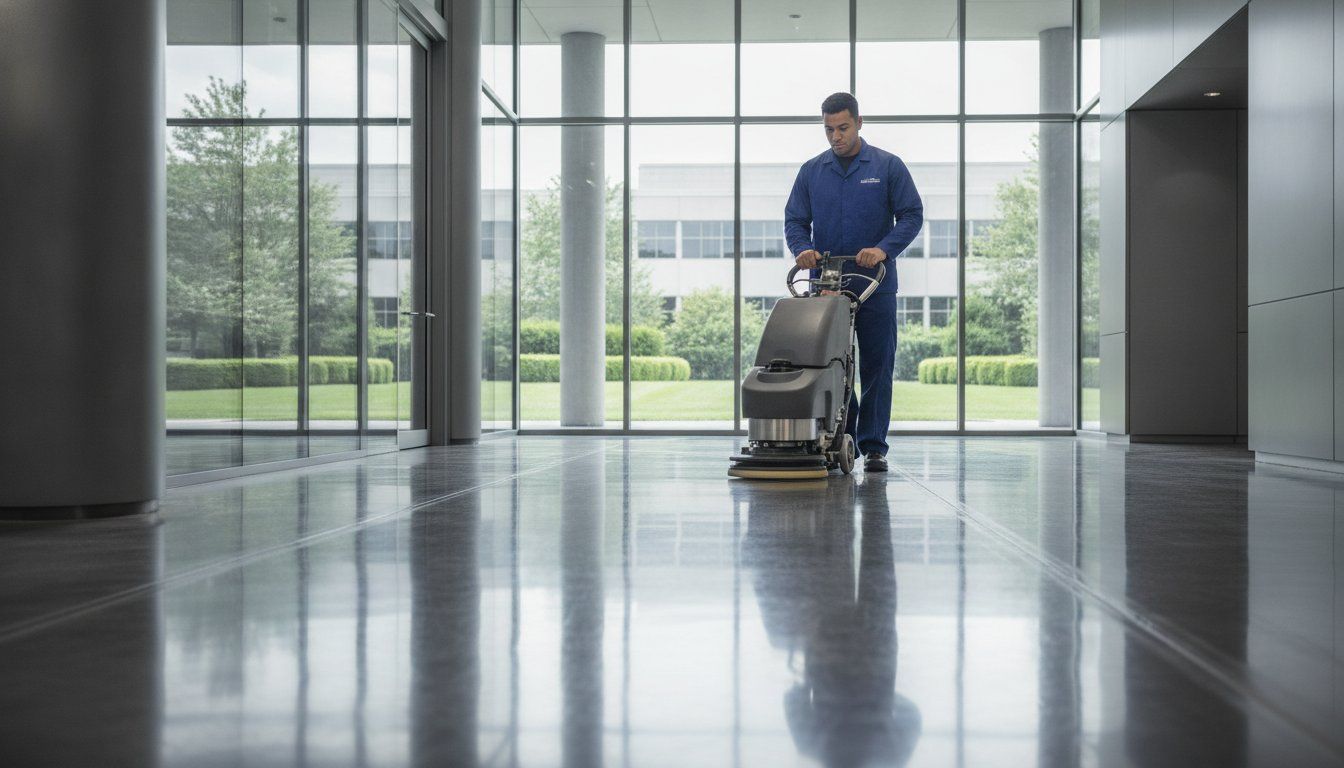
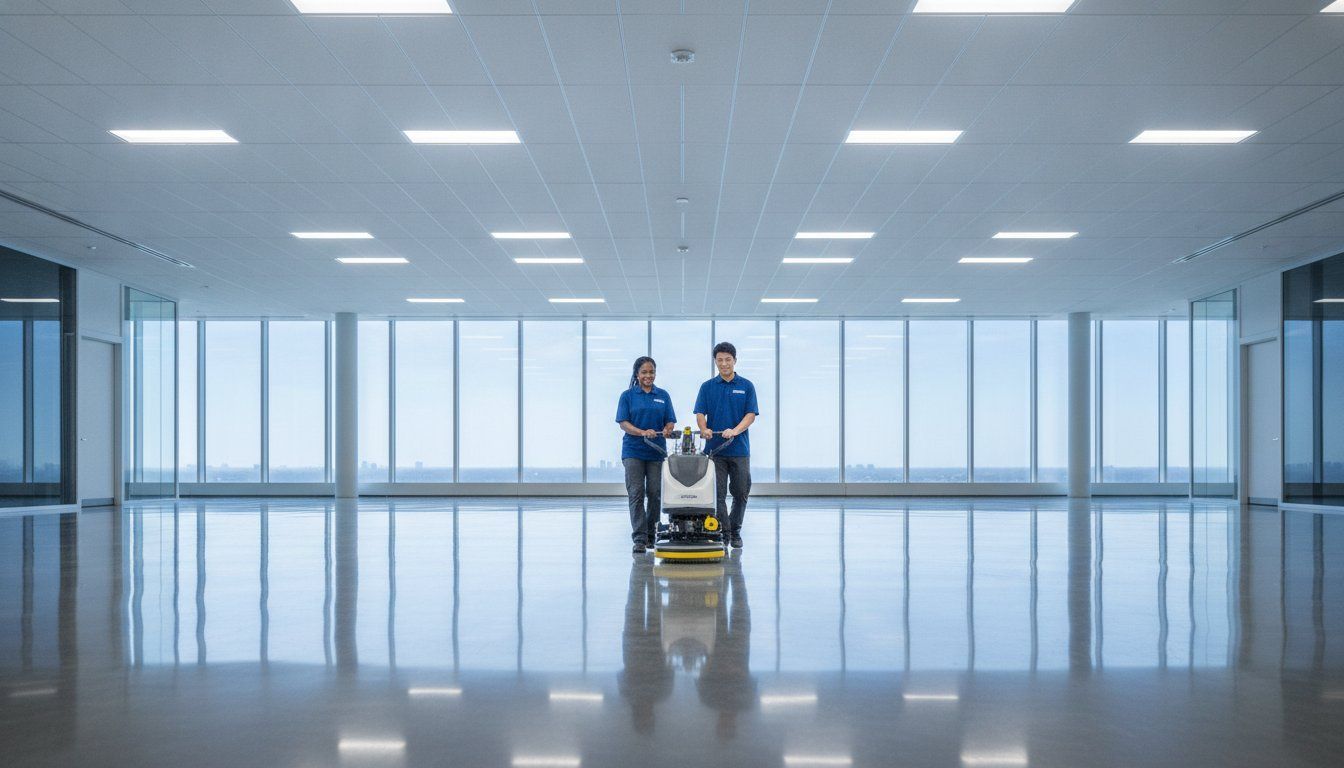
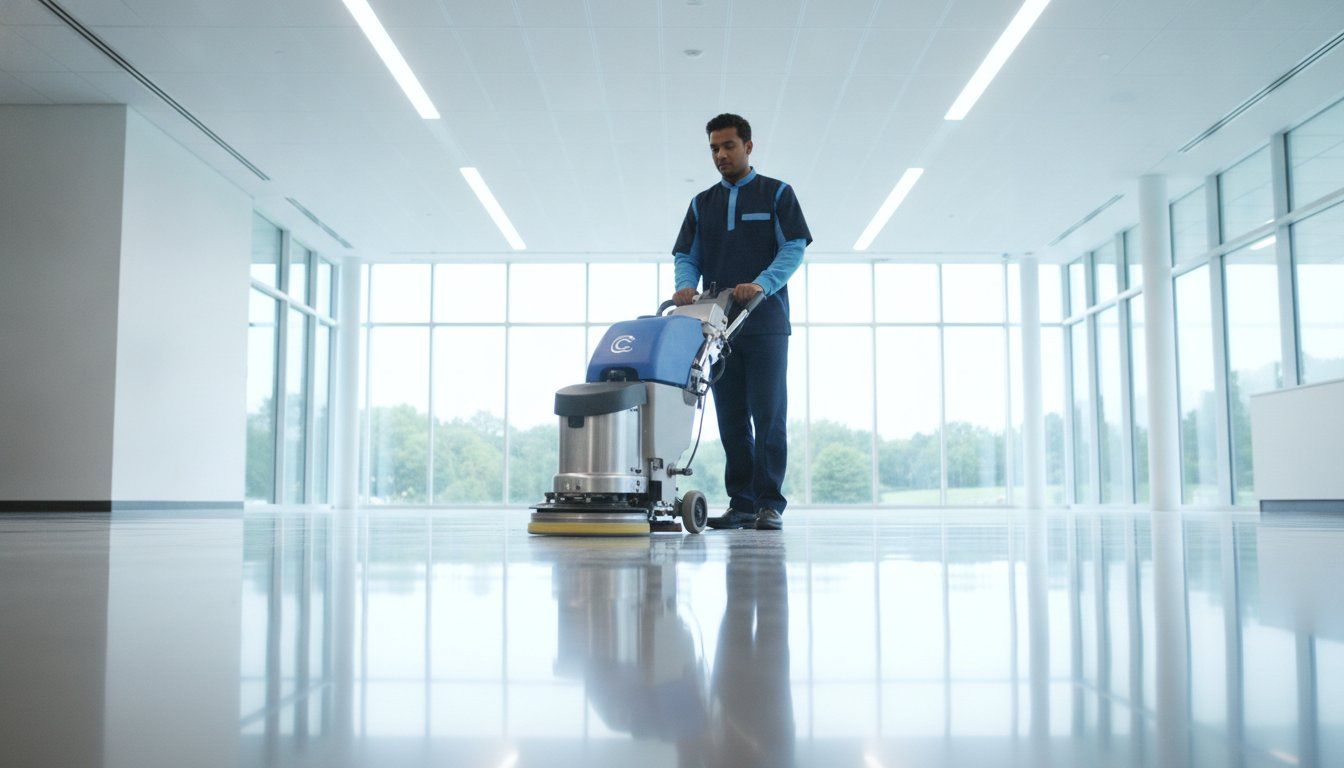
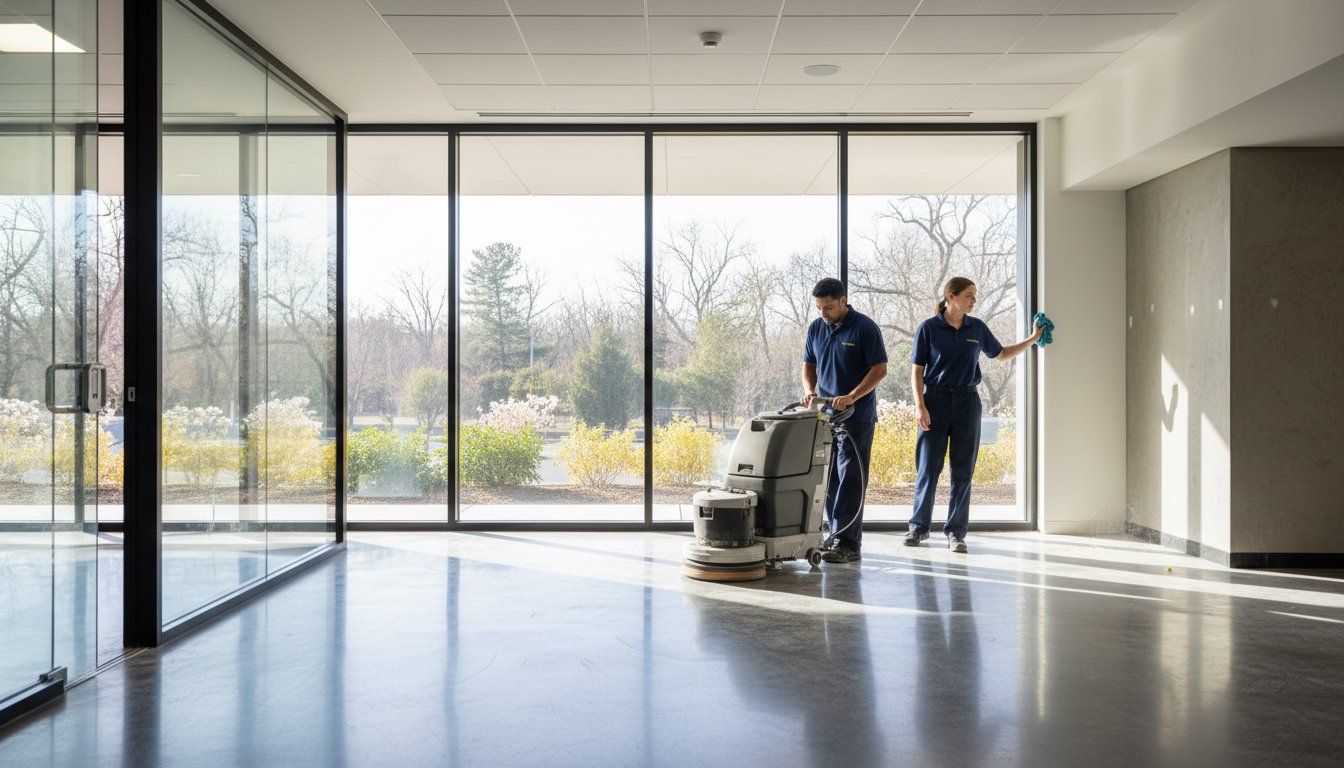
Operational efficiency depends on high-performance tools that provide uninterrupted productivity. Industrial-grade HEPA vacuums are mandatory for capturing silica dust particles as small as 0.3 microns; standard shop-vacs don't meet these technical requirements. Microfibre technology is utilized for wall and ceiling dusting to ensure particulates don't resettle after the initial pass. For floor surfaces, we deploy heavy-duty maintenance machinery to strip and wax new installations, protecting the client's capital investment from premature wear. This comprehensive approach establishes a strategic partnership between cleaning crews and facility managers to maintain industrial excellence.
Critical Safety Checkpoints
Safety protocols must remain a priority during the final stages of a quick construction cleanup . It's vital to verify that all fire extinguishers and smoke detectors are free of settled dust, as 15% of sensor failures in new builds are linked to construction debris. Additionally, all egress points and emergency exits must remain clear of equipment or lingering materials to maintain strict OSHA compliance. Ensuring these pathways are unobstructed is a non-negotiable requirement for site handover and long-term operational safety.
Maximizing Efficiency: How to Speed Up the Cleanup Process
Efficiency in a 2026 construction environment requires proactive management rather than reactive scrubbing. Implementing a "Clean-As-You-Go" policy with subcontractors reduces final specialty cleaning fees by approximately 22% by preventing the accumulation of heavy debris. To Speed Up the Cleanup Process, project managers must coordinate debris removal schedules with Nassau and Suffolk County waste management facilities. This alignment prevents site bottlenecks that often stall the final 10% of a project's timeline.
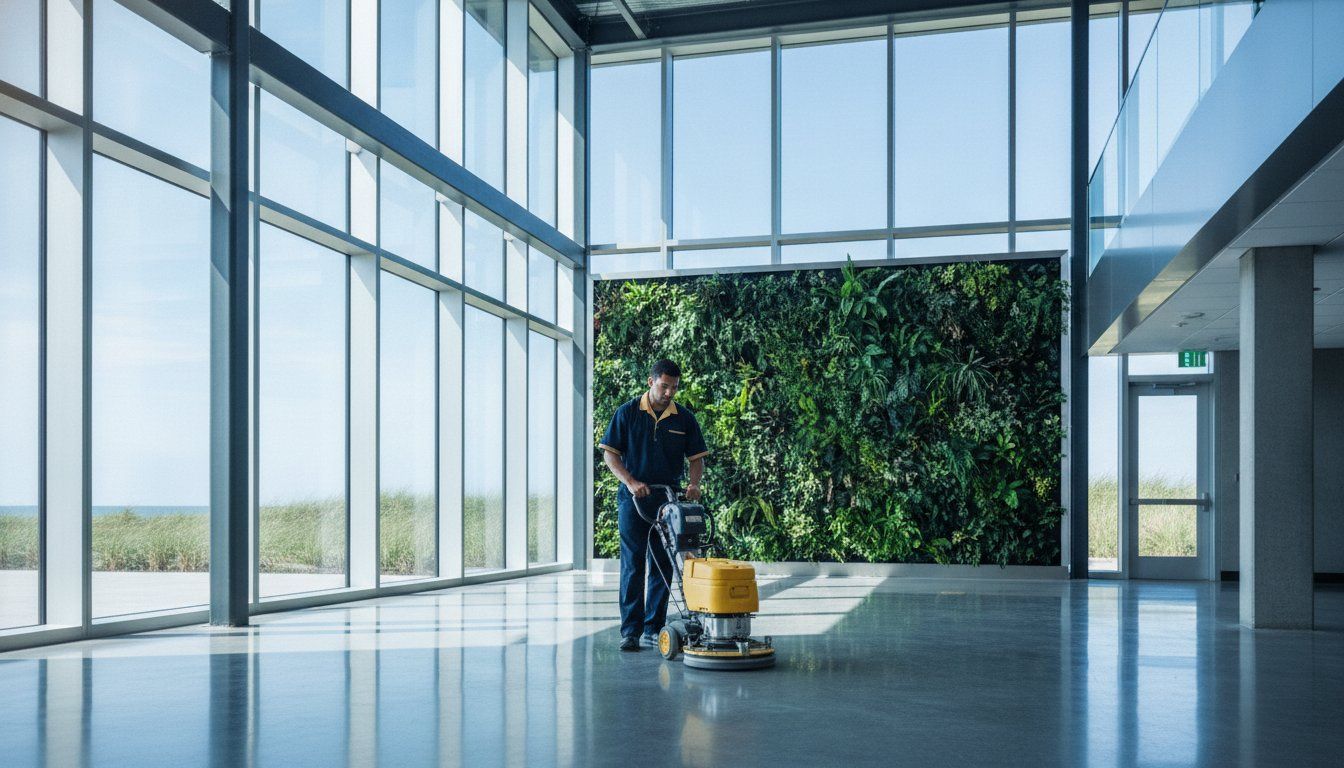
Achieving a quick construction cleanup involves strategic scheduling of high-impact tasks. Schedule specialty floor care, such as stripping and waxing, during off-hours to ensure uninterrupted productivity for finishing trades. Transitioning to a single-source provider allows for a streamlined workflow where window cleaning and medical-grade disinfection are managed under one technical protocol. This consolidated approach eliminates the friction of managing multiple vendor schedules and ensures industrial-grade results.
Common Mistakes That Delay Project Completion
Ignoring the HVAC system leads to failure during the final walkthrough. Dust trapped in vents recirculates for 14 to 21 days if it's not professionally extracted during the first pass. Using the wrong chemicals on new finishes can cause permanent damage. Specialized surfaces like quartz or industrial epoxy require specific pH-neutral cleaners to maintain their integrity. Using generic acidic cleaners on these materials can void manufacturer warranties instantly, leading to costly delays.
The Role of Professional Janitorial Partners
Reliability in the final punch list phase stems from depth of experience. Over 40 years of service on Long Island provides the technical authority to solve site-specific challenges rapidly. A strategic partnership offers access to an on-call team for emergency response, which is critical when inspection dates move up by 48 hours. Maintaining a consistent operational update ensures all stakeholders remain informed as the project nears completion. This level of precision is what defines industrial excellence in the local market.
Navigating Long Island Compliance and Disposal Standards
Executing a quick construction cleanup requires more than just removing debris; it demands strict adherence to regional mandates. Nassau and Suffolk Counties enforce specific Construction and Demolition (C&D) waste protocols that can delay project handovers if ignored. In industrial hubs like Melville and Hauppauge, strategic partnerships with local firms ensure that cleanup labor meets the high technical standards expected in high-traffic commercial zones. These partnerships focus on operational uptime by handling the logistics of waste management while the client focuses on core business activities.
In addition to waste logistics, ensuring the structural integrity and proper drainage of the site is crucial for a clean handover. Companies like Smart Sport Surfacing specialize in the essential site preparation and excavation work that lays the groundwork for a successful, debris-free project completion.
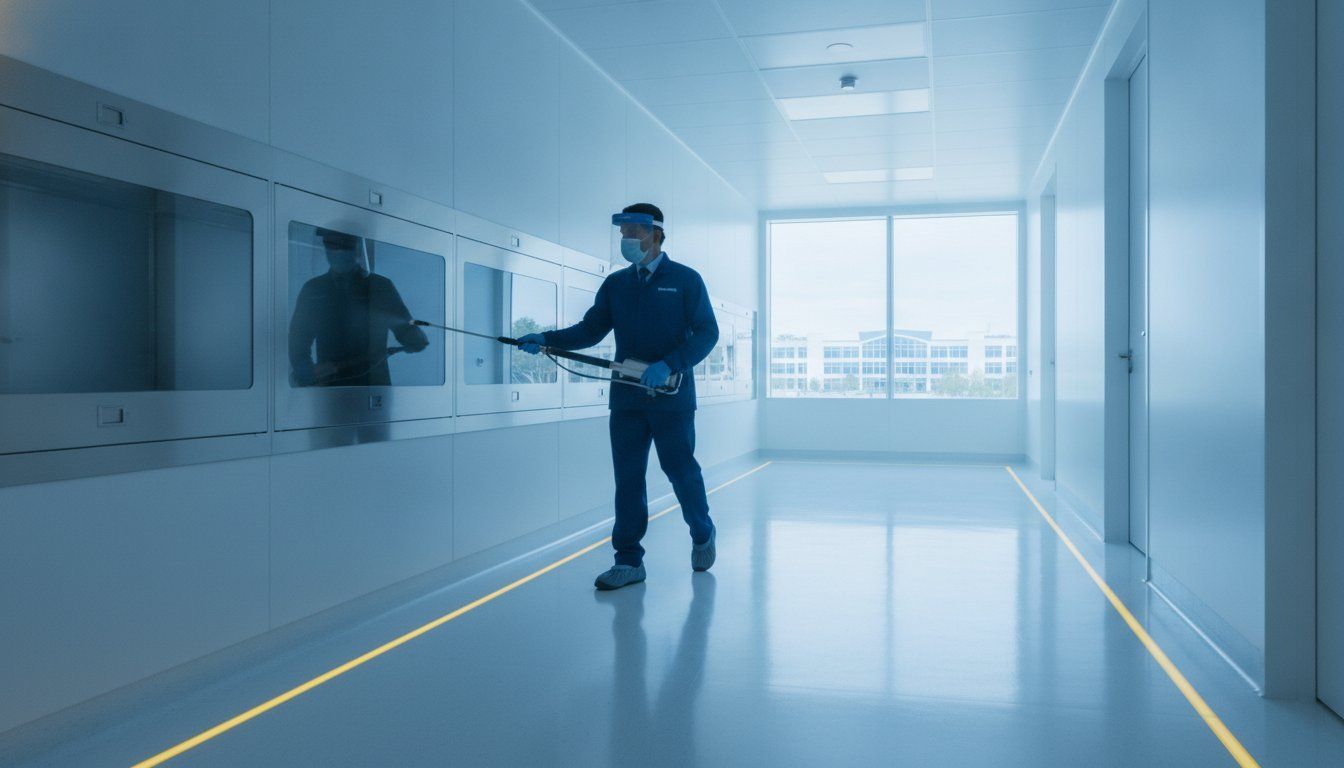
Safety protocols in New York State are particularly rigorous for post-construction air quality. In 2026, healthcare and office environments must meet specific particulate matter thresholds before occupancy is permitted. If the construction occurs within a Long Island medical facility, the process must include HIPAA-compliant cleaning protocols. This protects sensitive patient data areas and ensures that specialized filtration systems are used to maintain sterile environments. Adherence to OSHA construction site housekeeping standards ensures that debris removal doesn't just meet local codes but also satisfies federal safety requirements for industrial continuity.
Disposal Logistics in Suffolk and Nassau Counties
Proper sorting is the first line of defense against municipal penalties. You must separate recyclables from landfill waste at the source. Nassau County inspectors frequently audit C&D loads for compliance with local recycling laws. Identifying certified C&D processing facilities across Long Island is essential for environmentally responsible removal. Utilizing these specialized sites prevents the heavy fines associated with improper disposal and supports the broader goal of industrial excellence through sustainable practices.
Preparing for the Final Inspection
A professional quick construction cleanup checklist functions as a pre-inspection audit. It identifies potential red flags before building department officials conduct their walkthroughs. This proactive approach reduces the risk of failed inspections and costly rework. For ongoing updates on commercial maintenance and industrial standards in New York, businesses can monitor the Advance Industrial RSS feed. Using a systematic approach ensures your facility transitions from a construction site to a productive workspace without friction.
Secure Operational Readiness for Your Long Island Facility
Transitioning from a construction site to a functional workspace requires a systematic approach to risk mitigation and debris removal. Adhering to a 3-stage checklist ensures your facility meets Long Island's 2026 disposal standards while maintaining strict compliance with local safety regulations. Efficiency in this phase isn't just about speed; it's about using the right industrial-grade equipment to eliminate fine particulate matter that standard cleaning tools miss. This technical precision protects your infrastructure and your staff from the start of operations.
Advance Industrial brings over 40 years of Long Island experience to every project site. We utilize specialized industrial-grade HEPA filtration equipment to capture 99.97% of airborne particles, ensuring your environment meets rigorous medical and commercial facility standards. A quick construction cleanup protocol minimizes operational downtime, allowing your team to return to full productivity without delay. We function as a strategic partner, providing the technical expertise required for a seamless transition. Our team understands the high stakes of facility readiness and the necessity of uninterrupted productivity.
Request a professional post-construction cleanup quote for your Long Island facility to secure your operational uptime today. Your facility's readiness is our priority.
Frequently Asked Questions
How long does a quick construction cleanup typically take for a commercial office?
A quick construction cleanup for a standard 5,000 square foot office suite typically requires 8 to 12 labor hours to complete. This timeframe ensures the removal of drywall dust and debris while restoring operational uptime for facility personnel. For larger commercial spaces exceeding 20,000 square feet, the process often extends to a 48 hour window to accommodate specialized HEPA filtration and surface decontamination protocols. This timeline supports the uninterrupted productivity of the incoming workforce.
Is the general contractor responsible for the final post-construction cleaning?
General contractors are typically responsible for a broom-clean standard as defined in AIA Document A201, but they rarely handle the final white-glove cleaning. This baseline standard removes 90 percent of bulk debris but leaves fine particulate matter that compromises indoor air quality. Procurement professionals should verify contract language to confirm if a professional cleaning partner is required to achieve a move-in ready state. This ensures the facility meets the rigorous requirements for immediate occupancy.
What is the difference between a rough clean and a final white-glove clean?
A rough clean focuses on the removal of large scale debris and leftover materials, while a white-glove clean targets microscopic dust and 100 percent of surface smudges. Rough cleaning occurs after the framing and mechanical phases to allow for flooring installation. The white-glove phase utilizes industrial grade vacuums and specialized solvents to ensure every fixture meets the 2026 Long Island commercial building codes for occupancy. This engineered approach ensures industrial excellence and safety for all occupants.
Can we use our regular janitorial staff for post-construction cleanup?
Standard janitorial teams often lack the heavy duty MRO supplies and specialized PPE required for a quick construction cleanup. Construction sites contain hazardous silica dust and chemical residues that require HEPA rated equipment and industrial strength neutralizers. Utilizing untrained staff can lead to a 30 percent increase in equipment wear and potential OSHA violations. A strategic partnership with industrial cleaning specialists, or specialized maintenance providers like Ms. Hydraulics LLC, ensures long term facility durability and immediate operational readiness for your business.