Medical Facility Cleaning in Long Island: Essential Standards for Healthcare Safety
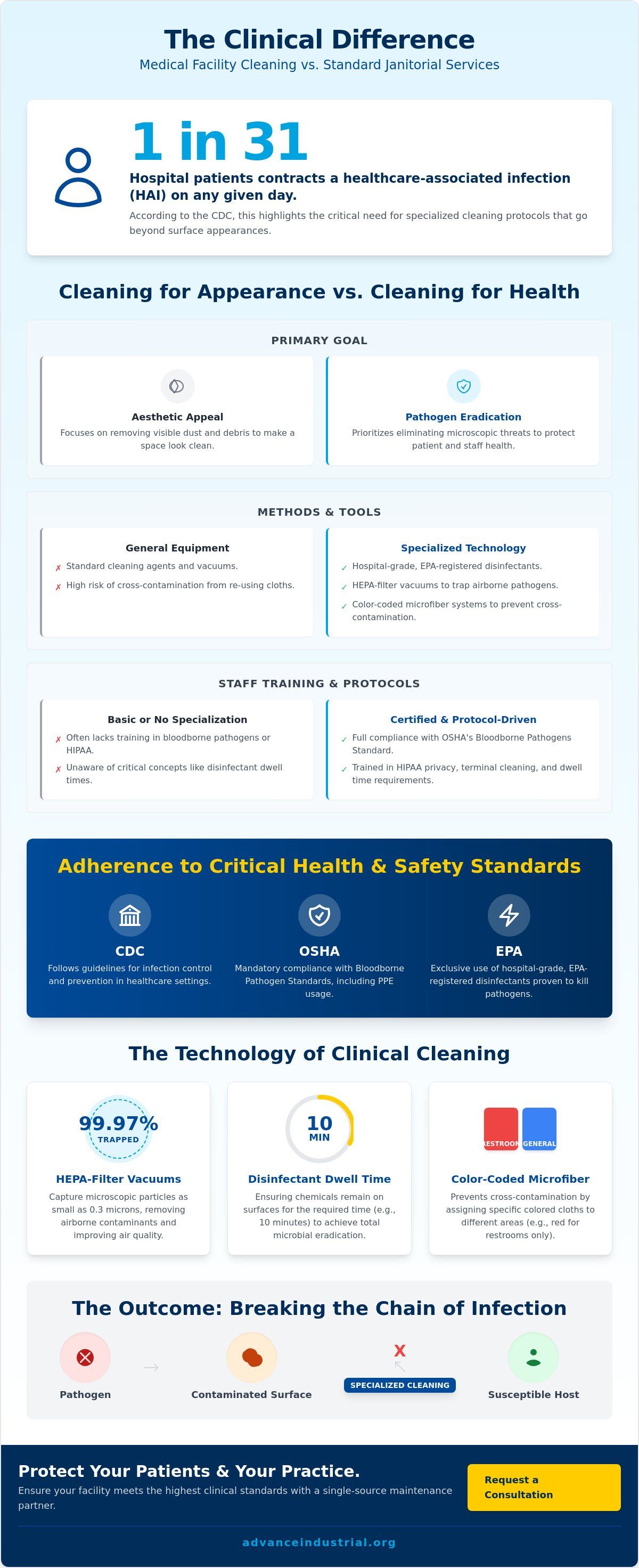
Did you know that 1 in 31 hospital patients on any given day contracts at least one healthcare-associated infection according to CDC data? In Long Island, maintaining clinical standards isn't just about aesthetics; it's a matter of regulatory compliance and patient safety. You understand that a clean waiting room is the first step in building patient trust, yet inconsistent results from standard janitorial services often leave facilities vulnerable to OSHA audits and HIPAA concerns. This article explains the critical technical differences between general maintenance and specialized medical facility cleaning.
We'll show you how to implement a sanitation strategy that eliminates pathogens and protects your facility from the risk of cross-contamination. You'll gain a clear roadmap for achieving a pathogen-free environment that passes every inspection with precision. By the end of this guide, you'll see why a single-source maintenance partner is essential for stabilizing your facility operations and improving long-term patient satisfaction scores. We'll examine the specific protocols required to maintain high-traffic clinical spaces while ensuring total operational uptime.
Key Takeaways
- Distinguish between aesthetic janitorial work and protocol-driven medical facility cleaning designed to eradicate pathogens and prioritize clinical health.
- Ensure full regulatory compliance by adhering to the rigorous standards established by the CDC, OSHA, and the EPA for healthcare environments.
- Implement the use of hospital-grade, EPA-registered disinfectants with precise dwell times to maintain sterile and safe clinical areas.
- Transition to a strategic partnership with a single-source provider to streamline maintenance across floor care, window washing, and office spaces.
- Develop a customized cleaning schedule that focuses on high-touch surfaces to enhance operational efficiency and mitigate cross-contamination risks.
What is Medical Facility Cleaning vs. Standard Commercial Cleaning?
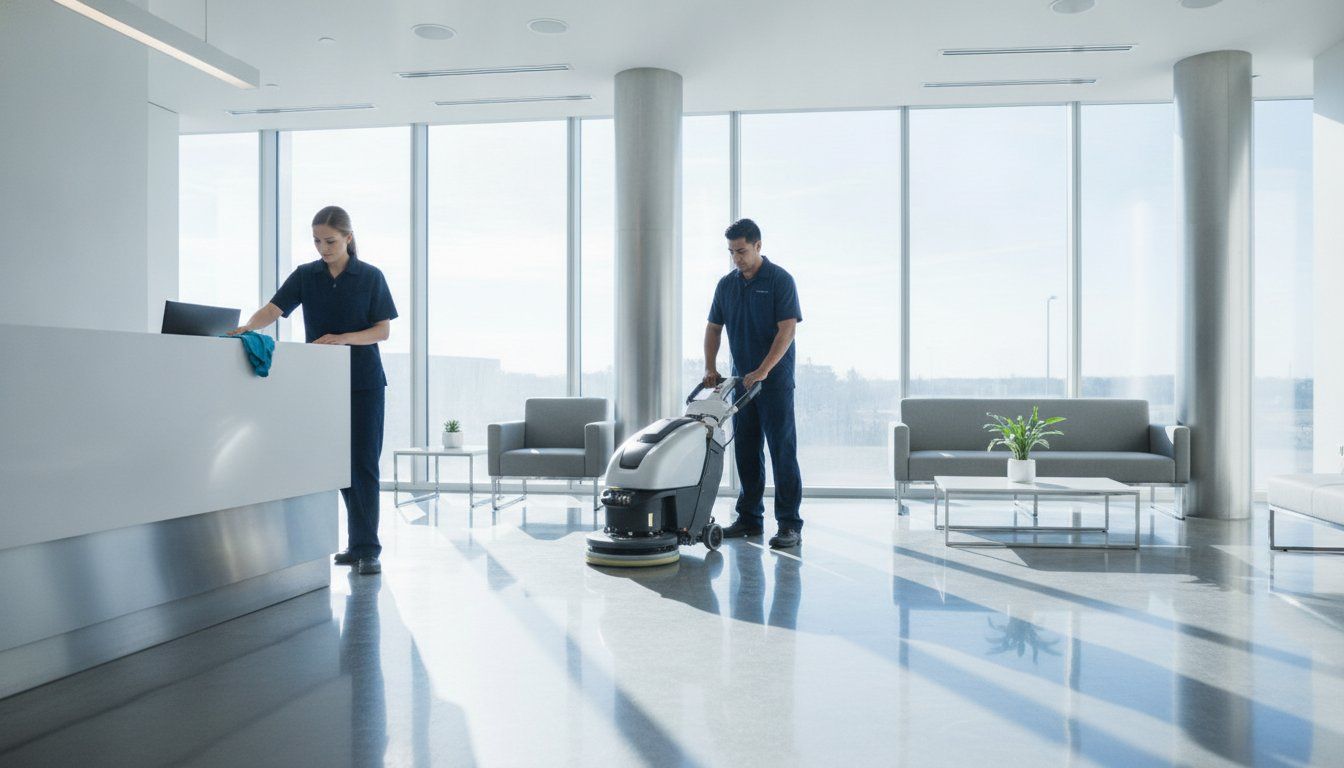
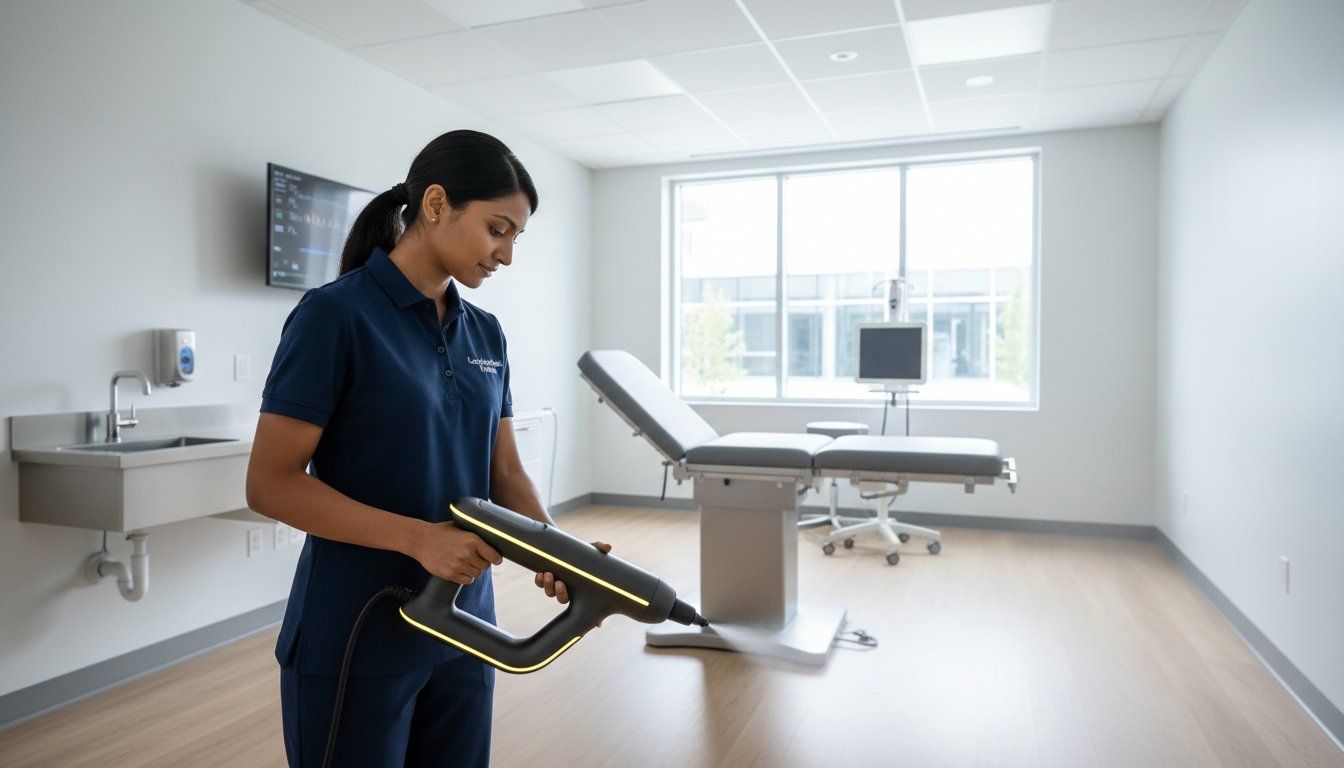
Professional medical facility cleaning differs from standard commercial janitorial work by prioritizing pathogen eradication over visual appeal. Standard services focus on cleaning for appearance, which involves removing visible soil, dust, and debris from office environments. In contrast, healthcare environments require a protocol-driven approach known as cleaning for health. This strategy prioritizes high-touch surfaces and clinical areas to eliminate microscopic threats that traditional dusting cannot address.
For Long Island clinics, the stakes of these protocols involve both patient safety and regulatory standing. The New York State Department of Health (NYSDOH) enforces strict sanitary codes to protect the 7.6 million residents across the region. Maintaining these standards isn't just about aesthetics; it's a technical requirement for operational uptime and facility accreditation. Precision in medical facility cleaning ensures that a clinic remains a safe environment for both immunocompromised patients and healthcare staff.
The Role of Pathogen Control in Healthcare Environments
Cross-contamination occurs when pathogens move from waiting room chairs to exam tables via hands or equipment. Professional teams target specific threats like Methicillin-resistant Staphylococcus aureus (MRSA) and Norovirus, which can survive on hard surfaces for days or weeks. Implementing Terminal cleaning procedures ensures that every surface is decontaminated after patient discharge to prevent transmission. The chain of infection is a series of events that allows a pathogen to spread from a reservoir to a susceptible host, and professional cleaning breaks this cycle by removing the reservoir entirely.
Why General Janitorial Services Often Fall Short
Standard crews often lack the specialized training required for high-risk environments. Using the same microfiber cloth in a restroom and an exam room creates a direct path for cross-contamination. Most general janitorial staff aren't trained in OSHA bloodborne pathogen standards or the specific dwell times required for hospital-grade disinfectants. According to the CDC, roughly 648,000 patients develop healthcare-associated infections annually in U.S. hospitals. Relying on untrained personnel increases these risks significantly.
Critical Standards for Medical Facility Cleaning in Nassau and Suffolk County
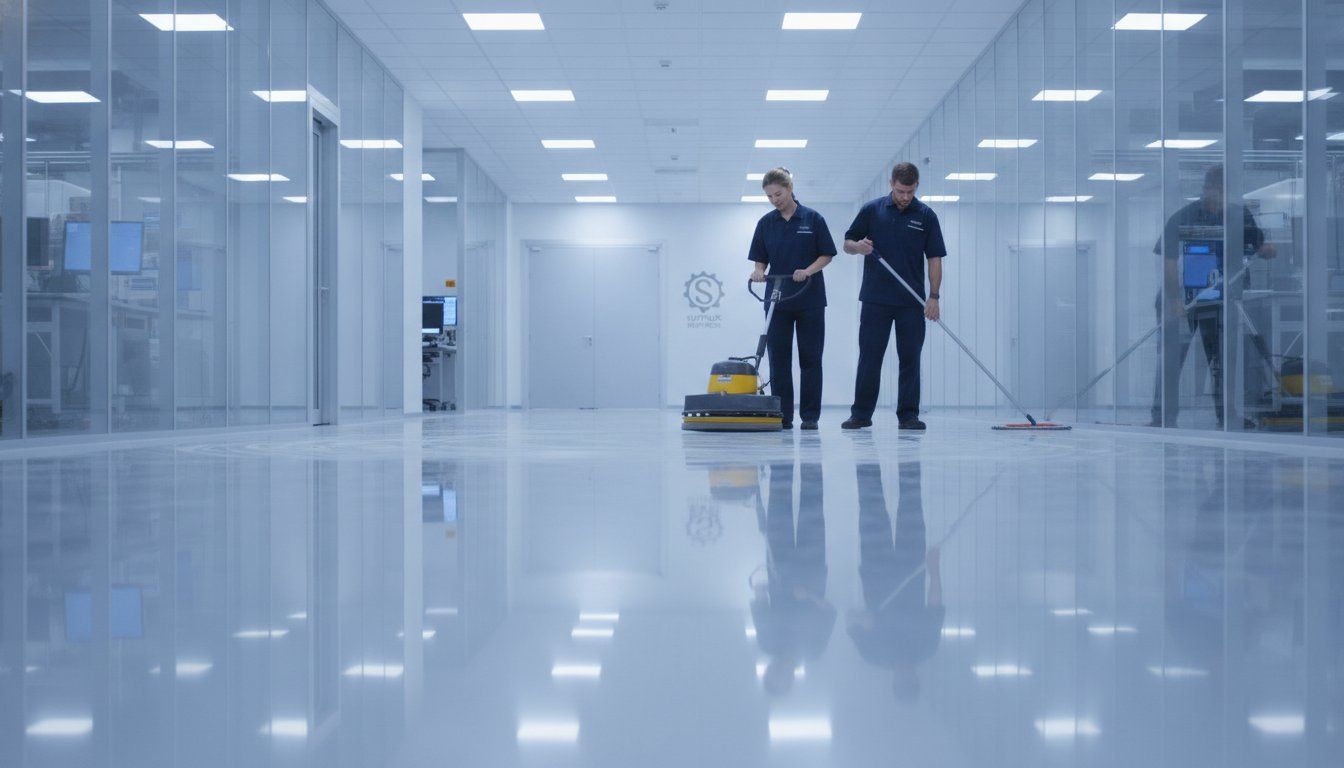
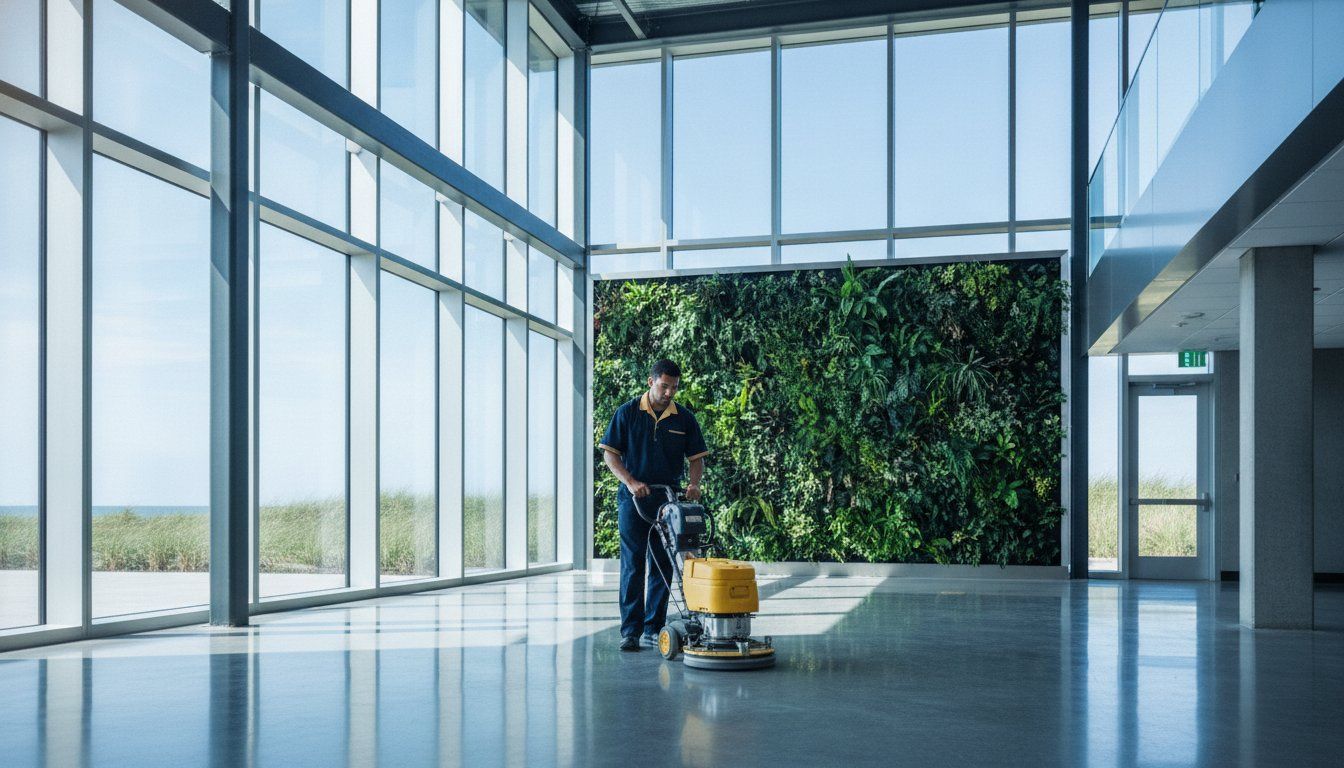
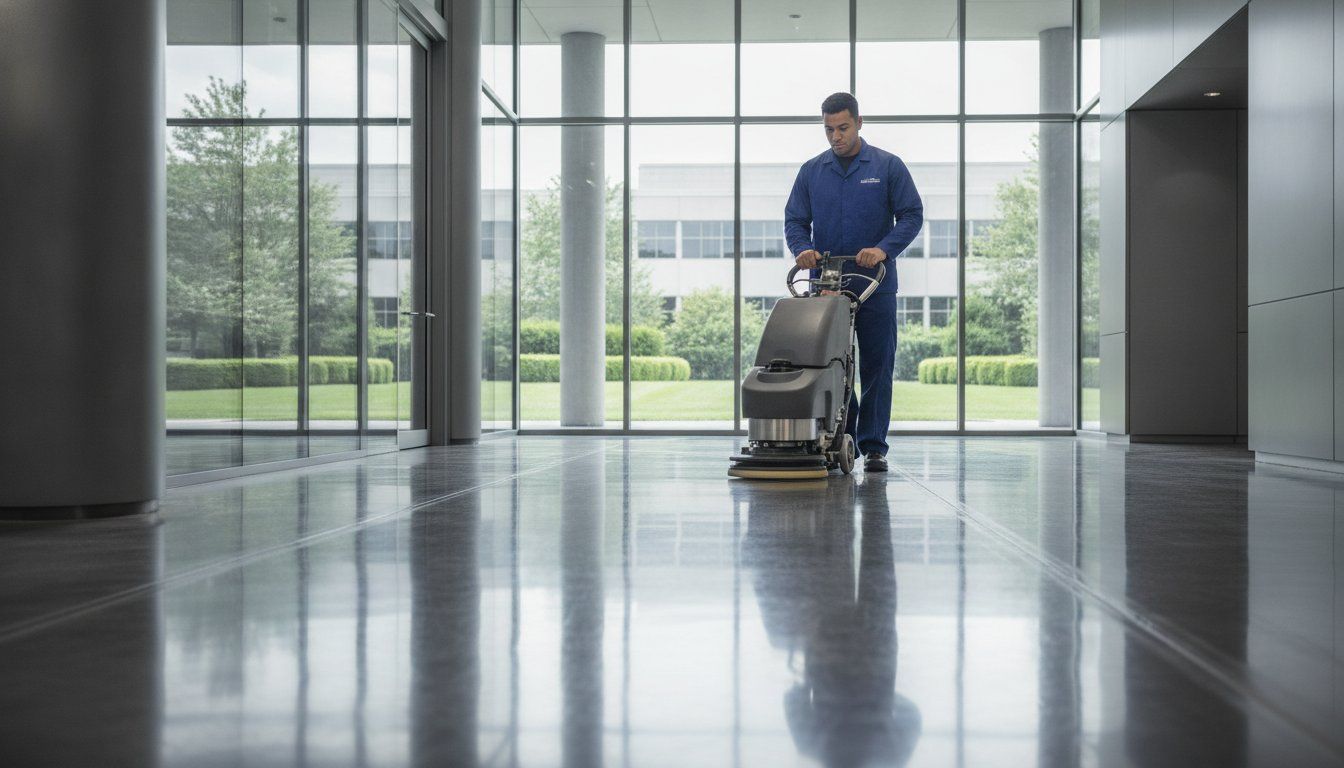
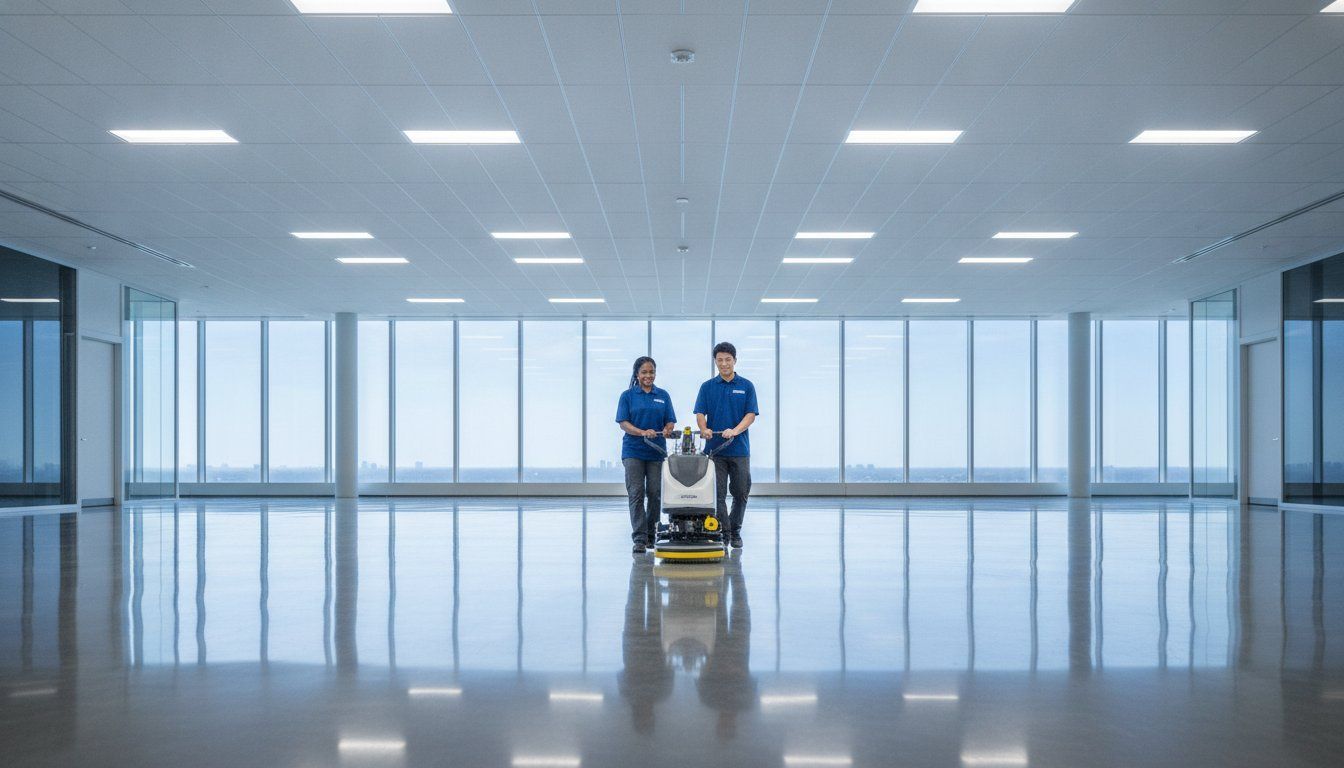
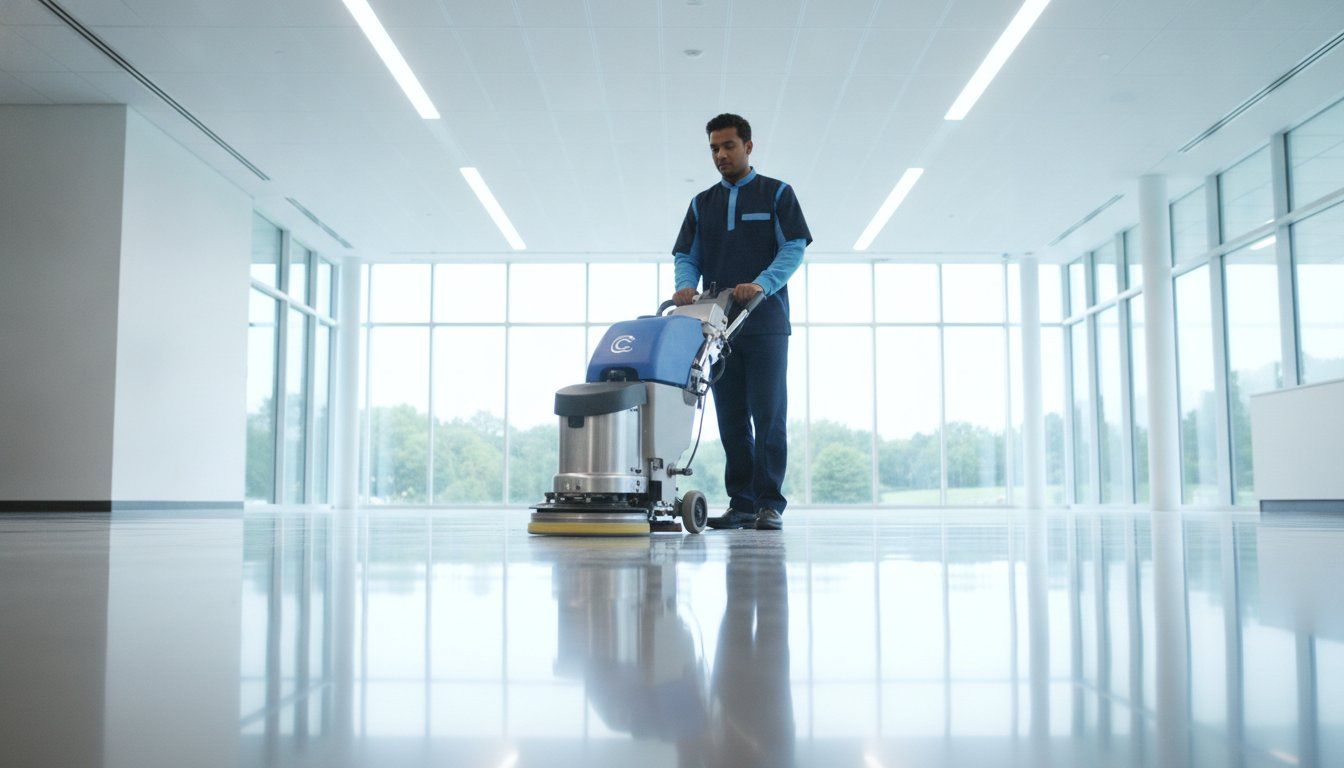
Effective medical facility cleaning in Nassau and Suffolk County demands rigorous adherence to CDC, OSHA, and EPA protocols. We utilize hospital-grade, EPA-registered disinfectants specifically engineered to eliminate high-risk pathogens. These chemicals require precise dwell times; many solutions must remain wet on a surface for 10 minutes to ensure total microbial eradication. Maintaining these standards protects patients and staff while ensuring facility longevity. Our crews undergo HIPAA training to ensure patient privacy remains uncompromised during sanitation cycles. Beyond surface disinfection, floor maintenance serves as a critical barrier. Regular stripping and waxing removes microscopic cracks in porous surfaces that otherwise act as reservoirs for bacteria.
Bloodborne Pathogen Standard and OSHA Compliance
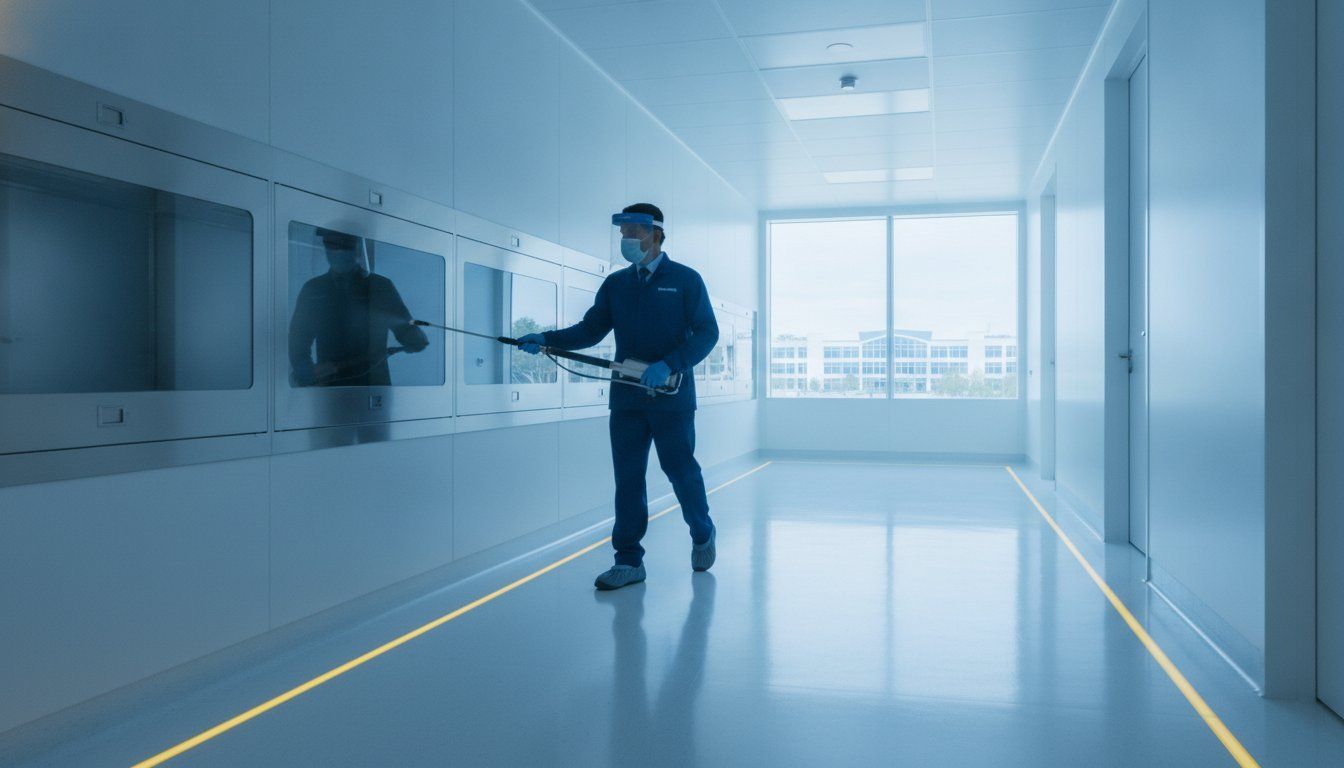
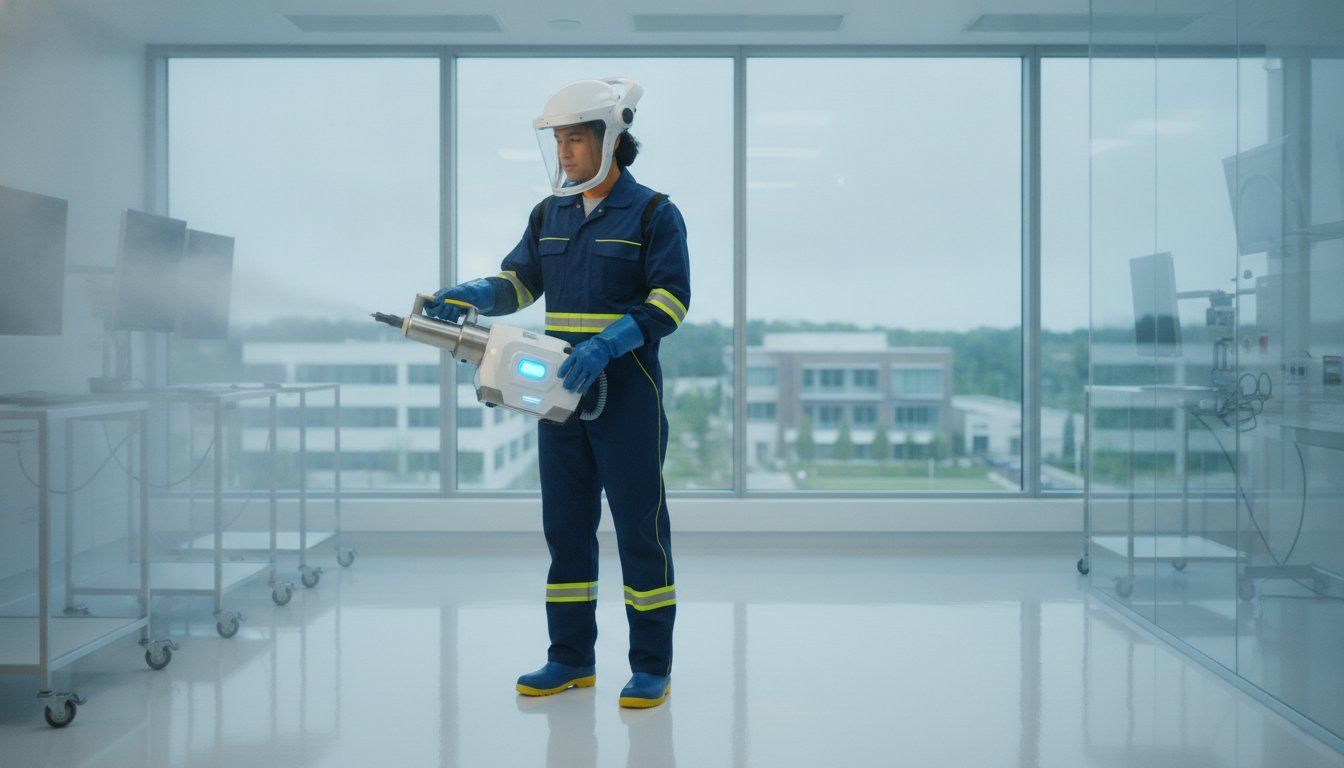
Compliance with OSHA's Bloodborne Pathogens Standard is a legal mandate for all cleaning personnel. Technicians must be trained to handle biohazardous materials, including blood and bodily fluids, to prevent workplace exposure. This includes the mandatory use of specialized PPE such as nitrile gloves, gowns, and face shields. Advance Industrial Maintenance has provided this level of 40-year compliance for Long Island healthcare providers, ensuring every technician is fully certified and equipped. This technical expertise minimizes liability for facility managers and supports a safer environment for care. Our integrated approach to medical facility cleaning prioritizes reliability and technical authority above all else.
The Importance of Advanced Equipment: HEPA and Microfiber
Air quality and cross-contamination prevention require specialized tools. HEPA-filter vacuums are essential in clinical environments because they trap 99.97% of particles as small as 0.3 microns. We also implement a color-coded microfiber system to maintain strict sanitation boundaries. Red cloths never leave the restroom; blue cloths are reserved for general surfaces. This protocol eliminates the risk of transferring pathogens between departments. For more detailed insights on maintaining these standards, review our Commercial Sanitizing Services in Suffolk & Nassau County: 2026 Comparison Guide. Our goal is to serve as a single-source provider that supports your facility's operational uptime.
Implementing a Strategic Partnership for Long Island Facility Maintenance
Moving from a standard vendor to a strategic partner requires shifting from a transactional mindset to an integrated operational approach. Medical facility cleaning isn't a one-size-fits-all service; it demands a customized schedule that aligns with patient volumes and surgical rotations. By utilizing a single-source provider for office cleaning, specialized floor care, and window washing, facility managers reduce administrative overhead and ensure a unified standard of hygiene across the entire building. This integrated supply chain approach minimizes the friction of managing multiple contracts and ensures consistent industrial excellence.
Consistent sanitation directly impacts patient satisfaction and clinical outcomes. Research from the Hospital Consumer Assessment of Healthcare Providers and Systems (HCAHPS) shows that facility cleanliness is a primary driver for "Positive Impressions" scores. Patients frequently correlate visible cleanliness with the quality of clinical care they receive. Transitioning to a medical-grade specialist involves a clear roadmap:
- Site Assessment: A comprehensive audit of high-touch zones and clinical requirements.
- Protocol Customization: Deployment of EPA-registered disinfectants tailored to specific pathogens.
- Performance Monitoring: The establishment of a rigorous quality control loop to maintain standards.
Customizing Your Cleaning Plan for Operational Uptime
Long Island medical facilities often operate on a 24/7 basis, leaving narrow windows for intensive maintenance. Successful partnerships balance high-level disinfection with uninterrupted productivity. We use regular facility audits to identify high-traffic zones that require increased frequency. Transparent communication ensures that cleaning teams respond to the real-time needs of the clinical staff. This ensures that the facility maintains 100% operational uptime without compromising safety protocols or patient comfort.
Evaluating Local Expertise in Suffolk and Nassau Counties
Experience matters when navigating the strict industrial standards of New York. With 40+ years of local expertise in Suffolk and Nassau Counties, our team understands the high stakes of healthcare environments. Our professional staff undergoes specific training to meet the technical demands of medical facility cleaning. This reliability ensures that your facility remains compliant with state regulations and safe for every visitor. You can Partner with Advance Industrial for your medical facility cleaning needs to secure your facility's operational future.
Strengthen Your Facility’s Safety Infrastructure
Maintaining compliance with Nassau and Suffolk County healthcare standards requires more than surface-level maintenance. It demands a specialized approach that prioritizes patient safety and operational uptime. Effective medical facility cleaning serves as a critical barrier against cross-contamination and regulatory failures. By transitioning from standard commercial services to a technical partnership, you ensure your environment meets the most rigorous clinical requirements.
Advance Industrial leverages 40 years of industrial maintenance experience across New York to deliver precision results. Our teams utilize specialized training in bloodborne pathogen protocols to mitigate risks that others might overlook. We operate as a single-source provider for your cleaning, floors, and windows; this streamlines your facility management and reduces administrative overhead. This integrated approach ensures your facility remains a safe, high-performance environment for both staff and patients.
Reliable maintenance is the backbone of healthcare excellence. Request a Professional Consultation for Your Long Island Medical Facility today to secure your facility's long-term success.
Frequently Asked Questions
What is the difference between sanitizing and disinfecting in a medical setting?
Sanitizing reduces the number of bacteria on surfaces to levels considered safe by public health standards, typically achieving a 99.9% reduction. Disinfecting uses EPA-registered chemicals to eliminate 99.999% of pathogens, including viruses like influenza and SARS-CoV-2. For high-traffic medical facility cleaning, technicians apply disinfectants with specific dwell times ranging from 3 to 10 minutes. This technical distinction ensures clinical environments maintain the rigorous standards required for patient safety and operational uptime.
How often should a medical office in Long Island be professionally cleaned?
Medical offices in Long Island require professional cleaning at least once every 24-hour cycle to meet CDC standards for clinical environments. High-volume facilities often schedule 2 daily shifts to manage biohazard removal and surface decontamination. Establishing a standardized maintenance schedule prevents the accumulation of healthcare-associated infections. Strategic partnerships with cleaning providers ensure that 100% of high-touch zones, such as waiting room chairs and door handles, undergo rigorous daily disinfection.
Does my medical cleaning company need to be HIPAA compliant?
Cleaning companies must maintain HIPAA compliance because their staff has potential access to areas containing Protected Health Information. Under 45 CFR Part 160, these providers function as business associates and must sign a formal Business Associate Agreement. This legal framework ensures that 100% of onsite personnel receive training on privacy protocols. Technical excellence in medical facility cleaning includes securing physical documents and maintaining data integrity while performing sanitation tasks throughout the facility.
What should I look for when hiring a healthcare cleaning service in Suffolk County?
Procurement managers in Suffolk County should prioritize providers that demonstrate 100% compliance with the OSHA Bloodborne Pathogen Standard, specifically 29 CFR 1910.1030. Look for a partner that utilizes hospital-grade equipment and has a documented history of maintaining operational uptime for local clinics. A reliable provider acts as a single-source solution, offering comprehensive services from terminal cleaning to floor maintenance. Verify that the company holds current liability insurance and provides a 24-hour emergency response protocol.