Construction Cleanup in Nassau County: The Professional’s Guide to Site Handover
Why do many Nassau County commercial developments fail their final walkthrough despite being finished for weeks? You understand that the final phase of any build is often the most volatile. Delays in occupancy due to leftover dust or debris aren't just inconvenient; they're expensive. Relying on residential-grade cleaners for an industrial-scale site often leads to inconsistent results and safety hazards that stall your handover.
This guide outlines a technical, multi-phase approach to construction cleanup Nassau County projects require to meet strict occupancy standards. We'll examine how to maintain compliance with 2026 OSHA standards and Town of Hempstead operational hours while ensuring your site is 100% ready for tenant walkthroughs. By prioritizing technical precision over simple tidying, you can bridge the gap between building completion and long-term operational success. We provide the essential infrastructure and expertise required for ongoing industrial stability.
Key Takeaways
- Master the technical distinctions between rough and final cleaning phases to ensure every surface meets strict occupancy standards before the final walkthrough.
- Implement high-level safety protocols using HEPA-filtered vacuums and OSHA-compliant dust management to protect indoor air quality and future tenants.
- Streamline your project timeline by utilizing professional construction cleanup Nassau County services that specialize in industrial-scale site handovers.
- Establish a strategic maintenance partnership to transition seamlessly from one-time post-construction cleanup to long-term facility janitorial support.
Table of Contents
The Three-Phase Framework for Professional Construction Cleanup
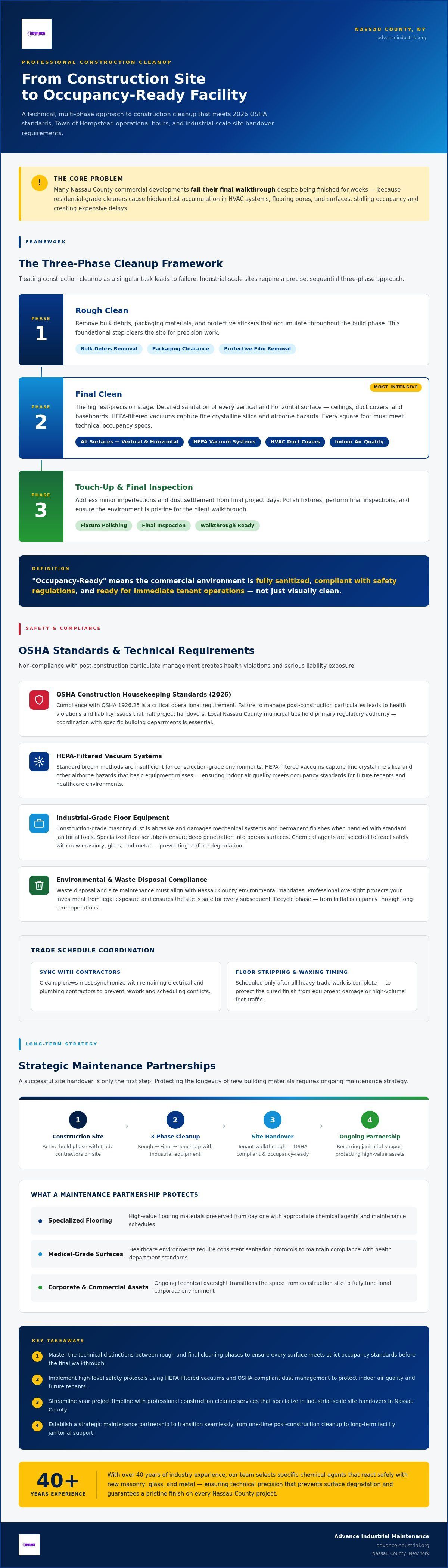
A successful site handover depends on a structured, technical sequence. Treating construction cleanup Nassau County as a singular task often results in hidden dust accumulation within HVAC systems and flooring pores. Instead, we implement a three-phase framework designed for industrial-scale efficiency and long-term facility stability.
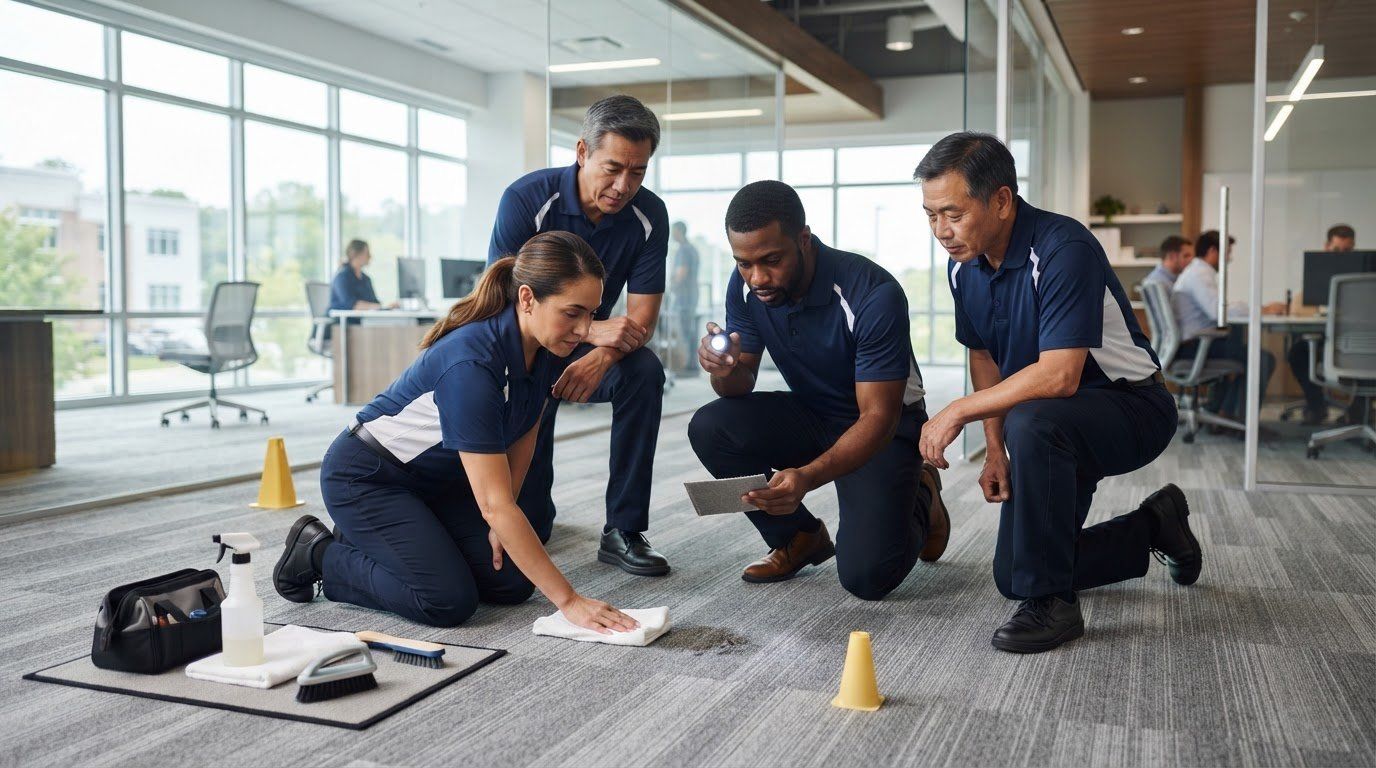
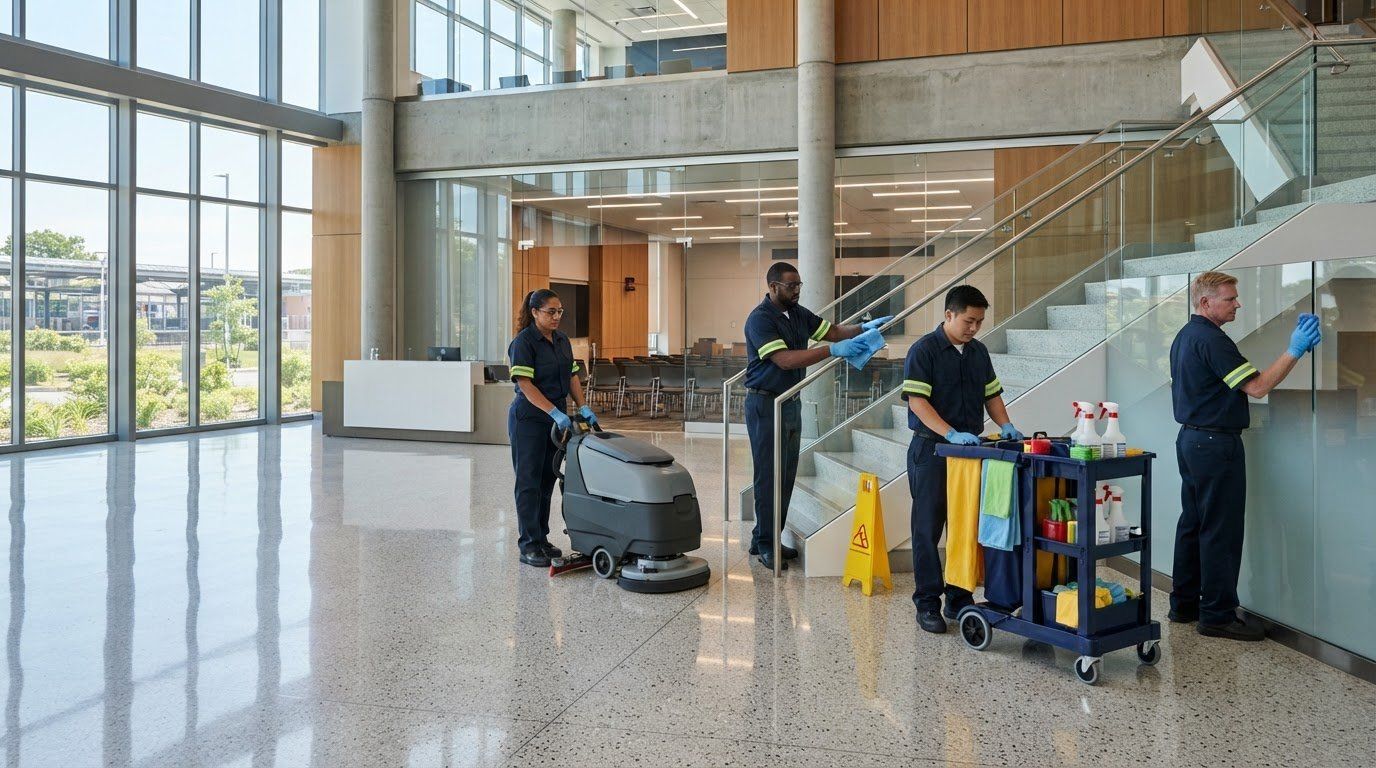
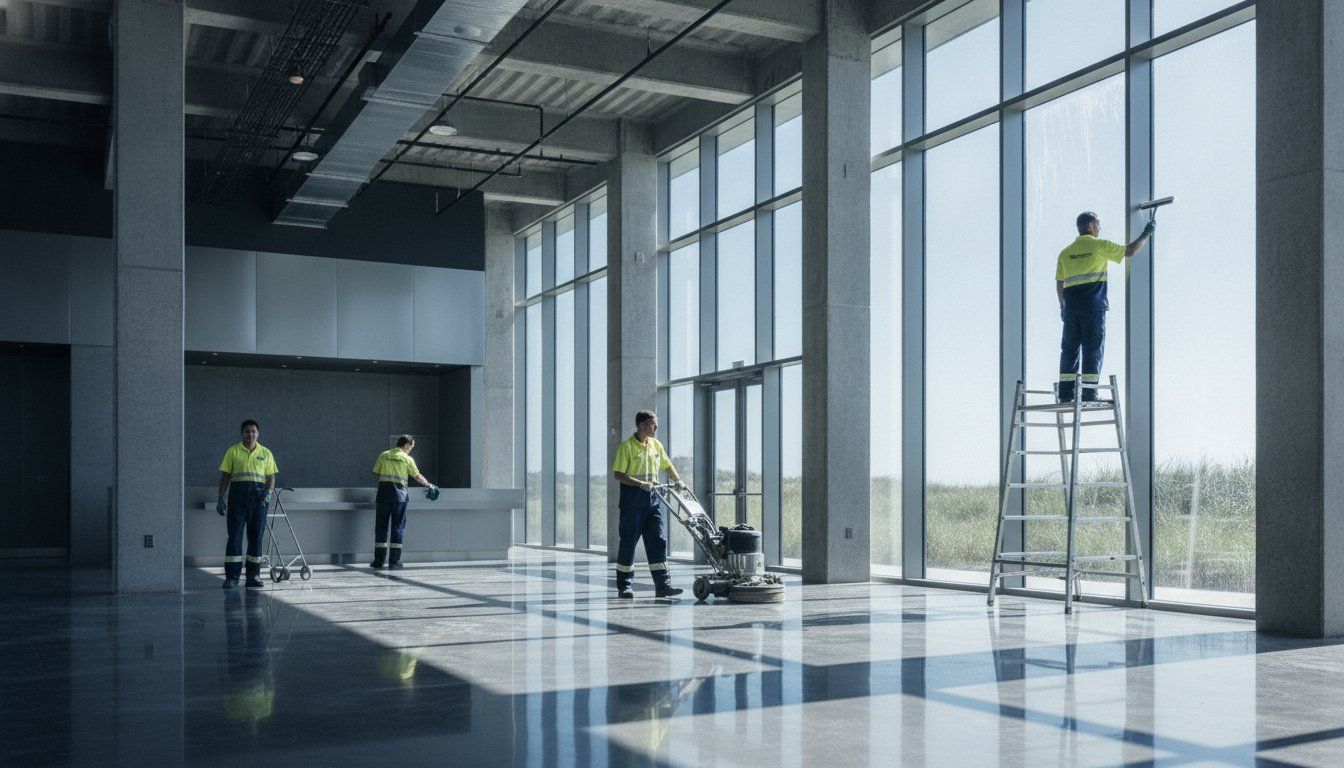
The process begins with the Rough Clean , where teams remove bulk debris, packaging, and protective stickers that accumulate during the build. Once these materials are cleared, we transition to the Final Clean . This high-precision phase involves detailed sanitation of all vertical and horizontal surfaces, including ceilings, duct covers, and baseboards. It's the most intensive stage of construction cleanup Nassau County , ensuring every square foot meets technical specs. Adhering to these construction site safety principles ensures that hazardous particulates are fully mitigated before building occupants arrive.
Finally, the Touch-Up phase addresses minor imperfections and dust settlement that may occur during the final days of the project. This stage involves polishing fixtures and performing final inspections to ensure the environment is pristine for the client walkthrough.
Coordinating Cleanup with Trade Schedules
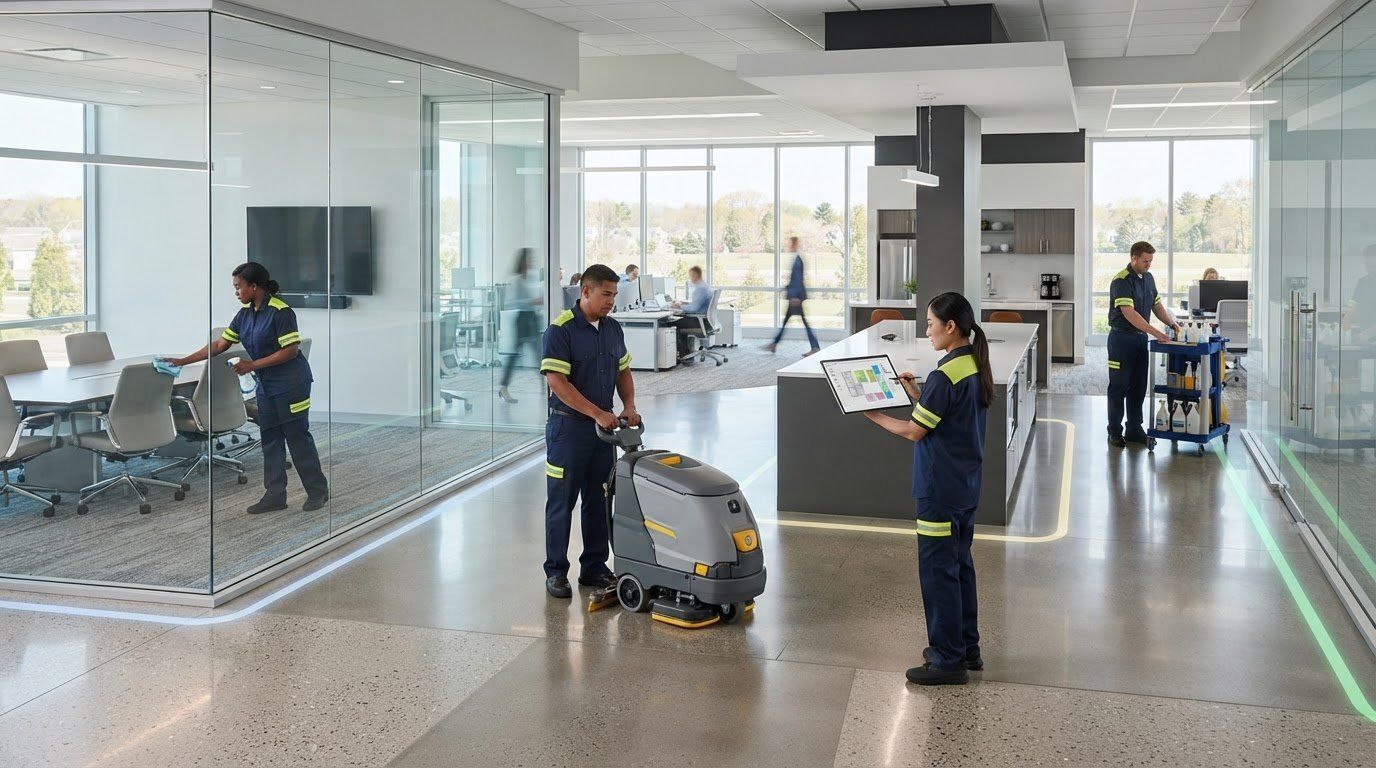
Integration is paramount for operational continuity. Cleanup crews must synchronize their efforts with remaining electrical or plumbing contractors to prevent rework. Occupancy-ready is the standard where a commercial environment is fully sanitized, compliant with safety regulations, and ready for immediate tenant operations. For projects requiring floor stripping and waxing, timing is critical. These services are scheduled after all heavy trade work is complete to protect the cured finish from equipment damage or high-volume foot traffic. This coordination ensures a seamless transition from a construction site to a functional corporate asset.
Safety Standards and Technical Requirements in Nassau County
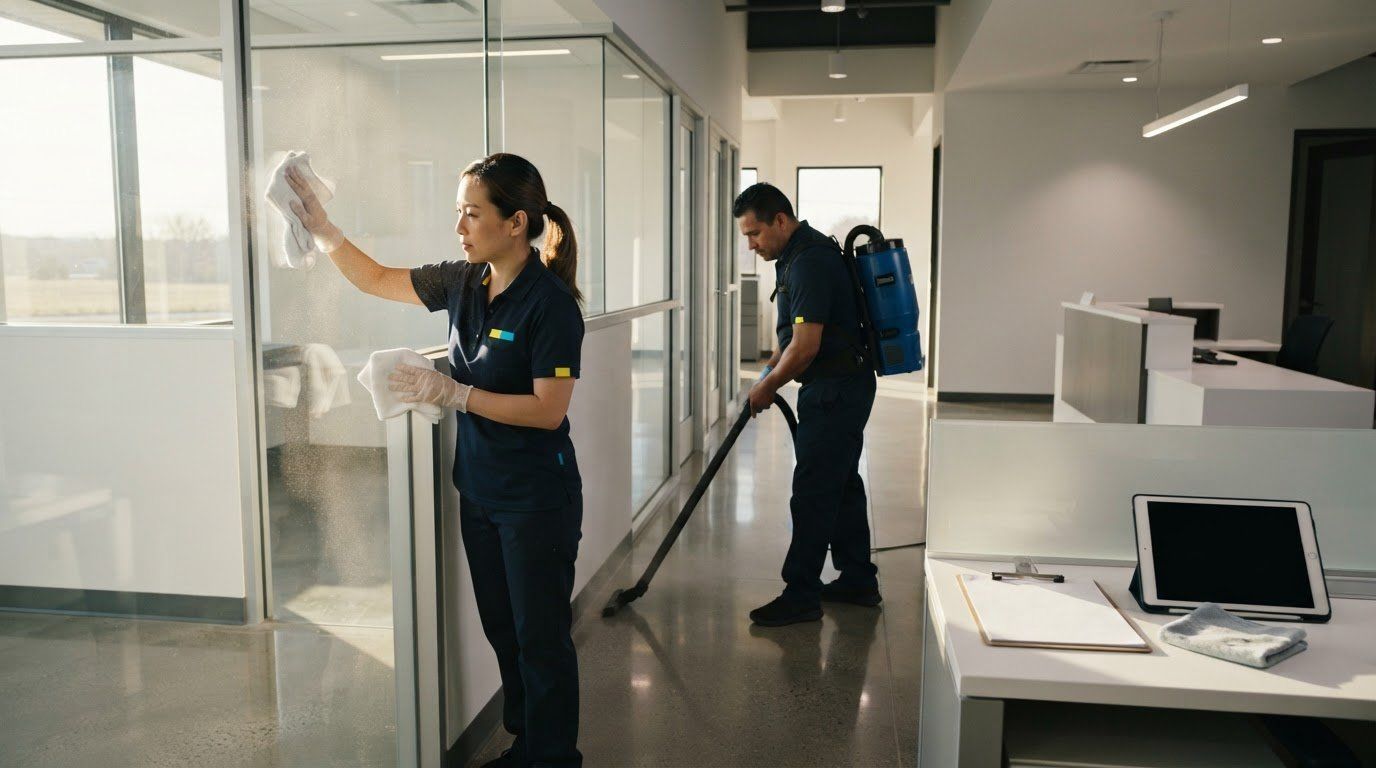
Maintaining compliance with OSHA's construction housekeeping standards is a critical operational requirement for developers. Failure to manage post-construction particulates can lead to serious health violations and liability issues. For effective construction cleanup Nassau County projects require technical dust management that exceeds basic broom methods. We utilize HEPA-filtered vacuums to capture fine crystalline silica and other airborne hazards, ensuring indoor air quality meets occupancy standards for future tenants.
Managing liability involves more than debris removal; it requires professional-grade floor care and a deep understanding of localized safety regulations. Since local municipalities in Nassau County often hold primary regulatory authority, coordination with specific building departments is essential to avoid project stalls. Professional oversight ensures that waste disposal and site maintenance align with environmental mandates, protecting your investment from legal exposure. It's about ensuring the site is safe for the next phase of its lifecycle.
Industrial Equipment for High-Stakes Environments
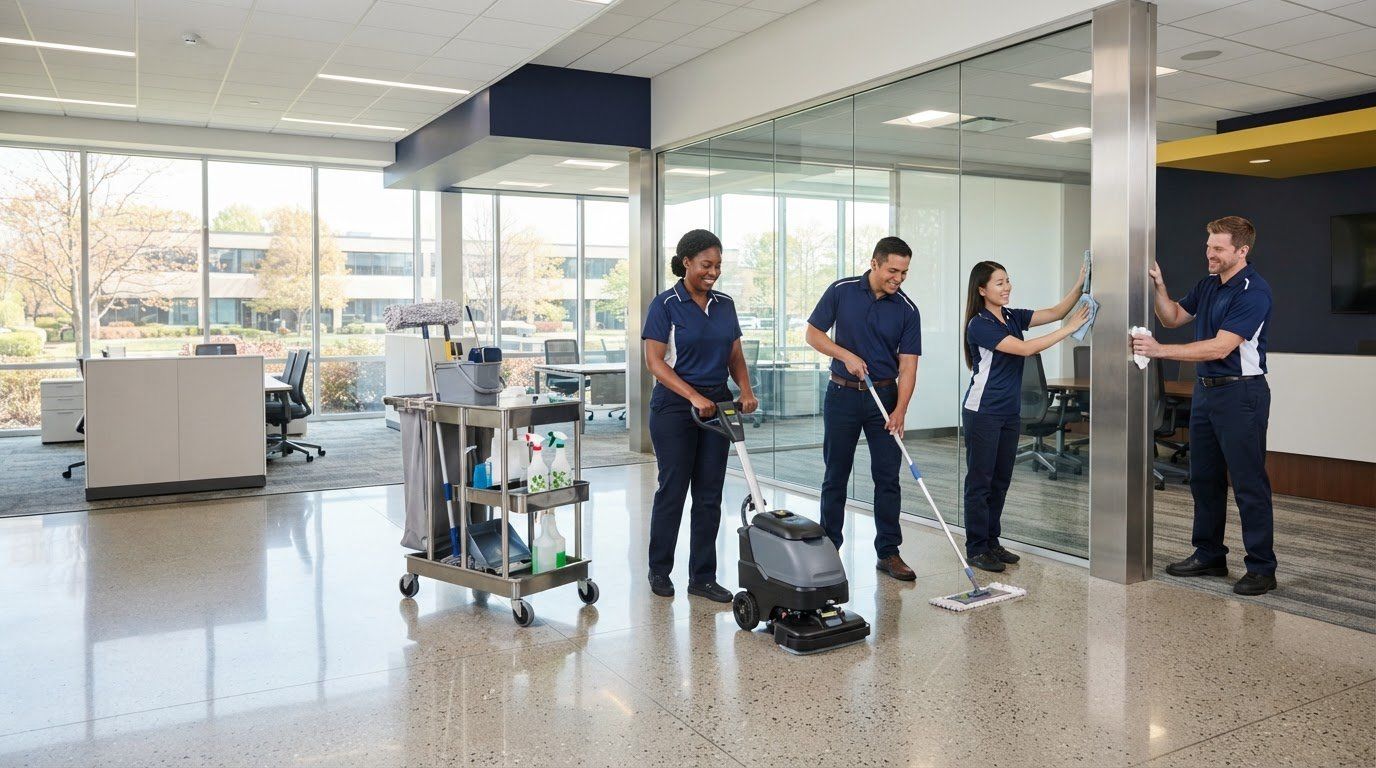
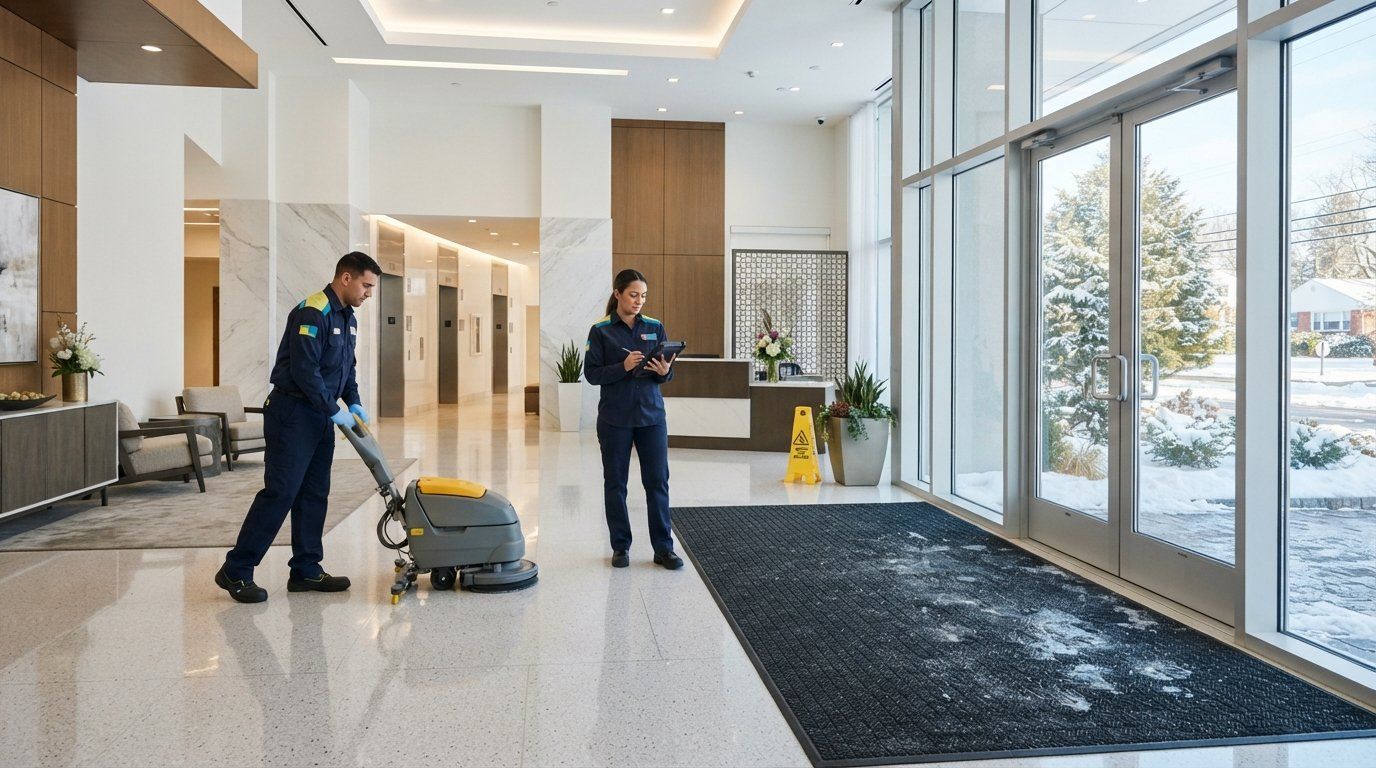
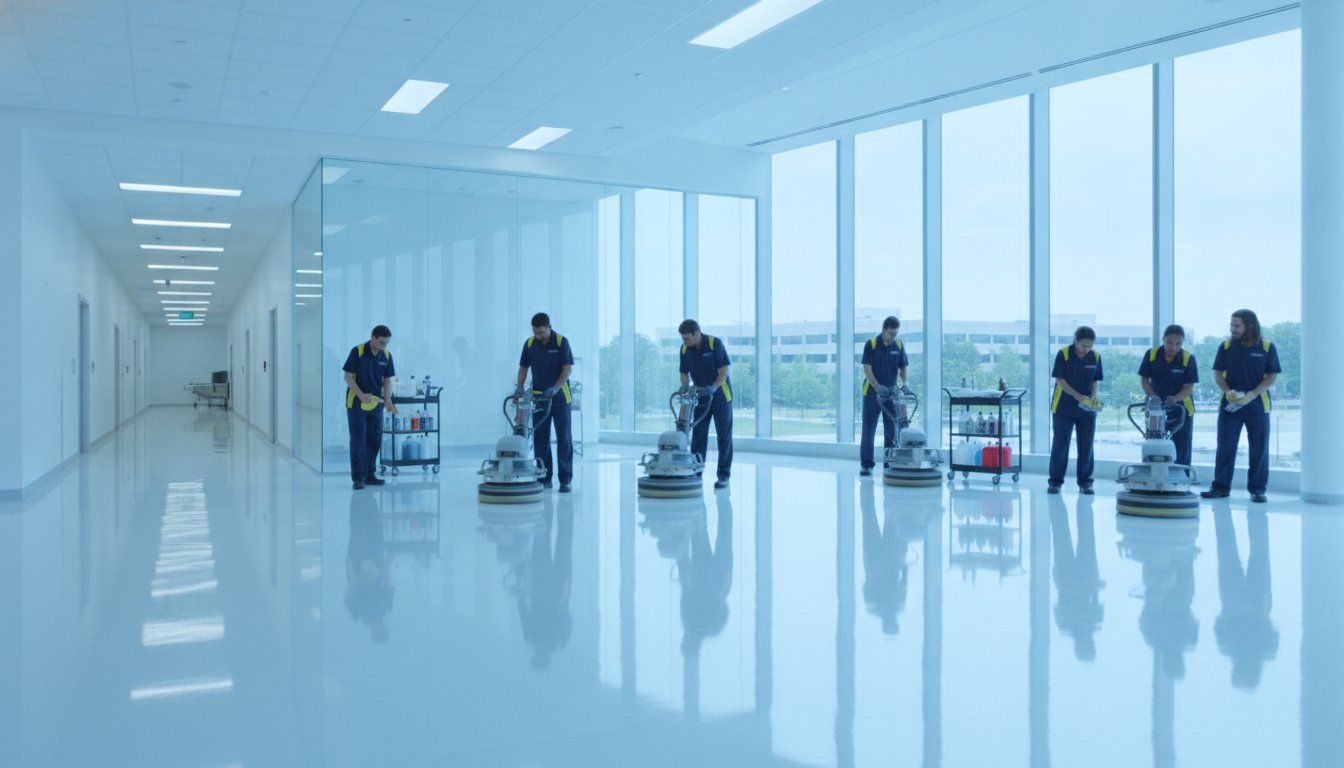
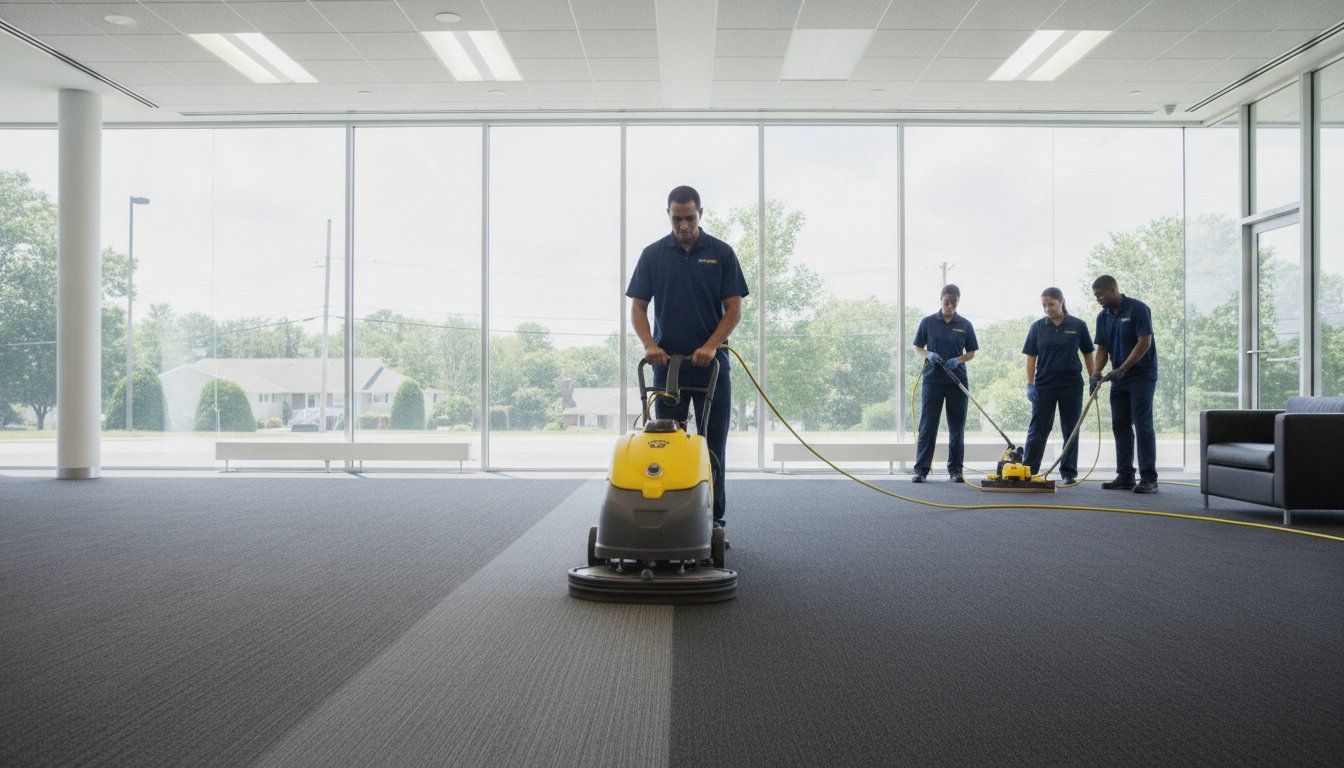
Standard janitorial tools consistently fail when facing construction-grade masonry dust. This abrasive material can damage mechanical systems and permanent finishes if not handled with industrial equipment. We deploy specialized floor scrubbers to prepare large commercial footprints, ensuring deep penetration into porous surfaces. With over 40 years of industry experience, our team selects specific chemical agents that react safely with new masonry, glass, and metal. This technical precision prevents surface degradation and guarantees a pristine finish. If you need a seasoned partner for your next site handover, consider our post-construction cleanup solutions to ensure long-term operational stability.
Strategic Maintenance Partnerships for Nassau County Developers
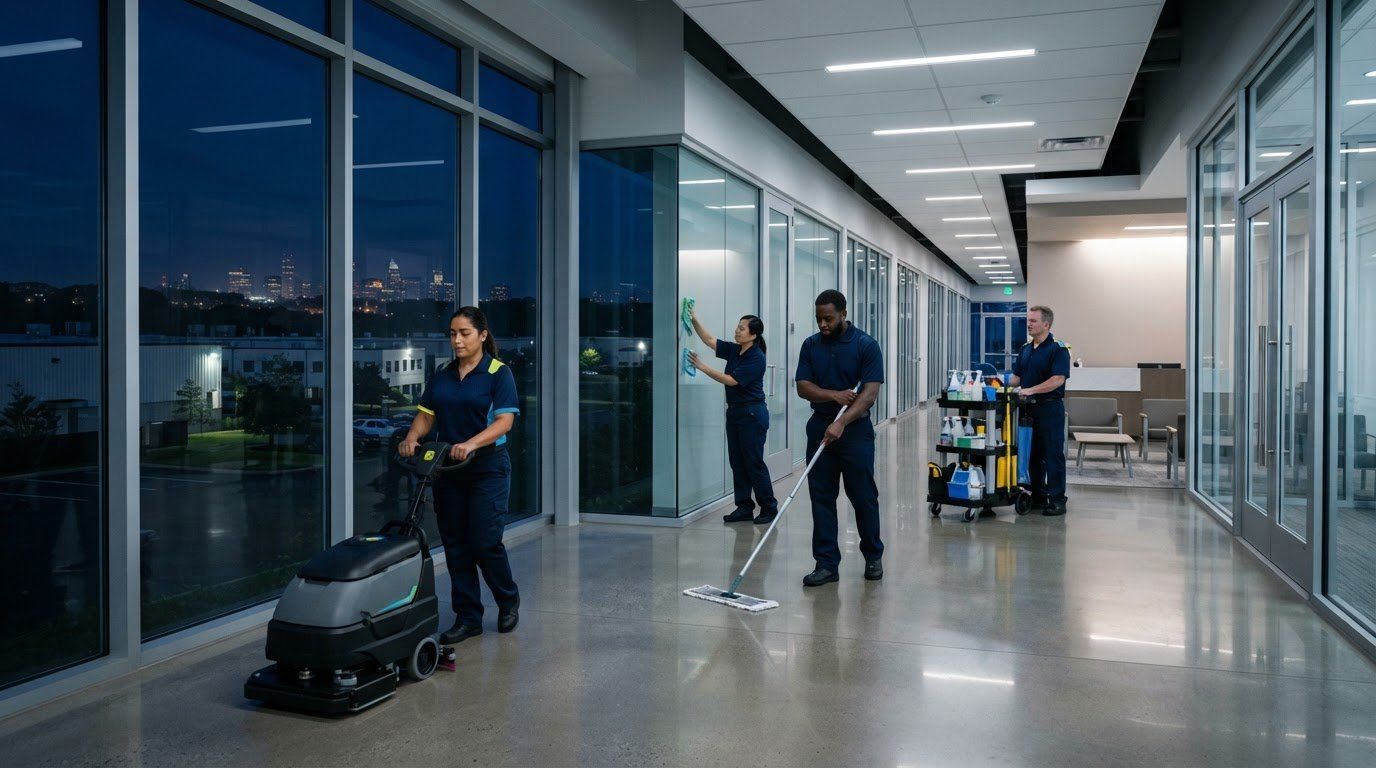
A successful site handover is only the initial step in a facility's lifecycle. While construction cleanup Nassau County focuses on the immediate removal of industrial dust and build debris, establishing a maintenance baseline is critical for protecting the longevity of new building materials. Transitioning from a one-time cleanup to recurring janitorial support ensures that high-value assets, such as specialized flooring or medical-grade surfaces, are preserved from day one. To ensure soft surfaces like rugs and upholstery are handled with the same level of care, you can find out more about specialized cleaning protocols. Commercial Cleaning Services Advance Industrial Maintenance acts as a seamless extension of your operational team, providing the technical oversight necessary to move from a construction site to a fully functional corporate or healthcare environment.
The Bohemia advantage offers a distinct logistical benefit for projects in Garden City, Melville, and across the county. This localized footprint allows for rapid response times and precise coordination with project managers. In a complex supply chain, having a partner that understands the local regulatory landscape and trade schedules is essential for maintaining project momentum. We provide the industrial-strength stability required to manage the high stakes of facility downtime and operational readiness.
Evaluating a cleanup vendor requires looking beyond basic service lists to assess technical authority and equipment capabilities. A reliable partner must possess the specialized machinery and trained staff necessary for industrial-scale environments. Commercial Cleaning Services Advance Industrial Maintenance leverages over 40 years of experience to solve the unique challenges of Long Island developments. By integrating professional construction cleanup Nassau County services into your handover strategy, you ensure that your facility meets the highest standards of safety and cleanliness. This collaborative alliance prioritizes your long-term success and provides the essential infrastructure for ongoing industrial stability.
Securing Operational Stability through Technical Handover
Achieving a successful site transition requires more than a simple sweep. It demands a rigorous, technical sequence that addresses everything from bulk debris removal to the mitigation of hazardous micro-particulates. By prioritizing technical precision and adhering to current safety standards, you protect both your investment and your future tenants. Professional construction cleanup Nassau County is the final essential bridge between a completed build and a high-functioning commercial asset. Commercial Cleaning Services Advance Industrial Maintenance leverages over 40 years of Long Island experience and specialized equipment to ensure your facility is occupancy-ready without delay. Our Bohemia-based team acts as a steadfast partner in your project's long-term success. Request a technical site assessment and cleanup quote from Commercial Cleaning Services Advance Industrial Maintenance to secure your project's operational continuity. We look forward to supporting your next successful site handover.
Frequently Asked Questions
How long does a typical post-construction cleanup take in Nassau County?
The timeline for construction cleanup Nassau County projects typically ranges from three to seven business days for mid-sized commercial properties. This duration allows for the systematic execution of rough, final, and touch-up phases. Larger industrial or medical facilities require more extensive coordination with trade schedules to ensure the site is fully occupancy-ready without compromising safety or quality.
Do construction cleanup services include debris removal and hauling?
Professional cleanup encompasses the removal of construction-grade debris, packaging materials, and protective coverings during the initial rough clean phase. While we manage the systematic clearing of the site to prepare for deep cleaning, we don't provide hazardous waste hauling services. Our teams focus on non-hazardous site preparation to ensure the environment is safe for technical sanitation and immediate tenant operations.
What is the difference between final cleaning and a standard janitorial sweep?
Final cleaning is a technical industrial process focused on removing microscopic masonry dust and chemical residues from all surfaces, including high-level ductwork and ceilings. Unlike a standard janitorial sweep, it utilizes specialized equipment like HEPA-filtered vacuums and industrial scrubbers to meet strict occupancy standards. Standard janitorial services are for recurring maintenance, while final cleaning prepares a new build for its first operational lifecycle.
Can professional cleanup help a project meet LEED certification standards?
Professional cleanup is essential for projects pursuing LEED certification, specifically regarding Indoor Environmental Quality credits. By implementing advanced dust management protocols and using specific chemical agents, we help contractors satisfy air quality requirements. Our technical approach ensures the facility meets the rigorous standards needed to protect occupant health and achieve long-term environmental performance goals after the final handover.