Final Clean Services for General Contractors in Ronkonkoma
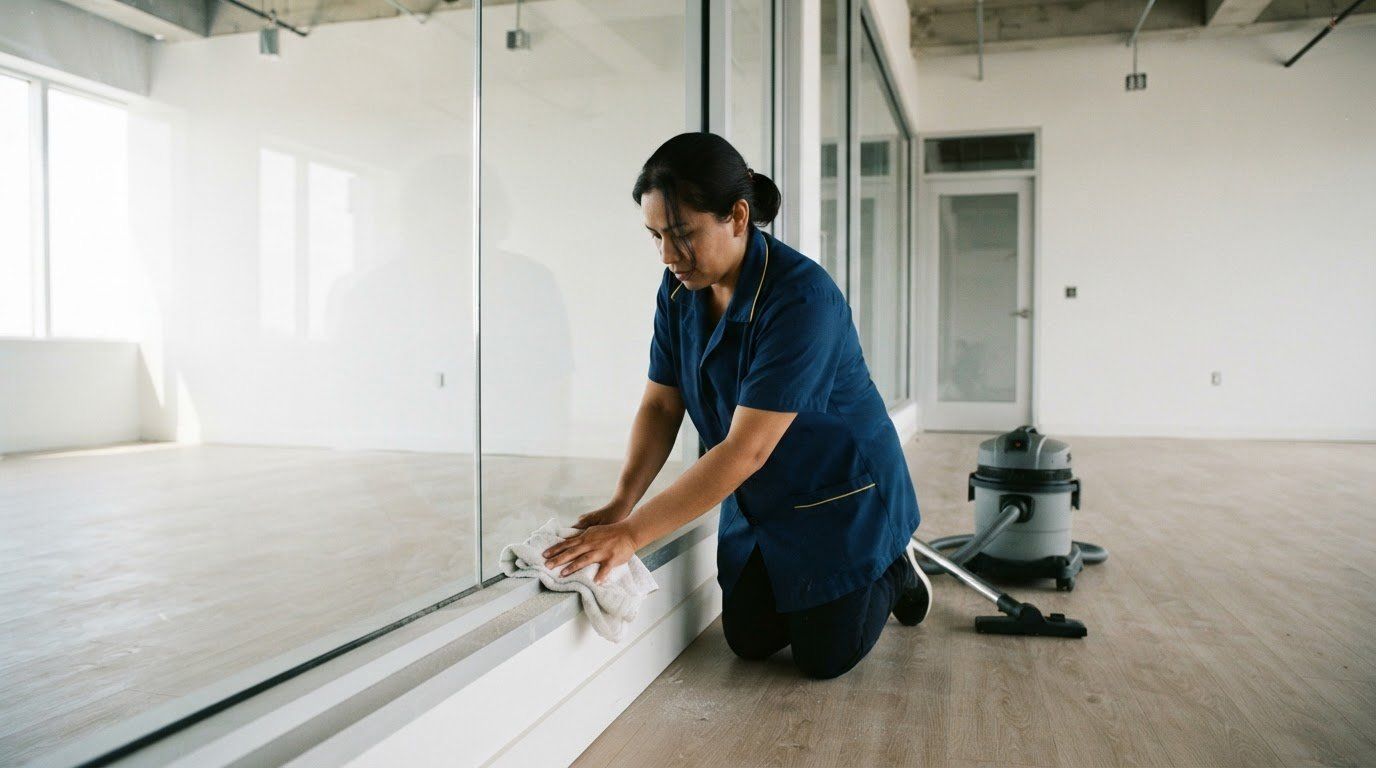
A final clean is not a debris haul. For general contractors in Ronkonkoma, final clean services remove construction dust and surface residue, while hauling debris is a separate task. Drywall dust calls for wet wiping and HEPA vacuuming, not dry sweeping. Clear scope boundaries help keep both tasks organized.
Planning final clean services for general contractors in Ronkonkoma starts with separating surface cleaning from waste removal. This article explains what a final clean can cover, how to fit it into a project schedule, and where debris removal ends and cleaning begins. Project phase, surface type, and site condition all shape the plan, helping contractors prepare spaces for inspection, punch-list work, or handoff.
Key Takeaways
- Set a final-clean scope that accounts for fine dust, adhesive traces, residue, and the surfaces that need attention.
- Match dust-removal methods to the surface, since gritty grout dust can scratch hard finishes when dry-swept.
- Understand the distinction between routine post-construction cleaning and specialized asbestos-work cleanup, which OSHA says must be collected and bagged by employees trained for that work.
- Use post-construction cleanup to prepare custom builds and renovations for their next project handoff, with the scope shaped by site condition and finish requirements.
Table of Contents
Do you haul away construction debris?
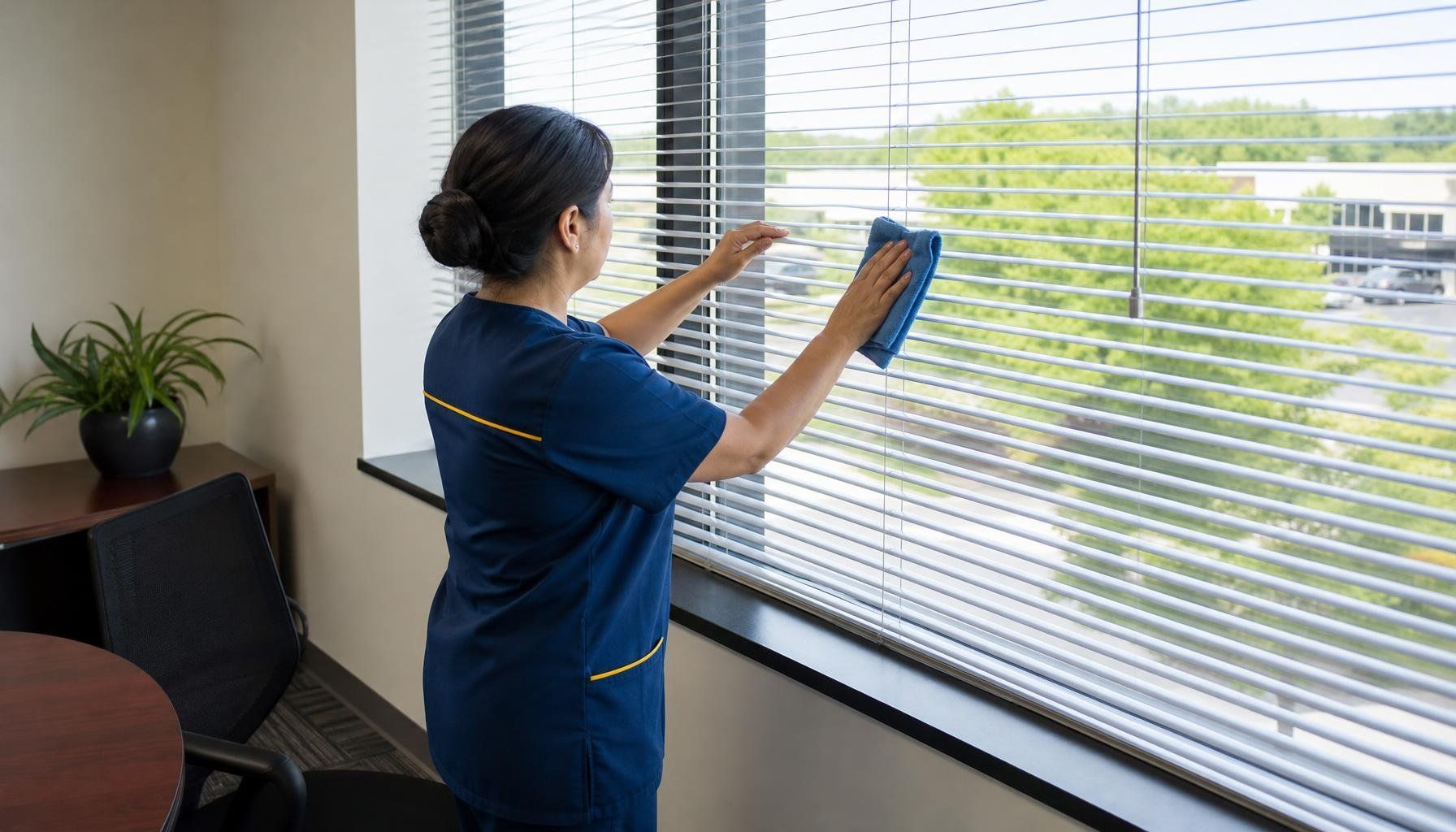
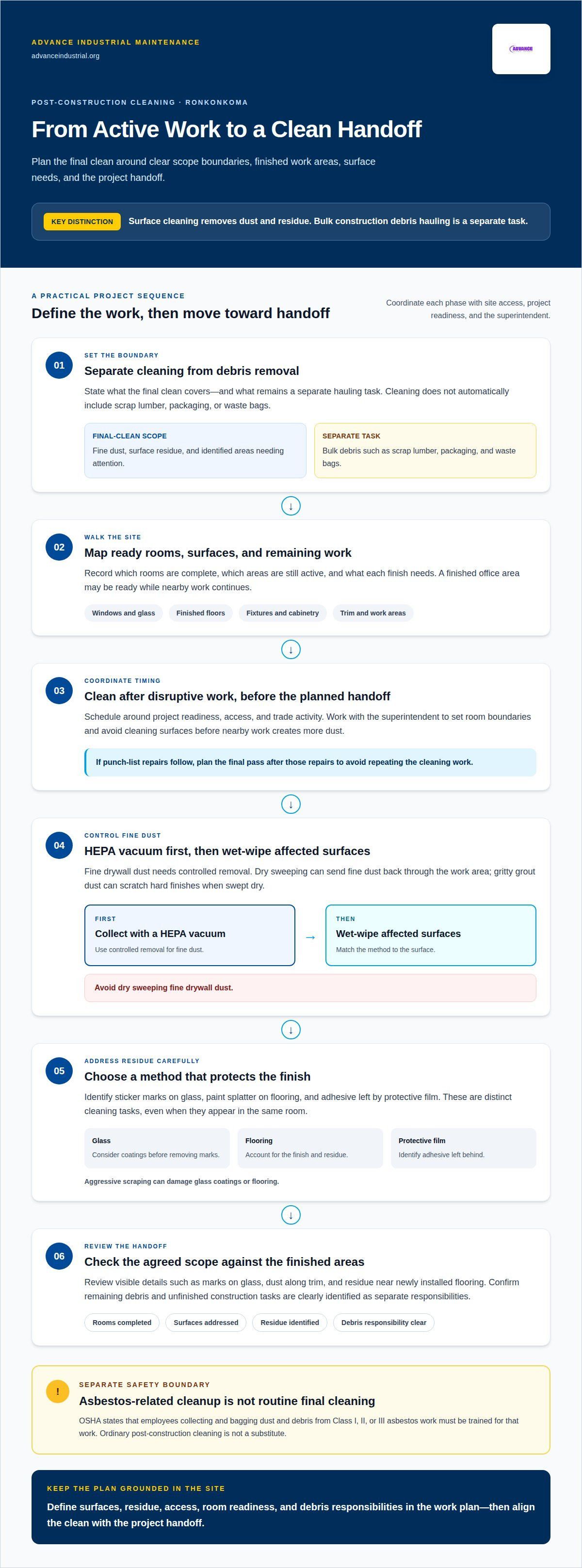
A final clean can remove fine dust from windows and floors, but debris hauling is a separate scope. It does not automatically include removing scrap lumber, packaging, or waste bags from the property. For final-clean services for general contractors in Ronkonkoma, define surface cleaning and construction debris removal as distinct tasks before handoff.
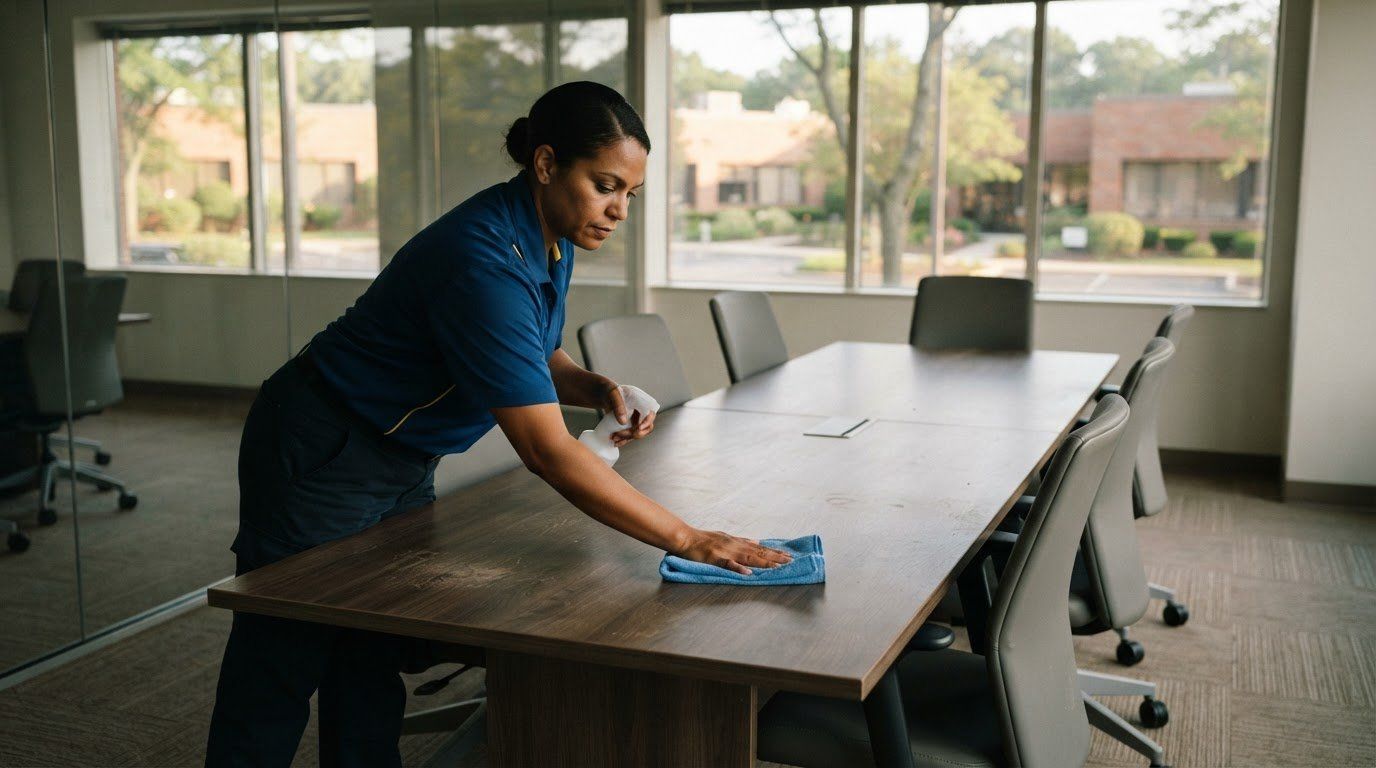
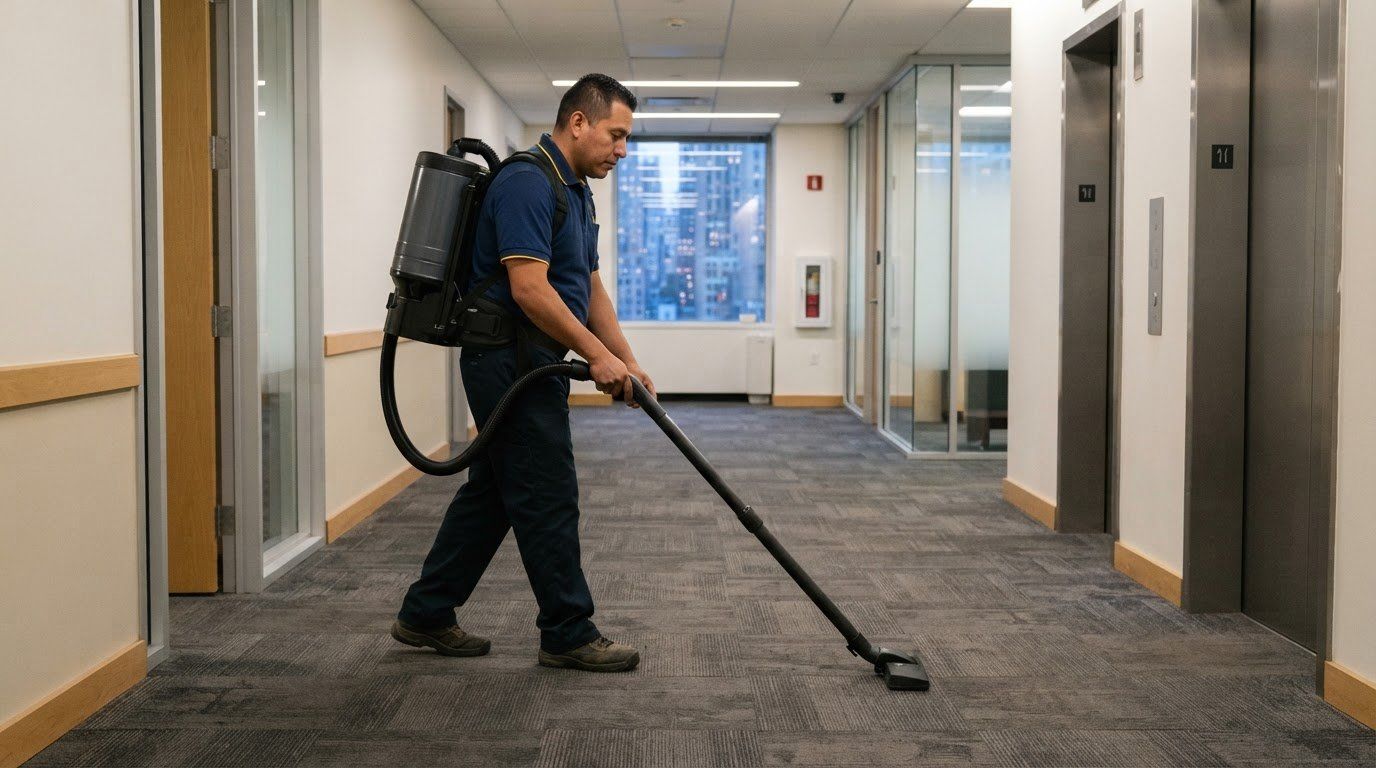
Fine drywall dust needs controlled removal. A practical sequence is to collect it with a HEPA vacuum, then wet-wipe affected surfaces. Dry sweeping can spread fine dust back through the work area. On tile and stone, gritty grout dust can scratch hard surfaces when swept dry. Match the method to each surface, including window glass, finished floors, and trim.
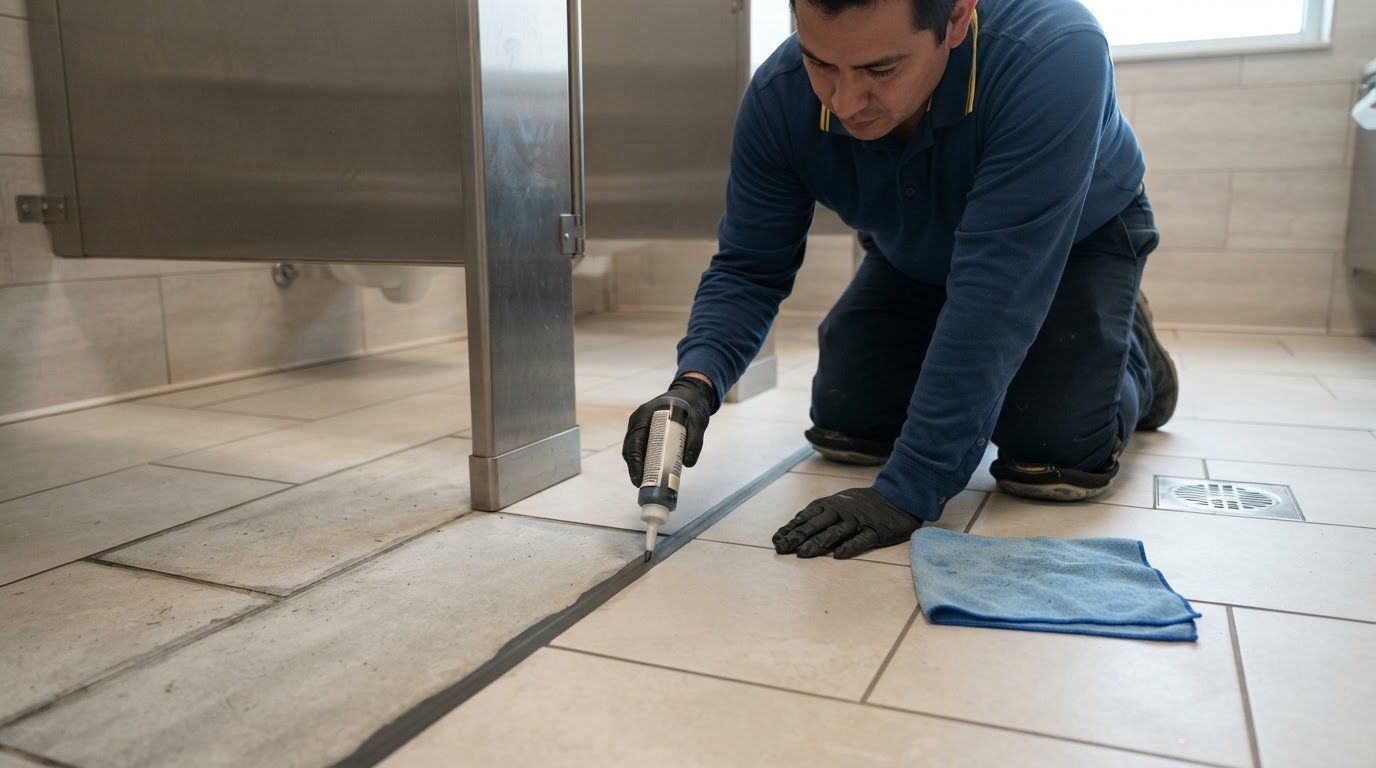
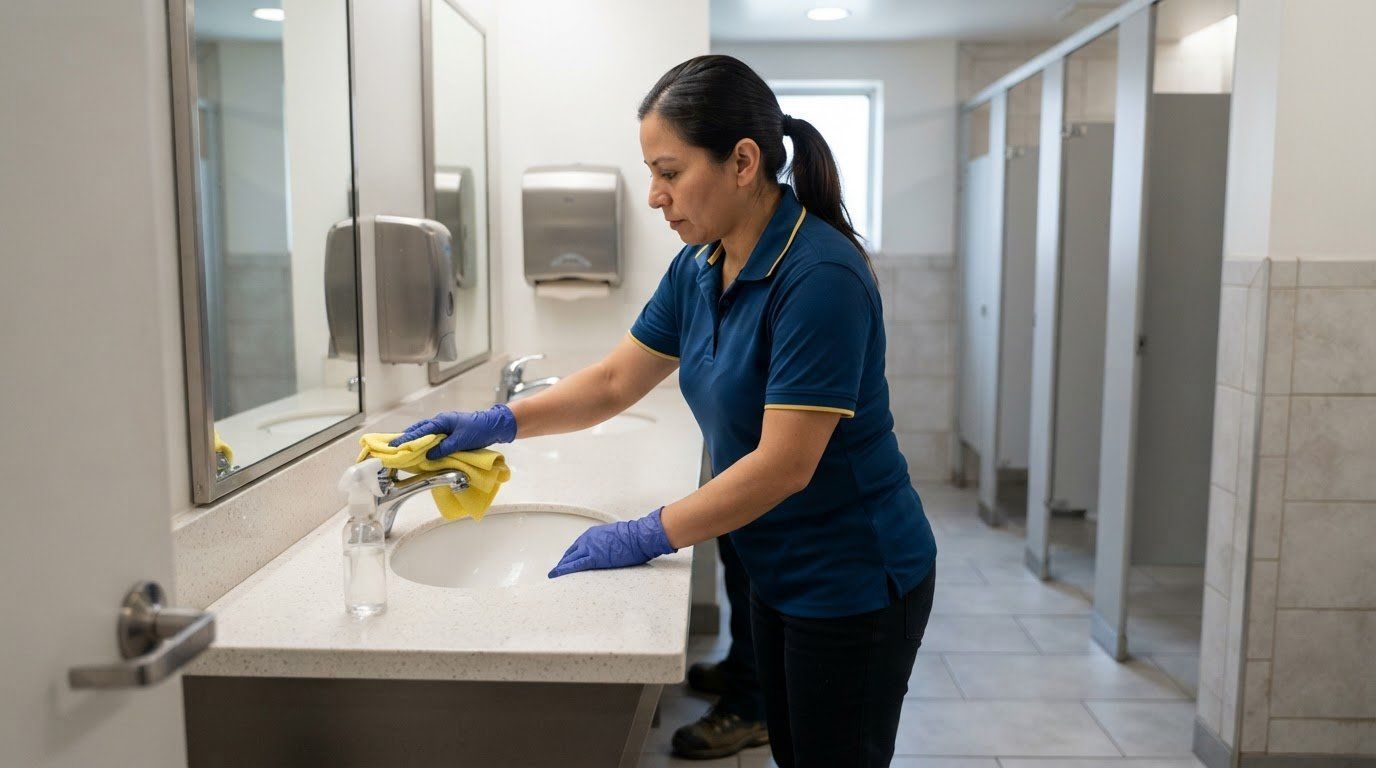
Removing adhesive, paint, and protective film also depends on the surface and residue. A final-clean scope can identify sticker marks on glass, paint splatter on flooring, and adhesive left by protective film. These are distinct tasks, even when they appear in the same room. The method should account for the finish, since aggressive scraping can damage glass coatings or flooring. For general contractors in Ronkonkoma, detailed scope language helps define this residue removal.
Asbestos-related work requires a separate safety boundary. The Occupational Safety and Health Administration states that employees collecting and bagging dust and debris from Class I, II, or III asbestos work must be trained for that work. Ordinary post-construction cleaning is not a substitute. For general construction residue, define which surfaces need cleaning and which bulk debris requires separate removal. This division clarifies responsibilities before handoff.
Above N' Beyond says drywall dust should be removed with wet wiping and a HEPA vacuum rather than dry sweeping; keep that dust-control work separate from bulk debris hauling.
Who does post construction cleaning in Suffolk County?
Commercial cleaning providers handle final cleaning for custom builds, renovations, and contractor-led projects. The scope should reflect the property’s finishes, remaining debris, and handoff schedule.
Liability insurance and workers’ compensation requirements depend on applicable rules and the company’s workforce, so treat coverage documentation as a separate hiring criterion. Scheduling also depends on project readiness, access, scope, and coordination with the superintendent, not on a fixed turnaround that applies to every site.
Cleaning for Builds and Renovations
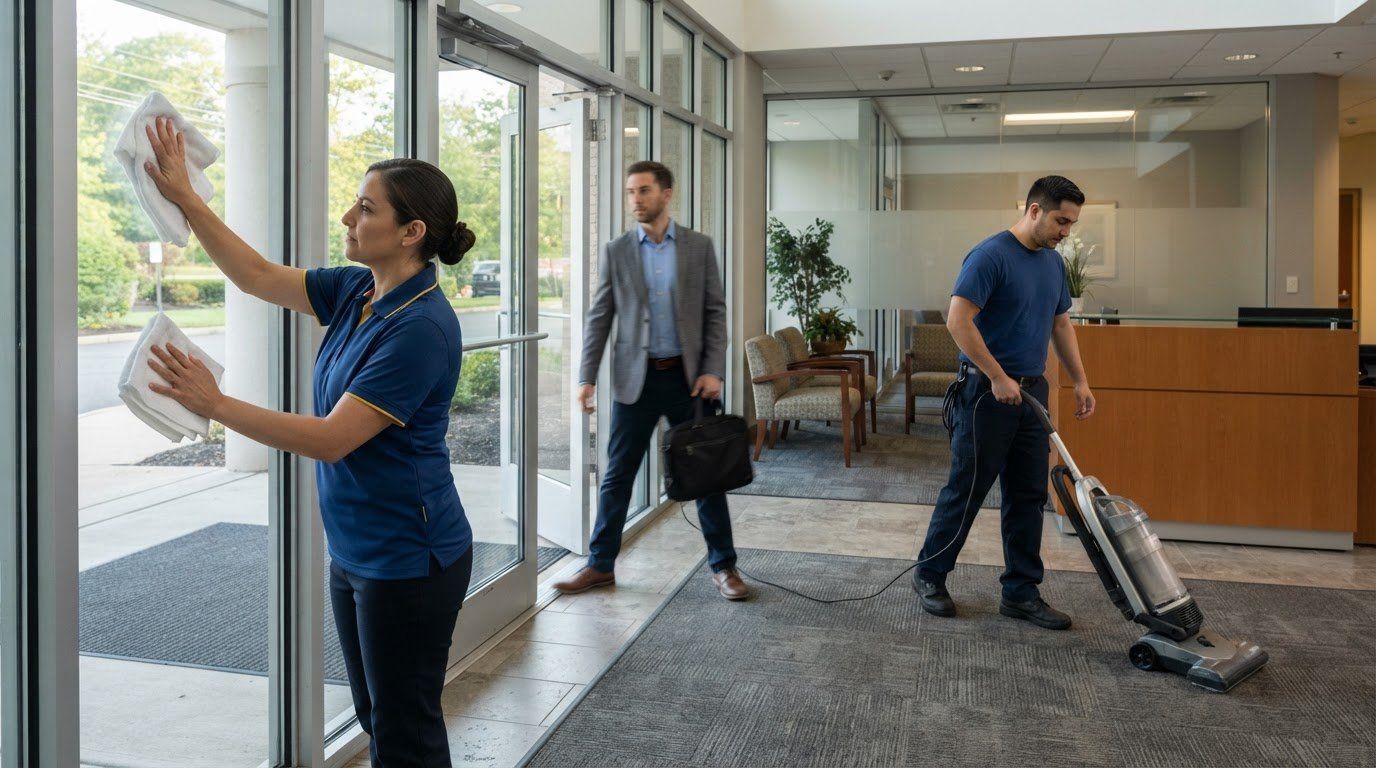
For a custom build, final cleaning can address dust on fixtures, cabinetry, glass, and finished floors. A renovation may need detailed attention around newly installed surfaces and work areas where trade activity left residue. The scope should distinguish fine cleaning from remaining construction debris removal. A clearly defined post-construction cleaning scope helps align the work with the project handoff.
General contractors, builders, and developers can organize cleaning around completed rooms and site access. A finished office area, for example, may be ready while another room remains active. Marking these boundaries helps prevent cleaning surfaces before nearby work creates more dust.
Scheduling and Hiring Considerations
Schedule the final clean around project readiness, site access, and the work involved. A completed renovation with clear access differs from a build where trades are still moving materials. Coordinating with the superintendent helps place cleaning after disruptive work and before the planned handoff.
Before hiring, review the proposed scope, coverage documents, surface types, and debris responsibilities. Clarify what cleaning includes for windows, floors, fixtures, and residue. Added areas, dust from ongoing work, or delicate finishes can change the labor required and lead to scope disputes. Define these conditions in the work plan.
Post-construction cleaning in Ronkonkoma
In Ronkonkoma, treat the final clean as a defined project phase, not a last-minute sweep. Tie the sequence to completed work areas, site access, and the superintendent’s handoff plan. This timing helps keep newly cleaned surfaces clear of later trade activity and prepares rooms for inspection or punch-list review.
Set the work around the property’s actual finishes. A custom build may include cabinetry, glass, finished flooring, and new fixtures, each requiring surface-appropriate care. A renovation may leave dust where old and new materials meet. Recording these conditions during a walkthrough gives the cleaning team a practical scope: which rooms are ready, which surfaces need detailed work, and where construction is still active.
Coordinate cleaning with project milestones. For example, clean an office wing after installation work ends while keeping an active work zone outside the cleaning boundary. If punch-list repairs follow, schedule the final pass after those repairs to avoid repeating work. The superintendent can align access and room readiness with the sequence instead of treating the property as one uninterrupted area.
A clear handoff separates cleaning from unfinished construction tasks. Identify remaining debris, residue, and surfaces needing attention, then specify what belongs in the final-clean scope. This gives contractors a straightforward basis for reviewing the completed interior and directs attention to visible details, such as marks on glass, dust along trim, or residue near newly installed flooring.
Discuss a final-clean plan for your Ronkonkoma project around its work areas, finishes, and handoff schedule.
Coordinate post-construction cleaning with the project schedule and superintendent so each phase is ready for inspection and punch-list work.
Post-construction cleaning for apartments and homes can be priced by job after a walkthrough that assesses square footage, scope, and condition.
Commercial Cleaning Services Advance Industrial Maintenance: Post-Construction Cleanup
Advance Industrial Maintenance provides Post-Construction Cleanup for contractors preparing a completed commercial space for its next phase. The service suits projects where construction has ended and interior surfaces need a coordinated final clean before inspection, handoff, or use.
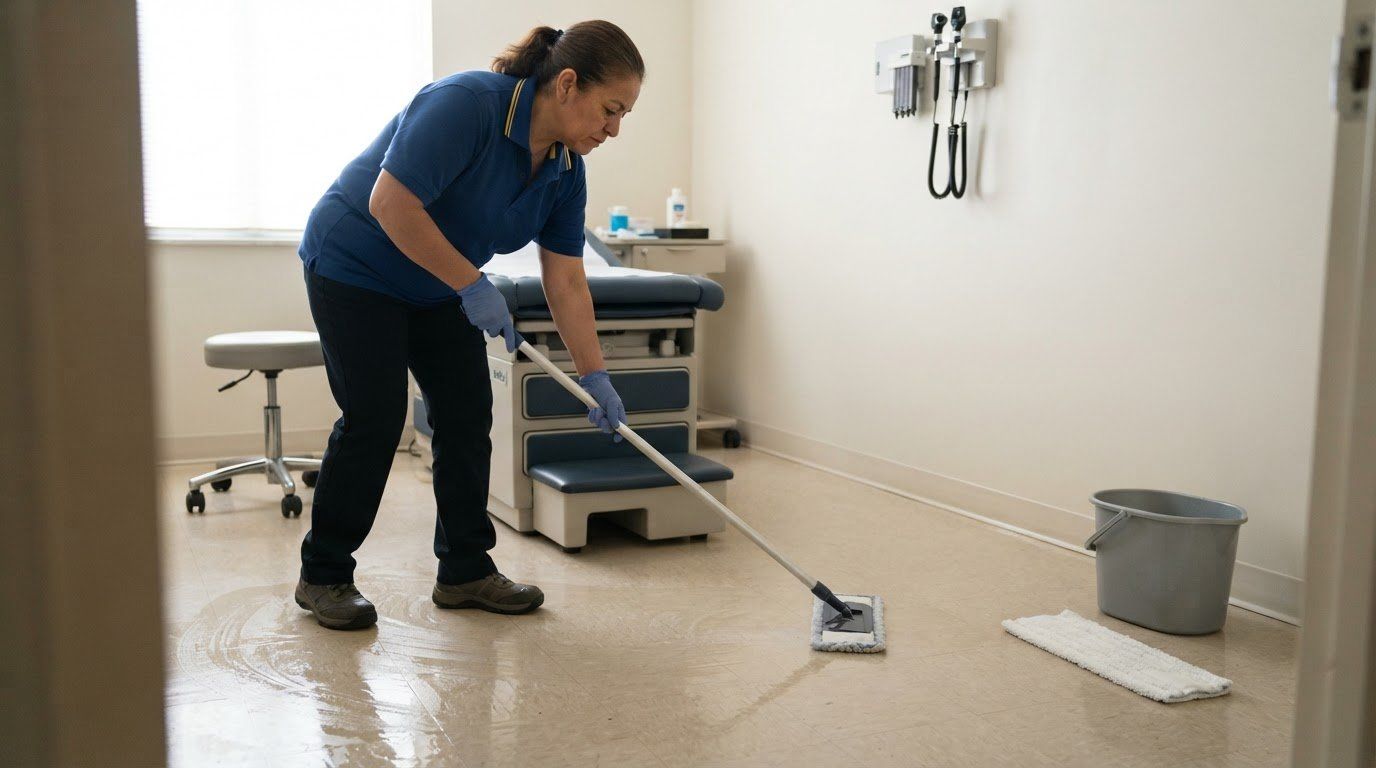
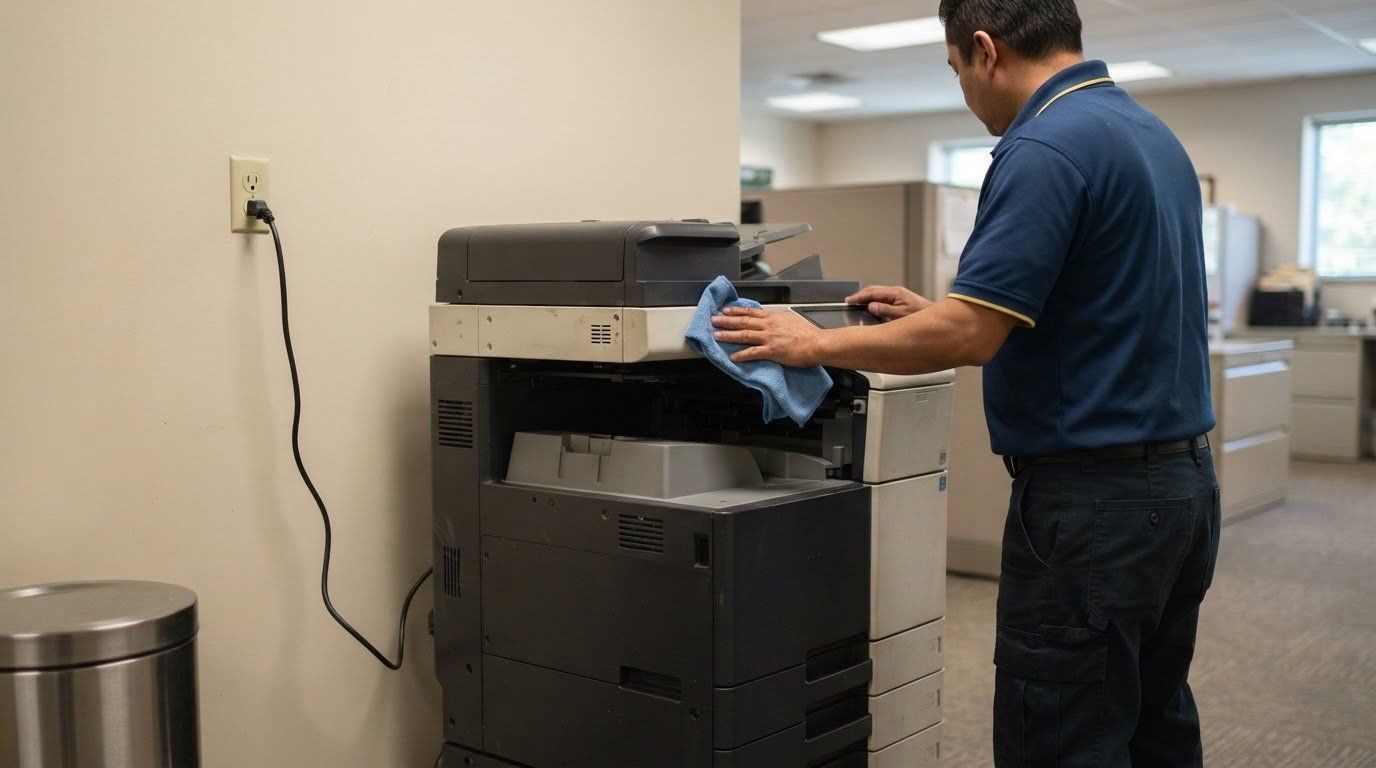
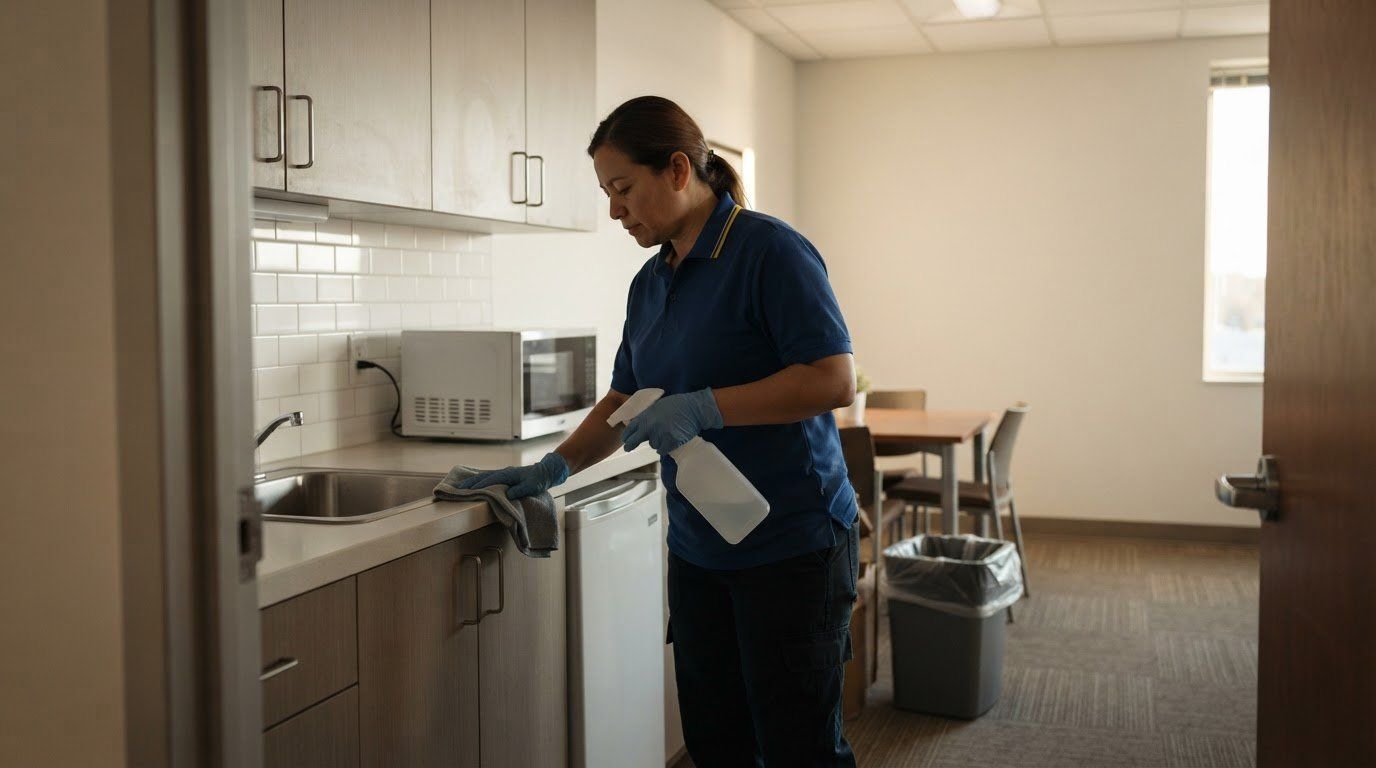
Define the work according to the property’s condition, finishes, and remaining cleaning needs. Post-construction cleanup addresses construction dust and residue on interior surfaces; debris hauling remains a separate responsibility. For spaces moving into operation, Office Cleaning can support ongoing upkeep after the project clean. Medical Facility Cleaning is relevant for completed medical facilities, while Floor Stripping and Waxing addresses suitable floor-care needs.
For a Ronkonkoma project that needs post-construction cleanup, contact Commercial Cleaning Services Advance Industrial Maintenance.
Set the Next Project Up for a Clean Handoff
Plan the final clean as part of project closeout, with its scope aligned to site readiness and the next phase of use. A clear handoff plan for final clean services for general contractors in Ronkonkoma keeps cleaning responsibilities distinct from construction work and supports an orderly transition.
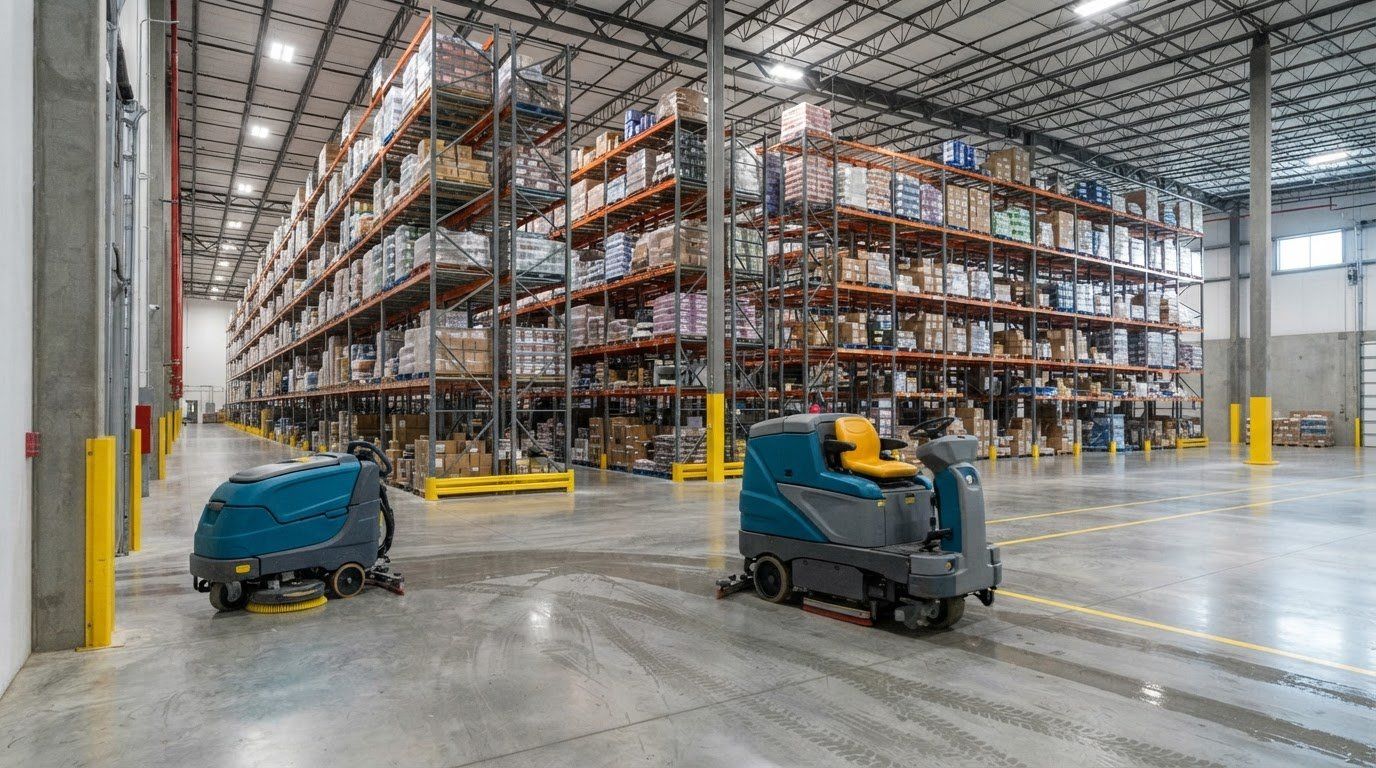
For ongoing facility needs after construction, Advance Industrial Maintenance also offers Office Cleaning, Medical Facility Cleaning, and Floor Stripping and Waxing. These services support maintenance beyond the initial project turnover, according to the needs of the space.
Discuss your project’s post-construction cleanup needs and next steps with Commercial Cleaning Services Advance Industrial Maintenance. A defined scope gives your team a practical starting point for moving the property forward.
Frequently Asked Questions
Which construction cleanup companies serve Ronkonkoma and nearby Long Island areas?
For commercial projects in Ronkonkoma and nearby Long Island areas, Advance Industrial Maintenance provides post-construction cleanup. The company serves Suffolk and Nassau Counties, covering projects across Long Island. A contractor completing a commercial renovation in Suffolk County, for example, can use the service for the project’s cleaning scope. The work is separate from hauling construction waste.
How does a final clean differ from rough cleaning and touch-up cleaning?
Rough cleaning handles larger, visible construction mess earlier in the project. A final clean focuses on detailed interior surfaces before turnover, while touch-up cleaning is a limited follow-up, such as removing fingerprints from glass after an inspection or dust from a late repair. A new scuff caused during punch-list work, for example, may need a touch-up after the main clean.