Janitorial Services in New York for Offices and Businesses
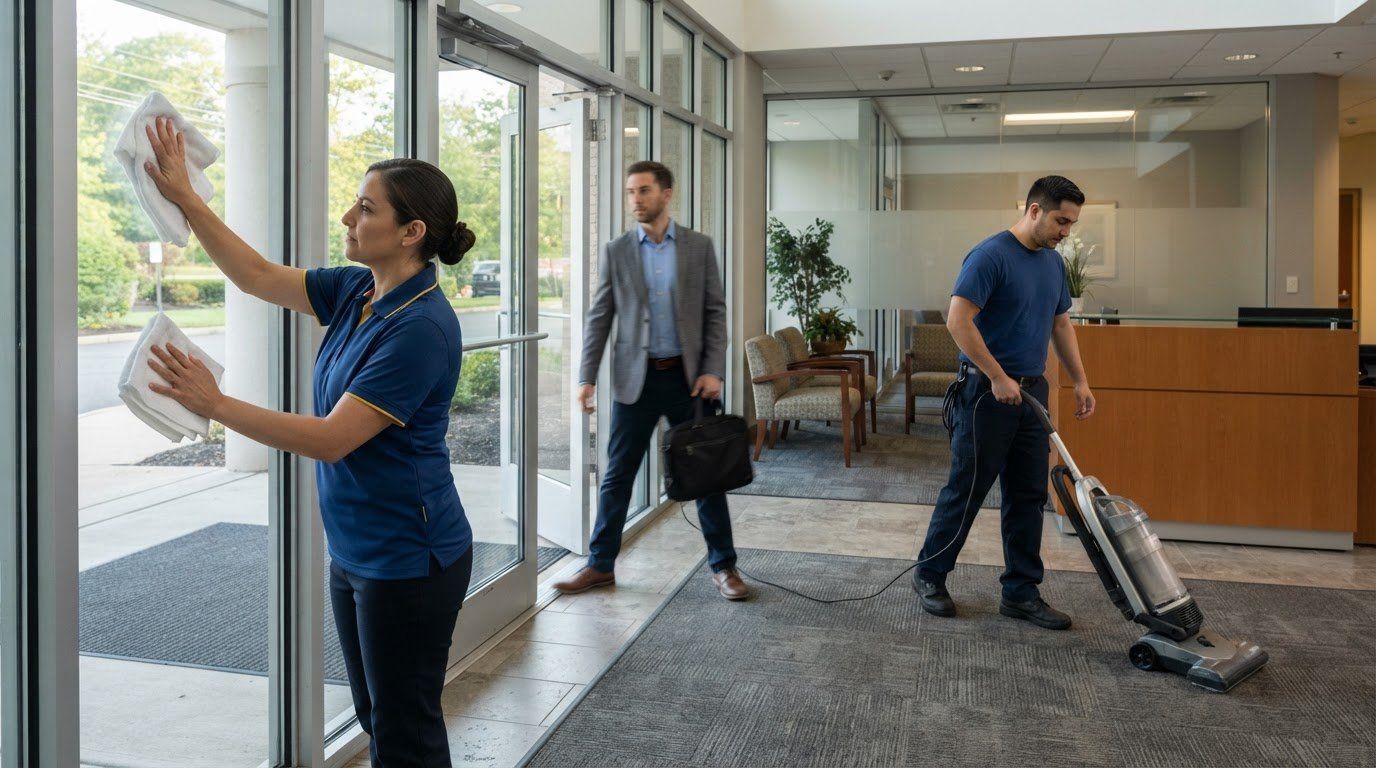
For businesses across Long Island, janitorial schedules need to fit facility operating hours. A cleaning plan can account for occupied workspaces, shared areas, and the tasks that support day-to-day operations.
Keeping offices and commercial spaces clean takes more than a simple checklist. You need a scope and schedule that fit the facility, support daily operations, and address the areas that need regular attention. This guide explains what commercial janitorial services include, how disinfection fits into a cleaning plan, and what factors shape service costs. It also covers practical ways to find providers serving Suffolk County and Nassau County, so you can assess your needs and identify a workable next step.
Key Takeaways
- Map routine cleaning tasks to the facility’s spaces and operational needs to create a clear service scope.
- Understand how disinfection complements regular cleaning and why the surfaces and areas being treated matter.
- Compare providers by how well their service scope and schedule fit your New York City facility.
- Identify when office cleaning, medical facility cleaning, floor care, or window cleaning should be part of your maintenance plan.
Table of Contents
What does a commercial janitorial service include?
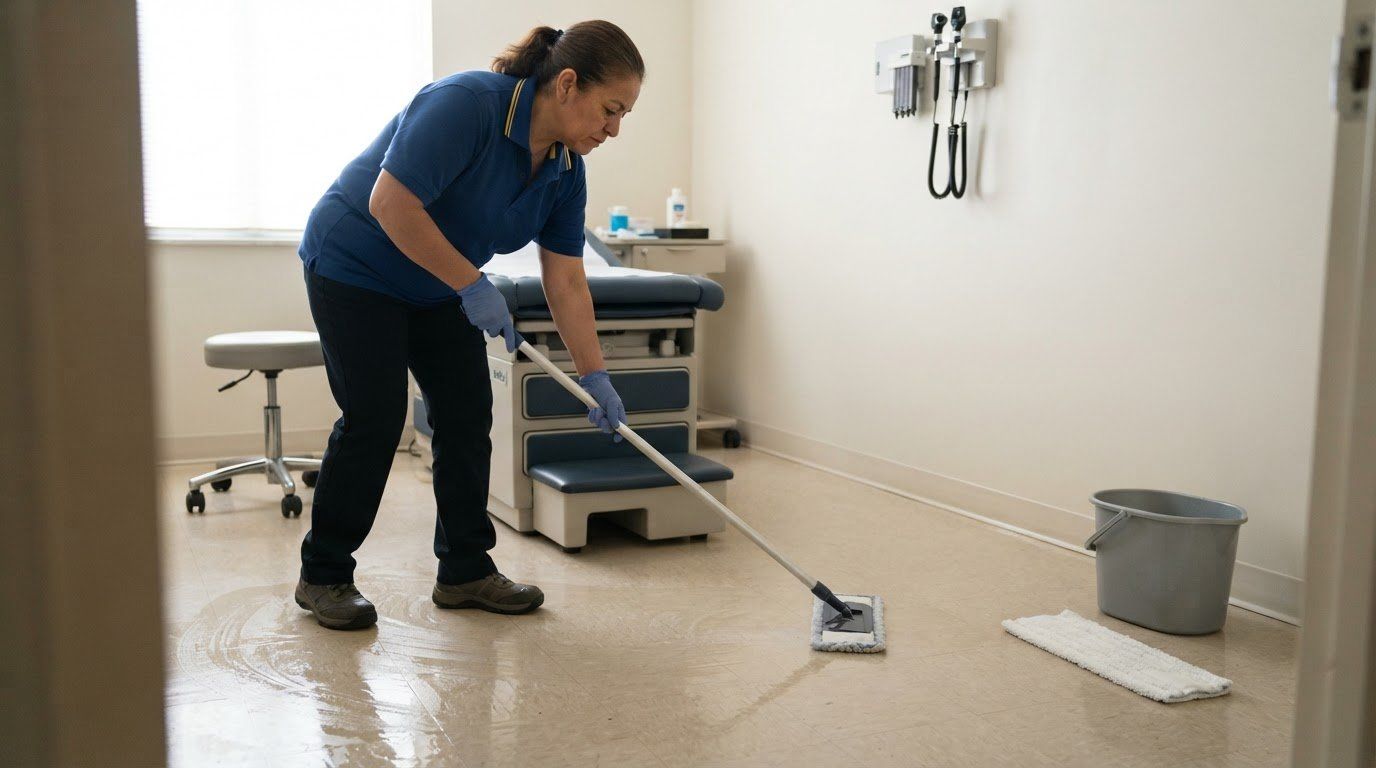
Commercial janitorial work combines routine cleaning with tasks suited to a facility’s occupants, surfaces, and schedule. Offices, healthcare sites, schools, and commercial buildings across Long Island benefit from clearly defined scopes.
Janitorial Task Scope
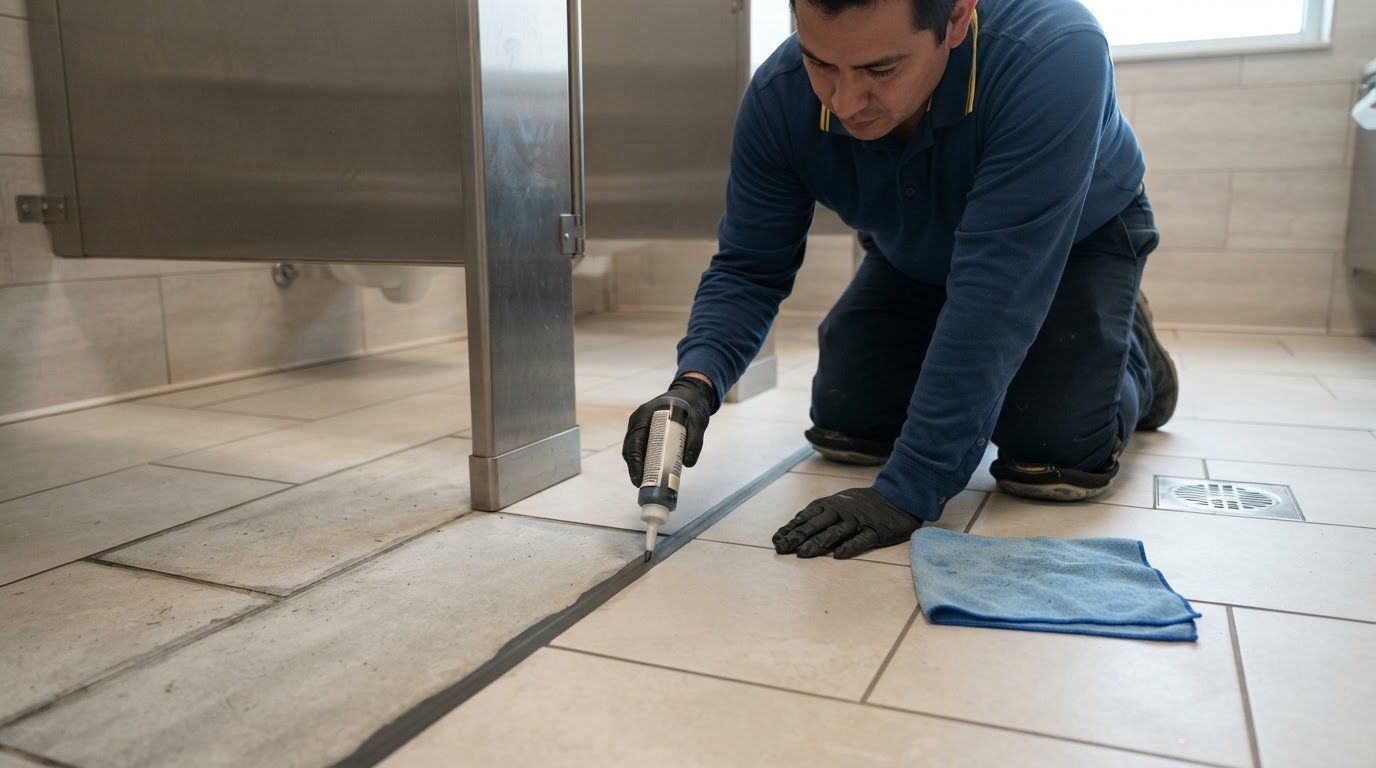
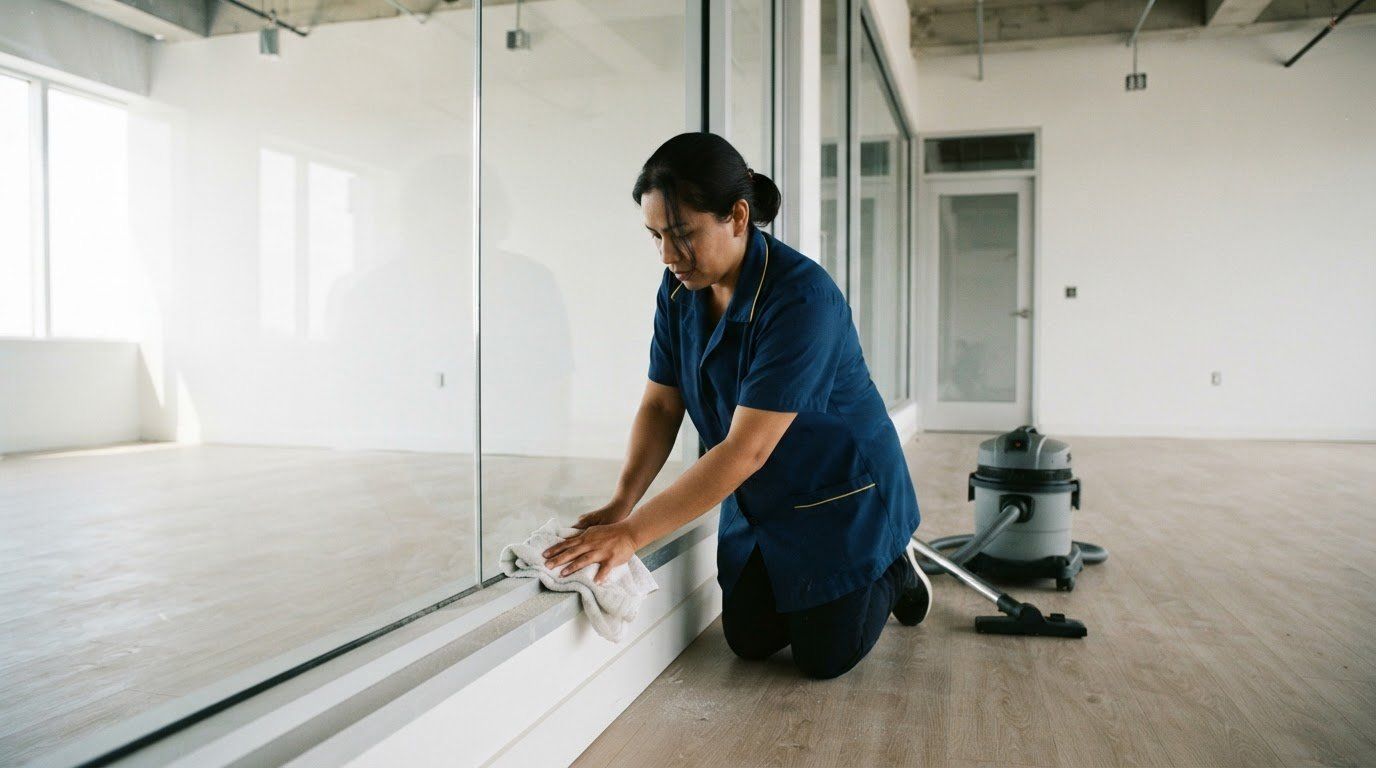
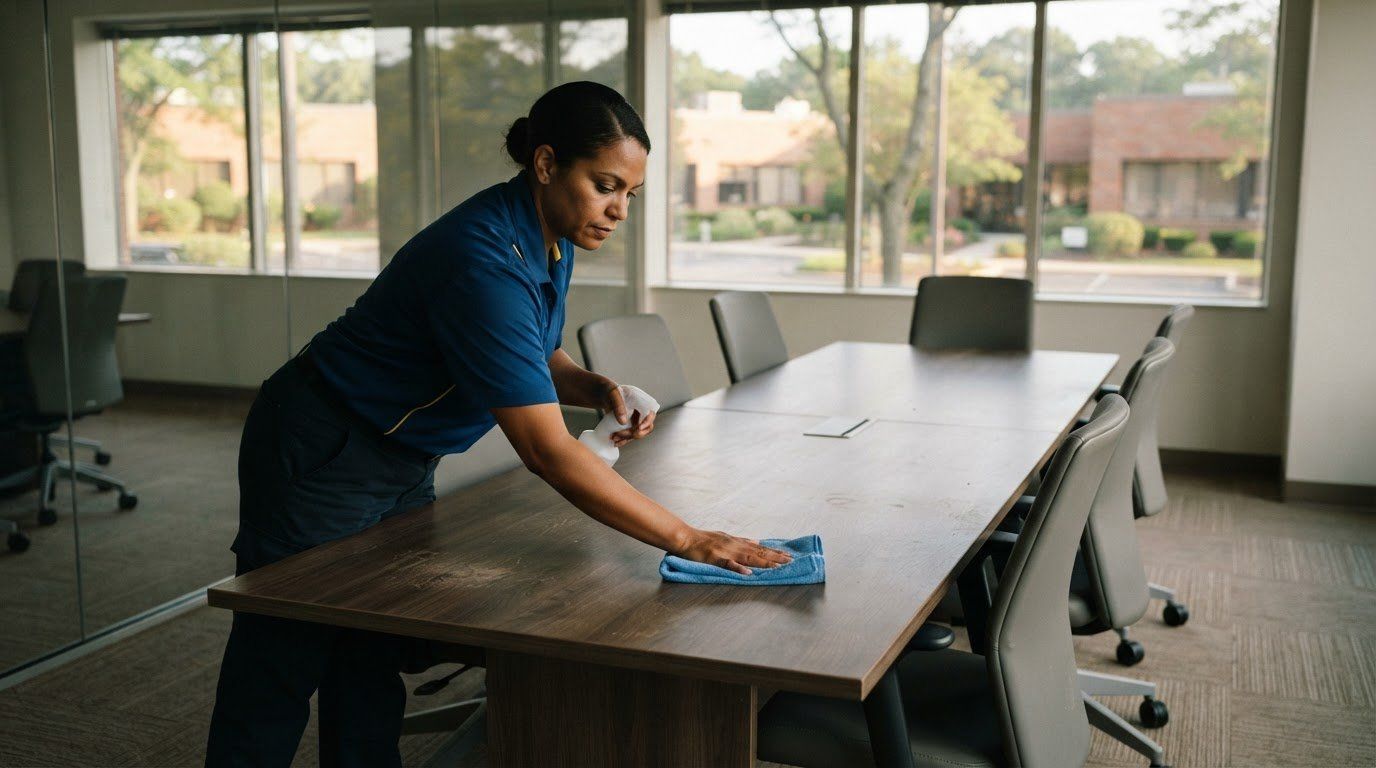
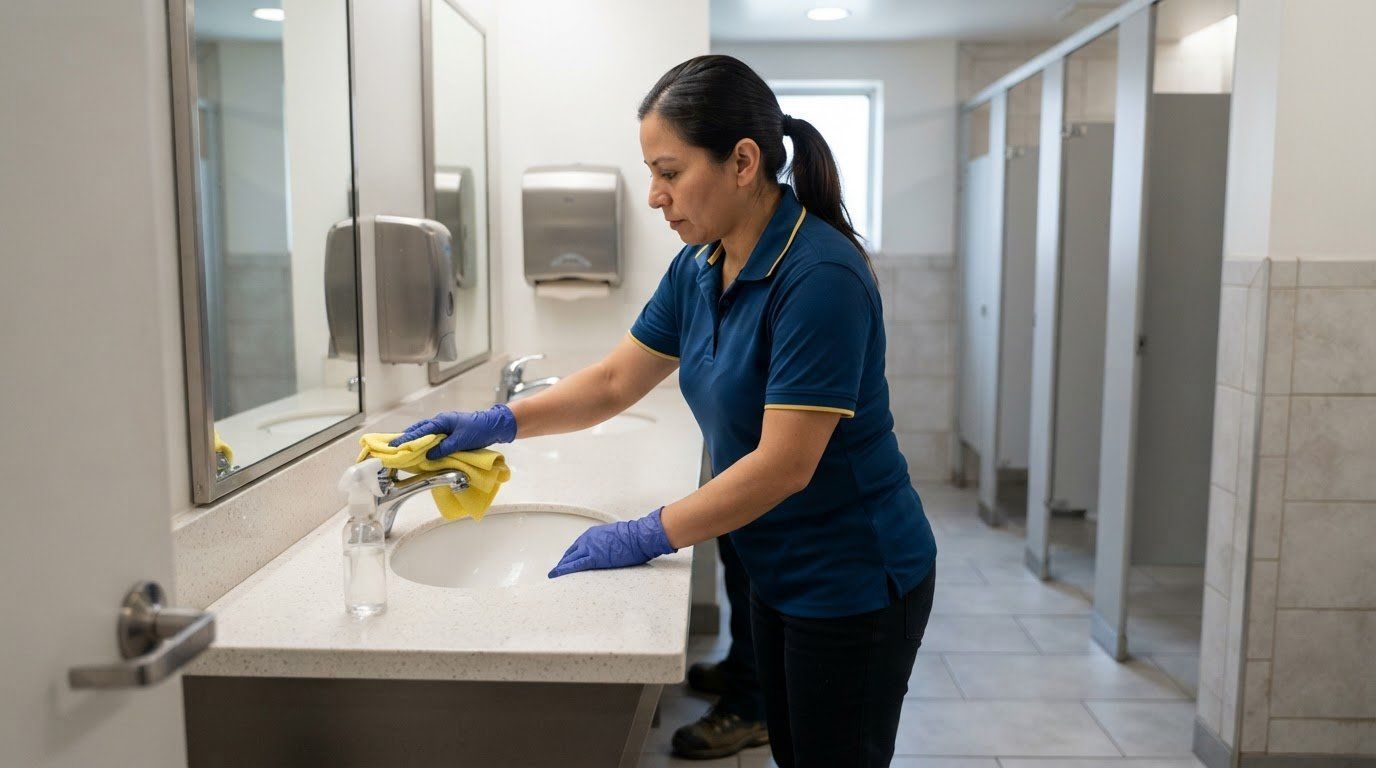
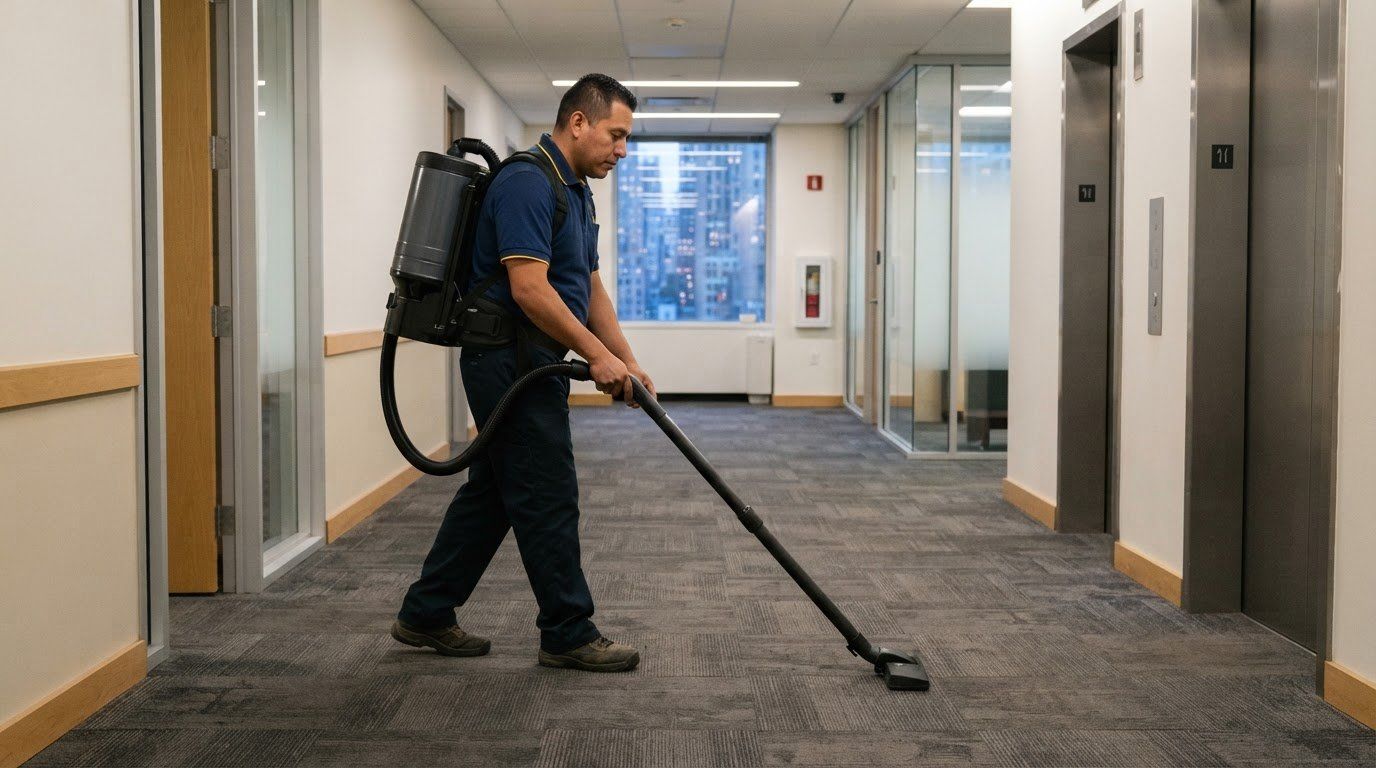
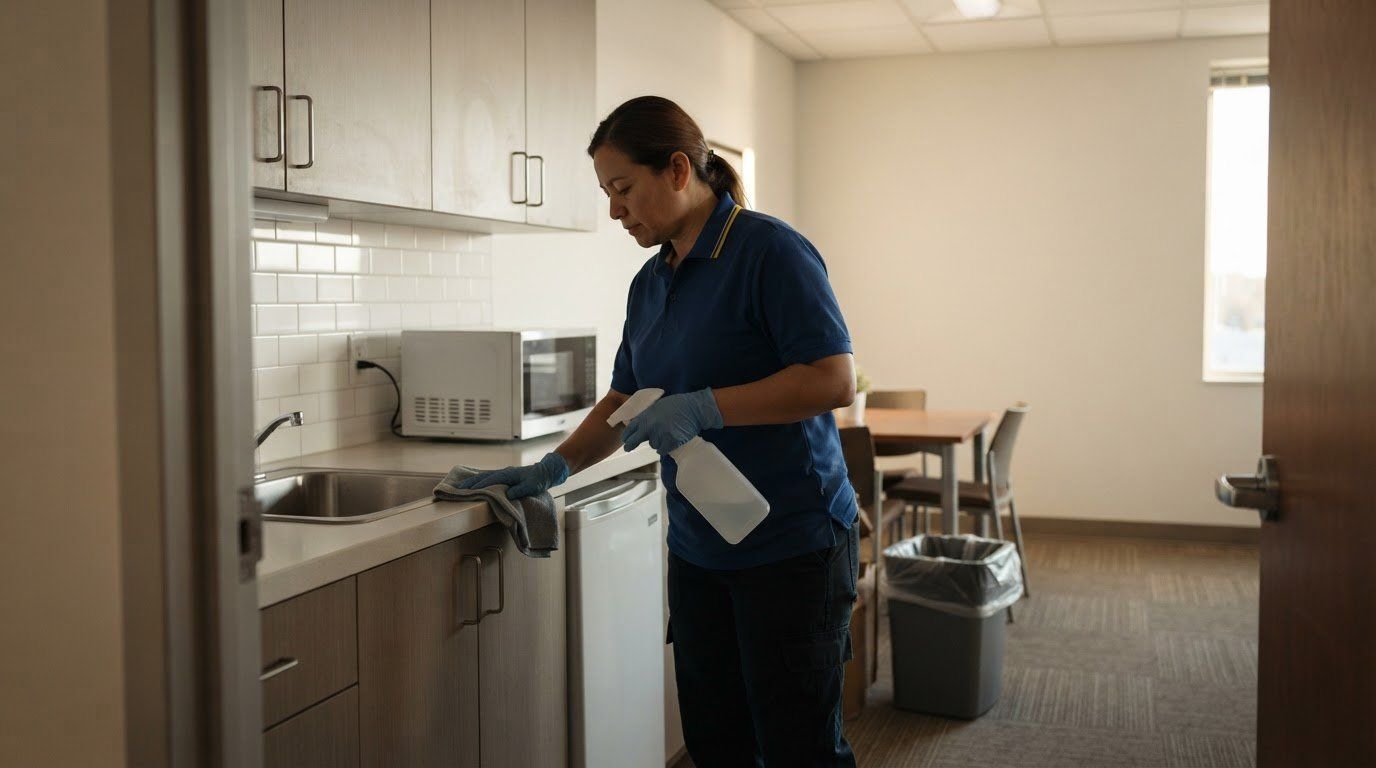
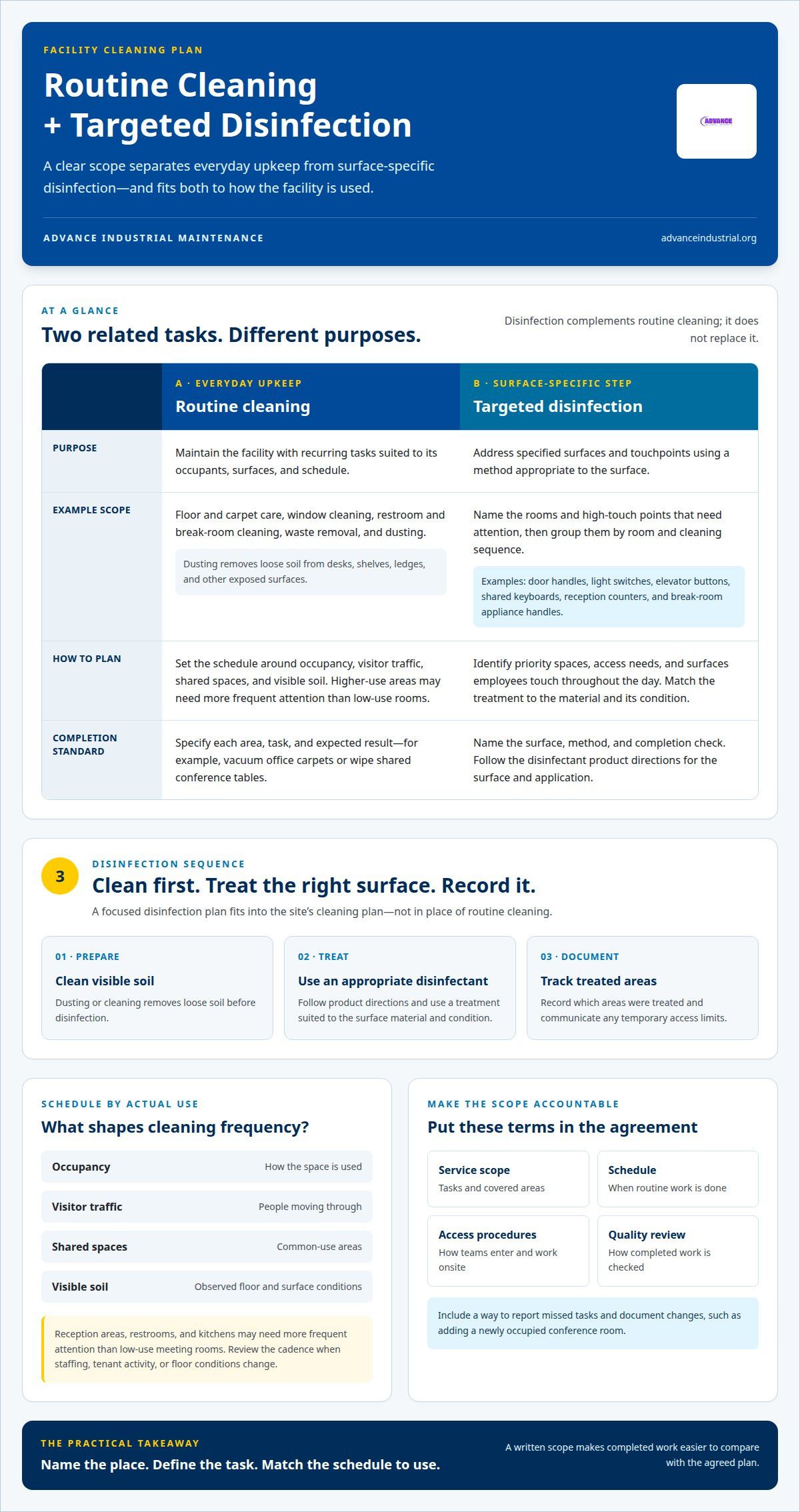
Commercial cleaning can cover floor care, carpet cleaning, window cleaning, restroom and break-room cleaning, waste removal, and disinfection. For medical and healthcare facilities, identify the rooms and touchpoints requiring attention, then align tasks with site procedures. A useful scope names each area, task, and completion standard, such as vacuuming office carpets and wiping shared conference tables. Commercial and institutional clients can tailor tasks to how their buildings are used.
Cleaning Frequency
Set cleaning schedules according to occupancy, visitor traffic, shared spaces, and visible soil. Reception areas, restrooms, and kitchens may need more frequent attention than low-use meeting rooms. Match the cadence to actual use, then review it when staffing, tenant activity, or floor conditions change. Long Island facility managers can use these factors to set practical priorities.
A janitorial agreement should define the service scope, covered areas, cleaning schedule, access procedures, and quality-review process. Include a clear way to report missed tasks and document changes, such as adding a newly occupied conference room. Specific terms help managers compare completed work with the agreed scope.
An uninsured or unvetted company can create operational risks, including inconsistent task completion, access problems, and uncertainty if property is damaged. For example, a building manager may face disruption if a cleaning team lacks clear entry procedures or assigned responsibilities. A defined scope and documented work process support accountability.
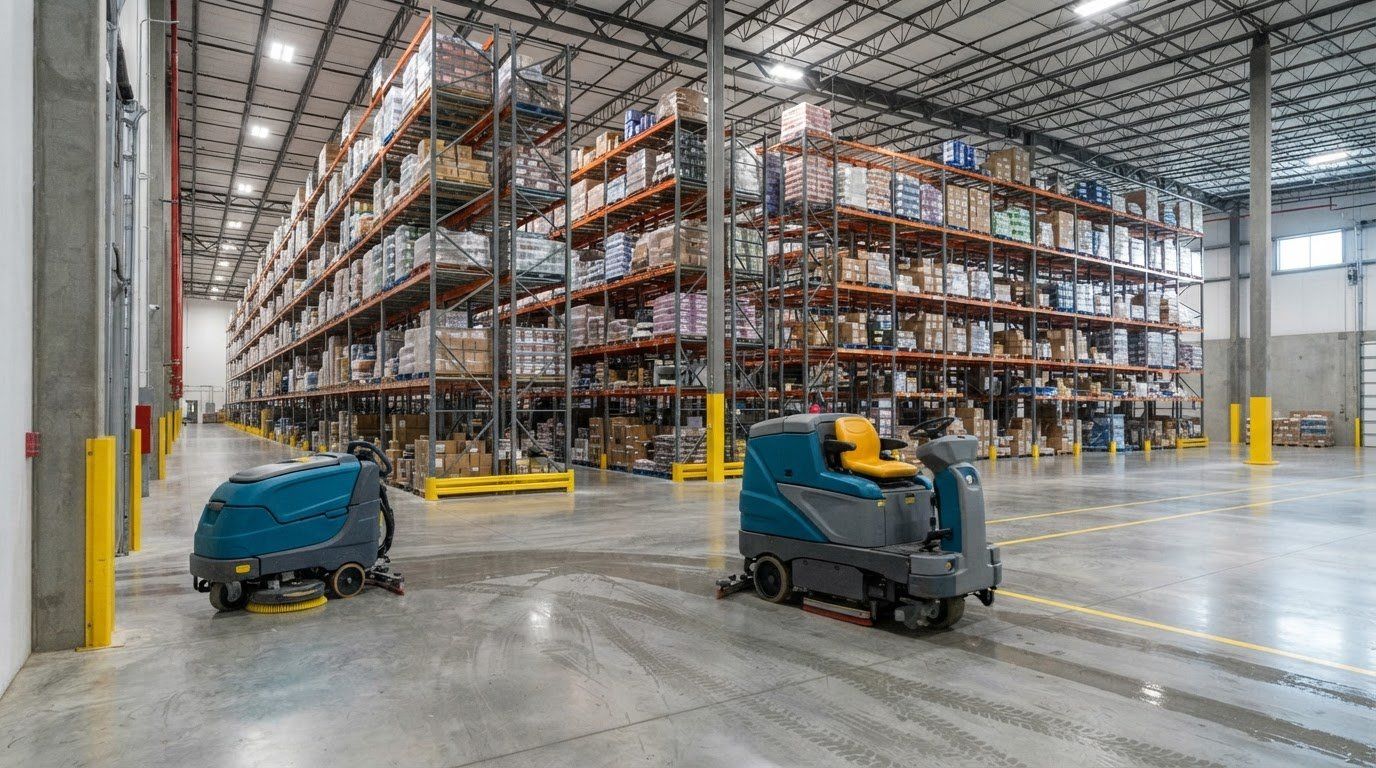
Building type shapes the task plan: an office may prioritize shared workstations, while a school, warehouse, or healthcare facility has different spaces and cleaning demands. Identify the highest-use areas first, then set priorities for routine service and periodic deep cleaning.
Disinfection and sanitation services
A disinfection plan works best when it reflects how each workspace is used. A Long Island retail floor, for example, has different contact points from a private office or shared break room. A cleaning service can combine routine cleaning with targeted disinfection, using a defined room list and task sequence. Identify priority spaces, access needs, and surfaces employees touch throughout the day.
Dusting removes loose soil from desks, shelves, ledges, and other exposed surfaces. Disinfection is a separate step: clean visible soil first, then apply an appropriate disinfectant according to its product directions. Surface material and condition matter, since the treatment must suit the item. A reliable task plan names the surface, method, and completion check instead of treating every area alike.
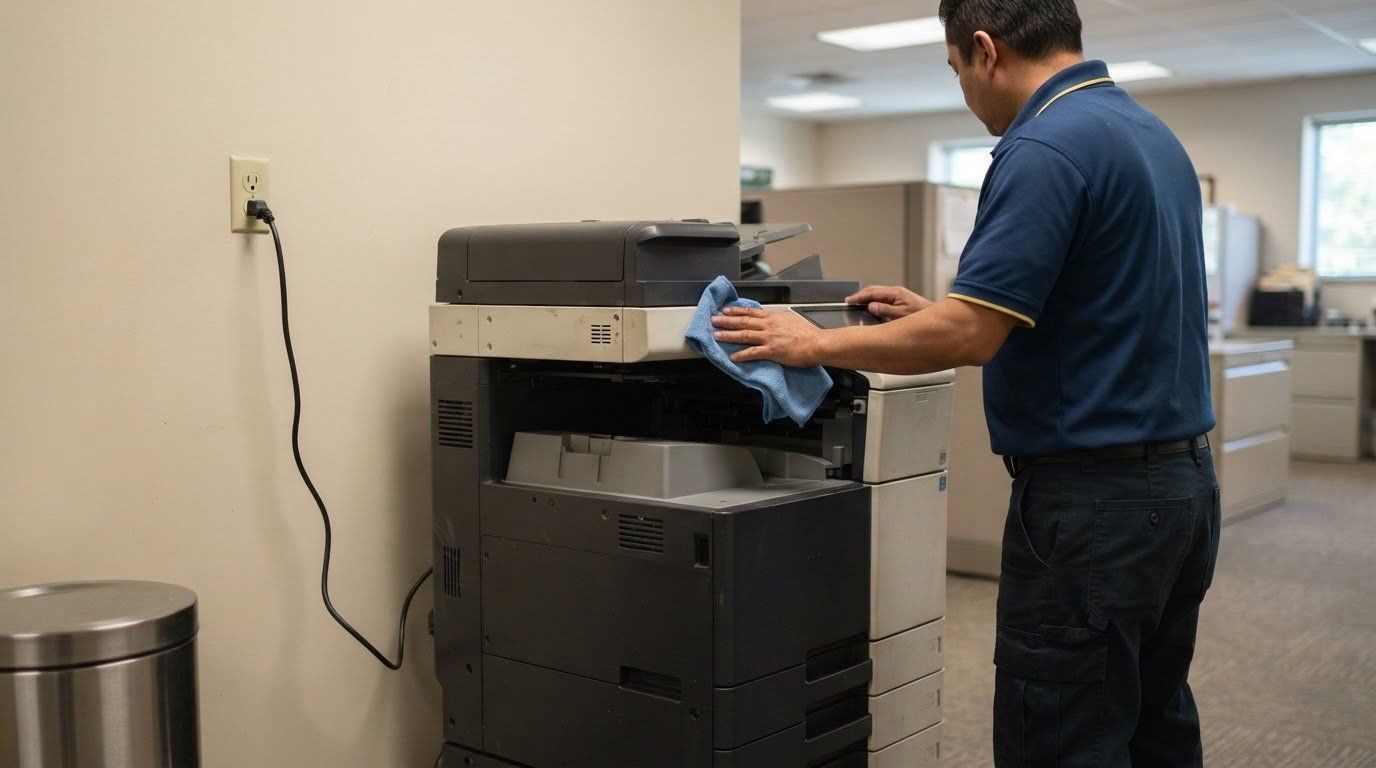
Specify high-touch points in the written scope. Examples include door handles, light switches, elevator buttons, shared keyboards, reception counters, and break-room appliance handles. Group these locations by room, then assign them to the cleaning sequence so staff can complete and record each task consistently. Managers can review the checklist and adjust priorities as workspace use changes.
COVID-19 disinfection should be handled as a focused part of the site’s cleaning plan, not as a substitute for routine cleaning. Identify the affected spaces, clean surfaces before disinfection, and follow the product’s directions for the surface and application. Document which areas were treated and communicate any temporary access limits to employees. Commercial disinfection services can support offices, healthcare settings, and retail spaces with a defined task scope.
Finding janitorial service providers in New York City
Compare providers against your facility’s needs, service scope, and operating schedule. A commercial space in Long Island, Nassau County, or Suffolk County and a multi-floor office may require different coverage from Commercial Cleaning Services Advance Industrial Maintenance.
Licenses, Insurance, and Bonding
Ask what business registrations or permits apply to the company’s work, and request current documentation. Review its insurance certificates and confirm the named business and coverage dates match the agreement. If bonding is relevant to your facility’s risk controls, ask what the bond covers and who it protects. Record these details alongside the proposed scope, access procedures, and responsibility for damage or incidents.
New York labor requirements can affect staffing, scheduling, payroll, and contract administration. Document which party handles workforce responsibilities, how schedule changes are managed, and what records support the arrangement. Keep the agreement consistent with applicable requirements rather than relying on informal assurances.
References and Reviews
Request references from organizations with comparable spaces, such as offices, stores, or multi-tenant facilities. Ask about schedule reliability, communication, and how the cleaning company handled missed tasks. Compare those responses with public reviews, looking for specific examples rather than general praise. A detailed account of recurring office cleaning offers more useful evidence than a brief claim of spotless results.
Before selecting a provider, match its proposed office cleaning services to your facility’s actual needs. Compare task lists, staffing and access plans, review procedures, and how concerns are documented. Use the same criteria for each proposal to make differences in professional cleaning coverage easier to evaluate and support a clear decision.
Commercial Cleaning Services Advance Industrial Maintenance: Office Cleaning
Commercial Cleaning Services Advance Industrial Maintenance provides office cleaning for businesses that need a defined routine and dependable facility care. Turn to its team when workplace upkeep, medical facility cleaning, or targeted floor and window work needs to fit a coordinated maintenance plan.
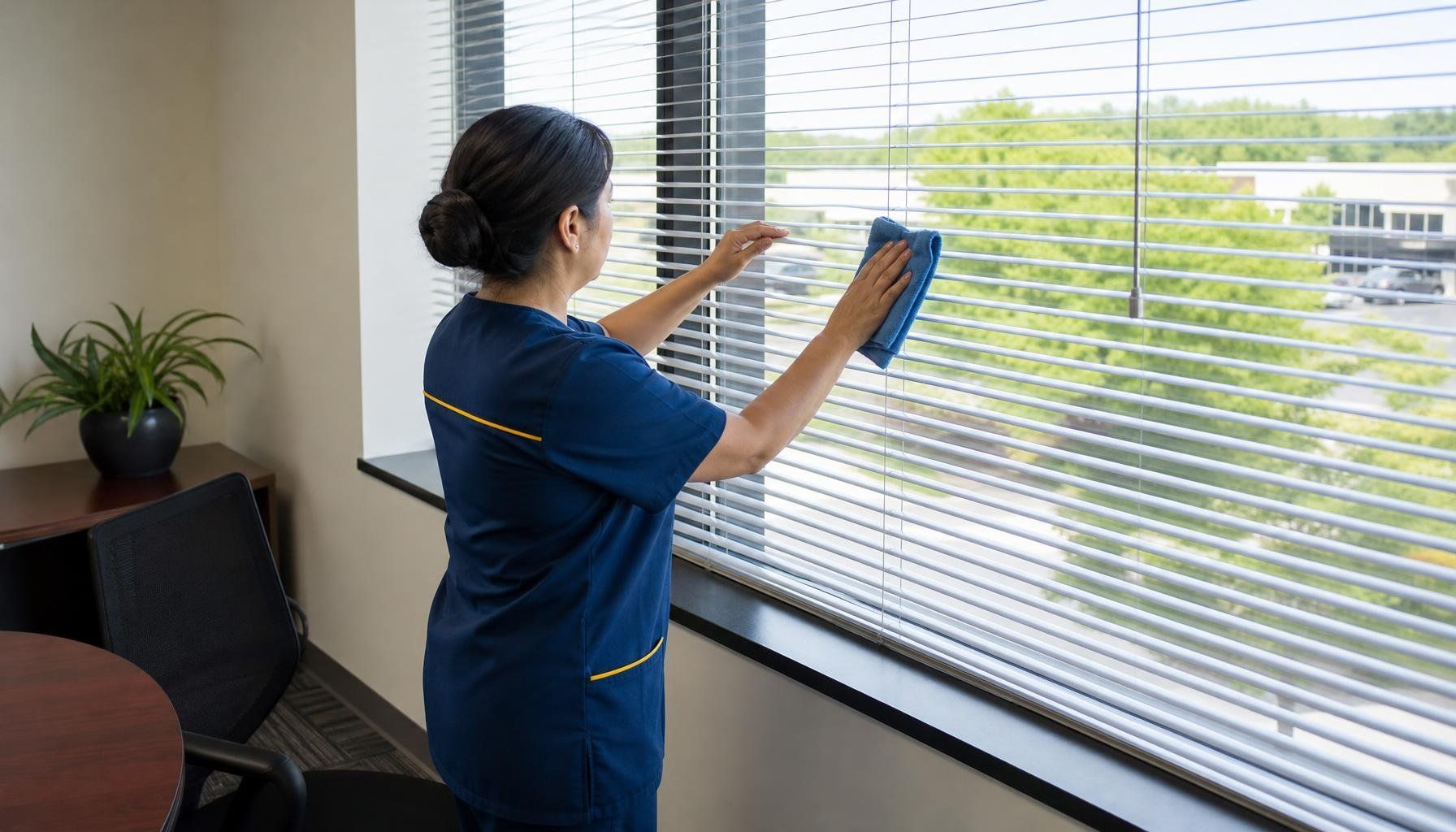
Office cleaning can support cleaner work areas and shared spaces, while floor stripping and waxing addresses floor-care needs beyond routine upkeep. Window cleaning can also be included when glass surfaces need attention. For medical environments, medical facility cleaning is tailored to that facility type.
Define the areas and tasks that matter to your operation, then align them with the service scope. This gives facility managers a practical basis for discussing ongoing cleaning needs and priorities.
Contact Commercial Cleaning Services Advance Industrial Maintenance to discuss office cleaning for your Long Island business.
Set Your Facility’s Cleaning Plan in Motion
A dependable cleaning plan starts with clear priorities for each facility, from workspace upkeep to periodic floor care. Before choosing janitorial services in New York, define which areas need attention and how cleaning must fit your operations. This creates a practical foundation for matching the service scope to your building’s needs.
Commercial Cleaning Services Advance Industrial Maintenance offers office cleaning, medical facility cleaning, and floor stripping and waxing. These services support businesses planning routine office care, cleaning for medical environments, or focused floor maintenance. Identify the work your facility needs, then take the next step toward a practical service plan.
Contact Commercial Cleaning Services Advance Industrial Maintenance to discuss your facility’s cleaning needs. A clearly scoped plan can help your team move forward with confidence.
Frequently Asked Questions
Do you clean after business hours or offer 24/7 service?
Advance Industrial Maintenance offers 24-hour emergency service for urgent cleaning needs. Emergency response is distinct from a recurring after-hours schedule. For a planned service in Nassau or Suffolk County, define the preferred access window, occupied areas, and security procedures so the cleaning plan fits the facility’s operations.
How much does office cleaning cost?
Office cleaning fees depend on the service scope, schedule, square footage, and labor required. Recurring janitorial fees are charged monthly or per visit, while specialty cleaning projects are priced according to square footage or labor requirements. Request a quote for your Long Island facility based on its specific cleaning needs.
Looking for a commercial cleaning company near you in Manhattan?
Advance Industrial Maintenance serves Suffolk County, Nassau County, and the broader Long Island region. For a Manhattan facility, location is a key factor when choosing a suitable provider. For a Long Island site, prepare a list of rooms, surfaces, and access requirements to help define the cleaning scope and support an efficient quote request.
Ready to Elevate Your Workspace?
Start by identifying areas that shape employees’ day, such as shared workstations, reception spaces, and meeting rooms. Advance Industrial Maintenance offers office cleaning, and its services are guaranteed with quality assurance. A clear list of priorities can help shape a practical cleaning plan for your Long Island workplace.
What scheduling options do you offer (nightly, daytime, weekend)?
Recurring janitorial service is available on a monthly or per-visit fee basis, and 24-hour emergency service is available for urgent needs. For routine work, define the required access window and whether employees will occupy the space during cleaning. This helps distinguish scheduled maintenance from emergency service when planning facility operations.